Solar Panel Cost Optimization: Strategies to Boost Efficiency and Reduce Costs
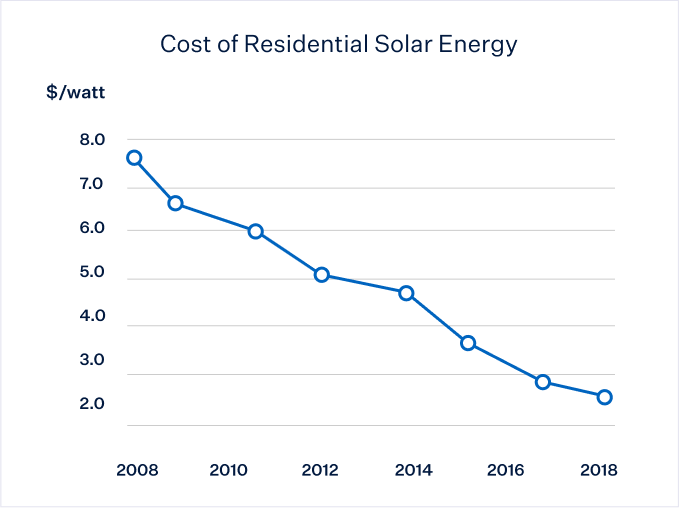
In the rapidly evolving solar energy industry, reducing costs while maintaining efficiency and reliability is a significant challenge. As the world shifts towards renewable energy, understanding the key factors that influence operational parameters and optimizing solar energy systems is crucial to enhancing power conversion efficiency. In this article, we will explore the concept of solar panel cost optimization, its importance, and the strategies to achieve it.
The Importance of Solar Panel Cost Optimization
Solar panel cost optimization is a vital aspect of the solar energy industry, as it directly impacts energy savings, operational costs, and system performance. By optimizing solar panels, energy storage, and system components, solar energy system owners can reap numerous benefits, including reduced maintenance costs, enhanced system longevity, improved performance monitoring capabilities, and measurable risk mitigation.
Strategies for Solar Panel Cost Optimization
Several strategies can be employed to optimize solar panel costs and enhance system performance. Some of these strategies include:

- Power Optimizers: Power optimizers are DC-to-DC converters that attach to individual solar panels to maximize their power output. They perform Maximum Power Point Tracking (MPPT) at the panel level, ensuring each panel operates at its optimal voltage and current, regardless of shading or other conditions affecting neighboring panels.
- Microinverters: Microinverters are another option for solar panel cost optimization. They convert DC power to AC power at the panel level, allowing for real-time monitoring and optimization of each panel's performance.
- System Monitoring and Control: Implementing a monitoring and control system can help identify areas of inefficiency and optimize system performance. This can be achieved through software and automation, streamlining workflows and boosting profitability.
- Performance Ratio (PR): The Performance Ratio (PR) is a metric that helps developers and customers understand exactly how to maximize solar panel output. It is more helpful than Watt peak or benchmark efficiency for evaluating true system optimization.
- Levelized Cost of Energy (LCOE): The Levelized Cost of Energy (LCOE) is a crucial measurement to quantify the financial success of a solar energy system. It takes into account the initial investment, maintenance costs, and energy production over time to provide a comprehensive picture of the system's efficiency and profitability.
- Regional Advantages: Different regions offer unique advantages for solar panel cost optimization. For example, Southern California's solar batteries maintain 95-100% winter efficiency, making it an ideal location for solar energy system installation.
Real-World Applications of Solar Panel Cost Optimization
Solar panel cost optimization is not just a theoretical concept; it has real-world applications and benefits. For instance, solar power optimizers can boost panel performance by 30-40%, making them a worthwhile investment for solar energy system owners. Additionally, the ROI of adding power optimizers to a solar panel system extends beyond simple energy production increases, encompassing reduced maintenance costs, enhanced system longevity, improved performance monitoring capabilities, and measurable risk mitigation.
Conclusion
Solar panel cost optimization is a critical aspect of the solar energy industry, offering numerous benefits, including reduced maintenance costs, enhanced system longevity, improved performance monitoring capabilities, and measurable risk mitigation. By employing strategies such as power optimizers, microinverters, system monitoring and control, performance ratio, levelized cost of energy, and regional advantages, solar energy system owners can optimize their systems and reap the rewards of renewable energy. As the industry continues to evolve, understanding the importance of solar panel cost optimization and implementing effective strategies will be essential for achieving efficiency and reducing costs.