Food Choices, GLP-1, and Emotional Well-being: Unpacking the Connection
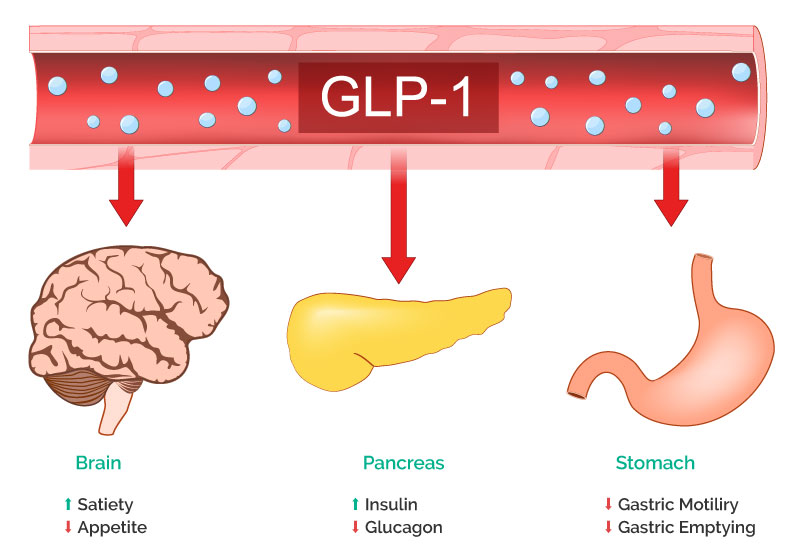
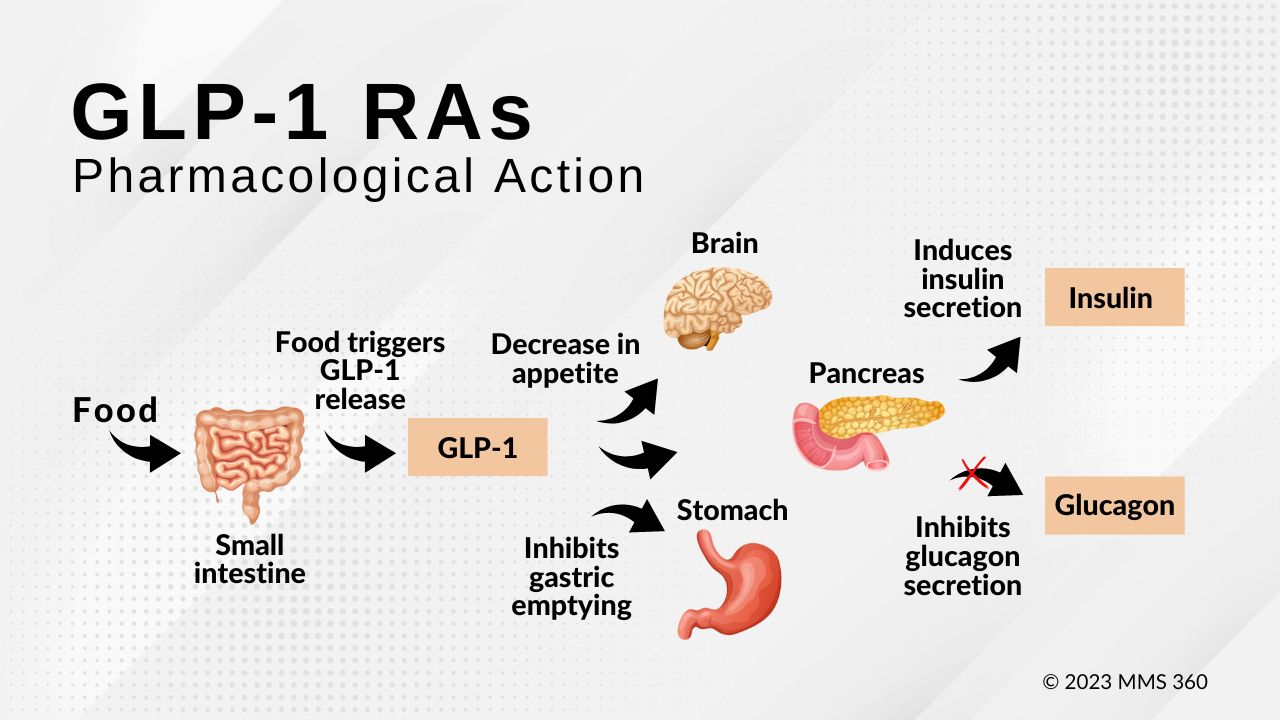
When it comes to managing weight and making informed food choices, the relationship between GLP-1 (glucagon-like peptide-1) and emotional well-being is more complex than ever. GLP-1, a hormone that regulates appetite and food intake, has been found to have a profound impact on our emotional and psychological functioning. In this article, we will delve into the world of GLP-1, emotional eating, and food choices, exploring the intricacies of this dynamic relationship.
Understanding GLP-1 and Emotional Regulation
GLP-1 signaling affects brain regions involved in emotional control and decision-making, including the anterior cingulate cortex and prefrontal cortex. These areas help weigh emotional cost and personal relevance before responding. Research has shown that GLP-1 medications can have a profound impact on emotional regulation, reducing stress and anxiety in individuals with obesity and type 2 diabetes.
- GLP-1 medications have been found to reduce emotional eating in individuals with binge eating disorder, with 100% of one doctor's patients experiencing significant improvement in food noise and bingeing episodes.
- GLP-1 has been shown to increase activity in the reward system, essential for the release of dopamine, with similar effects found in injectable GLP-1 agonists.
- Studies in mice have demonstrated that GLP-1 injections lead to decreased food intake and decreased body weight.
The Complex Relationship Between GLP-1 and Emotional Eating
Emotional eating, a complex and multifaceted issue, is characterized by eating in response to emotional cues rather than physical hunger. GLP-1 medications have been found to reduce food noise and bingeing episodes in individuals with emotional eating, but it is essential to note that emotions don't live in the stomach; they live in the brain and nervous system. This means that emotional eating on GLP-1 may continue to show up as eating even when not physically hungry, craving certain foods, and experiencing food-related anxiety.
Managing Emotional Eating with GLP-1

While GLP-1 medications can help regulate appetite and reduce food cravings, they are not a magic solution for emotional eating. Managing emotional eating requires a multifaceted approach that includes:
- Mindfulness and self-compassion
- Healthy food choices
- Regular exercise
- Stress management
- Seeking support from healthcare professionals and support groups
Conclusion
The relationship between GLP-1, emotional well-being, and food choices is complex and multifaceted. While GLP-1 medications can have a profound impact on emotional regulation and food intake, it is essential to approach emotional eating with a holistic and nuanced perspective. By understanding the intricacies of this dynamic relationship, we can make informed food choices and develop a healthier relationship with food and our bodies.
Further Reading
For more information on GLP-1, emotional eating, and food choices, explore the following resources:
- "GLP-1: The Ultimate Guide to Understanding and Managing Emotional Eating" by [Author's Name]
- "The Science of GLP-1: How This Hormone Regulates Appetite and Food Intake" by [Author's Name]
- "Emotional Eating and GLP-1: A Guide to Mindful Eating and Healthy Food Choices" by [Author's Name]