The Connection Between GLP-1 Agonist and Satiety Center: Unlocking the Secrets of Weight Loss
Introduction
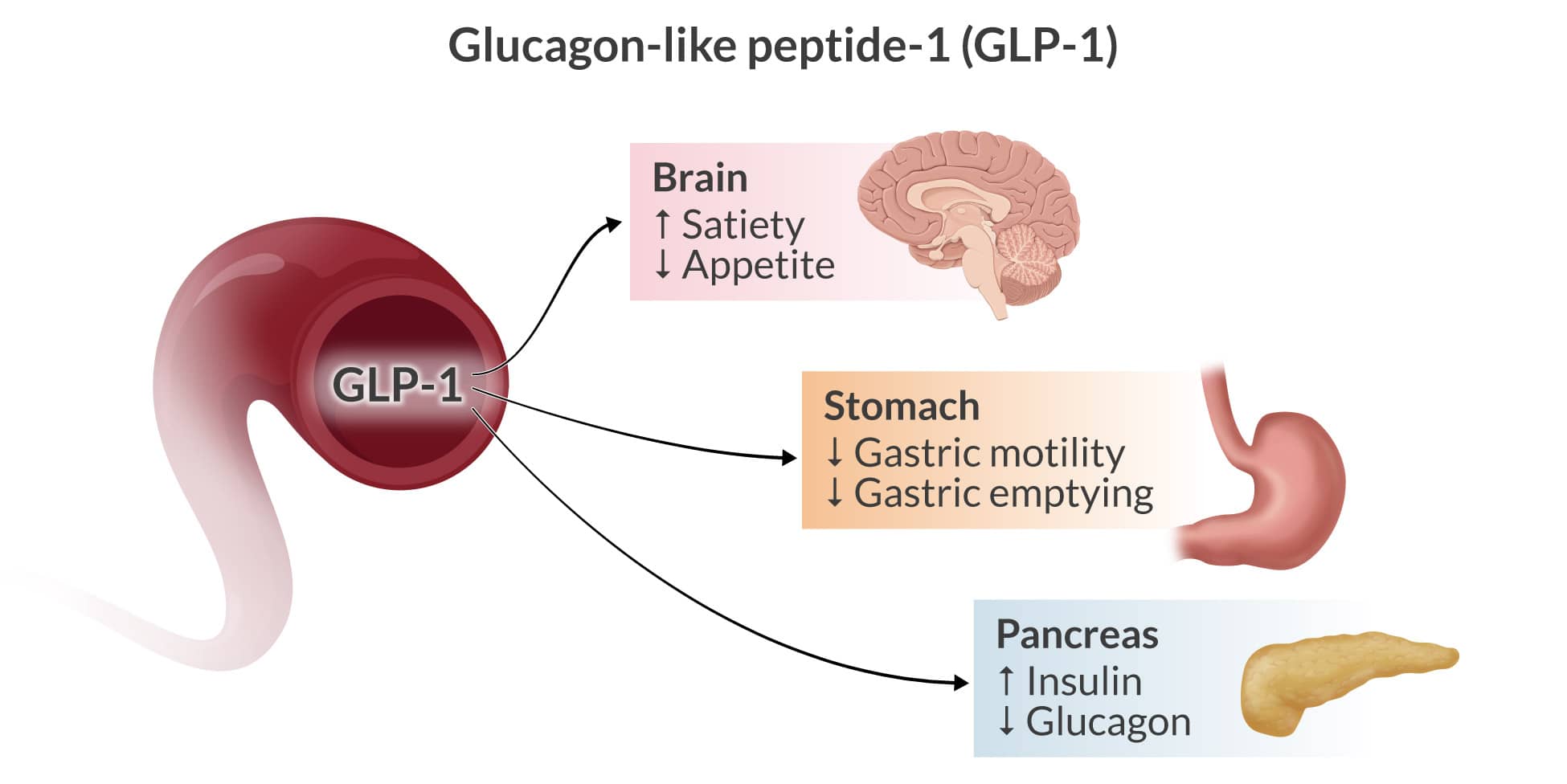
The recent surge in the use of GLP-1 agonists has transformed the field of obesity and diabetes treatment. These medications have been shown to promote weight loss by stimulating satiety, slowing gastric emptying, and regulating appetite. However, the mechanics behind their effectiveness are still not fully understood. In this article, we will delve into the intricate relationship between GLP-1 agonists and the satiety center, exploring the latest research and findings.The Satiety Center: A Hub for Hunger and Fullness
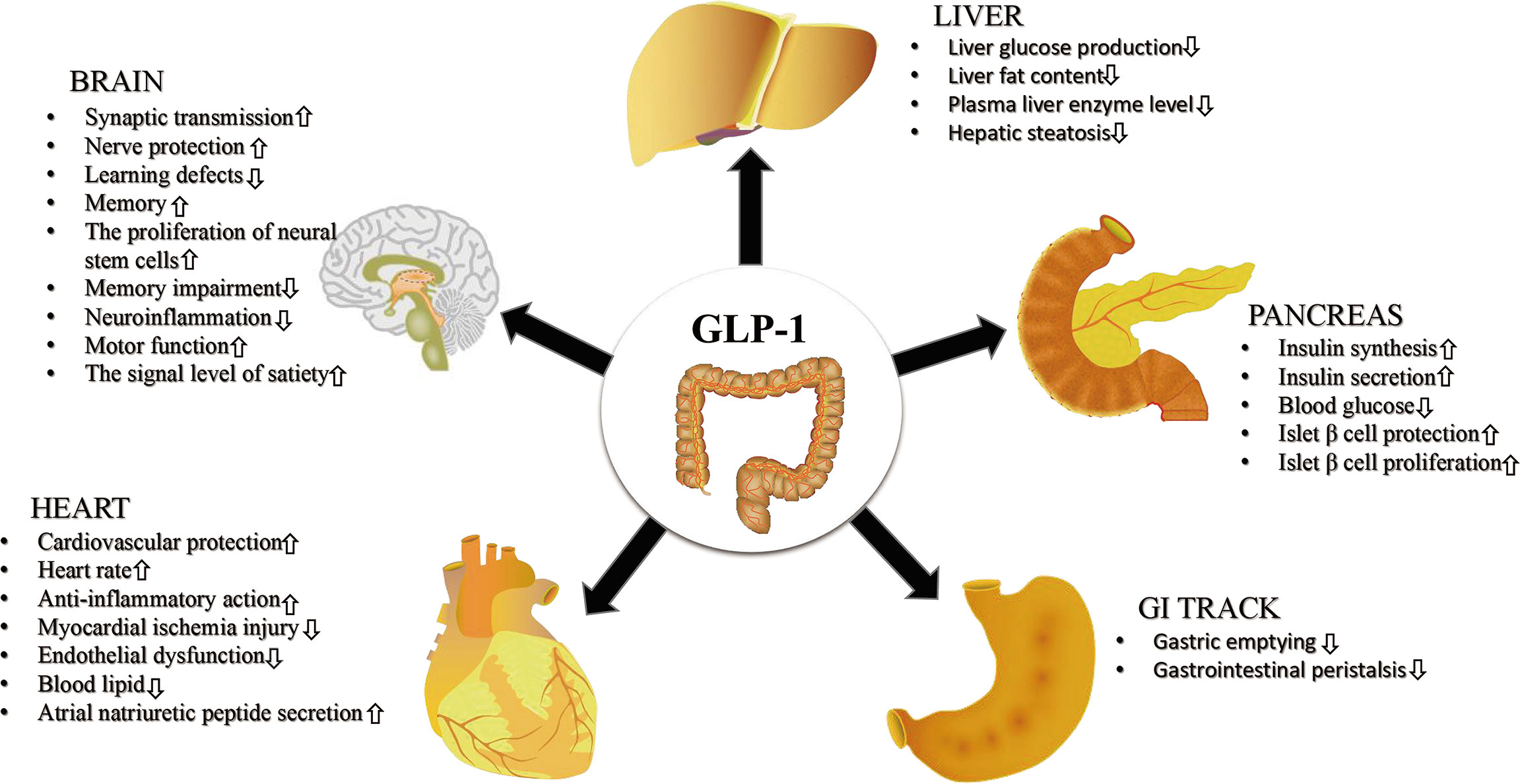
The satiety center, located in the brain, plays a crucial role in regulating appetite and food intake. It is a complex system that involves multiple neural pathways and hormones, including GLP-1. GLP-1 is a hormone produced by the intestines that signals the brain to feel full and satisfied after eating. By mimicking the natural GLP-1 hormone, GLP-1 agonists can activate the satiety center, leading to reduced hunger and increased feelings of fullness.GLP-1 Receptor Agonists: The Key to Weight Loss
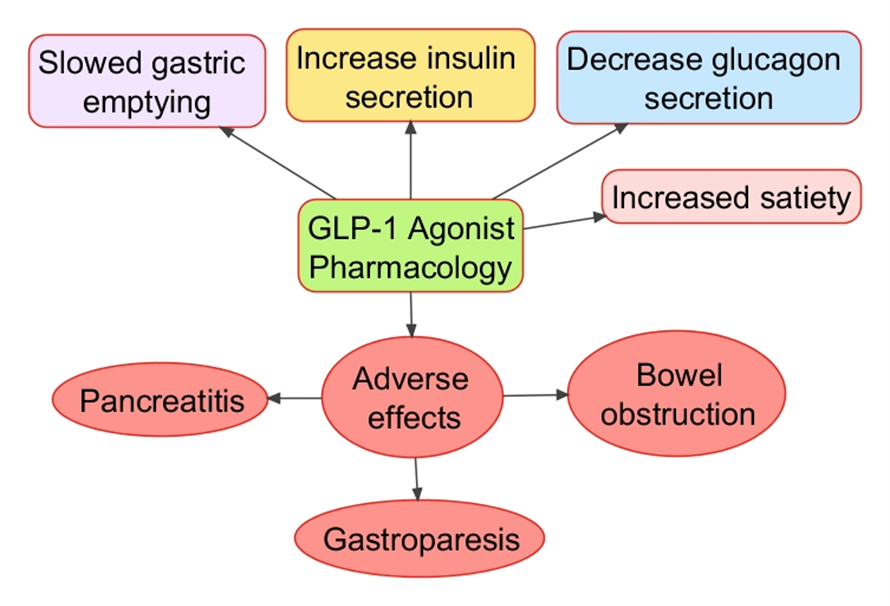
GLP-1 receptor agonists are a class of medications that activate the GLP-1 receptor, simulating the natural hormone's effects on the body. By activating the GLP-1 receptor, these medications can: * Slow gastric emptying, reducing the rate at which food leaves the stomach and enters the intestines * Regulate appetite and satiety, promoting feelings of fullness and reducing hunger * Enhance glucose metabolism, reducing blood sugar levelsHow GLP-1 Agonists Influence the Satiety Center