International Trademark Registration and Ownership
Registering an international trademark is a crucial step for businesses looking to expand their brand globally. However, understanding the concept of international trademark registration and ownership can be complex. In this article, we will delve into the world of international trademark registration and ownership, exploring the benefits, procedures, and best practices for protecting your trademark worldwide.
What is International Trademark Registration and Ownership?
International trademark registration allows trademark owners to register their trademarks in multiple countries or regions through a single application. This process is facilitated by the Madrid System, which offers a convenient and cost-effective solution for managing global trademark portfolios. By filing a single application, trademark owners can pay one set of fees, in one currency, and gain protection in multiple countries or regions.
Benefits of International Trademark Registration and Ownership
Registering an international trademark offers numerous benefits, including:
- Rights in multiple countries or regions: With international trademark registration, trademark owners can gain protection in multiple countries or regions simultaneously.
- Single application process: A single application is filed through the Madrid System, simplifying the registration process and reducing costs.
- Convenience: The Madrid System allows trademark owners to file and manage their international trademark registrations using a single, centralized system.
- Cost-effective: Filing a single application reduces the costs associated with registering trademarks in multiple countries or regions.
- Enhanced brand protection: International trademark registration helps protect the reputation and goodwill of a brand worldwide.
Procedure for International Trademark Registration and Ownership
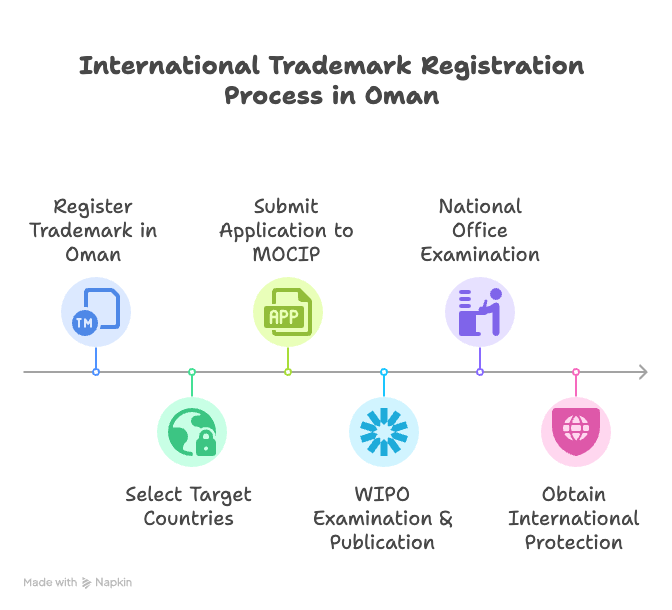
The process of international trademark registration involves several steps:
- Conduct a trademark search: Search for existing trademarks to ensure your mark is available for registration.
- Choose the countries or regions to register in: Decide which countries or regions you want to register your trademark in.
- File a single application: File a single application through the Madrid System, including the required documentation and fees.
- Manage your registration: Once registered, you can use the eMadrid system to manage your international trademark registration, including making changes, renewals, and more.
Types of International Trademark Registration

There are several types of international trademark registration, including:
- Madrid System: The Madrid System is a centralized system for international trademark registration, offering a single, streamlined process for filing and managing applications.
- Protocol: The Protocol allows trademark owners to file a single application and register their trademark in multiple countries or regions.
- International registration: This type of registration provides trademark owners with protection in multiple countries or regions, based on a single application.
Change of Ownership and Transfer of International Trademark Registration
When changing ownership or transferring an international trademark registration, the following steps should be taken:
- Notify the Industrial Property Authority: Inform the relevant Industrial Property Authority of the change in ownership or transfer of registration.
- Update the Madrid System: Use the eMadrid system to update the ownership or transfer of international trademark registration.
- File the necessary documents: Submit the required documents to record the change in ownership or transfer of registration.
Conclusion
International trademark registration and ownership is a complex process, but it offers numerous benefits for businesses looking to expand their brand globally. By understanding the benefits, procedures, and best practices for international trademark registration and ownership, businesses can protect their brand reputation and goodwill worldwide. It is essential to consult with a specialist or attorney to ensure the correct procedures are followed and to avoid potential pitfalls.
References
For more information on international trademark registration and ownership, refer to the following sources:
- World Intellectual Property Organization (WIPO) - Madrid System
- United States Patent and Trademark Office (USPTO) - International Trademark Registration
- Trademark Elite - Trademark Search Database
-(1).webp "Madrid System: Frequently Asked Questions - WIPO")