GLP-1 Analogues and Portion Control for Weight Loss: A Game-Changing Combination
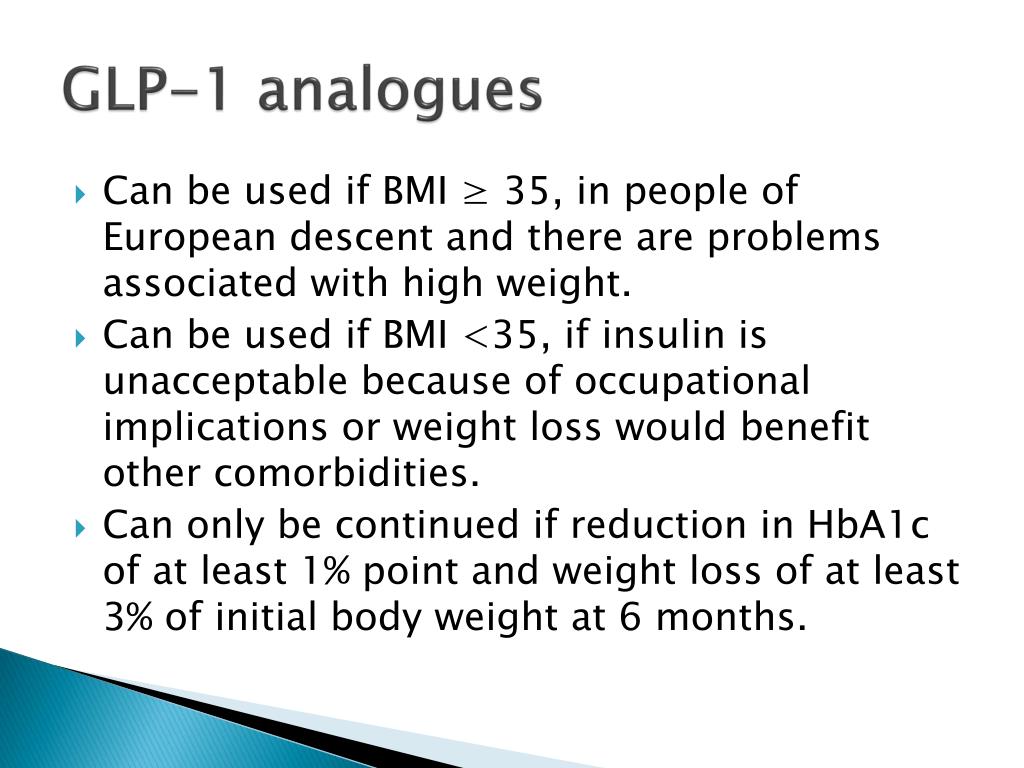
Weight loss is a complex process that requires a multifaceted approach. While diet and exercise are essential components, they may not be enough to achieve significant weight loss, particularly for individuals with obesity. This is where GLP-1 analogues come in – a class of medications that have revolutionized the treatment of obesity and type 2 diabetes.
What are GLP-1 Analogues?
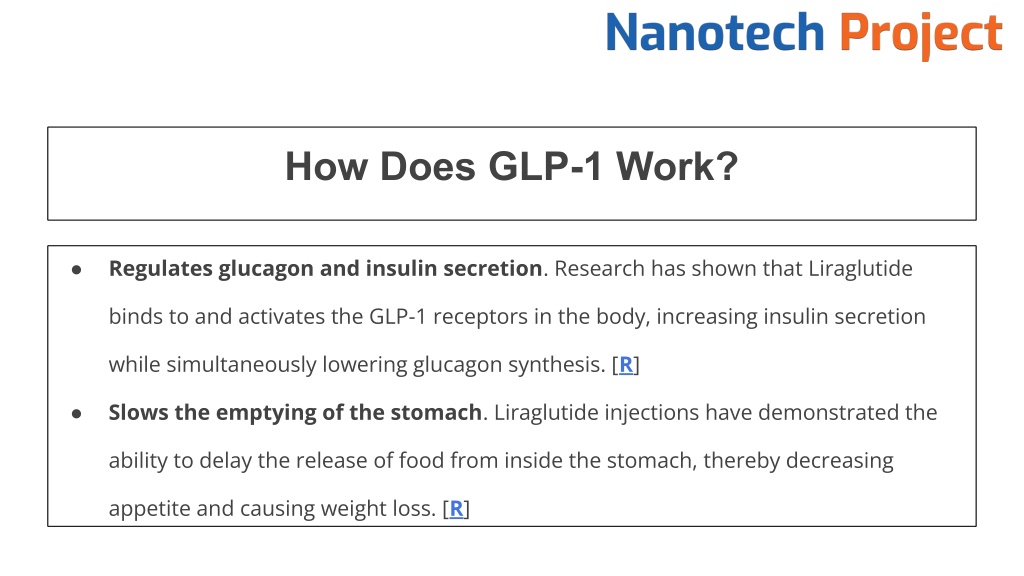
GLP-1 analogues are synthetic medications that mimic the natural hormone glucagon-like peptide-1 (GLP-1). GLP-1 is a hormone produced by the intestine that regulates blood sugar levels, appetite, and metabolism. GLP-1 analogues work by stimulating glucose-dependent insulin secretion, suppressing glucagon release, and delaying gastric emptying, leading to reduced hunger and increased feelings of fullness.
Portion Control: A Key Component of Weight Loss
Portion control is a critical aspect of weight loss, and GLP-1 analogues can help with this. By slowing gastric emptying, GLP-1 analogues enable the body to feel full and satisfied for longer, reducing the likelihood of overeating. This is particularly important in today's fast-paced world, where it's easy to overindulge in large portions.
The Benefits of Combining GLP-1 Analogues with Portion Control
Combining GLP-1 analogues with portion control can lead to significant weight loss and improved metabolic health. Studies have shown that individuals taking GLP-1 analogues experience increased satiety, reduced hunger, and improved weight loss outcomes compared to those not taking these medications. By practicing portion control, individuals can enhance the effects of GLP-1 analogues and achieve better weight loss results.
GLP-1 Analogues and Weight Loss: A Comparison of Clinical Trials
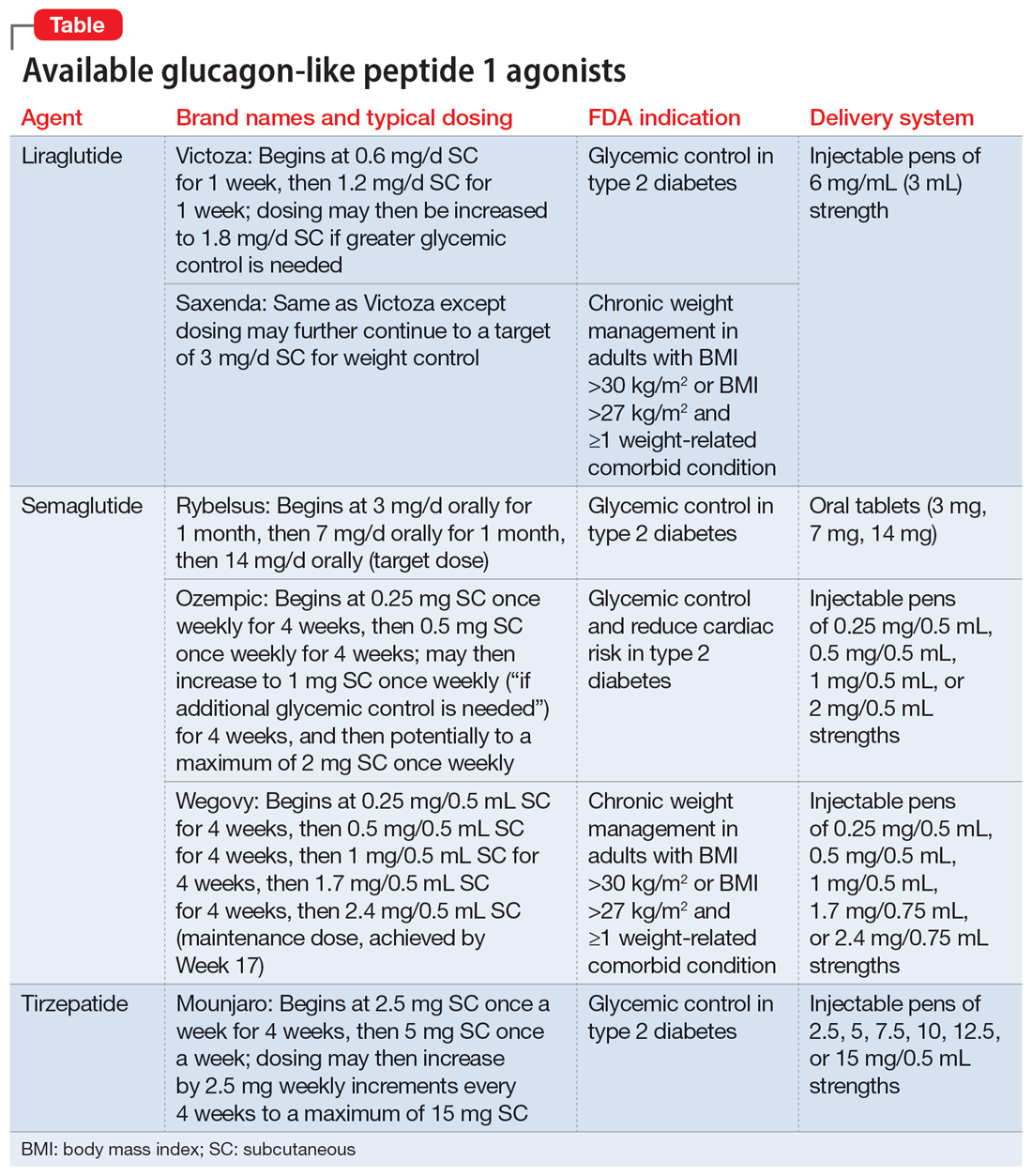
Clinical trials have demonstrated the effectiveness of GLP-1 analogues in promoting weight loss. For example, a study published in the Journal of Clinical Endocrinology and Metabolism found that individuals taking semaglutide, a GLP-1 analogue, experienced a significant reduction in body weight compared to those taking a placebo. Another study published in the International Journal of Obesity found that GLP-1 analogues led to improved weight loss outcomes and reduced hunger compared to a control group.
Portion Control Strategies for Enhanced Weight Loss
To achieve optimal weight loss with GLP-1 analogues, it's essential to practice portion control. Here are some strategies to help:
- Eat smaller, more frequent meals: Divide your daily calorie intake into 3-5 smaller meals to reduce hunger and increase feelings of fullness.
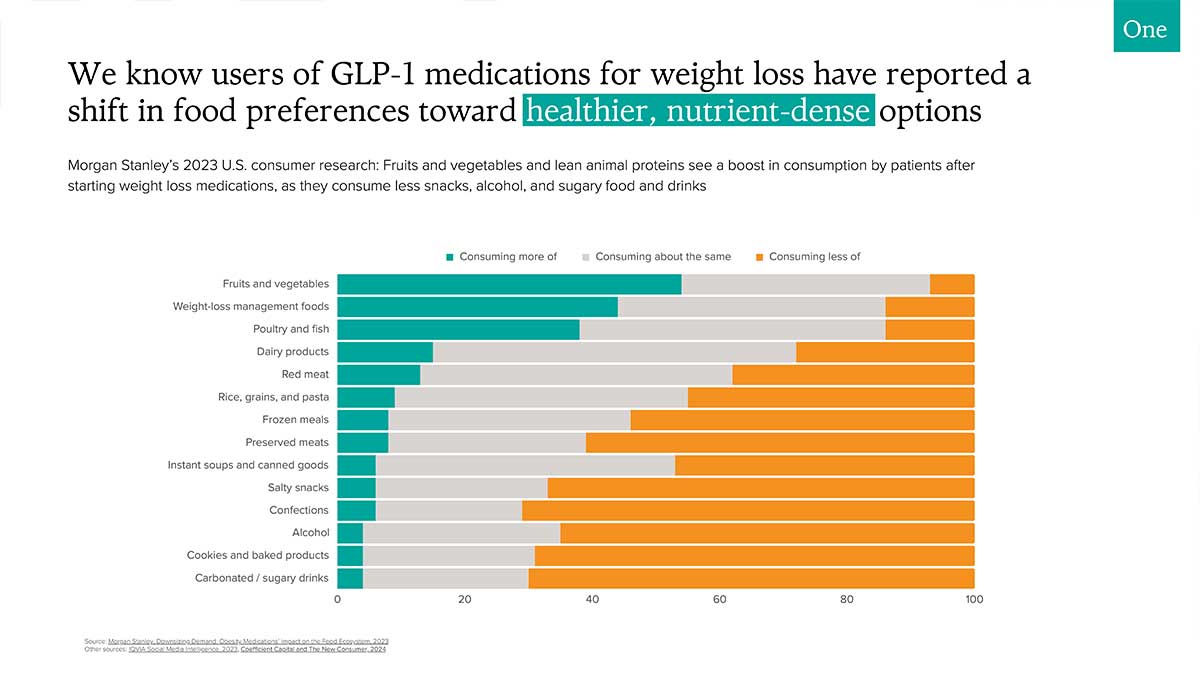
- Choose nutrient-dense foods: Focus on whole, unprocessed foods like fruits, vegetables, whole grains, lean proteins, and healthy fats to provide essential nutrients and satiety.
- Use a food diary: Track your food intake and portion sizes to identify patterns and areas for improvement.
- Get enough sleep: Aim for 7-9 hours of sleep per night to regulate hunger hormones and support weight loss.
- Stay hydrated: Drink plenty of water throughout the day to reduce hunger and improve digestion.
Conclusion
The combination of GLP-1 analogues and portion control offers a powerful approach to weight loss and improved metabolic health. By practicing portion control and taking GLP-1 analogues, individuals can experience increased satiety, reduced hunger, and improved weight loss outcomes. Consult with a healthcare professional to determine the best treatment plan for your individual needs.