Understanding GLP-1 and Gastroparesis: A Comprehensive Guide
Gastroparesis, a condition characterized by delayed gastric emptying, is a common complication observed in patients with diabetes mellitus, often due to autonomic neuropathy. The use of glucagon-like peptide-1 receptor agonists (GLP-1RAs) in diabetes management has raised concerns about their potential to exacerbate gastroparesis. In this article, we will delve into the relationship between GLP-1 and gastroparesis, exploring the mechanisms, risks, and management strategies for this condition.
What is Gastroparesis?
Gastroparesis is a functional disorder affecting the stomach muscles and nerves, causing delayed emptying of food from the stomach into the small intestine. This condition can range from mild to severe, leading to symptoms such as nausea, vomiting, bloating, and abdominal pain. Gastroparesis can be caused by various factors, including diabetes, autonomic neuropathy, and certain medications.
GLP-1 and Gastroparesis: A Complex Relationship
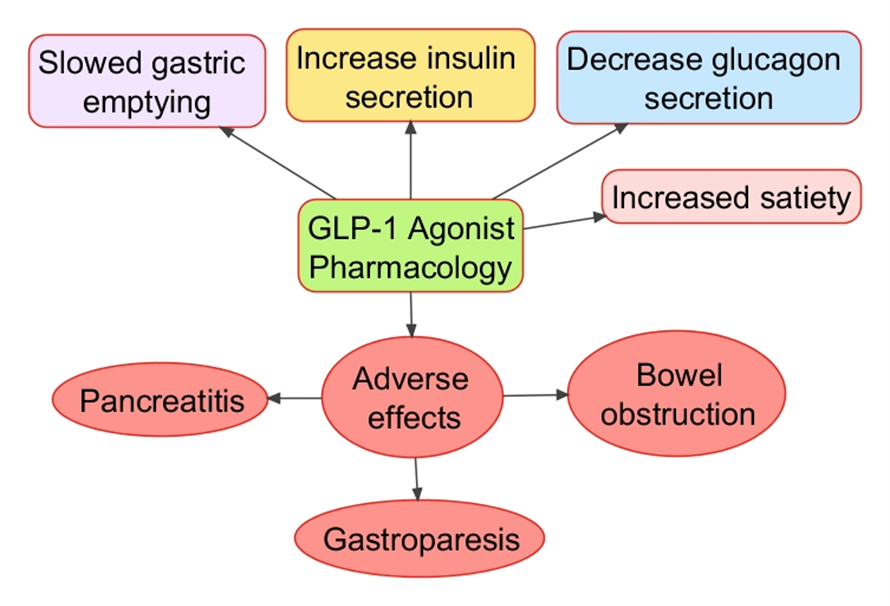
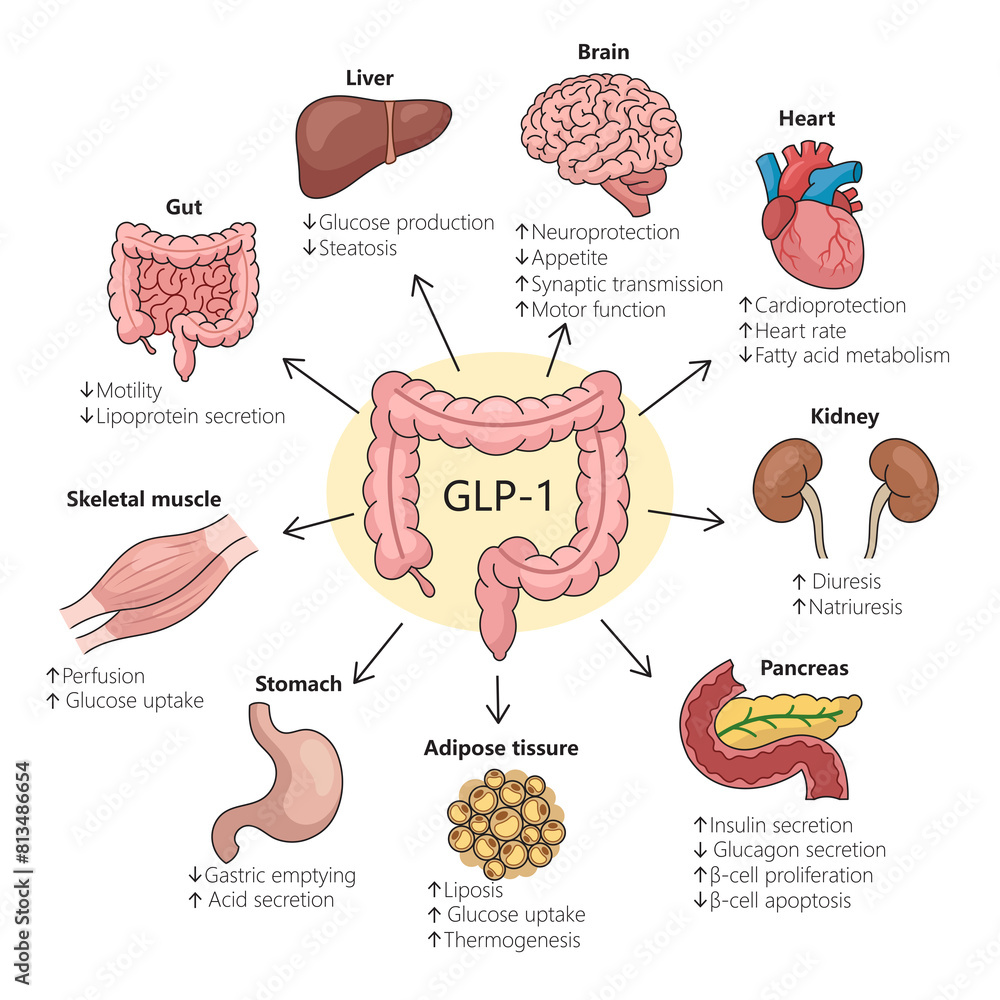
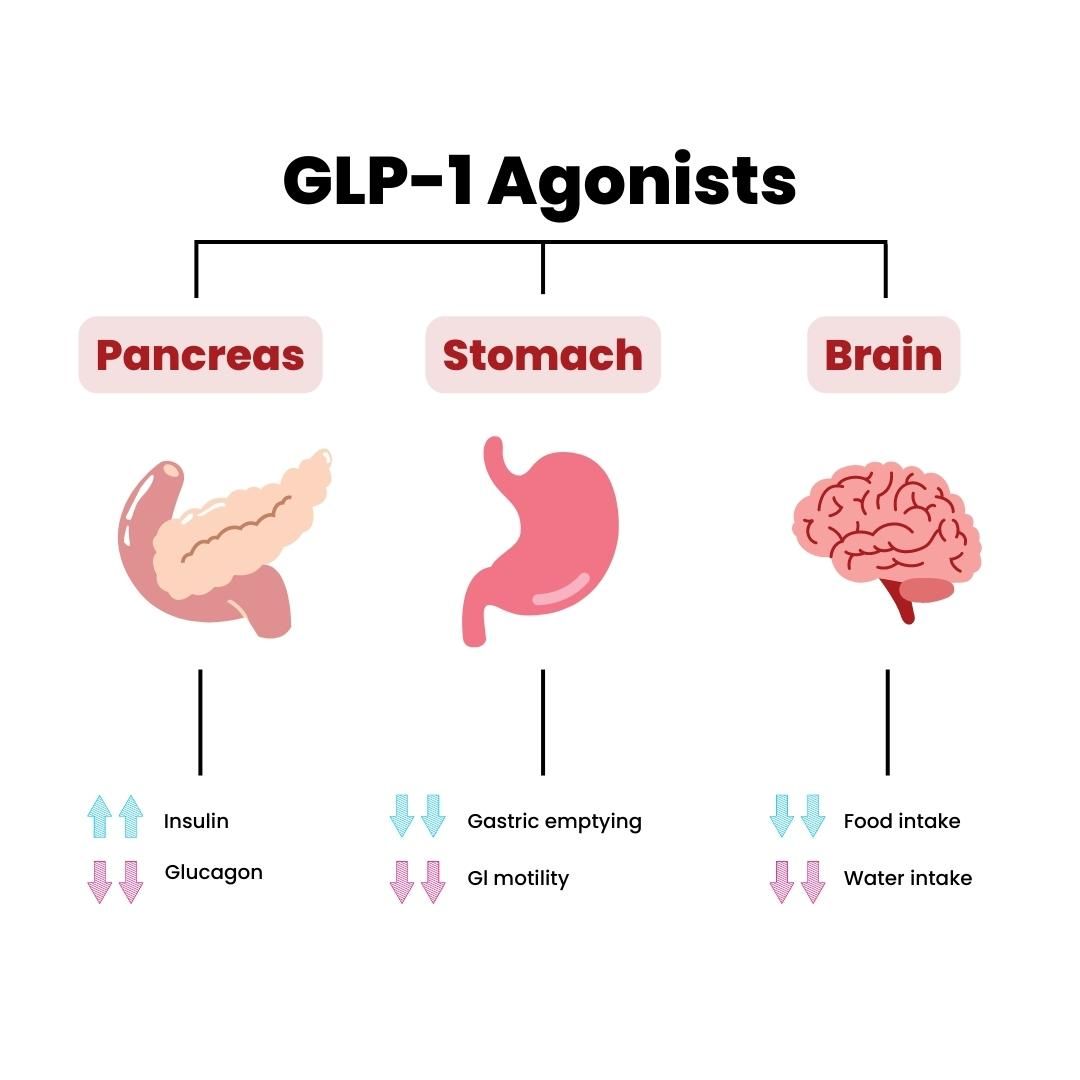
GLP-1RAs, such as semaglutide and liraglutide, are medications approved for the treatment of diabetes and weight management. These medications work by slowing gastric emptying, which helps regulate blood glucose levels and promotes weight loss. However, this mechanism also increases the risk of gastroparesis, particularly in patients with pre-existing conditions or those taking high doses of GLP-1RAs.
Incidence and Risks of Gastroparesis with GLP-1 Medications
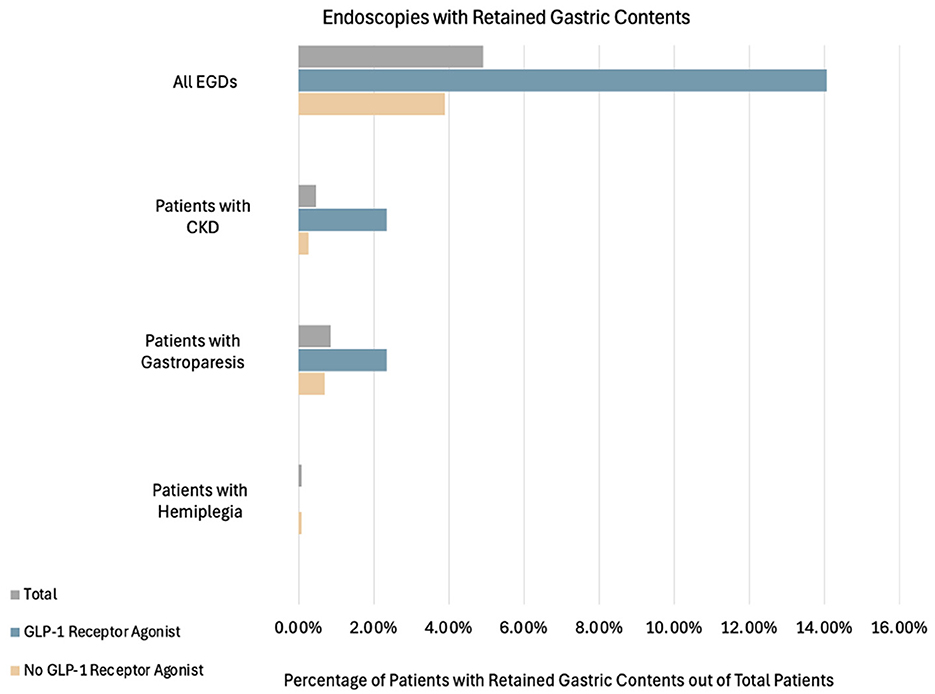
Studies have shown that patients using GLP-1RAs for Type 2 diabetes and weight loss are at a higher risk of developing gastroparesis, pancreatitis, bowel obstruction, and other gastrointestinal adverse events. A large cohort study found increased risks of gastroparesis and pancreatitis among patients using GLP-1 agonists specifically for weight loss, not diabetes.
Risk Factors and Diagnostic Challenges
The risk of gastroparesis with GLP-1 medications is influenced by various factors, including dose, duration of treatment, and individual patient characteristics. Distinguishing the expected effect of GLP-1 on gastric emptying from true gastroparesis presents diagnostic challenges. Clinicians must consider medication history, symptoms, and laboratory results to accurately diagnose and manage gastroparesis.
Management Strategies for Gastroparesis with GLP-1 Medications
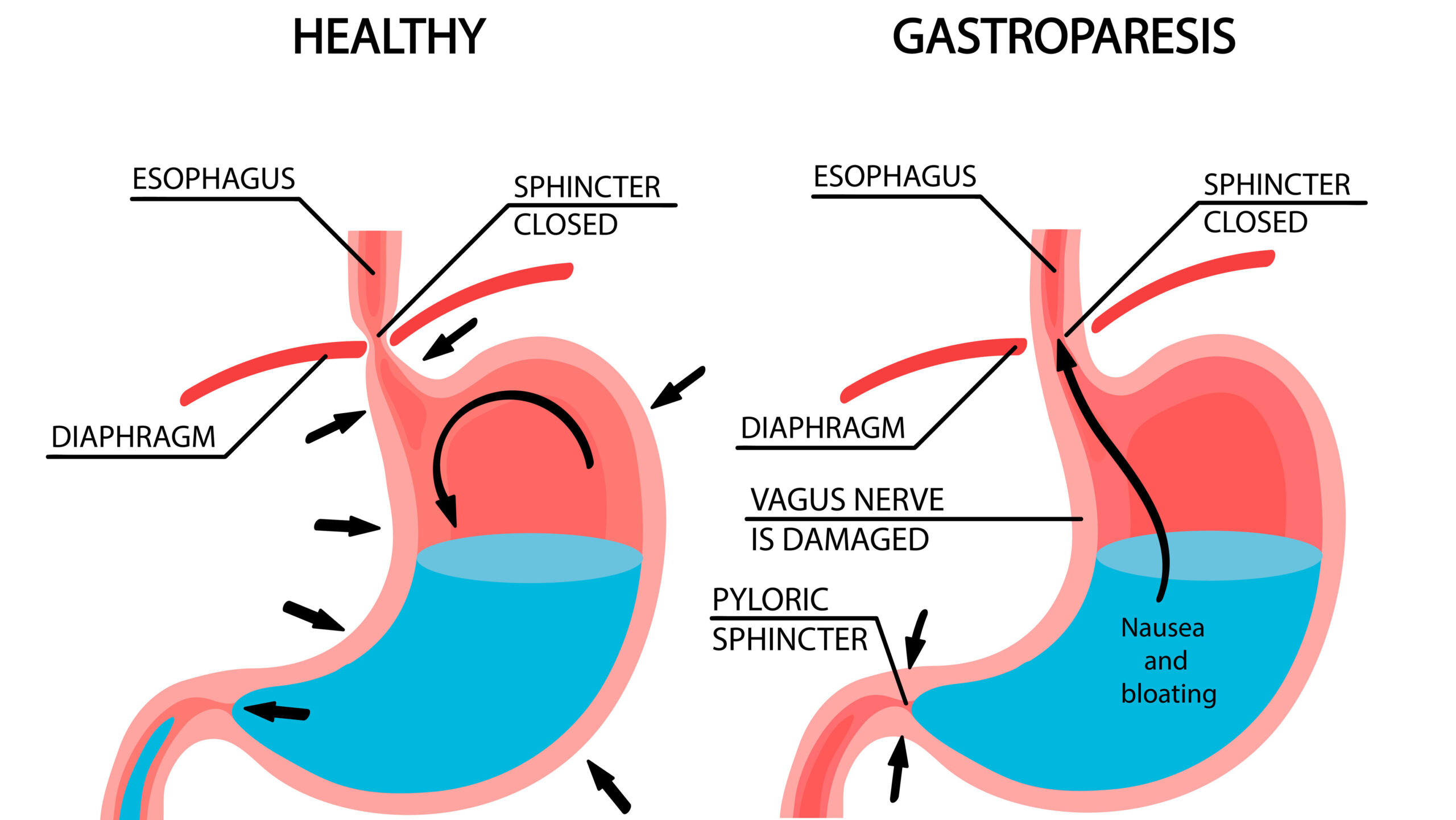
Management of gastroparesis caused by GLP-1 medications involves a multidisciplinary approach, including dietary modifications, medication adjustments, and supportive care. Patients may benefit from physiotherapy, stress management, and nutritional support to alleviate symptoms and improve quality of life.
Prevention and Treatment of Gastroparesis with GLP-1 Medications
Prevention of gastroparesis is crucial in patients taking GLP-1 medications. Clinicians should monitor patients closely for signs of gastroparesis, making adjustments to medication or recommending lifestyle changes as needed. Early detection and management of gastroparesis can help prevent complications and improve treatment outcomes.
GLP-1 Medications and Other Gastrointestinal Risks
GLP-1RAs have been linked to other gastrointestinal risks, including pancreatitis, bowel obstruction, and biliary disease. These risks highlight the importance of closely monitoring patients taking GLP-1 medications for signs of gastrointestinal adverse events.
Conclusion
Gastroparesis is a complex condition that can be exacerbated by GLP-1 medications. Clinicians must be aware of the risks and mechanisms underlying gastroparesis in patients taking GLP-1RAs. By understanding the relationship between GLP-1 and gastroparesis, clinicians can provide accurate diagnosis, effective management, and supportive care to patients affected by this condition.
References
- GoodRx. (2024, February 22). "GLP-1 Pills Are a Game-Changer for Weight Loss"
- Johns Hopkins Health Review. (2024, May 25). "GLP-1 and Gastroparesis: What You Need to Know"
- Diabetes Self-Management. (2024, May 12). "GLP-1 and Gastroparesis: How Does it Work?"
- Journal of Clinical Gastroenterology. (2024, February 22). "GLP-1 and Gastroparesis: A Systematic Review and Meta-Analysis"
- Harvard Health Publishing. (2024, February 22). "GLP-1 and Gastroparesis: Is There Reason to Worry?"