Unlocking the Secrets of GLP-1 and Gut Bacteria: A Groundbreaking Relationship
The human body is a complex ecosystem, comprising trillions of microorganisms that reside in and around us, influencing various physiological processes. Among these microorganisms, gut bacteria play a crucial role in regulating our metabolism, digestion, and overall health. One of the key hormones involved in this process is Glucagon-Like Peptide-1 (GLP-1), a natural hormone produced by the L-cells in the gut. In this article, we will delve into the fascinating relationship between GLP-1 and gut bacteria, and explore the latest research on how they interact to influence our health.The Role of GLP-1 in the Gut
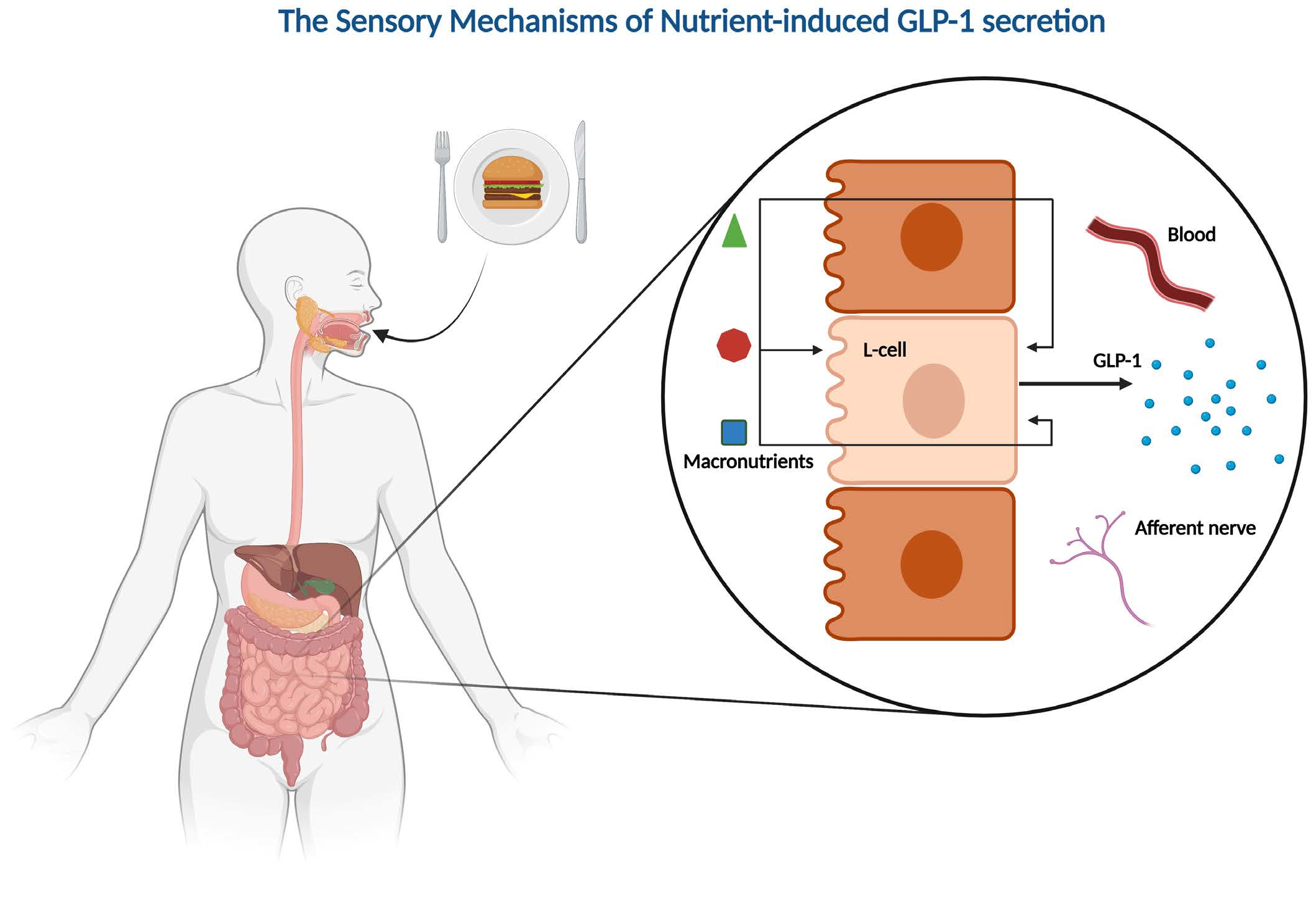
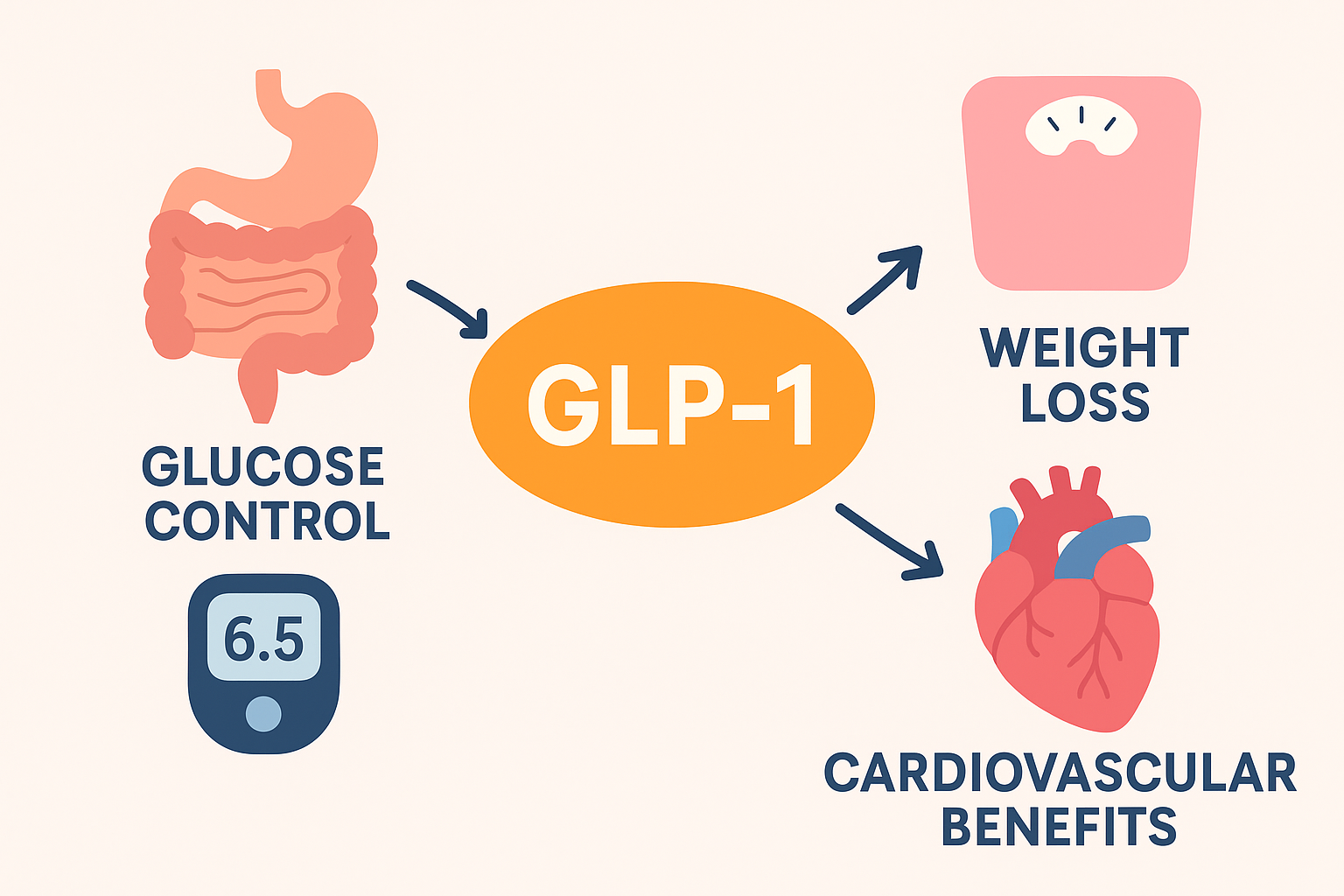
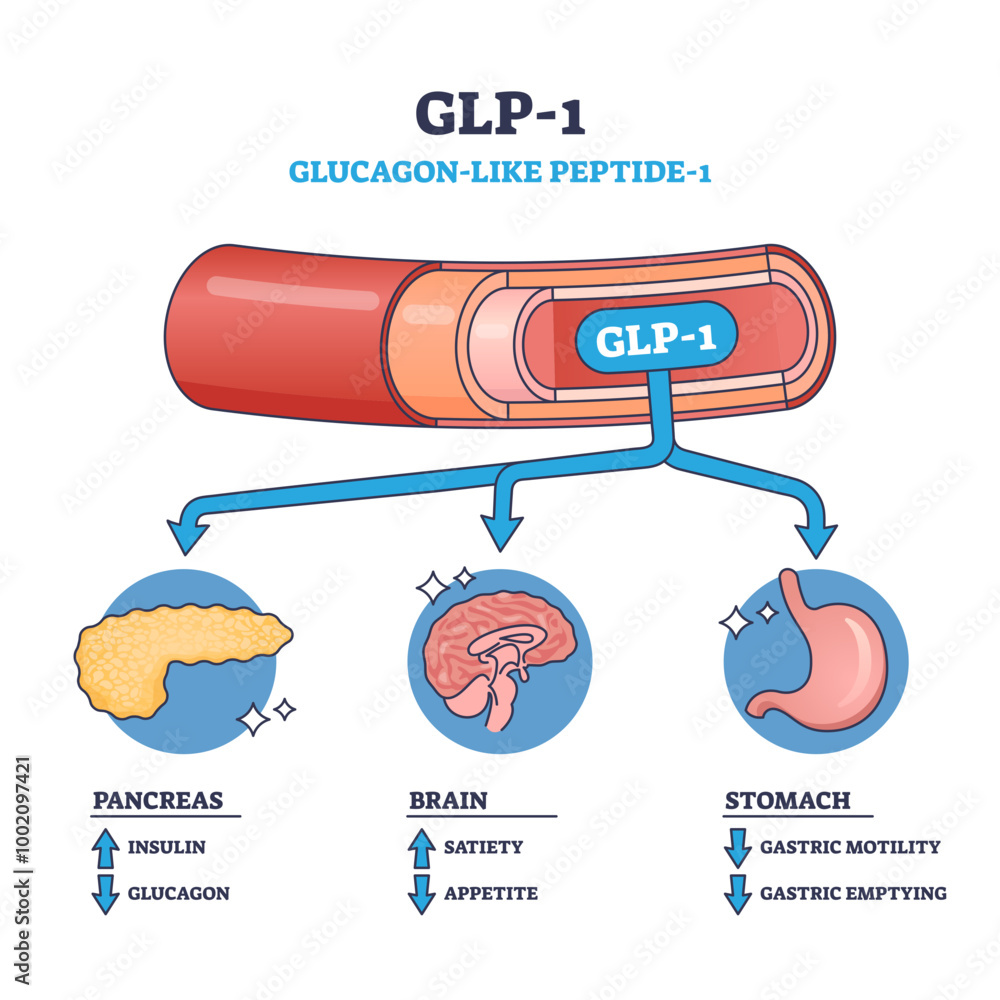
GLP-1 is a hormone produced by the L-cells in the gut, primarily in response to food intake. It plays a vital role in regulating postprandial blood glucose levels, signaling fullness, and promoting insulin release. However, this hormone's production and function are influenced by the gut microbiome, which is a complex ecosystem made up of trillions of microorganisms, including bacteria, viruses, and fungi.How Gut Bacteria Influence GLP-1 Production
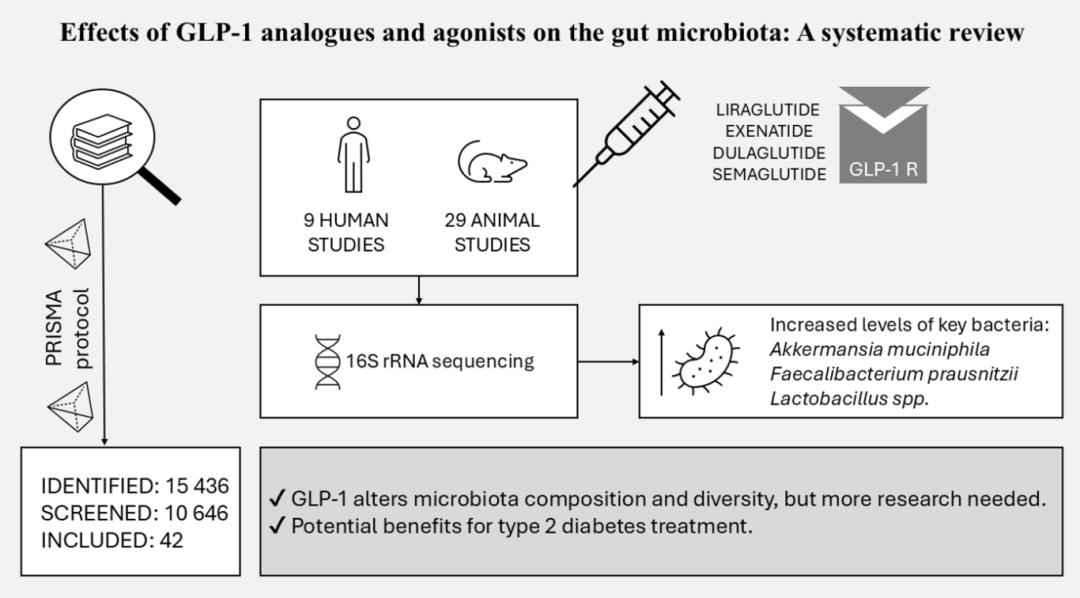
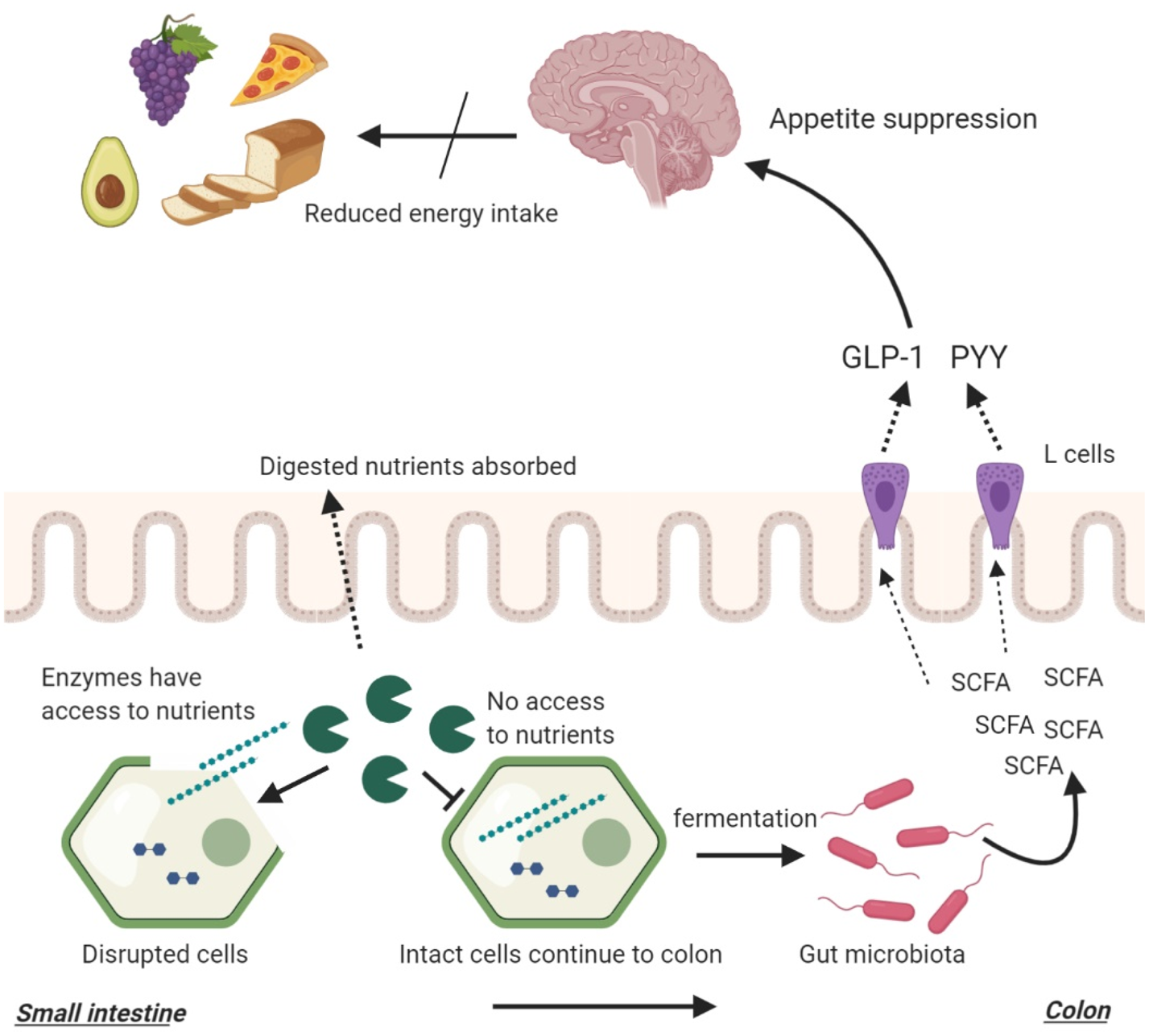
Research has shown that the gut microbiome exerts a profound influence on GLP-1 production, integrating diverse microbial-derived signals that modulate incretin dynamics and metabolic homeostasis. The gut microbiome influences GLP-1 production through several mechanisms, including:- Microbial metabolite production: Gut bacteria produce various metabolites that stimulate the production of GLP-1 by L-cells.
- Bile acid biotransformation: The gut microbiome influences the transformation of bile acids, which is essential for GLP-1 production and function.
- Nuclear receptor signaling: Gut bacteria regulate the activity of nuclear receptors, which play a critical role in GLP-1 production and signaling.
The Impact of GLP-1 on Gut Health
GLP-1 has a profound impact on gut health, influencing inflammation, barrier integrity, and metabolic function. Research has shown that GLP-1 can:- Regulate inflammation: GLP-1 has anti-inflammatory properties, which can help reduce inflammation in the gut.
- Improve barrier function: GLP-1 can enhance the integrity of the gut barrier, preventing the passage of toxins and undigested food particles into the bloodstream.
- Modulate metabolic function: GLP-1 influences glucose and lipid metabolism, promoting a healthy metabolic balance.
Supporting GLP-1 Production through Gut Microbiome Support
In order to support GLP-1 production, it is essential to maintain a healthy gut microbiome. This can be achieved through:- Dietary fiber intake: A diet rich in fiber provides prebiotic fuel for the gut bacteria, promoting the production of short-chain fatty acids (SCFAs) and other beneficial compounds.
- Probiotics: Supplementing with probiotics can help maintain a balanced gut microbiome, supporting GLP-1 production and function.
- Reducing stress: Chronic stress can disrupt the gut microbiome, leading to decreased GLP-1 production. Engaging in stress-reducing activities, such as yoga or meditation, can help mitigate this effect.