GLP-1 and Keto for Metabolic Health: A Comprehensive Guide
The intersection of GLP-1 medications and the ketogenic diet has been gaining attention in recent years, with many individuals seeking to combine these two approaches to achieve optimal metabolic health. In this article, we will delve into the benefits and considerations of using GLP-1 and keto for metabolic health, including the potential risks and benefits of combining these two approaches.
What is GLP-1 and Keto?
GLP-1 (Glucagon-Like Peptide-1) is a hormone that plays a crucial role in regulating blood sugar levels and appetite. GLP-1 receptor agonists, such as semaglutide and tirzepatide, are medications that mimic the effects of GLP-1 to improve insulin sensitivity, reduce hunger, and promote weight loss. The ketogenic diet, on the other hand, is a high-fat, low-carbohydrate eating plan designed to induce a metabolic state called ketosis, in which the body burns fat for energy instead of glucose.
The Benefits of Combining GLP-1 and Keto
Improved insulin sensitivity: Combining GLP-1 medications with the ketogenic diet has been shown to improve insulin sensitivity, reducing the risk of developing type 2 diabetes.
Enhanced weight loss: The combination of GLP-1 medications and the ketogenic diet can lead to more significant weight loss compared to either approach alone.
Increased satiety: GLP-1 medications can help reduce hunger and increase feelings of fullness, making it easier to stick to a low-carb diet.
Improved mental health: GLP-1 medications have been shown to have a positive effect on mental health, reducing symptoms of depression and anxiety.
The Risks of Combining GLP-1 and Keto
Hypoglycemia: Combining GLP-1 medications with the ketogenic diet can increase the risk of hypoglycemia, particularly if the diet is too low in carbohydrates.
Nutrient deficiencies: The ketogenic diet can be low in certain nutrients, such as fiber, vitamins, and minerals, which may be exacerbated by the use of GLP-1 medications.
Increased risk of cardiovascular events: Discontinuing GLP-1 medications after a long period of use can increase the risk of cardiovascular events, including heart attack and stroke.
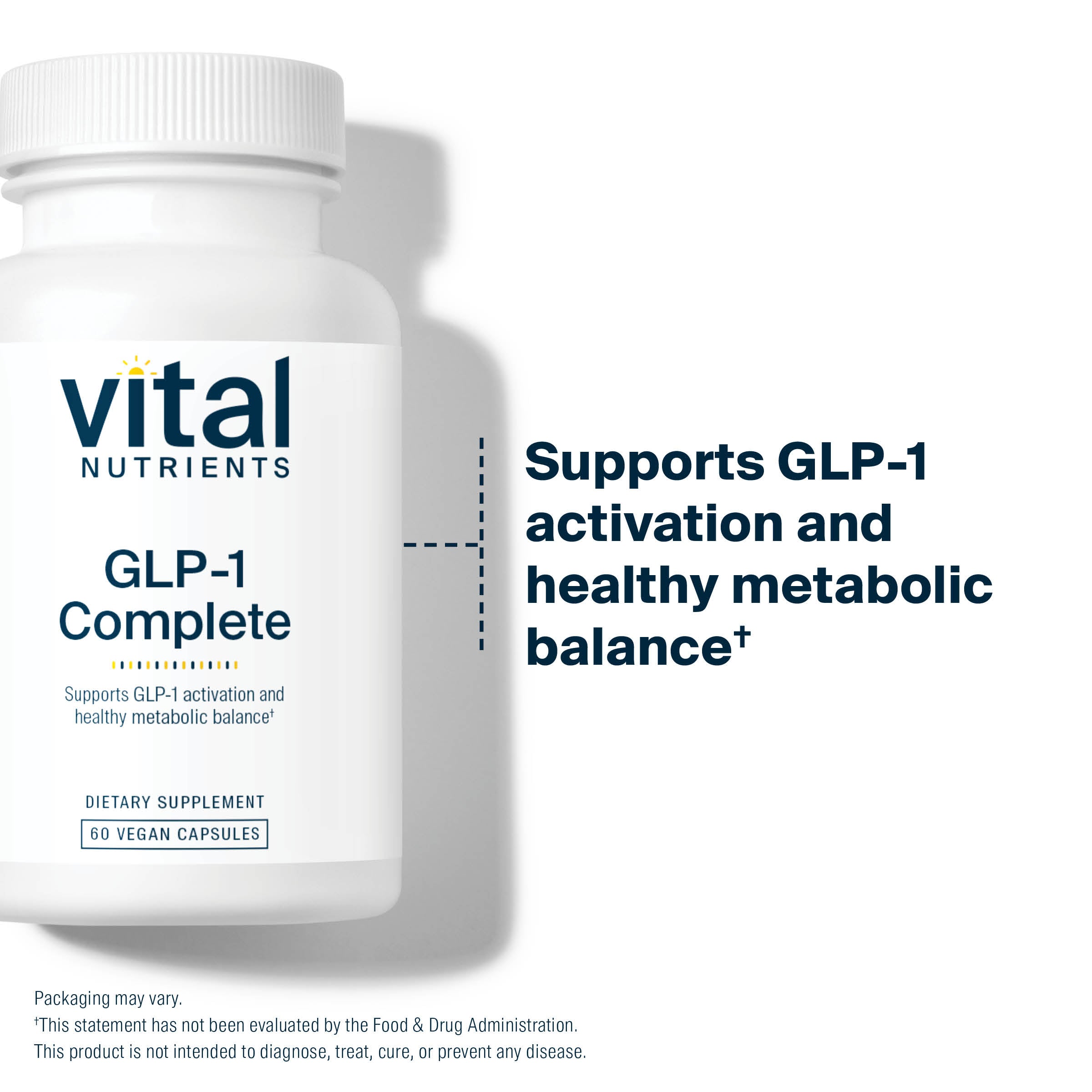
Navigating the Journey of Weight Loss with GLP-1 and Keto
Combining GLP-1 medications with the ketogenic diet requires careful planning and monitoring to avoid potential risks and side effects. It is essential to work with a healthcare provider to determine the best approach for individual needs and to ensure that nutrient deficiencies are addressed.
Supporting Gut Health and Metabolic Health
Fiber-rich foods, such as broccoli, Brussels sprouts, and flax seeds, support gut health, which is crucial for overall metabolic health and may enhance GLP-1 function. These foods work best as part of a low-carb, high-fat diet like keto, which helps the body naturally manage hunger, energy, and blood sugar.
Conclusion
The combination of GLP-1 medications and the ketogenic diet has been shown to improve metabolic health, enhance weight loss, and reduce the risk of developing type 2 diabetes. However, careful planning and monitoring are essential to avoid potential risks and side effects. By working with a healthcare provider and incorporating nutrient-dense foods into the diet, individuals can safely and effectively combine GLP-1 medications with the ketogenic diet to achieve optimal metabolic health.