Discover the Power of Growing Plants in a Hydroponic Kit
Are you ready to take your gardening to the next level? Growing plants in a hydroponic kit has become a popular trend in modern gardening, and for good reason. Hydroponic gardening allows you to grow a wide variety of plants, from fresh herbs to leafy greens, in a nutrient-rich water solution, without the need for soil. In this article, we'll explore the world of hydroponic kits and provide you with the information you need to get started.
What is Hydroponics?
Hydroponics is a method of growing plants without soil, using a nutrient-rich water solution to deliver essential nutrients to the roots of the plant. This innovative method of growing has been around for decades, but has gained significant popularity in recent years due to its numerous benefits. By growing plants in a hydroponic system, you can enjoy faster growth rates, higher yields, and the ability to grow plants in urban areas or areas with poor soil quality.
The Benefits of Growing Plants in a Hydroponic Kit
- Water Conservation: Hydroponic systems use up to 90% less water than traditional soil-based gardening methods.
- Increased Yield: Hydroponics allows plants to grow faster and stronger, resulting in increased yields and higher quality produce.
- Space Efficiency: Hydroponic systems can be designed to grow plants in compact spaces, making them ideal for urban gardens or indoor growing.
- Year-Round Growing: With hydroponics, you can grow plants year-round, regardless of the season or weather conditions.
Components of a Hydroponic Kit
While there are many different types of hydroponic systems available, most kits will include the following components:
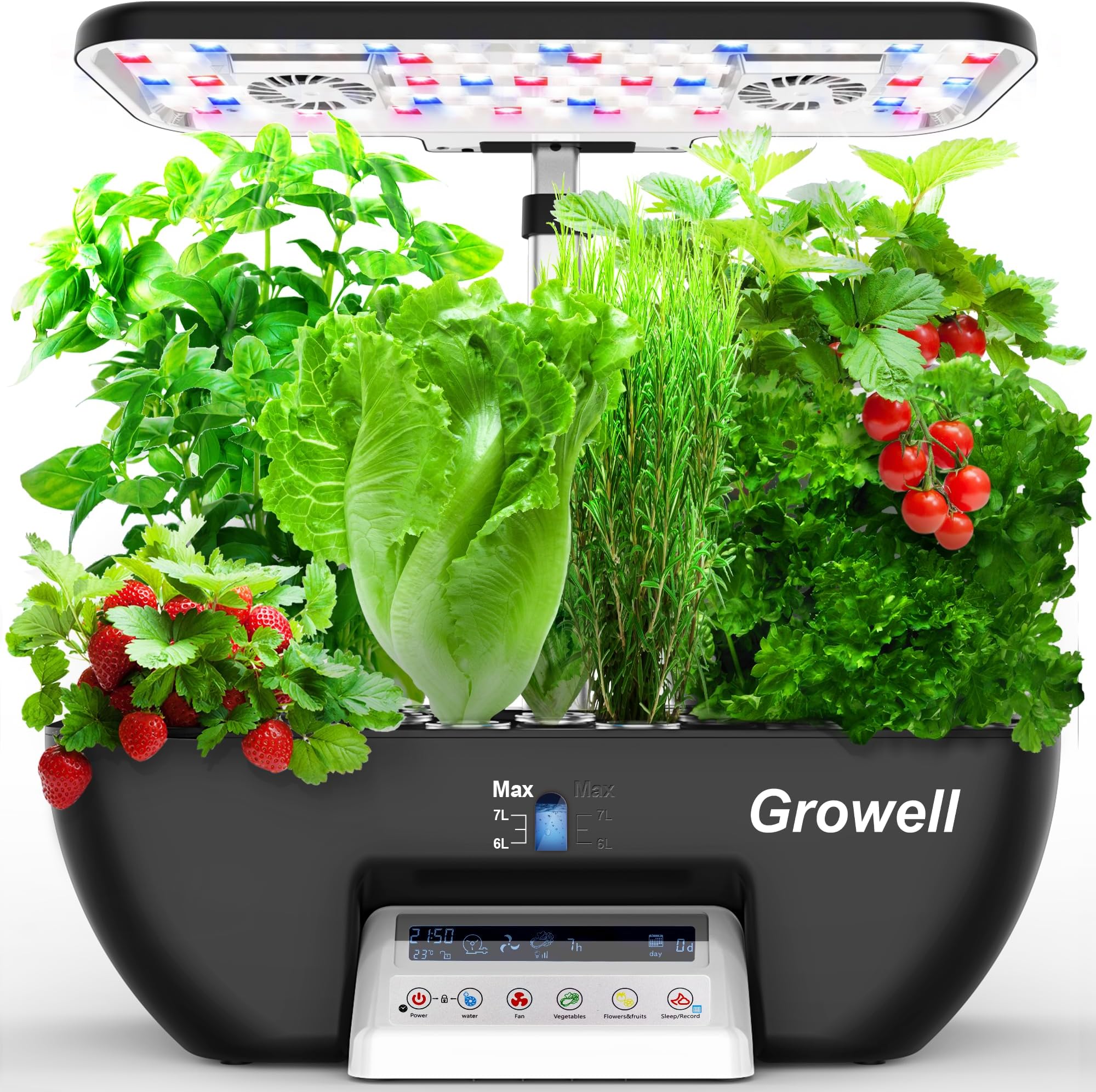
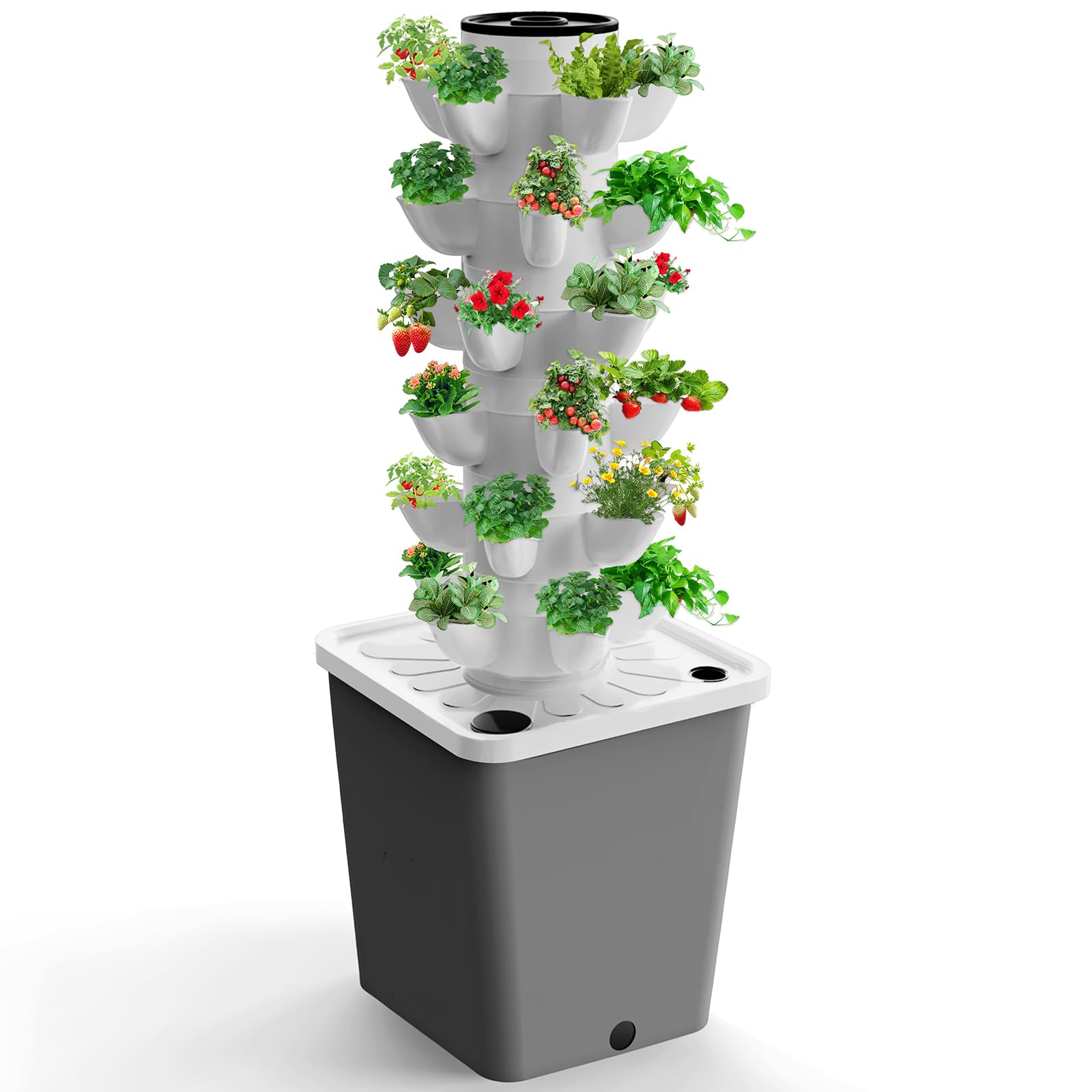
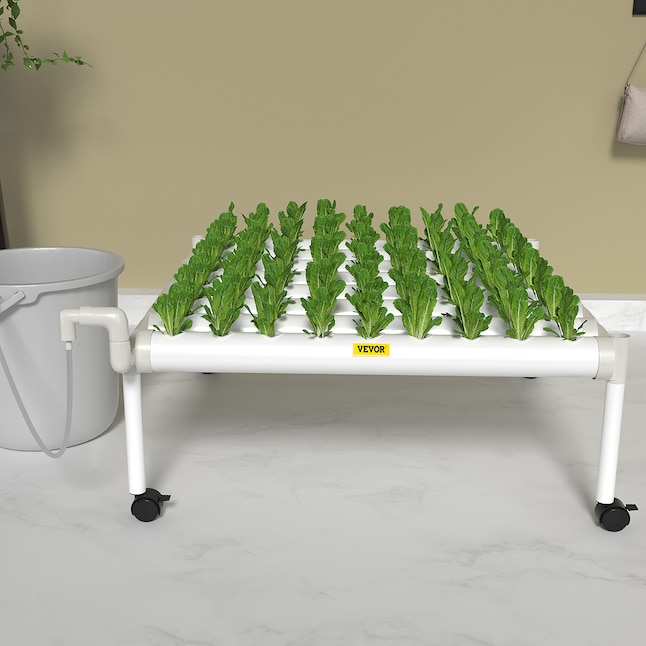
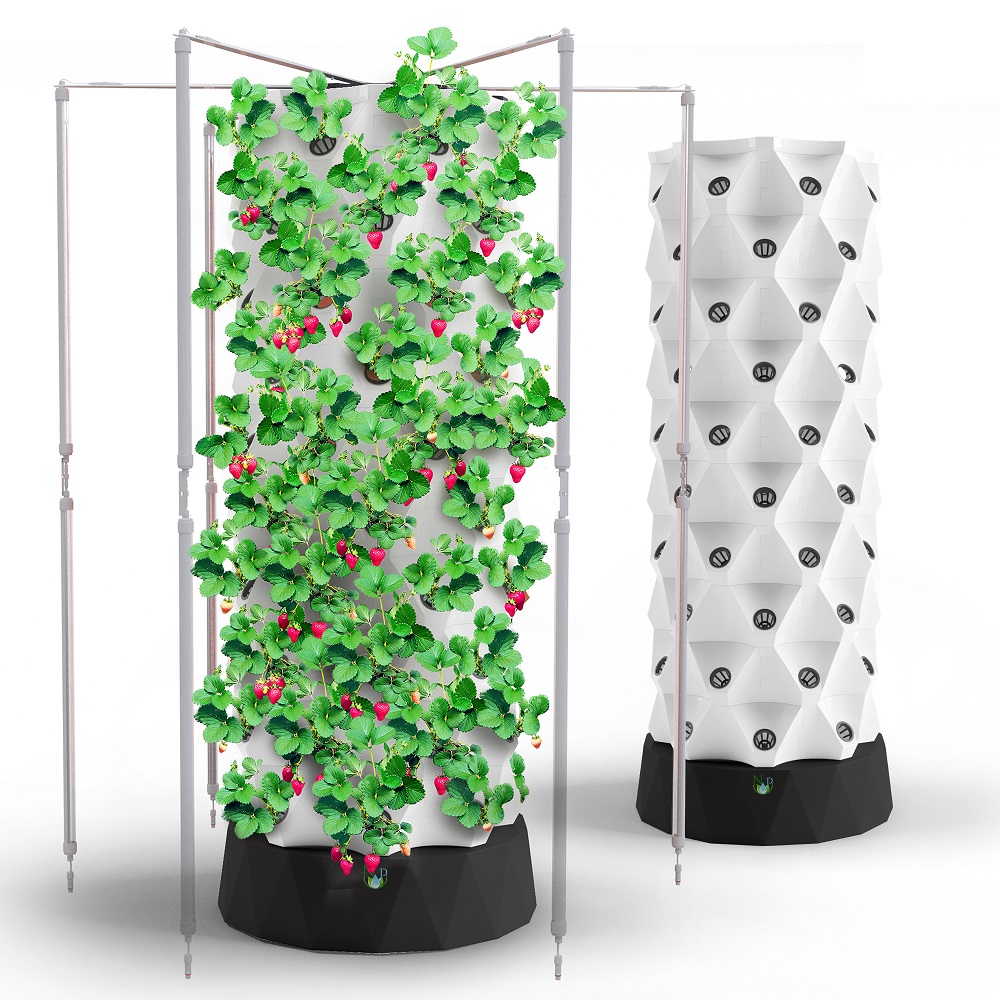
- Grow Trays or Pods: These are the containers where the plants are grown.
- Nutrient Solution: A water-based solution that provides essential nutrients to the plants.
- Water Pump or Circulation System: This is used to circulate the nutrient solution to the plants.
- Growing Medium: This can include rockwool, coco coir, or other materials that provide support and oxygen for the roots.
- LED Grow Lights: These are used to provide the necessary light for plant growth.
Choosing the Right Hydroponic Kit
With so many hydroponic kits available on the market, choosing the right one can be overwhelming. Here are some key factors to consider:

- Space: Consider the size and space available for your hydroponic system.
- Crop Type: Different hydroponic systems are suitable for different types of crops. For example, leafy greens require less water and nutrients than fruiting plants.
- Automation: Some hydroponic systems come with automated features, such as timers and sensors, that can help to reduce the time and effort required for maintenance.
- Budget: Hydroponic systems can range from affordable to very expensive, depending on the features and size.
Getting Started with Your Hydroponic Kit
Setting up your hydroponic kit is relatively straightforward. Here's a step-by-step guide to get you started:
- Assemble the kit according to the manufacturer's instructions.
- Sow your seeds in the grow trays or pods.
- Pour the nutrient solution into the water tank.
- Turn on the pump and adjust the flow rate as needed.
- Monitor the pH and nutrient levels, and adjust as necessary.
Conclusion
Growing plants in a hydroponic kit is a simple and rewarding way to produce fresh produce in the comfort of your own home. With its numerous benefits, including water conservation, increased yield, and space efficiency, it's no wonder why hydroponic gardening has become a popular trend in recent years. By following the guidelines outlined in this article, you'll be well on your way to growing a thriving hydroponic garden and enjoying the many benefits that come with it.
Recommended Hydroponic Kits
Here are some recommended hydroponic kits for beginners and experienced gardeners:
1. ALM Galaxy 40-Green
includes 40 grow sponges, 40 baskets, 40 domes, 40 labels, A&B liquid plant food, and a tweezers.