GLP-1 and Meal Planning for Improved Calorie Management
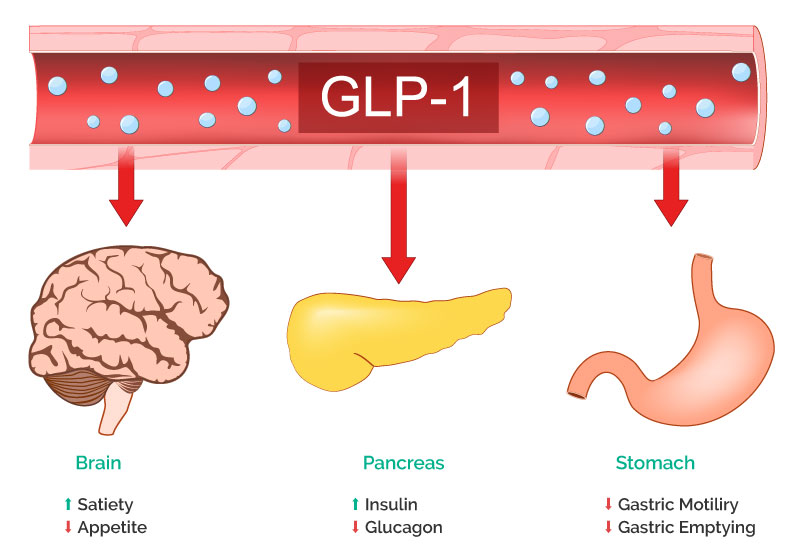
GLP-1 receptor agonists, such as semaglutide (Ozempic, Wegovy), liraglutide (Saxenda), and tirzepatide (Mounjaro), have revolutionized the treatment of obesity and type 2 diabetes. These medications work by mimicking the action of glucagon-like peptide-1 (GLP-1), a hormone that regulates blood sugar levels and appetite.
Key to Success: Strategic Meal Planning
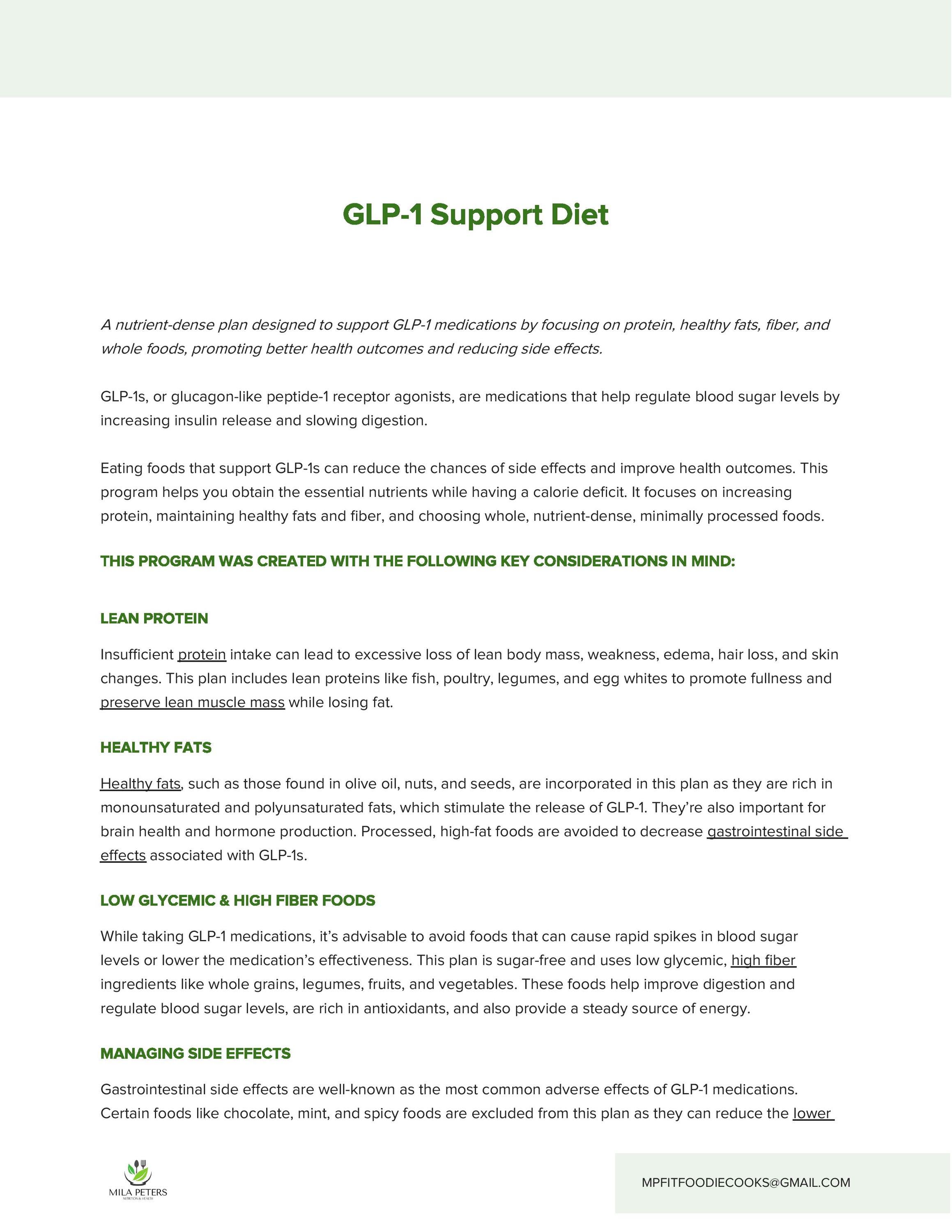
While GLP-1 medications can help regulate appetite and promote weight loss, a well-planned diet is essential for achieving optimal results and minimizing side effects. A balanced diet that includes nutrient-dense foods, high in protein, fiber, and healthy fats, can help to:
- Support weight loss and maintenance
- Reduce appetite and hunger
- Improve blood sugar control
- Minimize side effects such as nausea, constipation, and muscle loss
Understanding Your Goals
When planning your meals, it's essential to understand your individual needs and goals. Consult with your healthcare provider or a registered dietitian to develop a personalized meal plan that takes into account your nutritional requirements, lifestyle, and health goals.
What to Eat on GLP-1 Medications
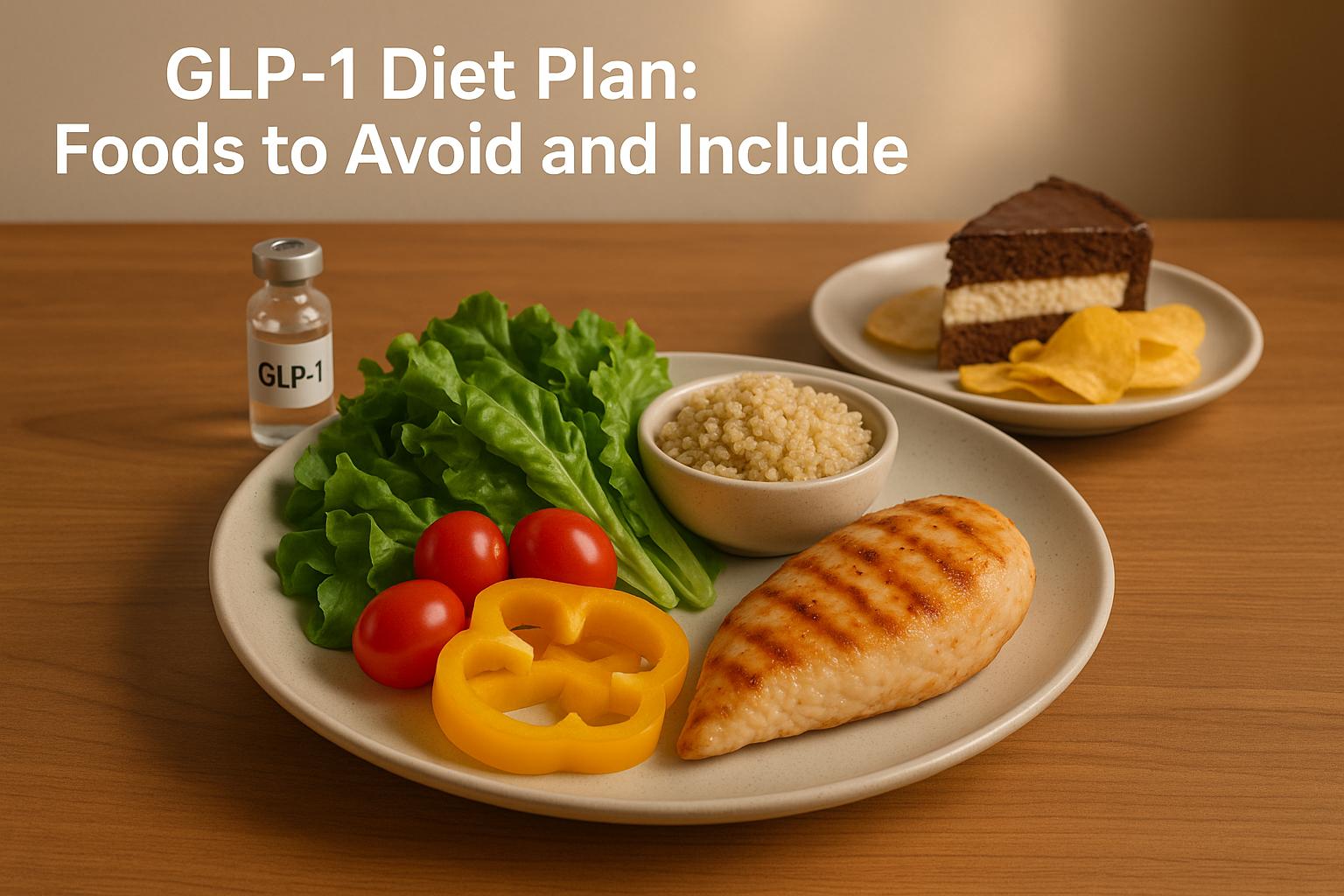
While on GLP-1 medications, it's essential to focus on eating nutrient-dense foods that include:
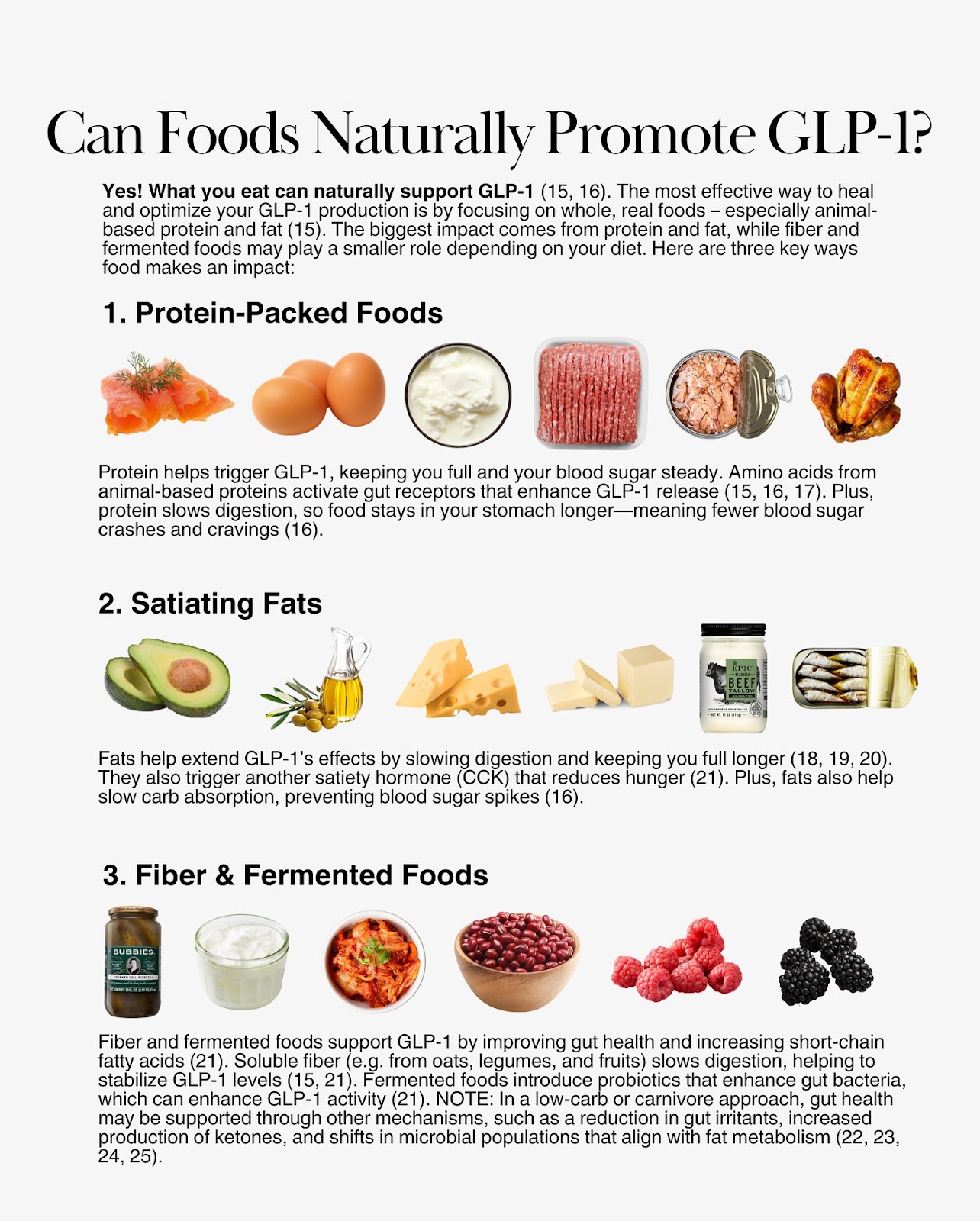
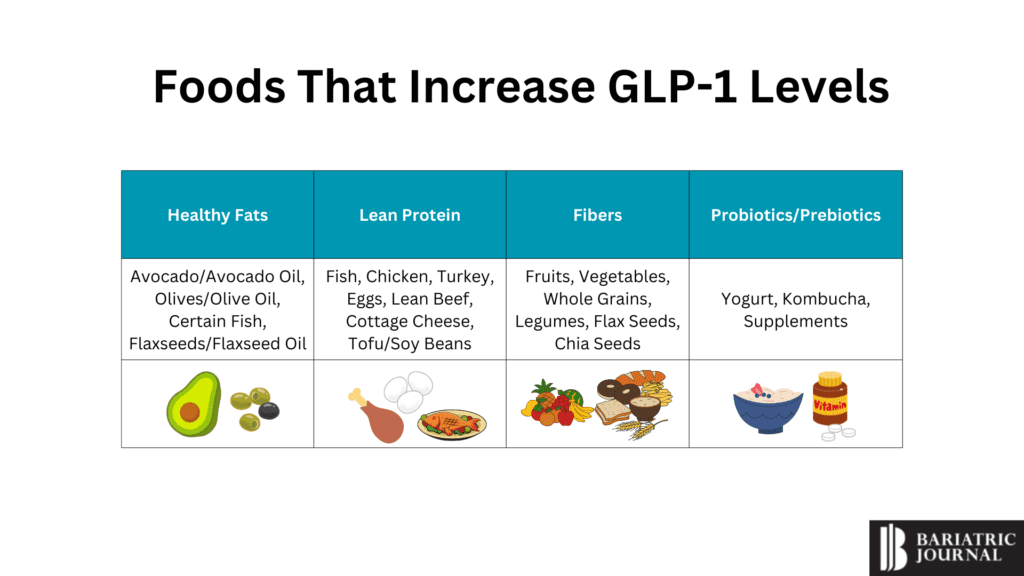
- High-protein foods such as lean meats, fish, eggs, tofu, and legumes
- Foods rich in fiber such as fruits, vegetables, and whole grains
- Healthy fats such as nuts, seeds, avocados, and olive oil
Sample Meal Plan
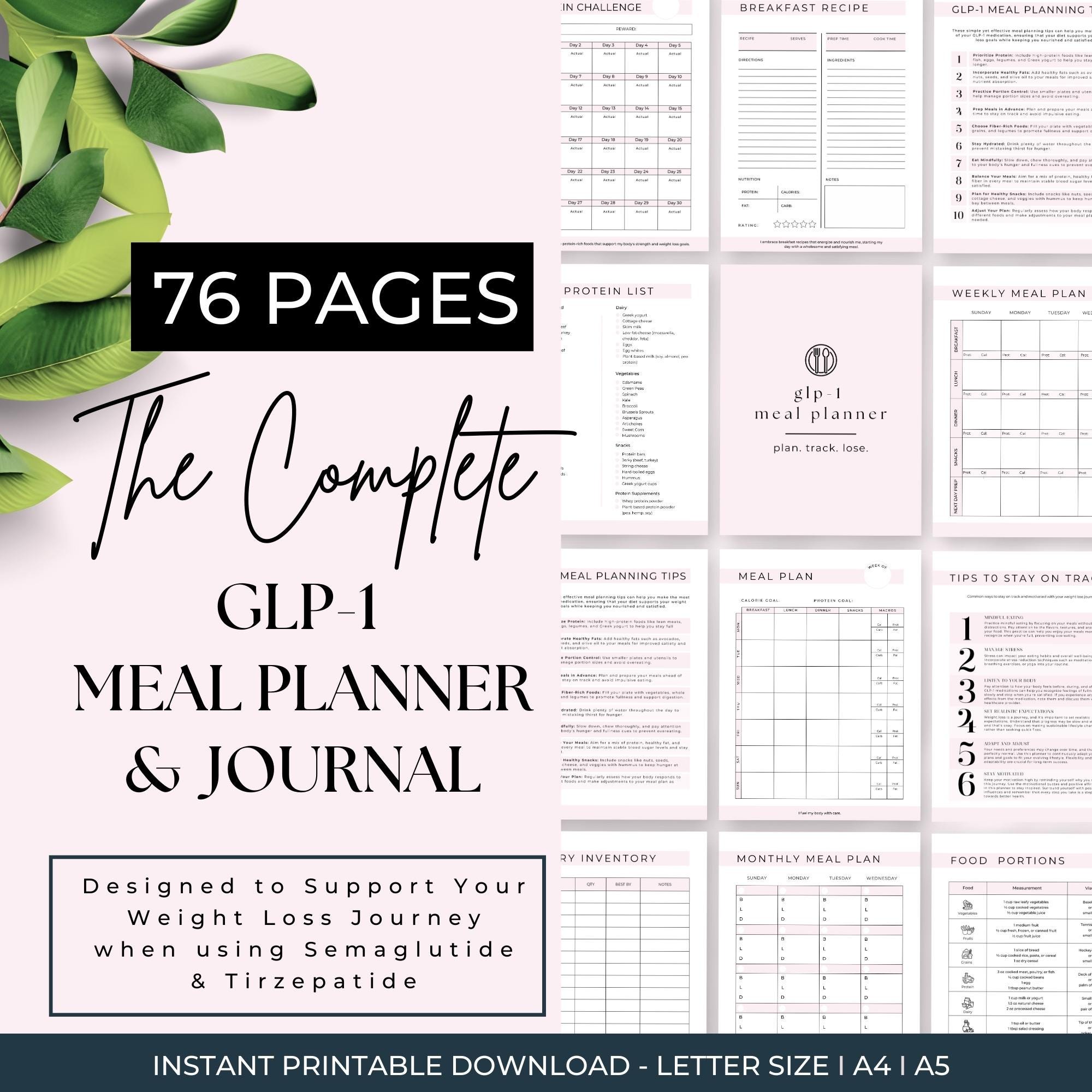
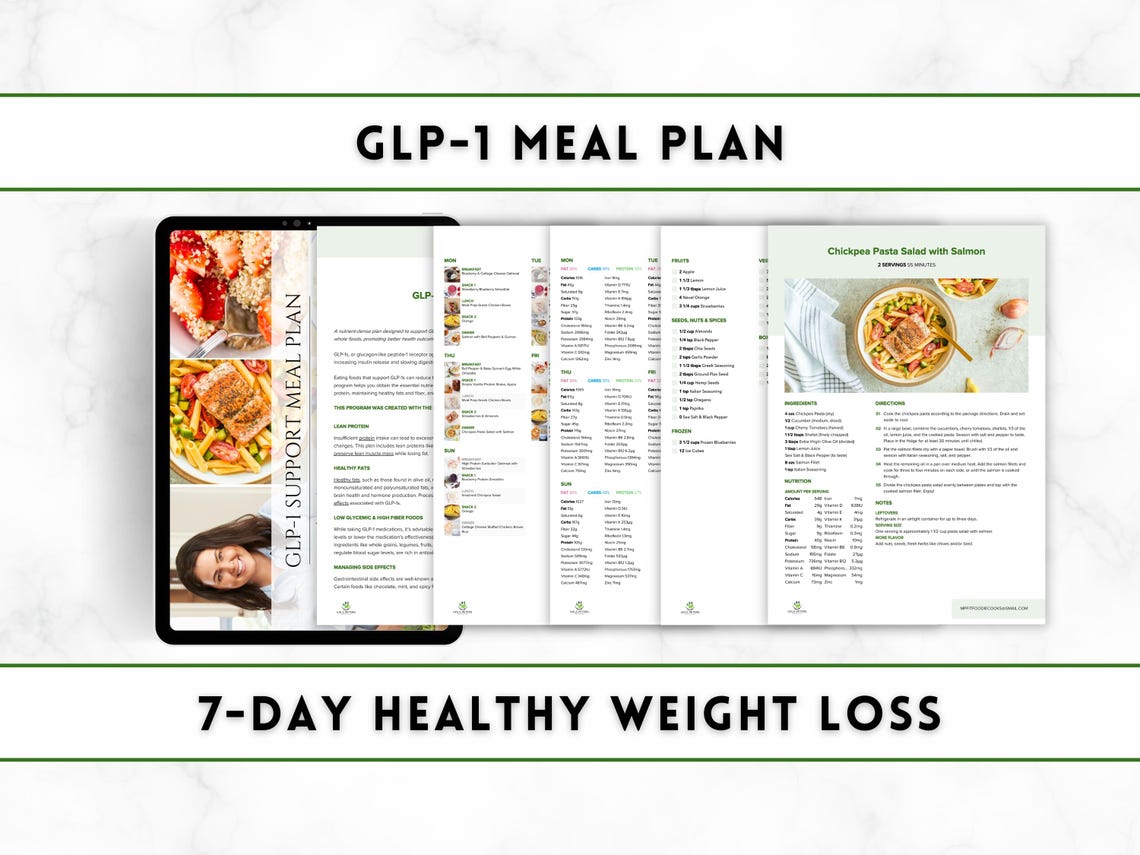
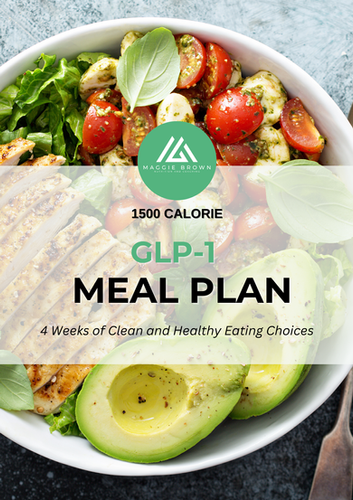
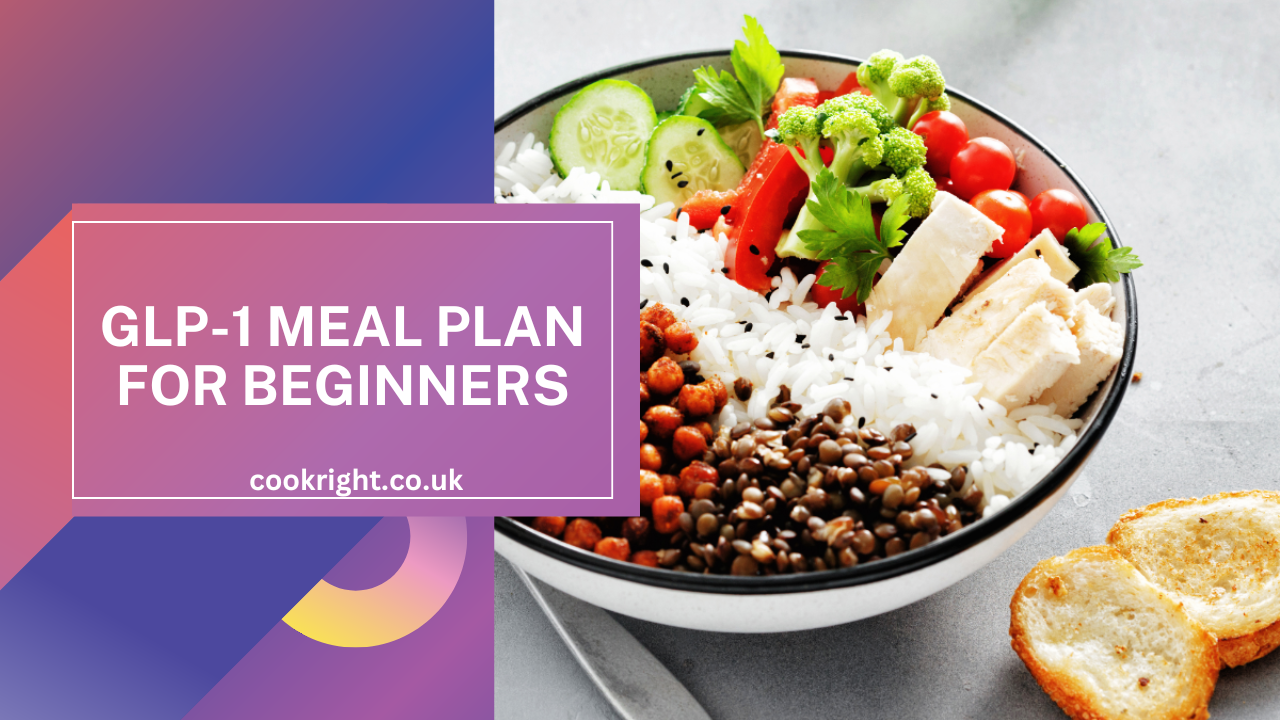
Here's an example of what a meal plan for a person taking GLP-1 medications might look like:
- Breakfast: Overnight oats with almond milk, chia seeds, and berries (300 calories, 25g protein, 10g fiber)
- Lunch: Grilled chicken breast with quinoa, roasted vegetables, and a side salad (400 calories, 35g protein, 5g fiber)
- Snack: Apple slices with almond butter (150 calories, 4g protein, 4g fiber)
- Dinner: Baked salmon with sweet potato, green beans, and a side salad (500 calories, 35g protein, 5g fiber)
Common Mistakes to Avoid
When planning your meals on GLP-1 medications, avoid making the following mistakes:
- Restricting calories too severely, leading to nutrient deficiencies
- Not prioritizing protein and fiber intake, leading to decreased satiety and increased hunger
- Consuming high-sugar and high-sodium foods, which can exacerbate side effects and undermine weight loss efforts
Strategies for Success
To maximize the effectiveness of GLP-1 medications and minimize side effects, incorporate the following strategies into your meal planning:
- Eat regular, balanced meals to support weight loss and maintain satiety
- Incorporate high-fiber foods to promote digestive health and reduce constipation
- Choose lean protein sources to support muscle mass and overall health
- Stay hydrated by drinking plenty of water throughout the day
Conclusion
GLP-1 medications offer a powerful tool for managing obesity and type 2 diabetes, but a well-planned diet is essential for achieving optimal results. By understanding your individual needs, focusing on nutrient-dense foods, and incorporating strategies for success, you can maximize the effectiveness of GLP-1 medications and achieve your health goals.