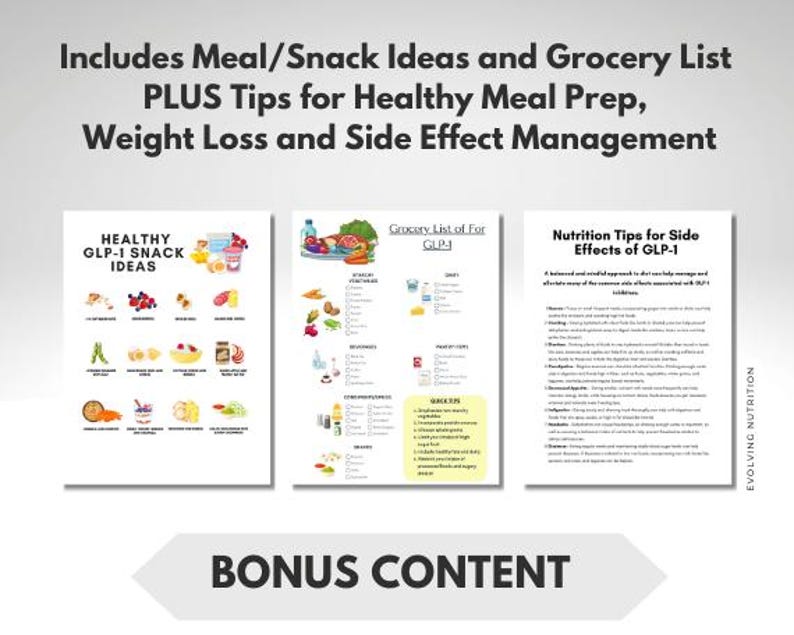
GLP-1 and Meal Planning for Mental Health: A Holistic Approach to Wellness
As the name suggests, GLP-1 (Glucagon-like peptide-1) medications have been making waves in the medical community for their ability to help manage type 2 diabetes and obesity. However, a lesser-known aspect of these medications is their potential impact on mental health. Research suggests that GLP-1 agonists may also have a positive effect on mood, emotional well-being, anxiety, and depression.
What is GLP-1 and Meal Planning?
Meal planning for individuals taking GLP-1 medications involves tailoring their diet to complement the effects of the medication. Since GLP-1 agonists slow gastric emptying, food stays in the stomach longer, which requires choosing easily digestible foods. This might seem restrictive, but with a little creativity, you can create a nutrient-dense meal plan that not only supports weight loss but also promotes mental well-being.
The Psychological Effects of GLP-1
GLP-1 medications interact with receptors throughout the brain, affecting brain chemistry and leading to changes in mental health outcomes. Unlike traditional weight loss approaches that rely on willpower, GLP-1 drugs create a biological response that supports appetite control, satiety, and weight loss. In the long term, this can lead to improved mental health and a reduced risk of anxiety and depression.
Key Nutritional Strategies for GLP-1 Meal Planning
- High Protein Intake: Protein-rich foods help to slow gastric emptying, reducing the risk of side effects and supporting weight loss.
- Strategic Low-Carb Intake: Limiting carbohydrate intake can help regulate blood sugar levels and reduce the risk of hypoglycemia.
- High Fiber: Fiber-rich foods promote satiety, support healthy gut bacteria, and aid in weight loss.
- Adequate Hydration: Staying hydrated is essential for overall health and can help alleviate side effects like nausea and fatigue.
Meal Planning Templates and Systems
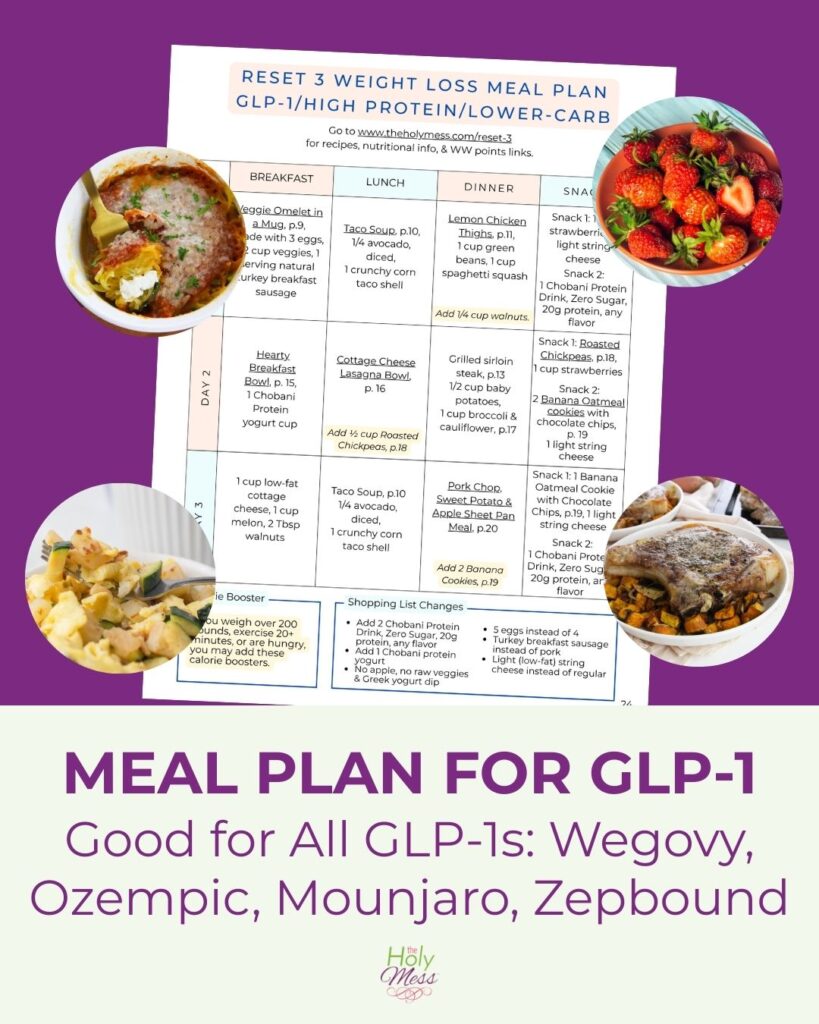
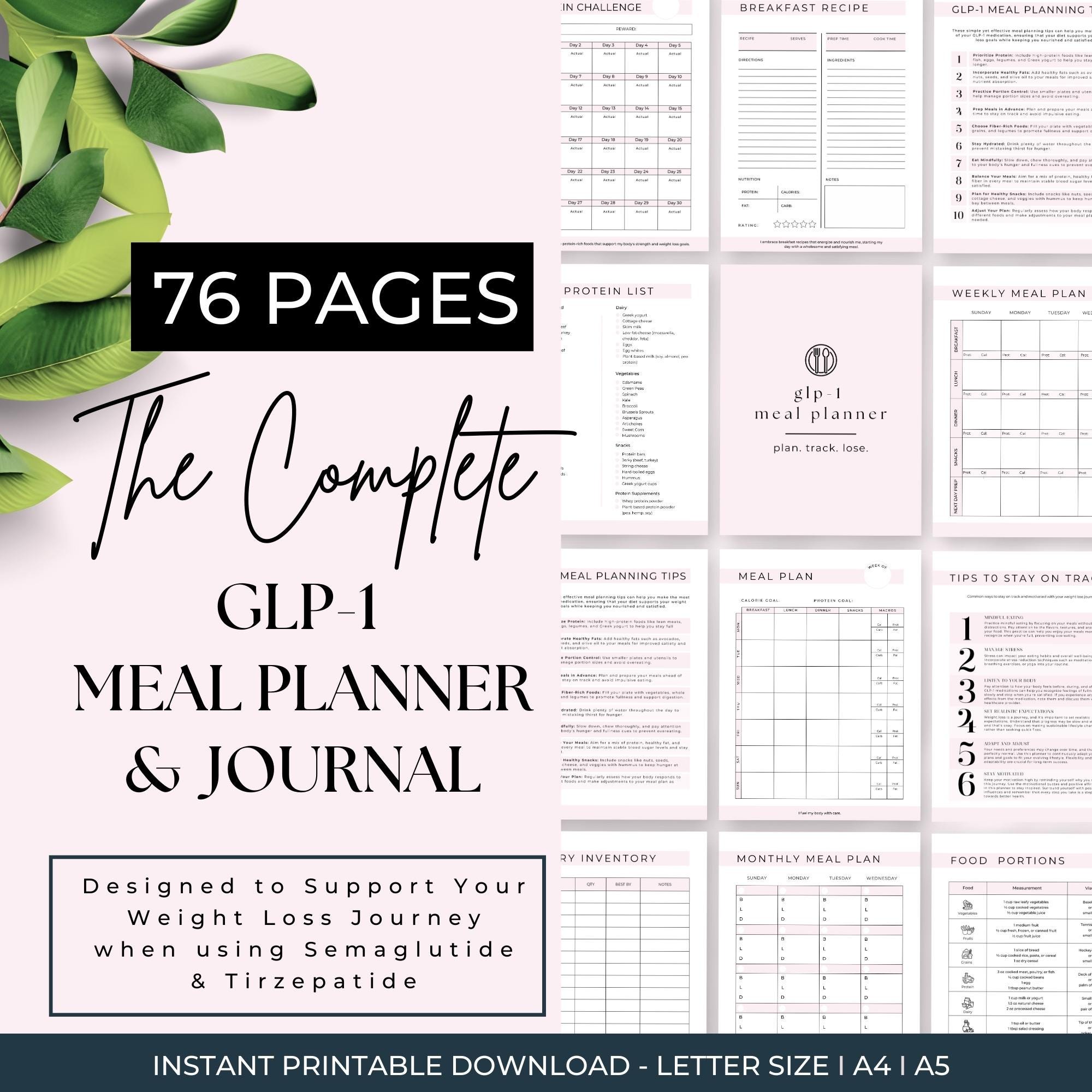
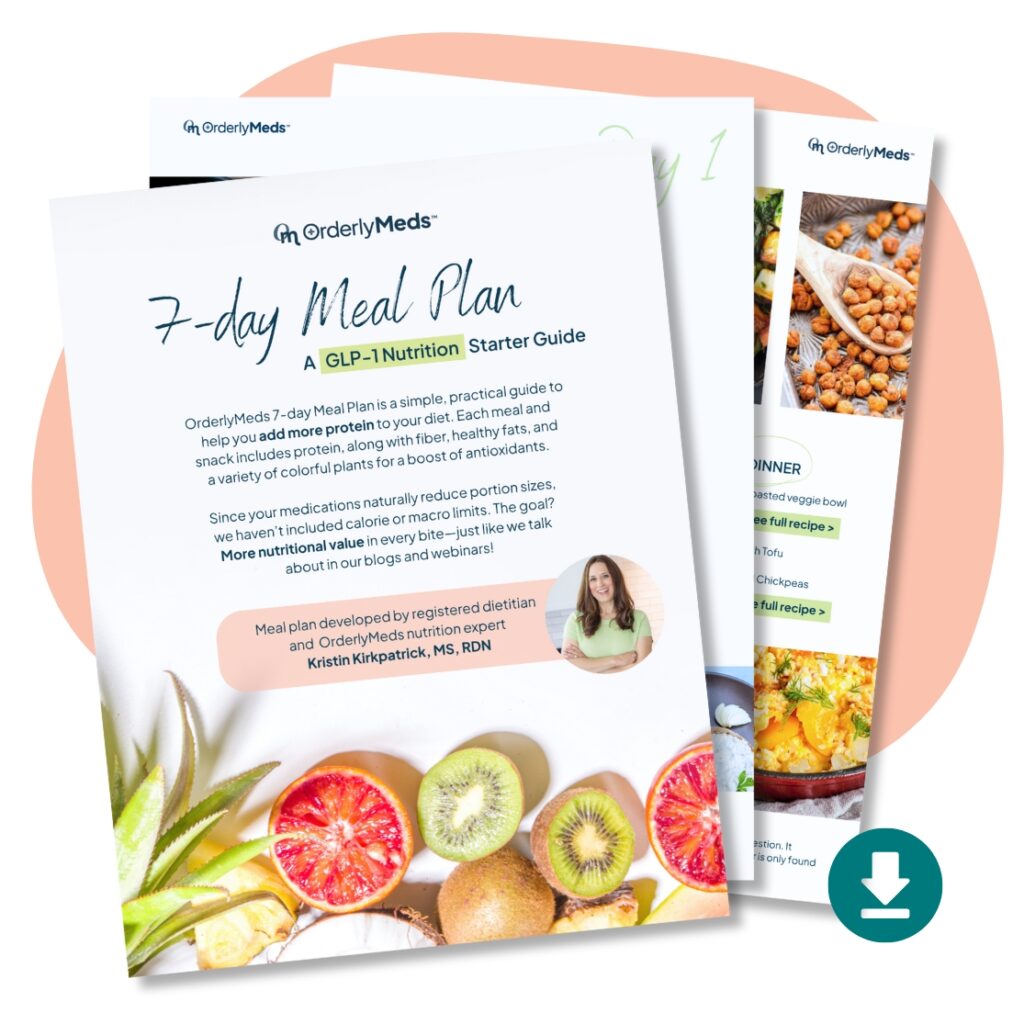
For individuals struggling to plan and manage their meals, printable meal planning templates can be a lifesaver. Designed specifically for those taking GLP-1 medications, these templates provide a structured approach to meal planning, portion control, and progress tracking. From simple weekly checklists to multi-week calorie and protein targets, these tools help individuals stay on track and achieve their health goals.
Benefits of Meal Planning for Mental Health
- Improved Body Image: By focusing on healthy eating habits and developing a positive relationship with food, individuals can build self-esteem and confidence.
- Enhanced Mood: A balanced diet rich in nutrients can help regulate mood, reduce anxiety, and alleviate symptoms of depression.
- Increased Self-Efficacy: By taking control of their diet and tracking progress, individuals can feel more empowered and confident in their ability to manage their mental health.
Expert Tips and Resources
For individuals considering GLP-1 therapy, consulting a registered dietitian or a healthcare professional can provide valuable guidance on meal planning and nutrient-dense eating. Some valuable resources include:
- Online weight loss programs that combine medication with coaching and support
- Specialized dietitians and healthcare providers experienced in GLP-1 therapy
- Printable meal planning templates and resources from reputable health organizations
- Telehealth platforms offering mental health support and specialist care
Conclusion
GLP-1 meal planning is not just about food; it's about creating a holistic approach to wellness that addresses physical and mental health. By incorporating a balanced diet, meal planning templates, and expert guidance, individuals taking GLP-1 medications can experience the full benefits of this innovative therapy. Whether you're looking to improve your mental health, manage side effects, or simply achieve your weight loss goals, GLP-1 meal planning can be a valuable tool in your journey towards wellness.