GLP-1 Medication and Weight Loss Benefits: A Comprehensive Review
Glucagon-like peptide-1 receptor agonists (GLP-1RAs) have emerged as a critical treatment option for managing type 2 diabetes and promoting weight loss. These medications have been shown to have numerous benefits beyond their primary use, including improved cardiovascular health, reduced blood pressure, and enhanced lipid profiles.
What are GLP-1 Medications and How Do They Work?
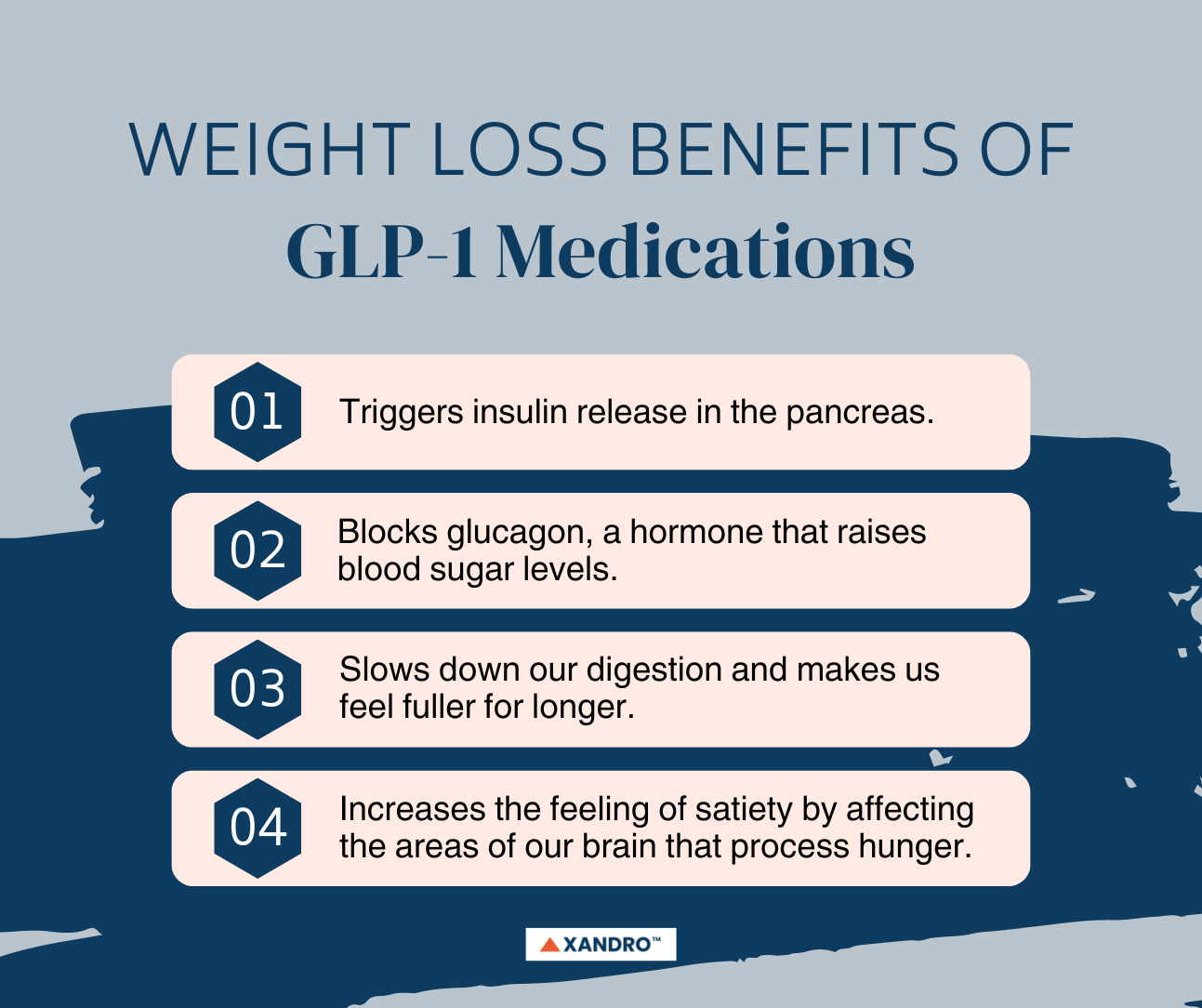
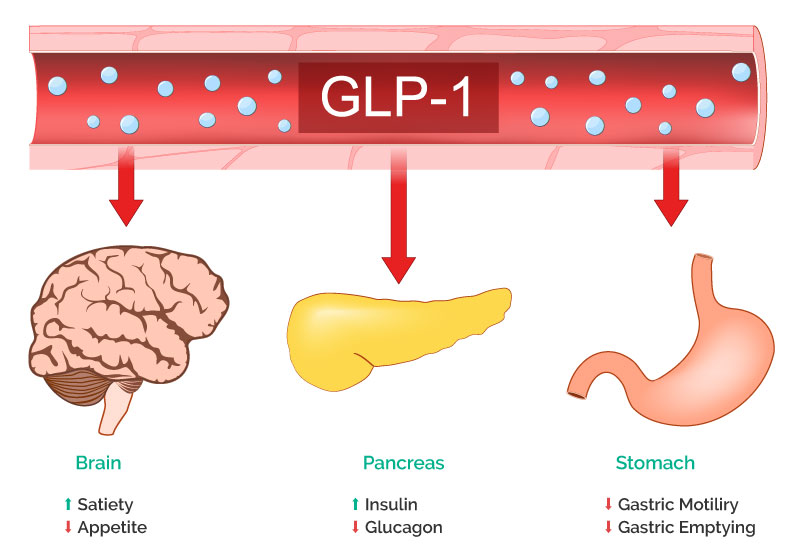
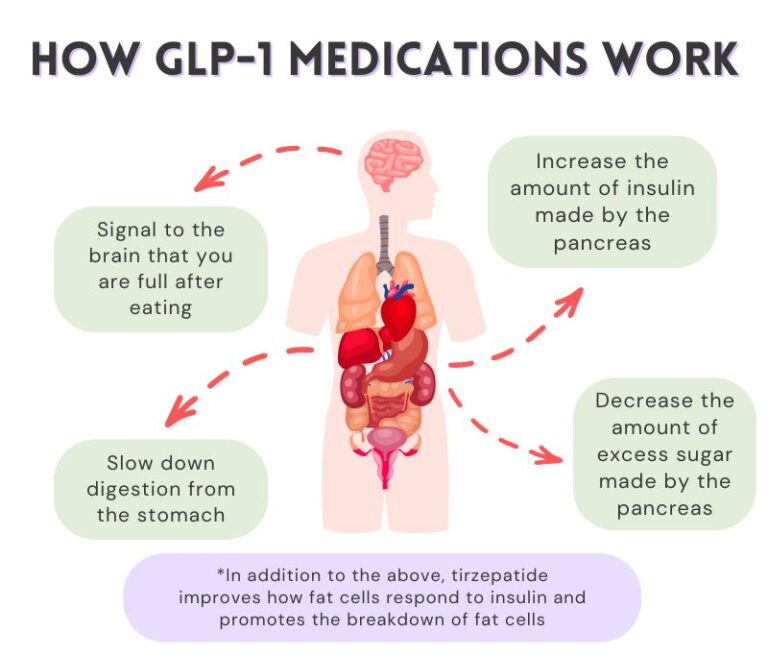
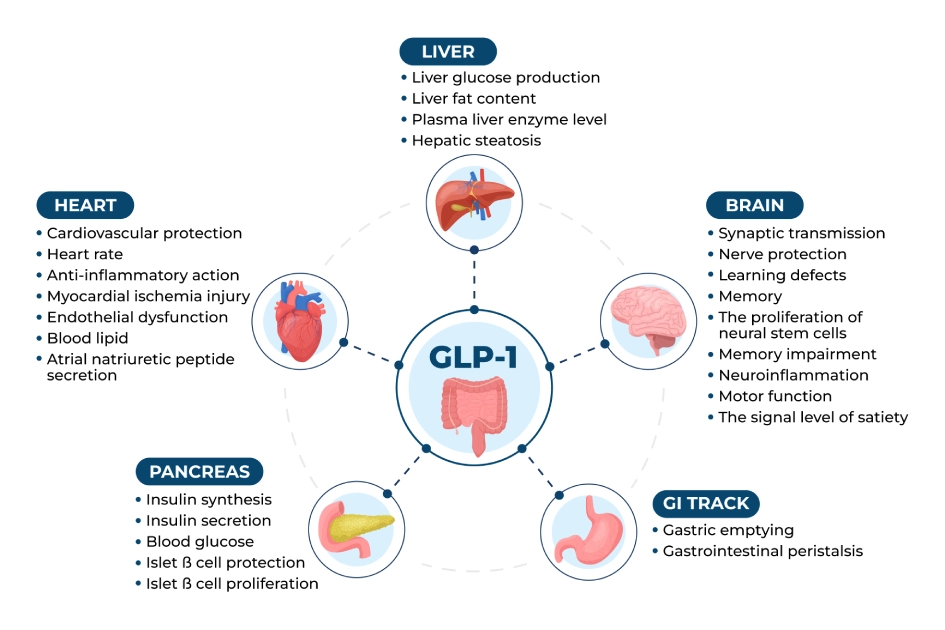
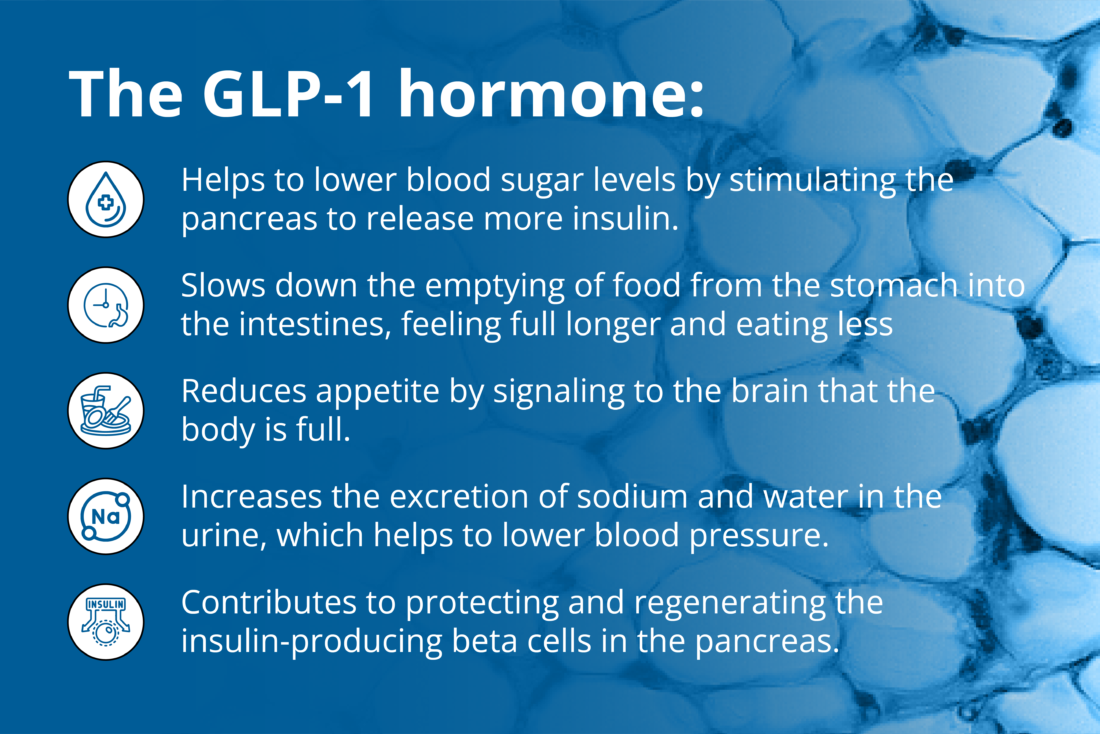
GLP-1RAs mimic the action of the natural hormone glucagon-like peptide-1 (GLP-1), which helps regulate appetite, glucose metabolism, and weight management. By targeting GLP-1 receptors, these medications increase insulin production, decrease glucagon levels, and slow gastric emptying, leading to a reduction in hunger and improved glucose control.
GLP-1 Medication and Weight Loss Benefits
The benefits of GLP-1RAs in terms of weight loss are numerous. These medications have been shown to lead to significant and sustained weight loss in patients with obesity, even when combined with diet and exercise. According to a recent study, patients taking GLP-1RAs experienced an average weight loss of 10-15% over a period of 12-24 months.
Furthermore, GLP-1RAs have been found to have significant cardiovascular benefits, including:
- Reduced risk of heart attack and stroke
- Lower blood pressure levels
- Improved lipid profiles
Additionally, GLP-1RAs have been linked to improved mental health benefits, including reduced symptoms of depression and anxiety.
GLP-1 Medication Side Effects and Considerations
While GLP-1RAs have been shown to be effective in promoting weight loss and improving cardiovascular health, they are not without potential side effects. Common side effects of GLP-1RAs include:
- Nausea and vomiting
- Diarrhea and constipation
- Abdominal pain
- Injection site reactions
It is essential to discuss the potential side effects and long-term use of GLP-1RAs with a healthcare provider to determine the best course of treatment.
Long-Term Use of GLP-1 Medications
Recent research has raised concerns about the long-term use of GLP-1RAs, suggesting that cardiovascular benefits may decline once treatment is discontinued. A large observational study found that patients who stopped or interrupted treatment with GLP-1RAs experienced a significant increase in risk for major cardiovascular events.
This highlights the importance of carefully weighing the benefits and risks of long-term GLP-1RA use, particularly in patients with a high risk of heart disease.
Conclusion
GLP-1 medications have emerged as a critical treatment option for managing type 2 diabetes and promoting weight loss. With their multiple benefits, including improved cardiovascular health, reduced blood pressure, and enhanced lipid profiles, GLP-1RAs offer a valuable tool for patients struggling with obesity and related comorbidities. However, careful consideration of potential side effects and long-term use is essential to ensure safe and effective treatment.
References
The following references were used in this article:
1. ClinicalTrials.gov
2. National Center for Biotechnology Information
3. Healthline