GLP-1 Receptor Agonist Treatment for Insulin Resistance: A Breakthrough in Managing the Condition
Insulin resistance is a common condition that affects millions of people worldwide, leading to type 2 diabetes and other metabolic disorders. The conventional treatment options for insulin resistance have been limited, but recent research has shed light on the potential of GLP-1 receptor agonist treatment for managing this condition.
How Does GLP-1 Receptor Agonist Treatment Work?
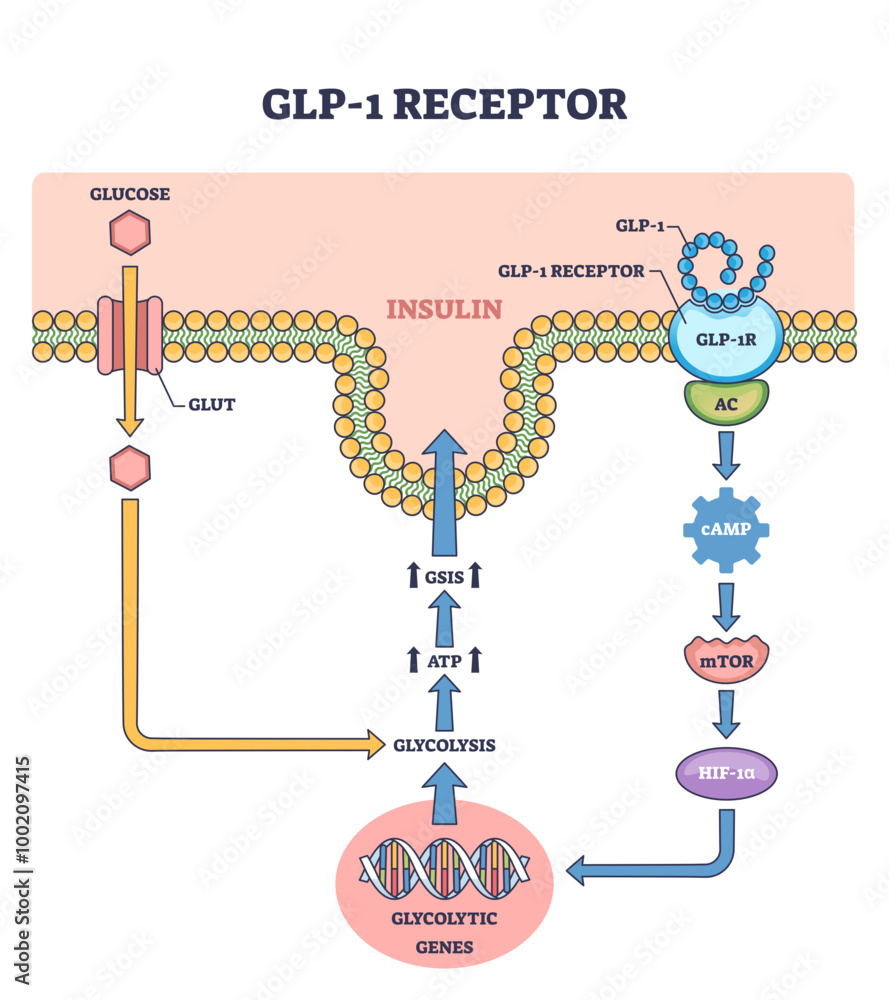
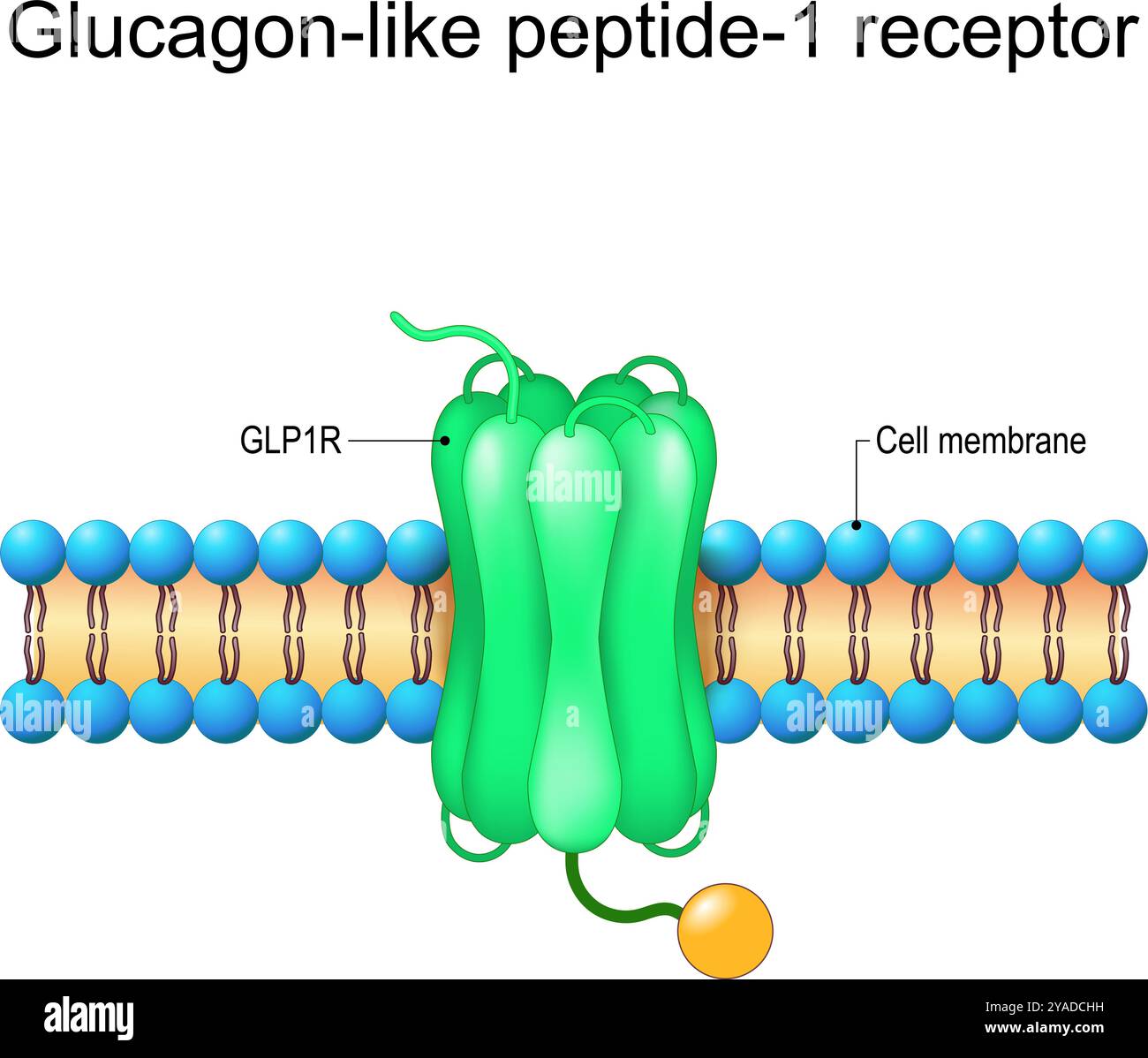
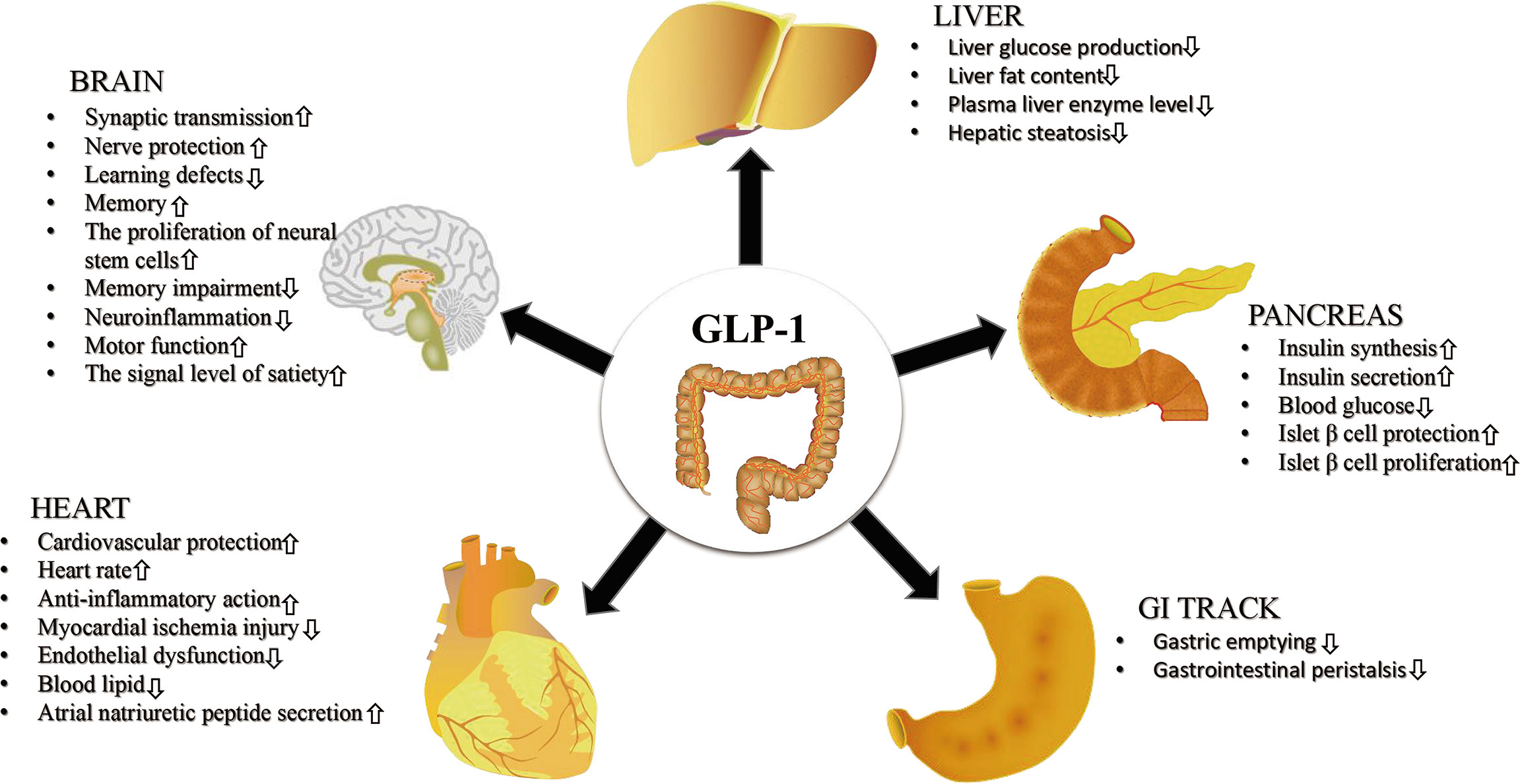
GLP-1 receptor agonists are medications that mimic the action of the naturally occurring hormone GLP-1, which regulates blood sugar levels, appetite, and digestion. These medications have shown significant promise in improving insulin sensitivity, reducing inflammation, and regulating lipid metabolism. By activating the GLP-1 receptors, these medications stimulate the pancreas to release insulin and suppress the release of glucagon, a hormone that raises blood sugar levels.
Benefits of GLP-1 Receptor Agonist Treatment for Insulin Resistance
- Improve insulin sensitivity: GLP-1 receptor agonists have been shown to improve insulin sensitivity, allowing glucose to enter the cells more efficiently.
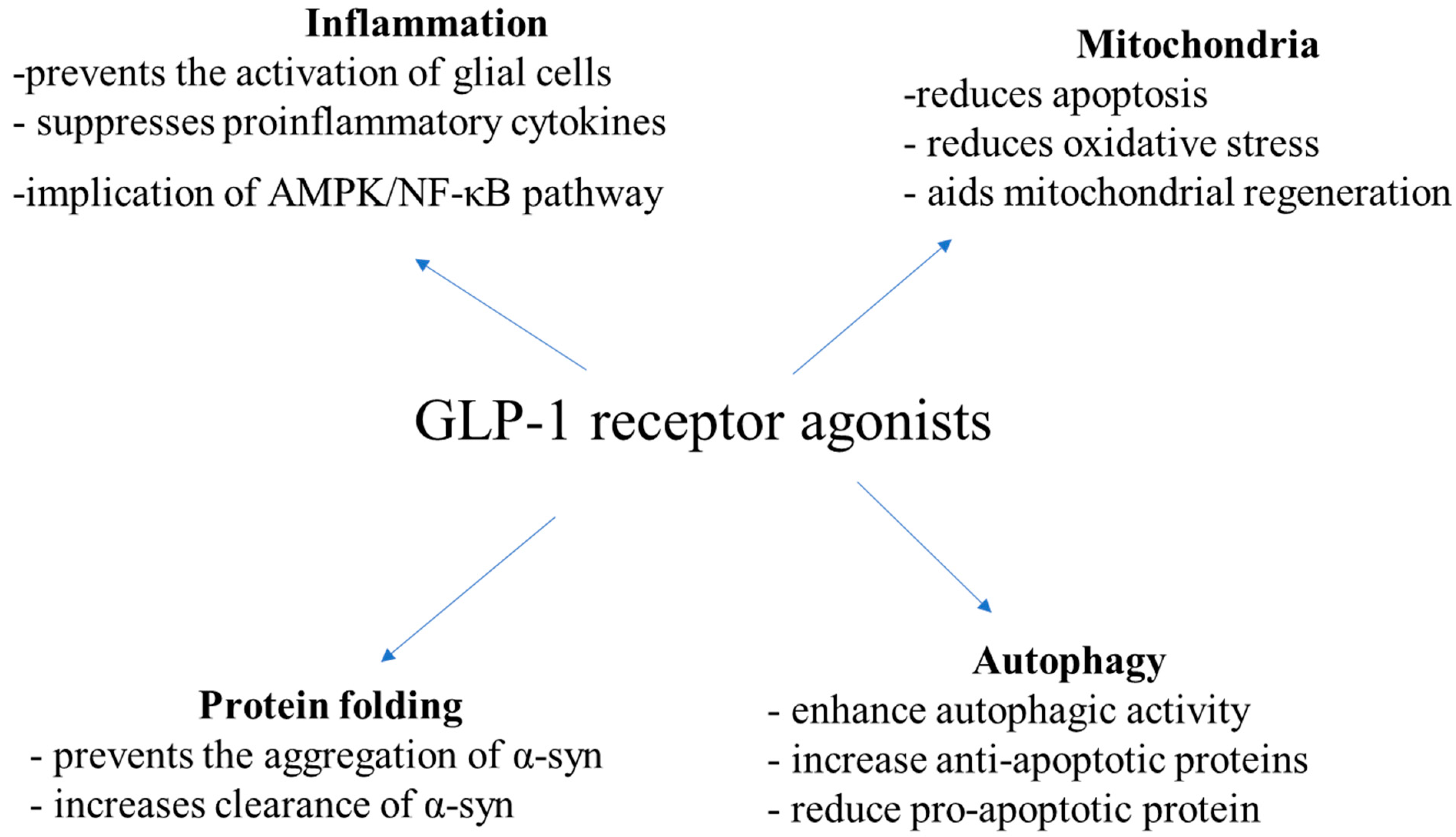
- Reduce inflammation: Chronic inflammation is a key contributor to insulin resistance, and GLP-1 receptor agonists have anti-inflammatory properties that help alleviate this condition.
- Regulate lipid metabolism: GLP-1 receptor agonists can help regulate lipid metabolism, reducing the risk of cardiovascular disease.
- Weight management: Many GLP-1 receptor agonists have been shown to aid in weight loss, which is a significant factor in reducing insulin resistance.
Recent Research and Innovations in GLP-1 Receptor Agonist Treatment
Recent studies have expanded our understanding of the role of GLP-1 receptor agonists in managing insulin resistance. In a groundbreaking trial, researchers found that GLP-1 receptor agonists significantly improved insulin sensitivity and reduced inflammation in patients with type 2 diabetes. Another study demonstrated that GLP-1 receptor agonists can alter lipid metabolism, reducing the risk of cardiovascular disease.

GLP-1 Receptor Agonist Medications for Insulin Resistance
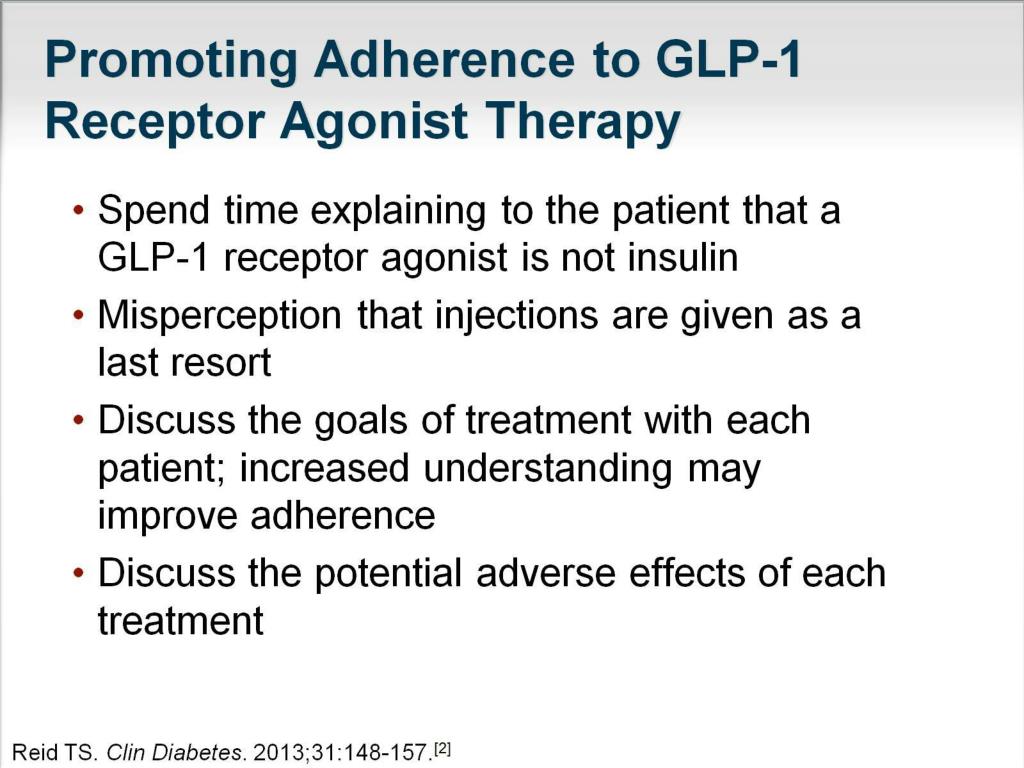
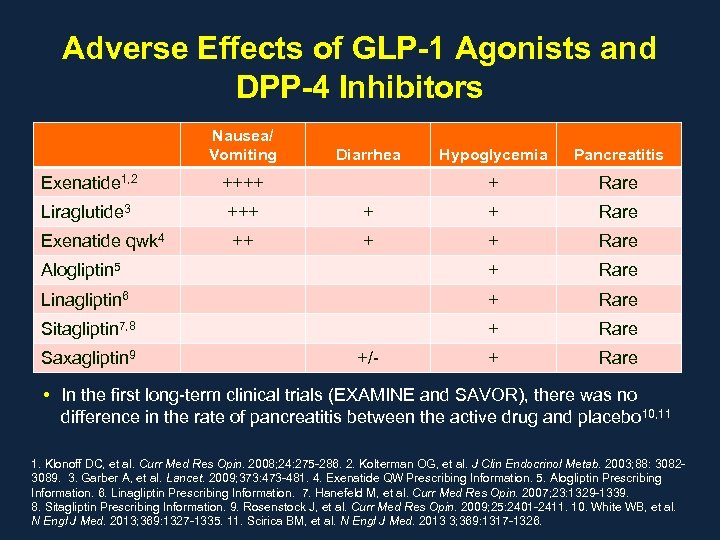
Several GLP-1 receptor agonist medications are available, including semaglutide (Ozempic), liraglutide (Victoza), and tirzepatide (Mounjaro, Zepbound). These medications have been shown to be effective in reducing insulin resistance and improving insulin sensitivity. However, it's essential to note that each medication has its unique benefits and potential side effects, and a healthcare professional should be consulted before initiating treatment.
Conclusion
GLP-1 receptor agonist treatment has emerged as a promising approach for managing insulin resistance. These medications have been shown to improve insulin sensitivity, reduce inflammation, regulate lipid metabolism, and aid in weight management. As research continues to uncover the full potential of GLP-1 receptor agonists, we may soon have a more effective treatment option for insulin resistance and related metabolic disorders.
References:
This article references research and studies that have been conducted on the use of GLP-1 receptor agonist treatment for insulin resistance, including the studies mentioned in the text. If you would like a list of the full references, please let me know.