GLP-1 Therapy for Metabolic Syndrome Management: A Game-Changing Approach
Metabolic syndrome (MetS) is a complex condition characterized by a cluster of cardiovascular risk factors, including obesity, dyslipidemia, hypertension, and high blood glucose. Managing MetS requires a comprehensive approach, often involving multiple medications, which can be costly and lead to poor treatment adherence.
The Evolution of Metabolic Syndrome Treatment
Recent studies have highlighted the potential of glucagon-like peptide-1 (GLP-1) receptor agonists in managing metabolic syndrome. These medications have been shown to promote substantial weight loss and improve metabolic health in individuals with type 2 diabetes and obesity.
Understanding GLP-1 Receptor Agonists
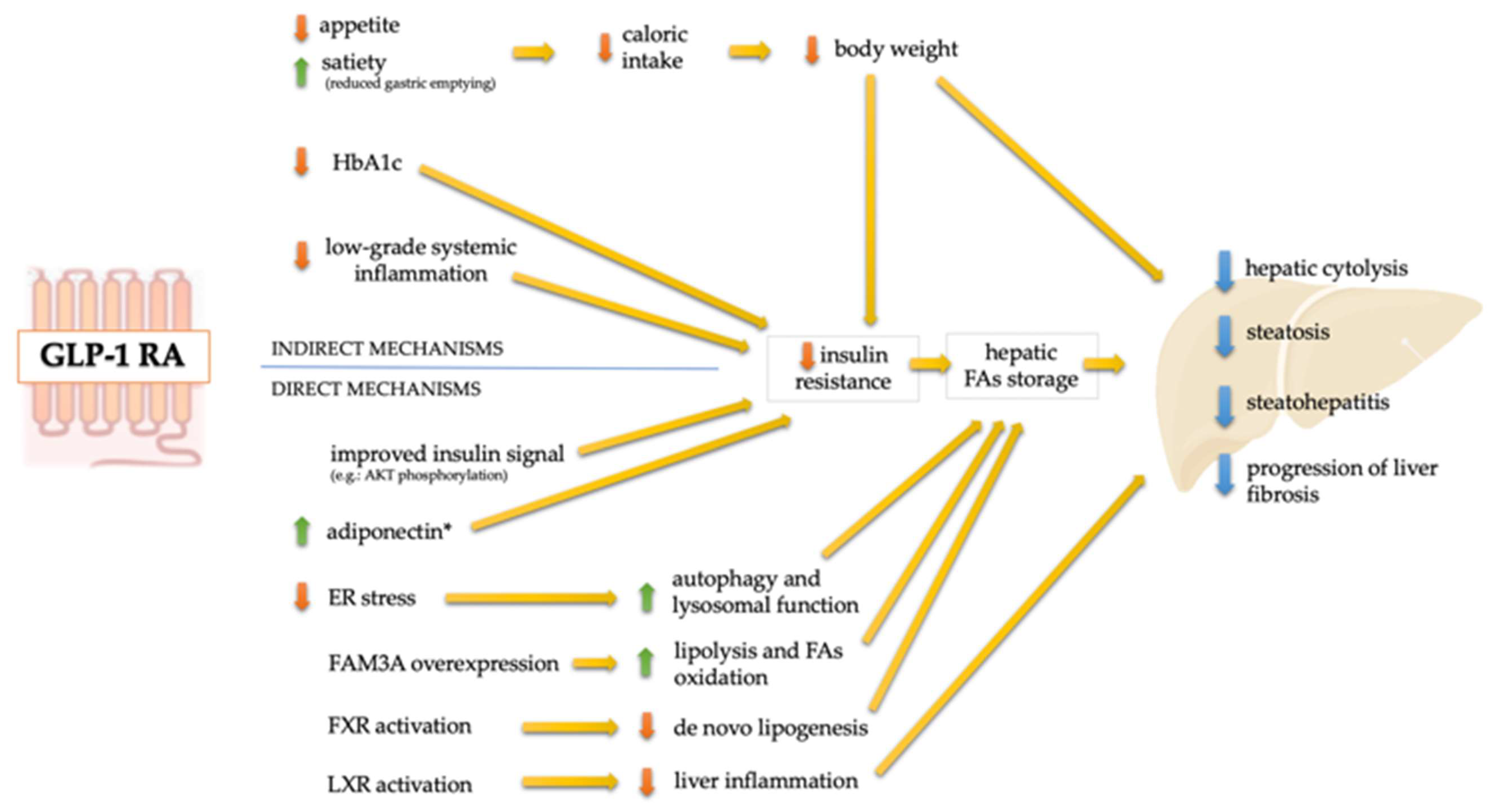
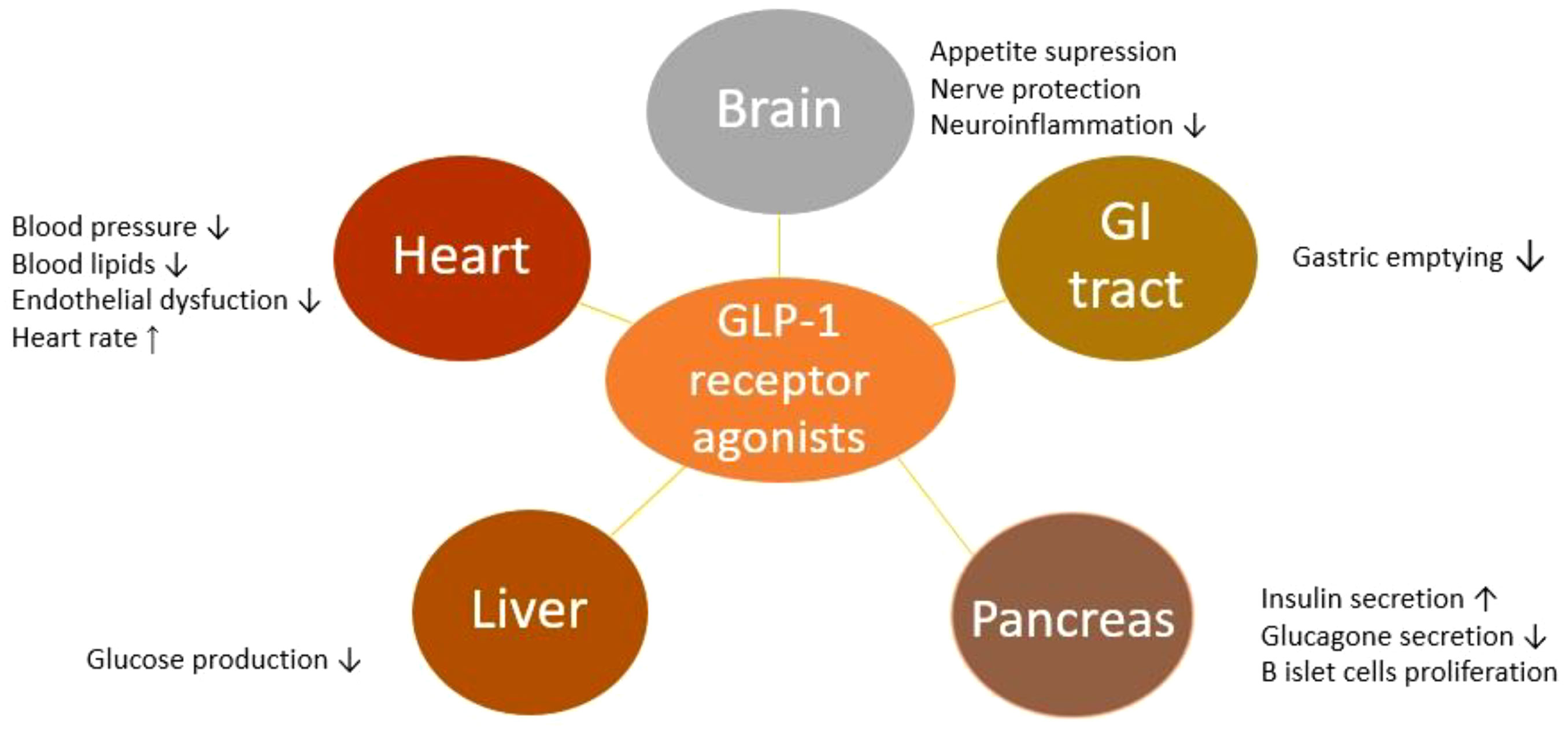
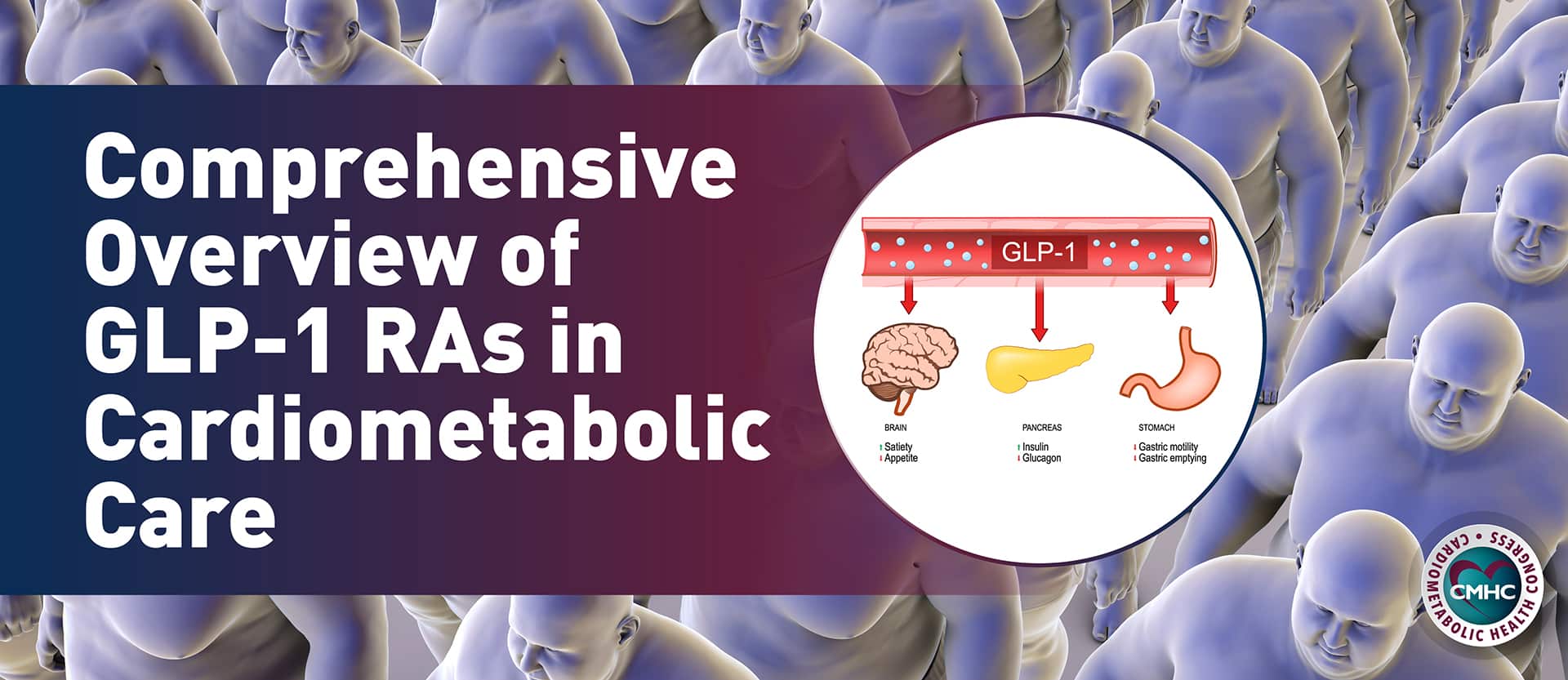
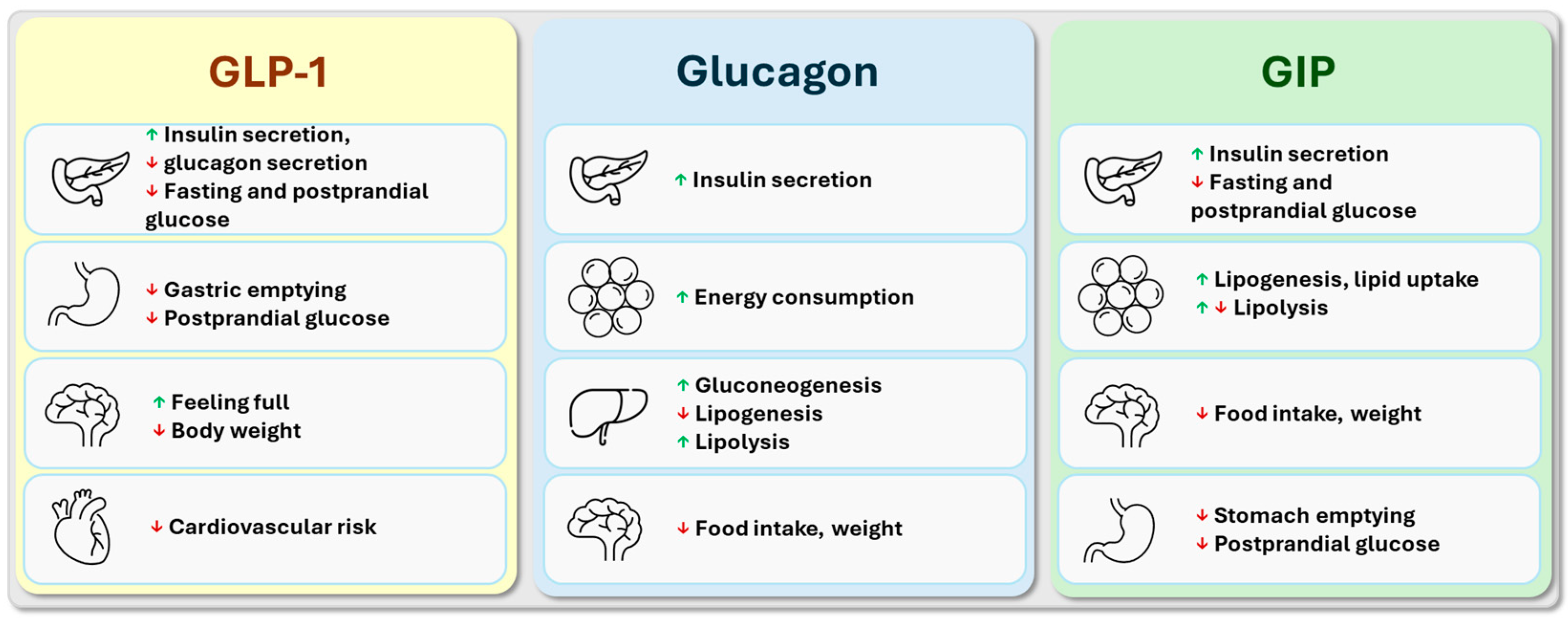
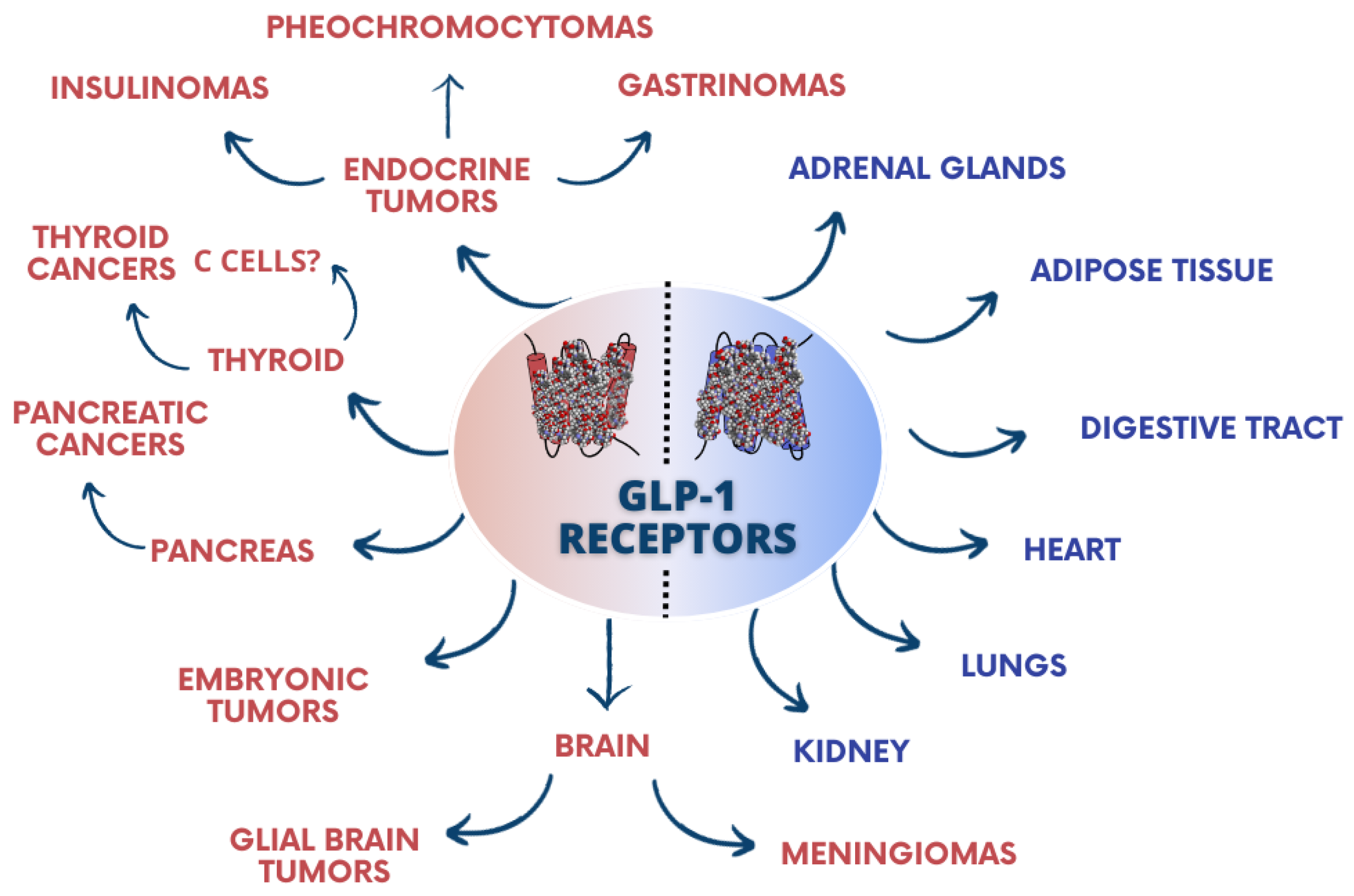
GLP-1 receptor agonists, such as semaglutide and tirzepatide, work by mimicking the natural GLP-1 hormone in the body. This hormone plays a crucial role in regulating appetite, glucose metabolism, and insulin secretion. By activating GLP-1 receptors, these medications can:
- Boost insulin secretion and improve glucose metabolism
- Suppress appetite and reduce food intake
- Slow gastric emptying, leading to reduced calorie absorption
The Benefits of GLP-1 Therapy for Metabolic Syndrome Management
GLP-1 therapy has been shown to offer numerous benefits in managing metabolic syndrome, including:
- Substantial weight loss and improvements in body composition
- Enhanced glucose metabolism and improved insulin sensitivity
- Reduced blood pressure and lipid levels
- Lower risk of cardiovascular disease and mortality
The Role of Lifestyle Modifications
While GLP-1 therapy is a valuable addition to metabolic syndrome management, it is essential to incorporate lifestyle modifications to maximize its benefits. Regular aerobic exercise, resistance training, and a balanced diet can help maintain weight loss, improve muscle mass, and reduce the risk of metabolic syndrome complications.
Challenges and Limitations of GLP-1 Therapy
While GLP-1 therapy offers many benefits, it is not without challenges. Common side effects include nausea, vomiting, and diarrhea, which can be alleviated with dose adjustments or combination with other medications. Additionally, GLP-1 therapy may lead to loss of lean muscle mass, which can be mitigated with resistance training and proper nutrition.
Conclusion: GLP-1 Therapy for Metabolic Syndrome Management
GLP-1 therapy has revolutionized the management of metabolic syndrome, offering a game-changing approach to weight loss and improved metabolic health. By combining GLP-1 therapy with lifestyle modifications and regular medical supervision, patients can achieve sustainable weight loss and long-term health improvements. As the healthcare community continues to explore the potential of GLP-1 therapy, it is essential to address challenges and limitations, ensuring that this innovative approach is accessible to those who need it most.
Next Steps: Incorporating GLP-1 Therapy into Your Metabolic Syndrome Management Plan
As a healthcare provider, consider the following steps to incorporate GLP-1 therapy into your patients' metabolic syndrome management plans:
- Assess the patient's eligibility for GLP-1 therapy and discuss potential benefits and risks
- Develop a comprehensive weight loss plan, including lifestyle modifications and regular medical supervision
- Monitor patients for GLP-1 therapy side effects and adjust dosages as needed
- Continuously evaluate patient progress and adjust treatment plans accordingly





/assets/production/practices/8b0d3bb90a4a057da79711c047bb7841fe69b974/images/2795992.jpg "Glucagon-like peptide 1-based therapies for the treatment of ... - UpToDate")