GLP-1 Therapy for Type 2 Diabetes: A Groundbreaking Treatment Option
Glucagon-like peptide-1 (GLP-1) receptor agonists have revolutionized the management of type 2 diabetes mellitus, offering a new wave of innovative treatment options for millions of people worldwide. These agents have emerged as a pivotal treatment option for both type 2 diabetes and obesity, demonstrating efficacy in blood glucose management, weight reduction, cardiovascular disease prevention, and kidney health improvement.
What is GLP-1 Therapy?
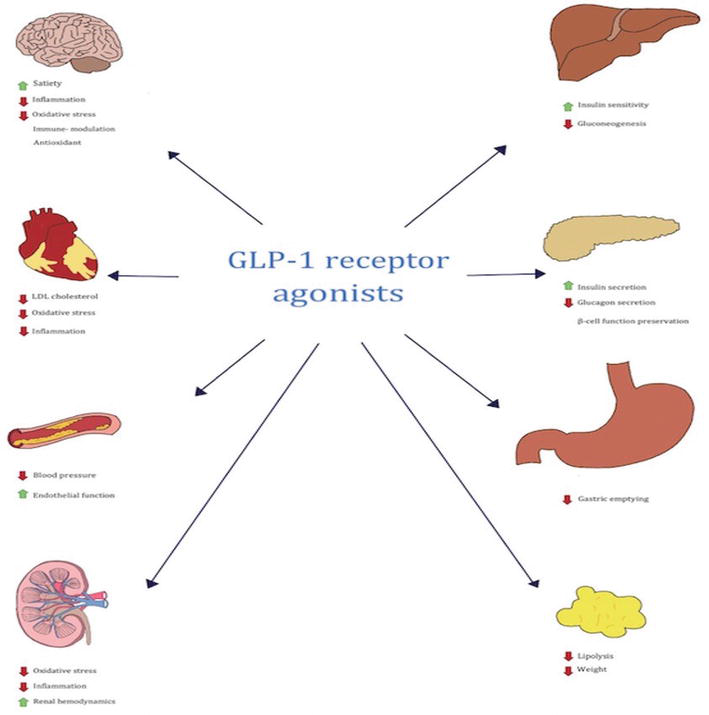
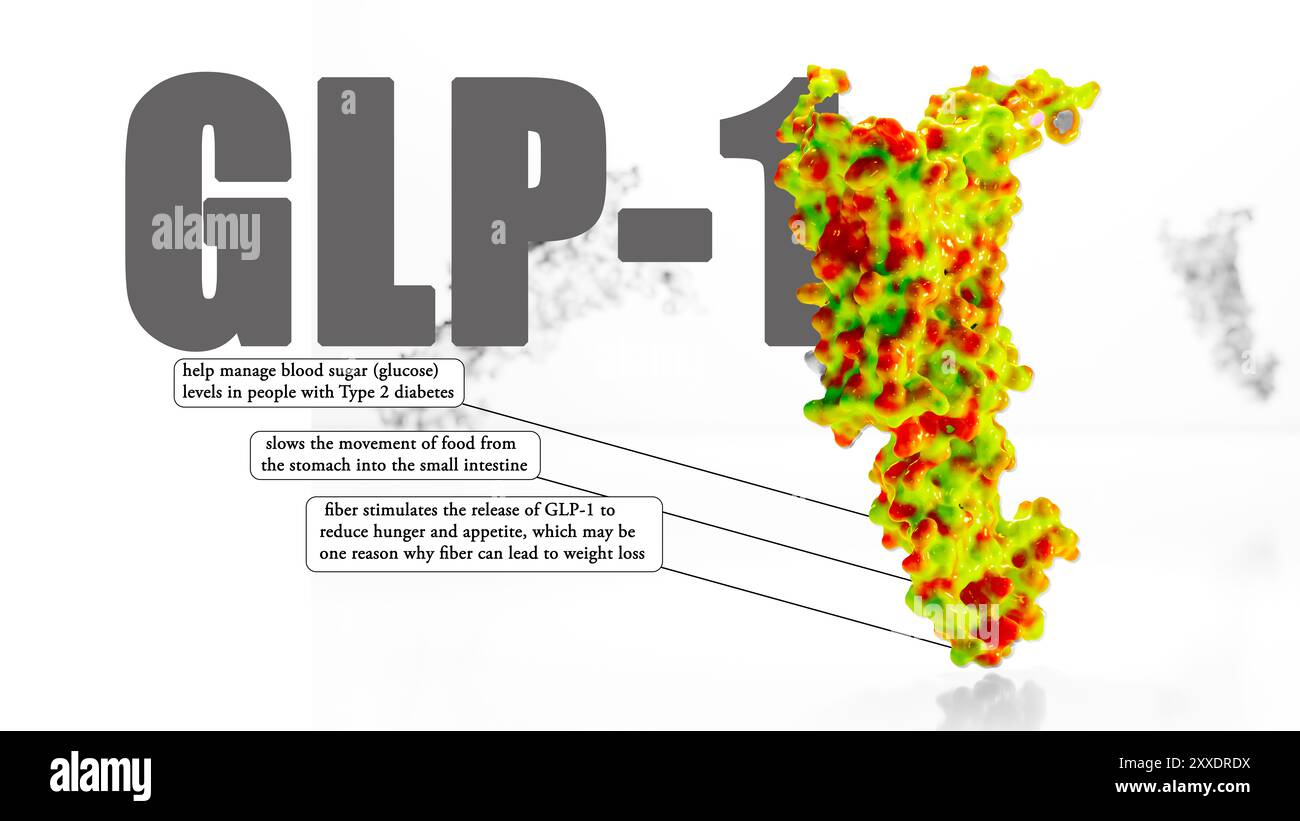
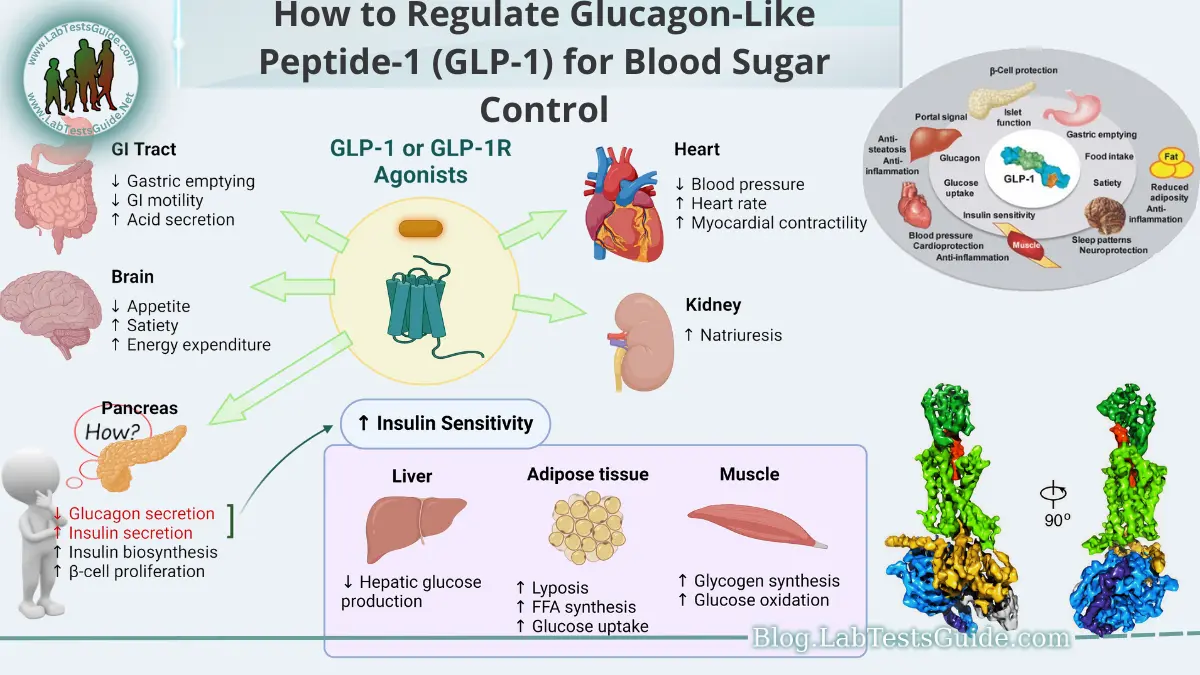
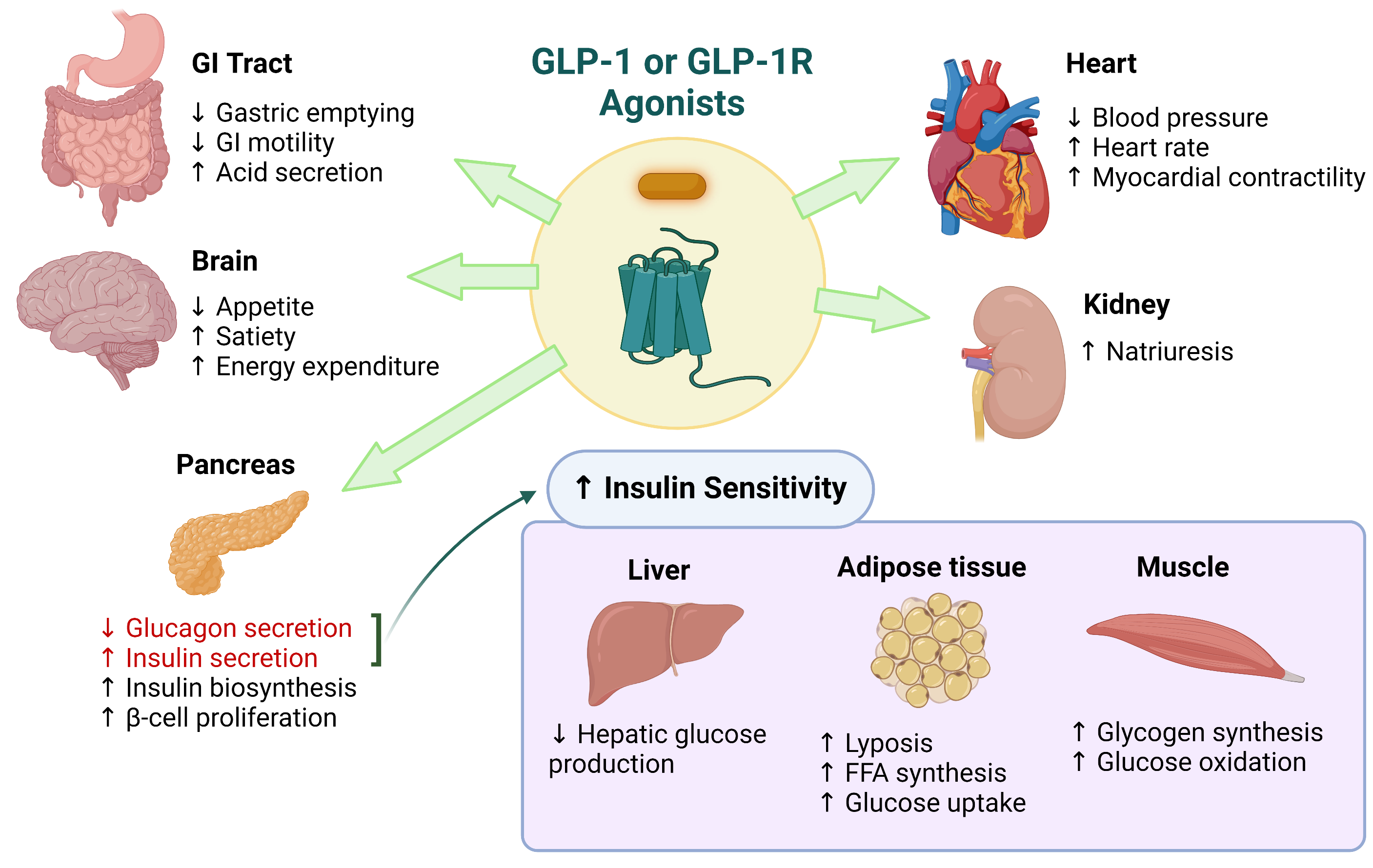
GLP-1 therapy is a class of medications that mimic the action of the human hormone glucagon-like peptide-1 (GLP-1). GLP-1 is an incretin hormone that plays a crucial role in glucose homeostasis, linking nutrient absorption to pancreatic hormone secretion. By stimulating the GLP-1 receptor, GLP-1 agonists increase insulin secretion and reduce glucagon levels, leading to improved glycemic control and reduced risk of cardiovascular disease.
Benefits of GLP-1 Therapy for Type 2 Diabetes
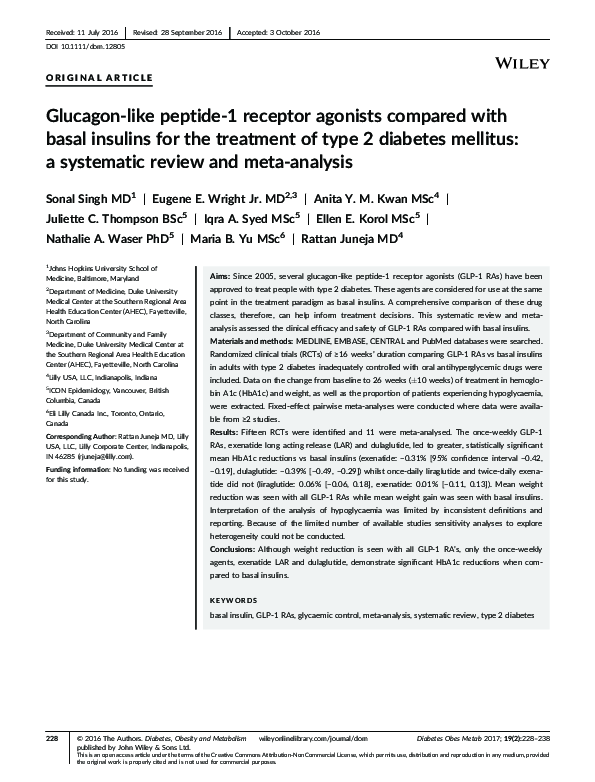
- Improved glycemic control: GLP-1 agonists have been shown to reduce HbA1c levels by approximately 1-2 percentage points, leading to improved glucose control and reduced risk of diabetes-related complications.
- Weight loss: GLP-1 agonists are associated with significant weight loss, which can improve glycemic control, reduce blood pressure, and lower cardiovascular risk.
- Cardioprotective effects: GLP-1 agonists have been shown to reduce the risk of major adverse cardiovascular events (MACE) and stroke, highlighting their potential role in cardiovascular disease prevention.
- Renoprotective effects: GLP-1 agonists may slow the progression of kidney disease and reduce the risk of end-stage renal disease (ESRD) in patients with type 2 diabetes.
GLP-1 Therapy vs. Other Diabetes Treatments
GLP-1 agonists are a distinct class of medications that offer several advantages over other diabetes treatments. Compared to sulfonylureas, GLP-1 agonists are associated with a lower risk of hypoglycemia and do not cause weight gain. In contrast to DPP-4 inhibitors, GLP-1 agonists are more effective in reducing HbA1c levels and have been shown to provide additional weight loss benefits.
Real-World Evidence and Clinical Outcomes
Emerging Directions in GLP-1 Therapy
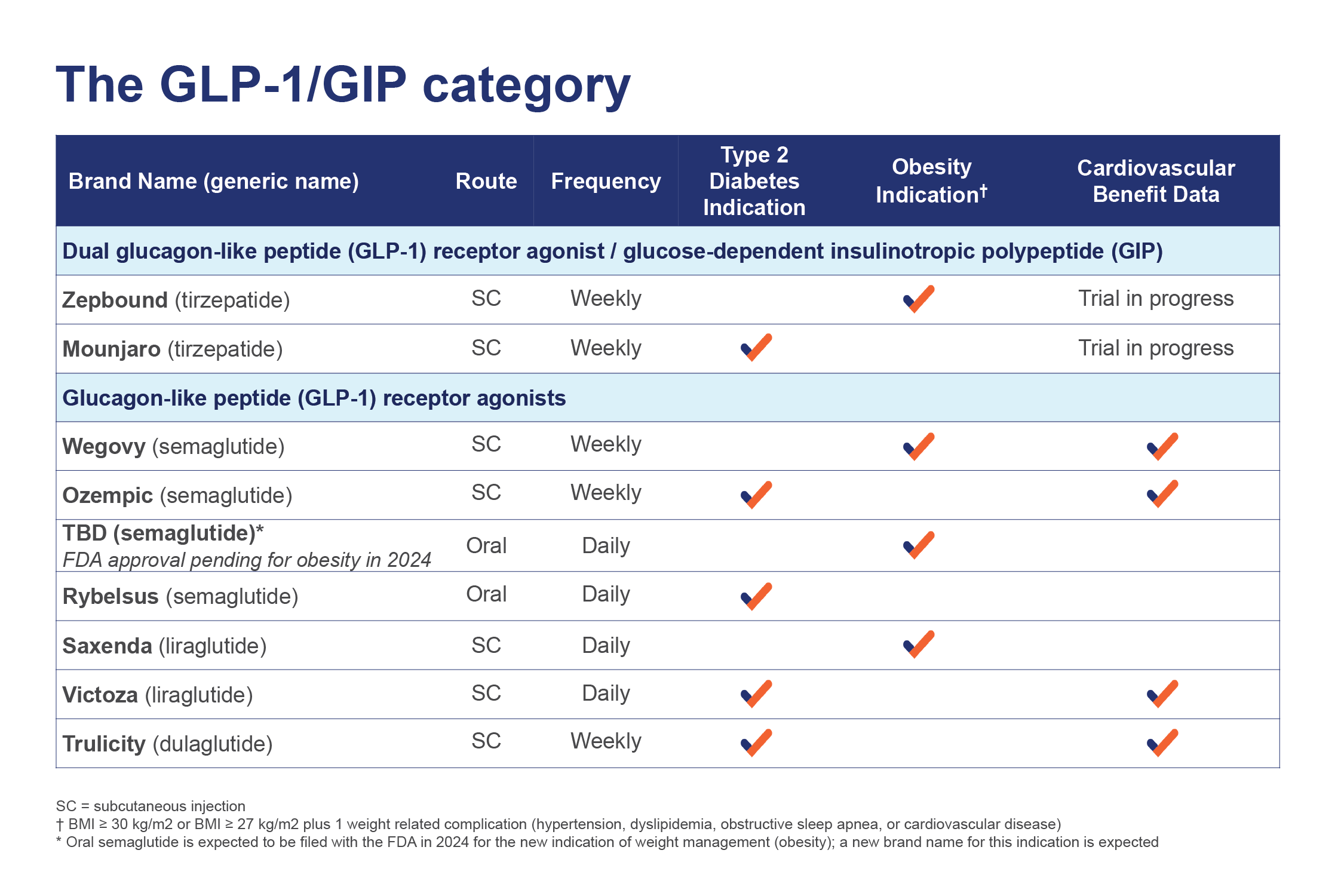
Research is ongoing to explore the potential of GLP-1 agonists in combination with other treatments for type 2 diabetes. The development of dual GIP and GLP-1 receptor agonists, such as tirzepatide, has shown promise in improving glycemic control and weight loss. Additionally, studies are investigating the use of GLP-1 agonists in the management of type 1 diabetes, highlighting the potential for these agents to play a broader role in diabetes care.
Conclusion
GLP-1 therapy has revolutionized the management of type 2 diabetes, offering a new wave of innovative treatment options for millions of people worldwide. With their improved glycemic control, weight loss, cardioprotective, and renoprotective effects, GLP-1 agonists are now the preferred drugs to add to the regimen for many patients with type 2 diabetes. As research continues to explore the potential of GLP-1 agonists in combination with other treatments, it is clear that these agents will play a pivotal role in shaping the future of chronic disease management.