Understanding the Key Mechanism of Wireless Evolution: G Wireless Network Cell Densification
The Critical Role of Network Densification in Shaping the Future of Wireless Communication
The rapid evolution of wireless technology has been nothing short of breathtaking. With each passing decade, the capabilities of wireless networks have improved exponentially, meeting the ever-growing demands of an increasingly connected world. One of the most significant factors contributing to this advancements is network densification, a mechanism that has revolutionized the way we communicate and access information.Defining Network Densification: Enhancing Network Capacity, Coverage, and Performance
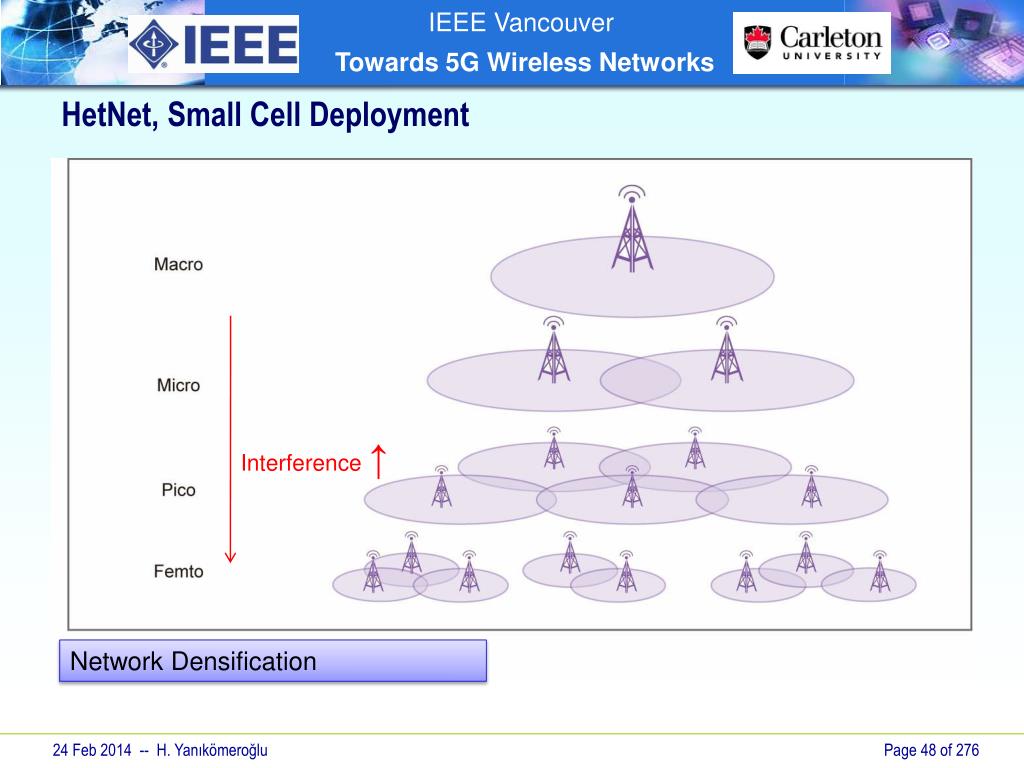
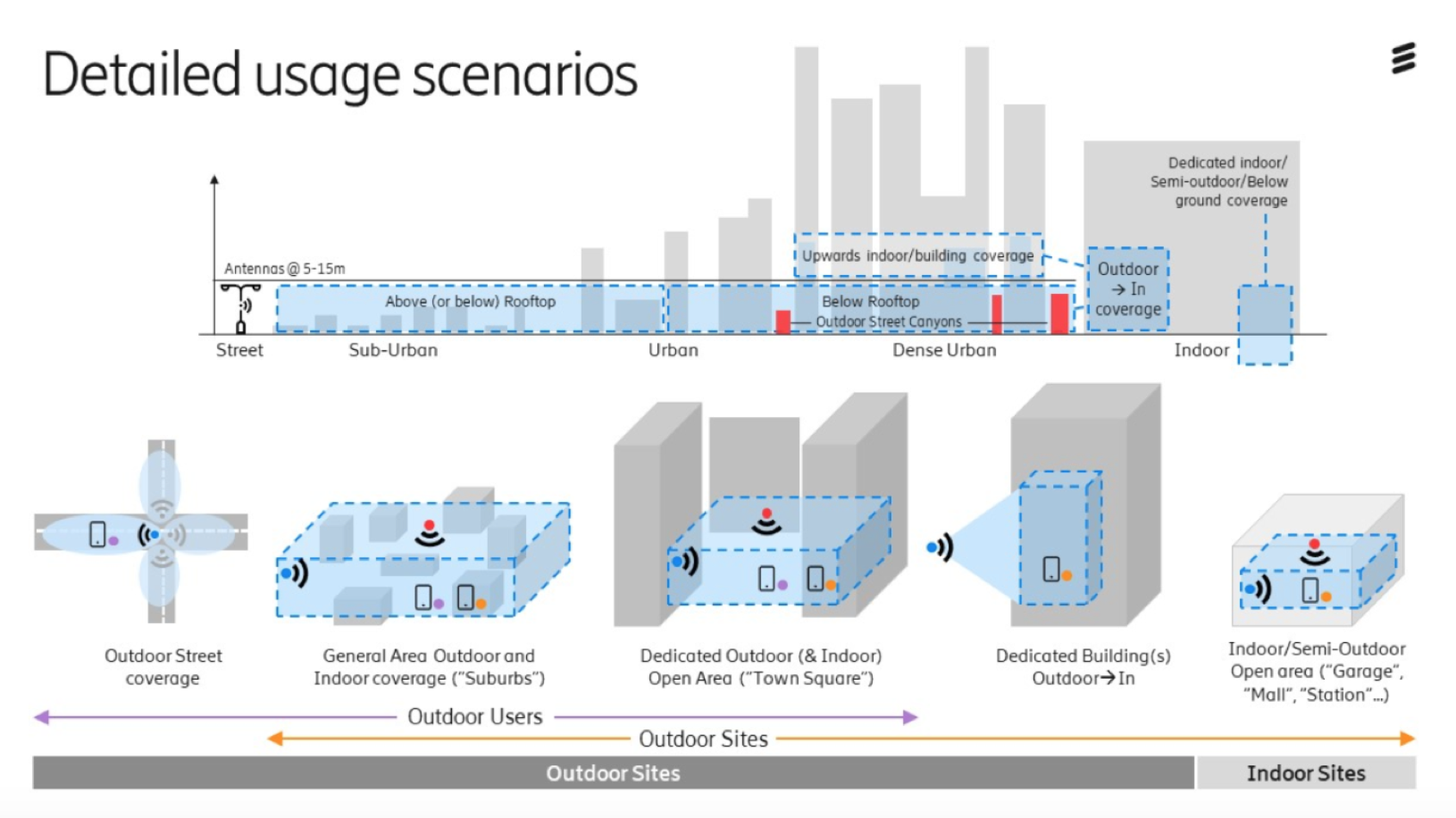
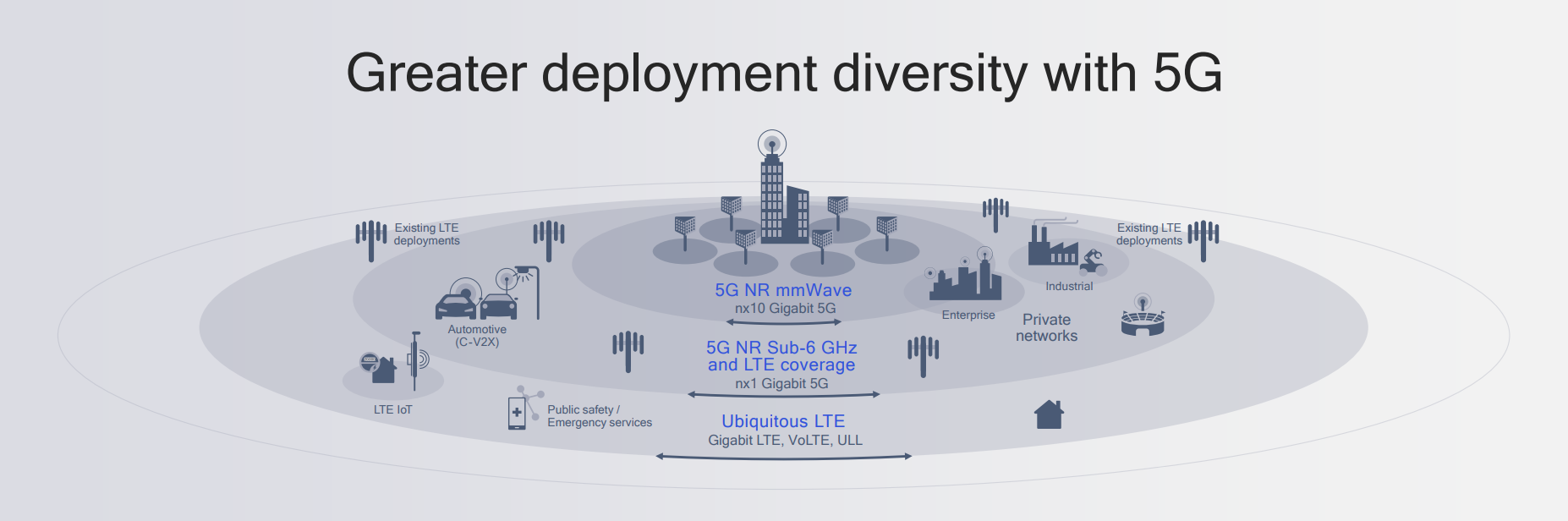
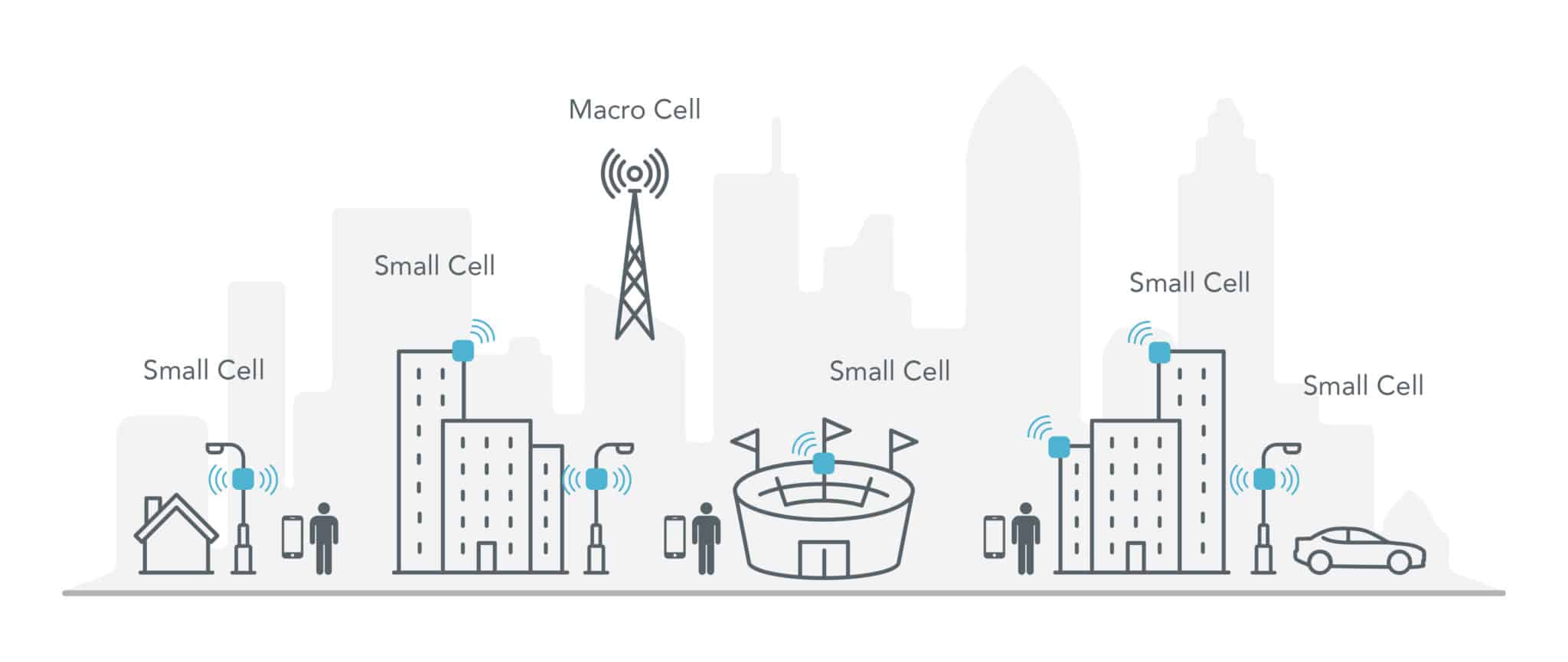
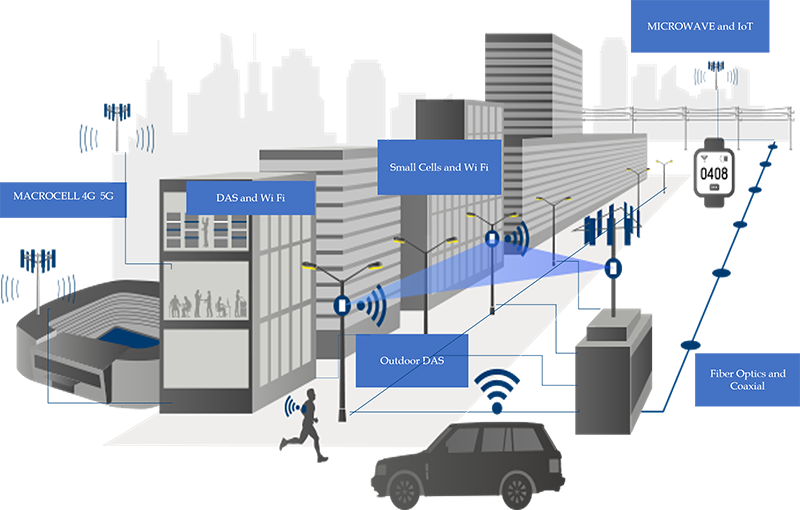
Network densification refers to the strategic deployment of more access points, base stations, and small cells within a given geographical area to improve network capacity, coverage, and performance. This approach has gained immense importance with the advent of 5G wireless networks, which demand expansive broadband availability and ultra-low latency. By increasing the number of cellular sites and radio access networks, network densification has emerged as a crucial mechanism to enhance wireless data rates and minimize latency.The Power of Network Densification in Enabling the Future of Wireless Technology
Network densification has become the backbone of modern wireless network design, enabling operators to improve their networks' capacity, coverage, and overall performance. The significance of network densification extends beyond merely deploying more cellular sites; it involves employing advanced self-organizing networks and inter-cell interference management techniques to maximize network efficiency. The maturation of 5G wireless networks has accelerated the demand for network densification, making it a top priority for mobile network operators worldwide.Breaking Down the Barriers: Overcoming the Challenges of Network Densification