Hardwood Floor Installation for Beginners: A Comprehensive Guide
Installing hardwood floor in your home can be a daunting task, but with the right guidance, it can be a rewarding DIY project for beginners. In this article, we will break down every step of the hardwood floor installation process from preparation to the final plank.
Understanding the Basics
Before starting the installation process, it's essential to understand the different types of hardwood floors. There are two main categories: solid and engineered. Solid hardwood floors are made from a single piece of wood, while engineered hardwood floors are made from layers of wood pressed together. Each type has its own set of installation requirements, so it's crucial to choose the right one for your project.
Preparation is Key
Proper preparation is the foundation of a successful hardwood floor installation. This includes:
Assessing the subfloor: Ensure the subfloor is level, clean, and dry.
Checking for moisture: Use a moisture meter to determine if the subfloor has excessive moisture, which can damage the hardwood flooring.
Acclimating the flooring: Store the hardwood flooring in the room where it will be installed for at least 2-3 days to acclimate to the temperature and humidity.
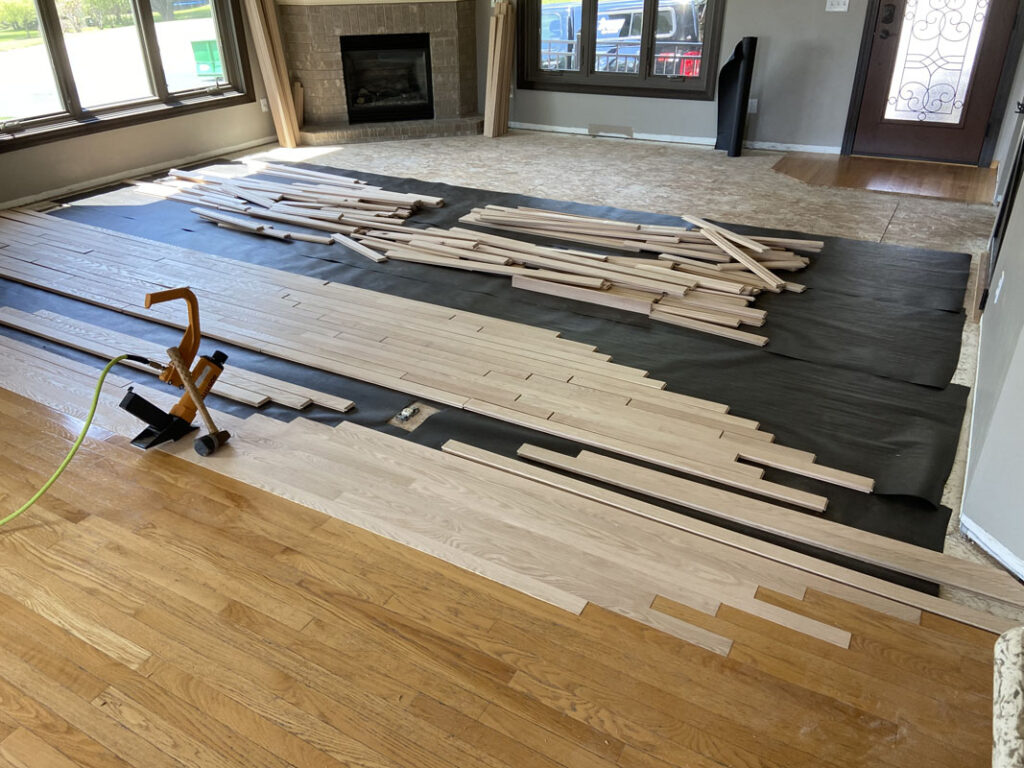
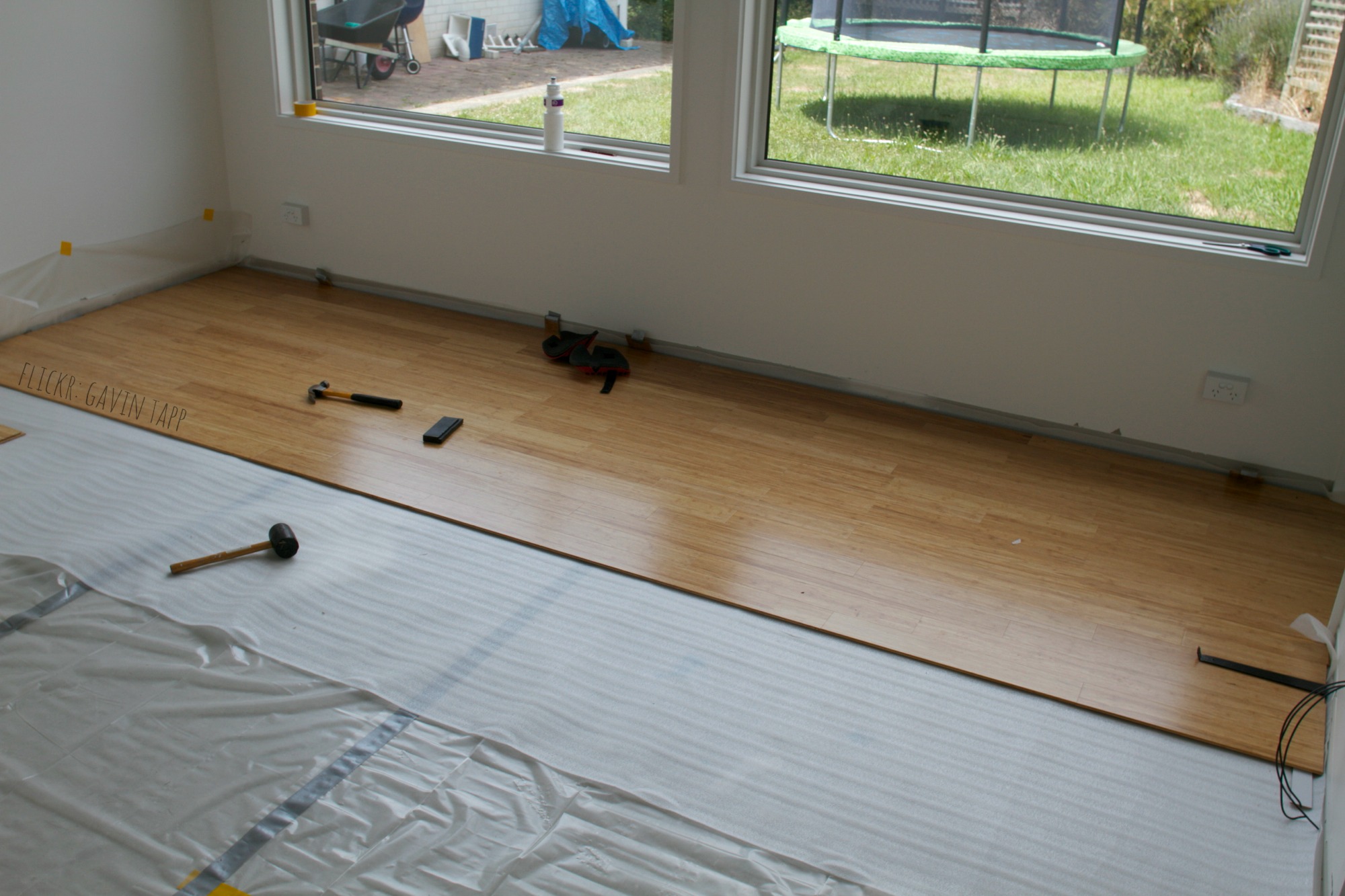
Preparing the underlayment: Lay down the underlayment material, such as plywood or oriented strand board (OSB), to provide a smooth surface for the hardwood flooring.
Measuring and Cutting
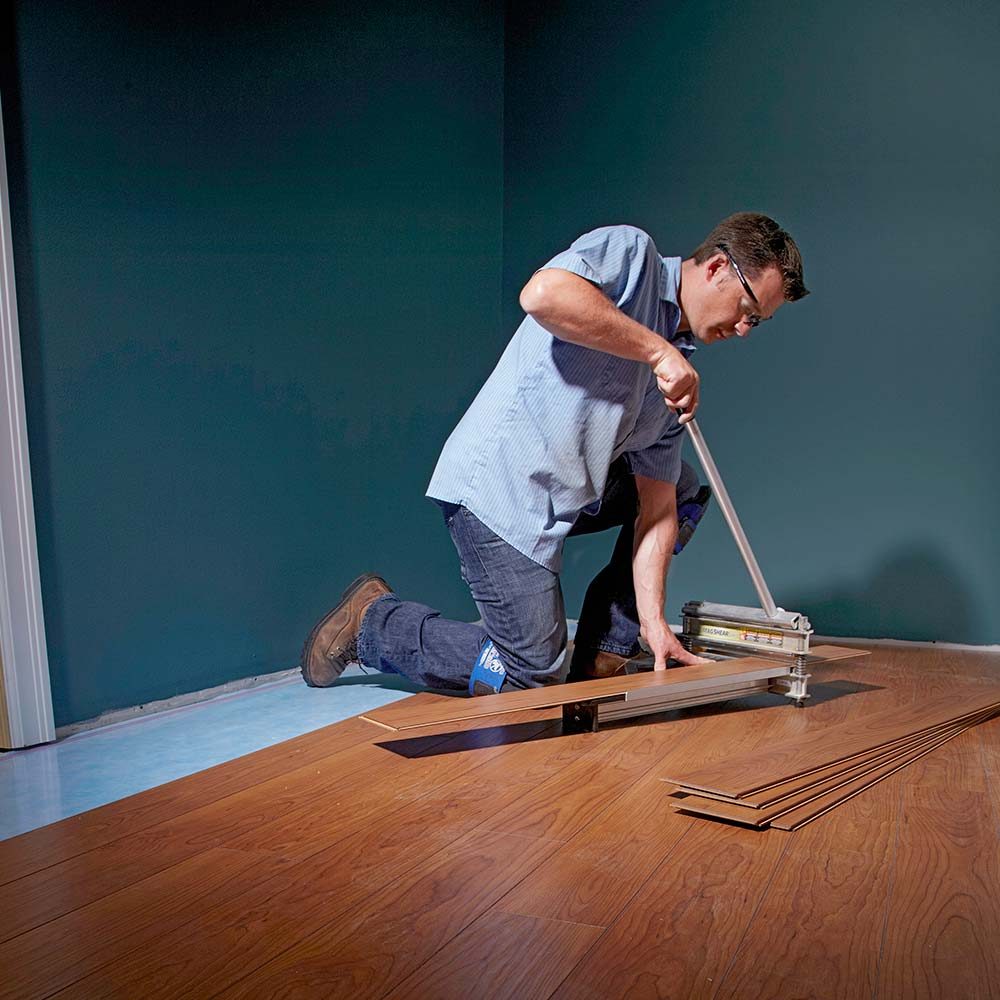
Accurate measurements and proper cutting of the hardwood flooring planks are critical to ensure a professional-looking finish. Use a tape measure to measure the room, lay out the flooring, and mark the planks accordingly. A hardwood flooring saw or a circular saw with a blade designed for hardwood flooring can be used for cutting the planks.
Laying the First Row
The first row of hardwood flooring is the most important part of the installation process. It sets the tone for the entire floor. Use a chalk line to mark the location of the first row, and ensure it's level and plumb.

Taking the Next Row
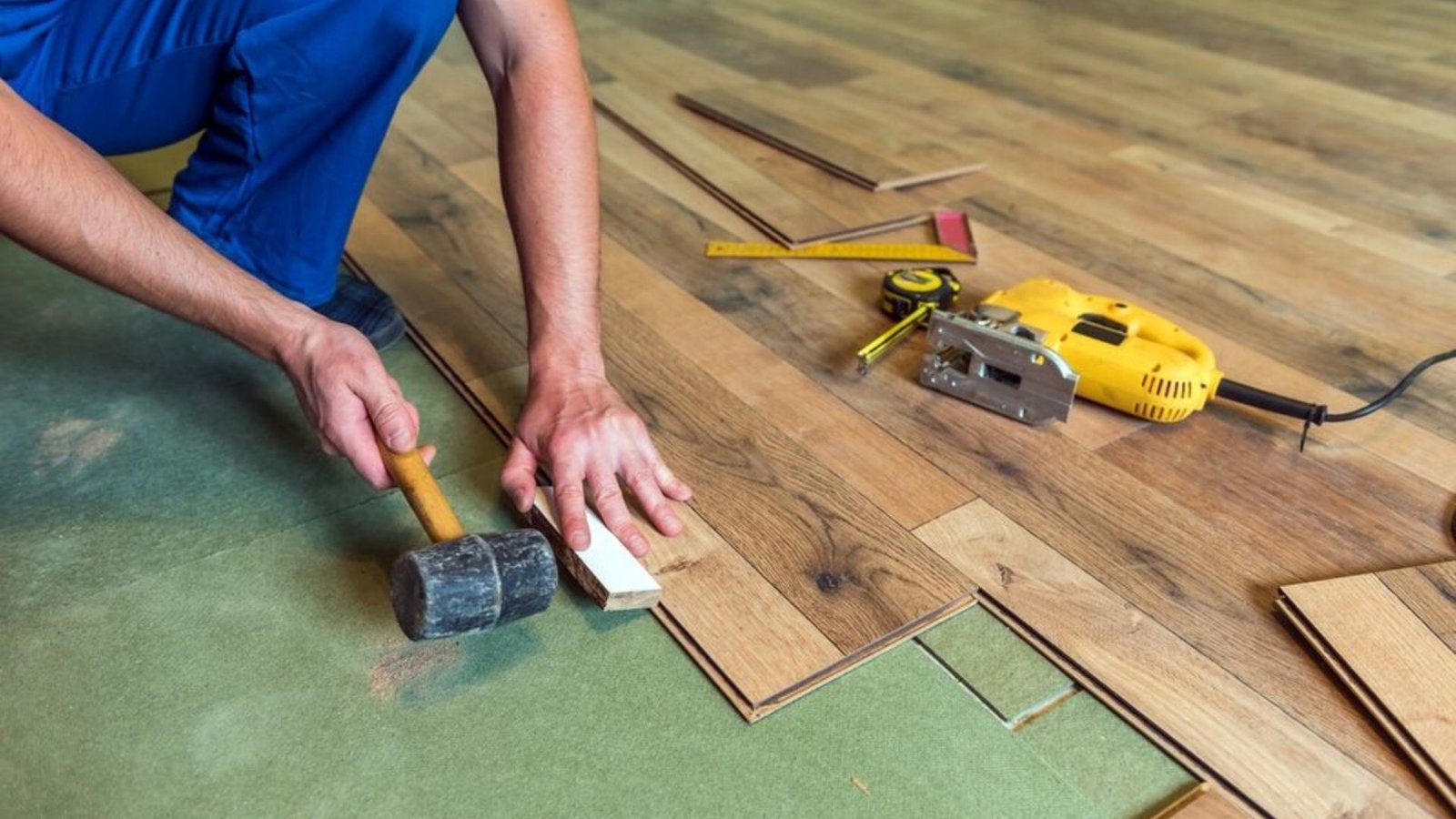
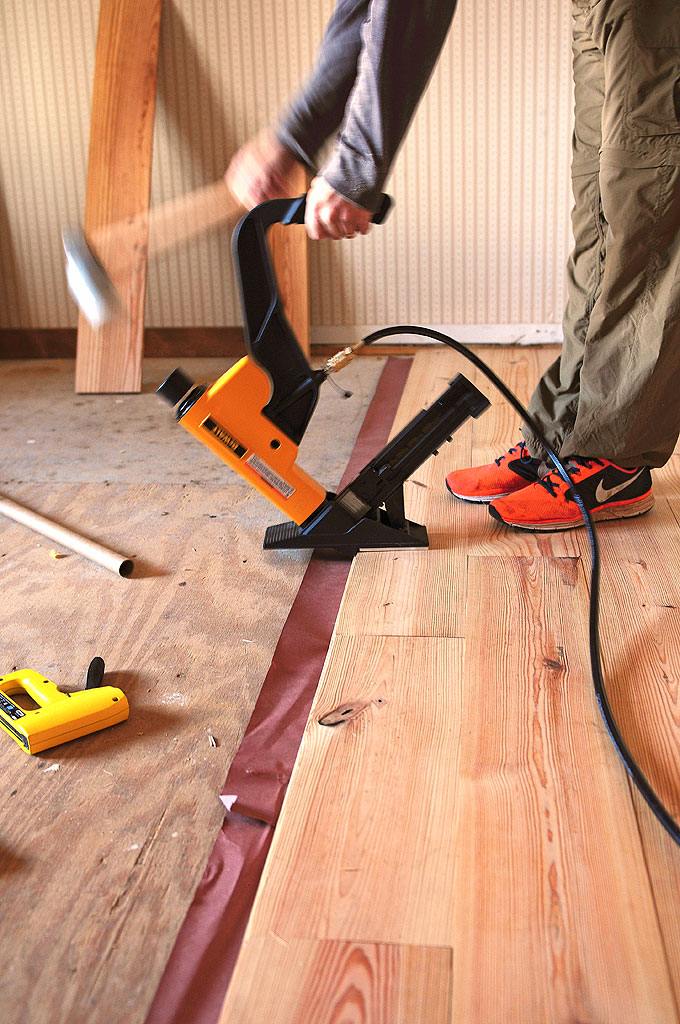
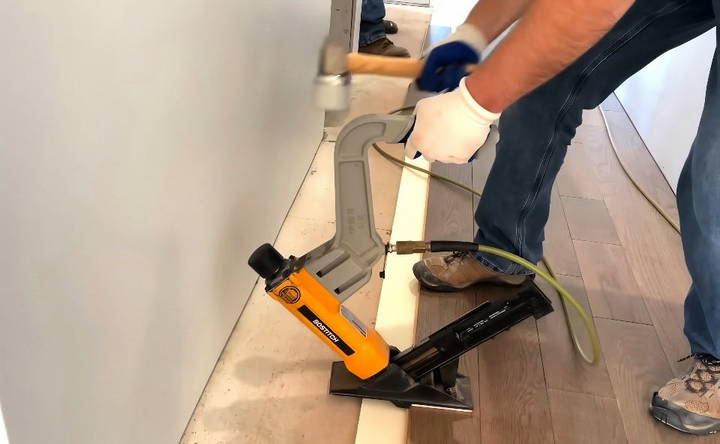
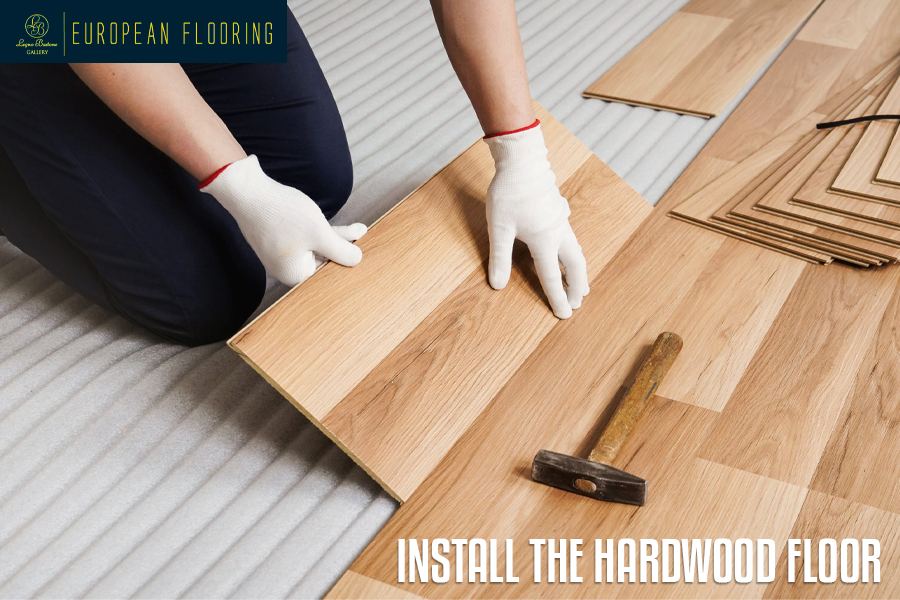
For the next row of hardwood flooring, start by snapping a chalk line parallel to the first row. Use a tapping block and a hammer to tap the planks into place, ensuring they're snug and secure.
Common Mistakes to Avoid
Not preparing the subfloor adequately, leading to uneven and loose flooring.
Not acclimating the hardwood flooring, resulting in shrinkage or warping.
Not using the right underlayment material, leading to uneven or bouncy flooring.
Not measuring and cutting accurately, resulting in uneven or jagged edges.
Choosing the Right Tools
When it comes to hardwood floor installation, having the right tools can make a significant difference. Here are some essential tools to consider:
Hardwood flooring saw or circular saw with a blade designed for hardwood flooring.
Tapping block and hammer for tapping planks into place.
Chalk line for marking the location of the first row and subsequent rows.
Measuring tape and square for accurate measurements and cuts.
Collection pan for collecting cut-off wood and debris.
Conclusion
Installing hardwood flooring can be a challenging task, but with the right guidance and preparation, it can be a rewarding DIY project for beginners. By following the steps outlined in this article, you'll be well on your way to achieving a stunning and durable hardwood floor installation that will last for years to come.

/154907699-56a49f3c5f9b58b7d0d7e14e.jpg "How to Install Hardwood Flooring for Beginners - Step by Step Guide")