Export License Requirements for Worldwide: A Comprehensive Guide
Exporting goods and services across international borders requires careful consideration of various regulations and compliance requirements. In this article, we will delve into the world of export license requirements for worldwide export, providing an in-depth understanding of the process, key requirements, and essential documents necessary for compliance.
What is an Export License?
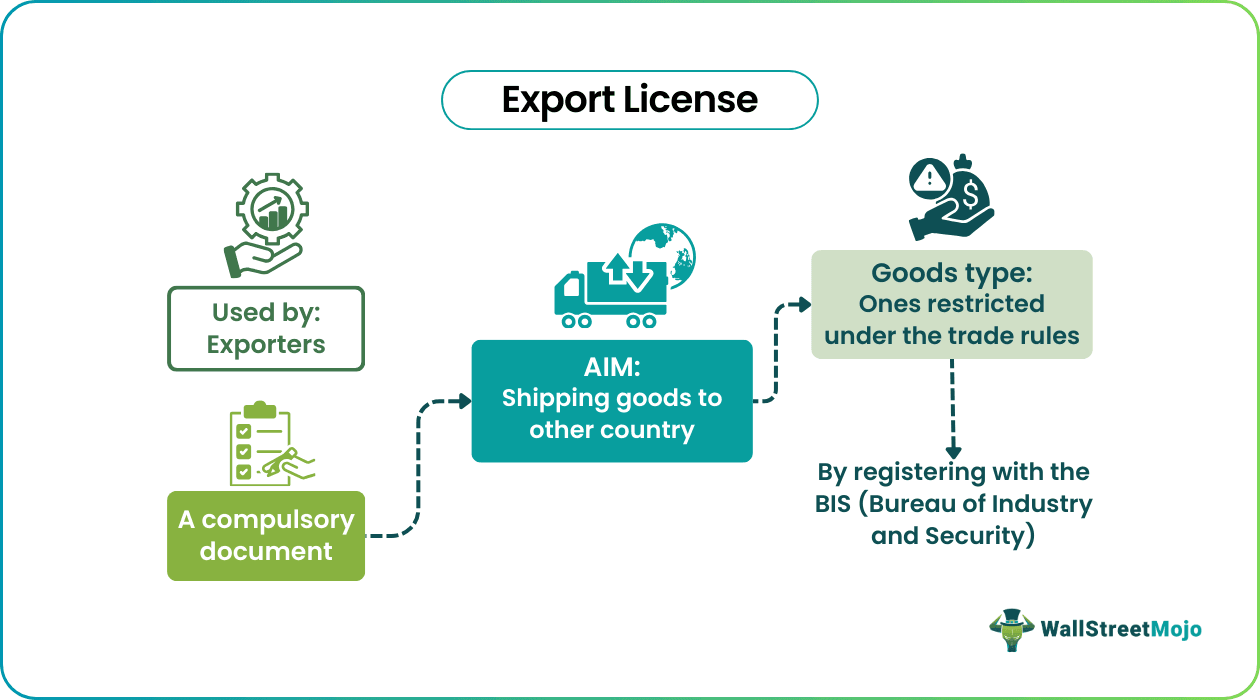
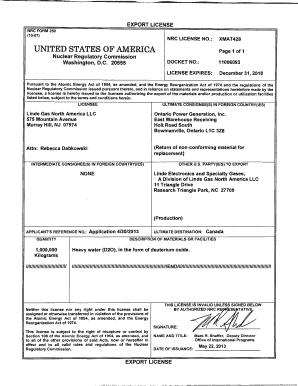
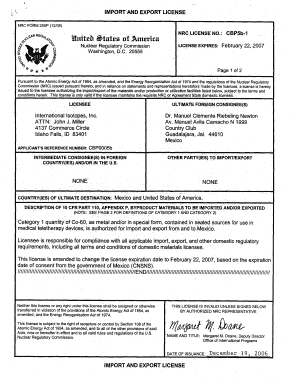
A government-issued authorization that permits a company or individual to ship specific goods to another country, ensuring that the products meet the required regulations and standards before exportation. Export licenses play a vital role in regulating the movement of goods across borders in the global trade industry.
Key Takeaways
- Export license requirements vary significantly across industries due to differing risk profiles and regulatory priorities.
- Understanding industry-specific export controls helps prevent costly penalties and compliance pitfalls.
- Dual-use and controlled items shape export licensing demands uniquely within each sector.
- Strategic, informed risk assessments rooted in industry realities are essential for determining export licensing requirements.
Regulatory Agencies Involved
Primarily, there are three U.S. Government agencies that may require your shipment to have an export license:
- Department of Commerce, Bureau of Industry and Security (BIS)
- Department of Treasury, Office of Foreign Assets Control (OFAC)
- Department of State (State Department)
Types of Export Licenses
There are different types of export licenses, including:
- General licenses li>Specific licenses
- Dual-use licenses
Export License Requirements for Worldwide
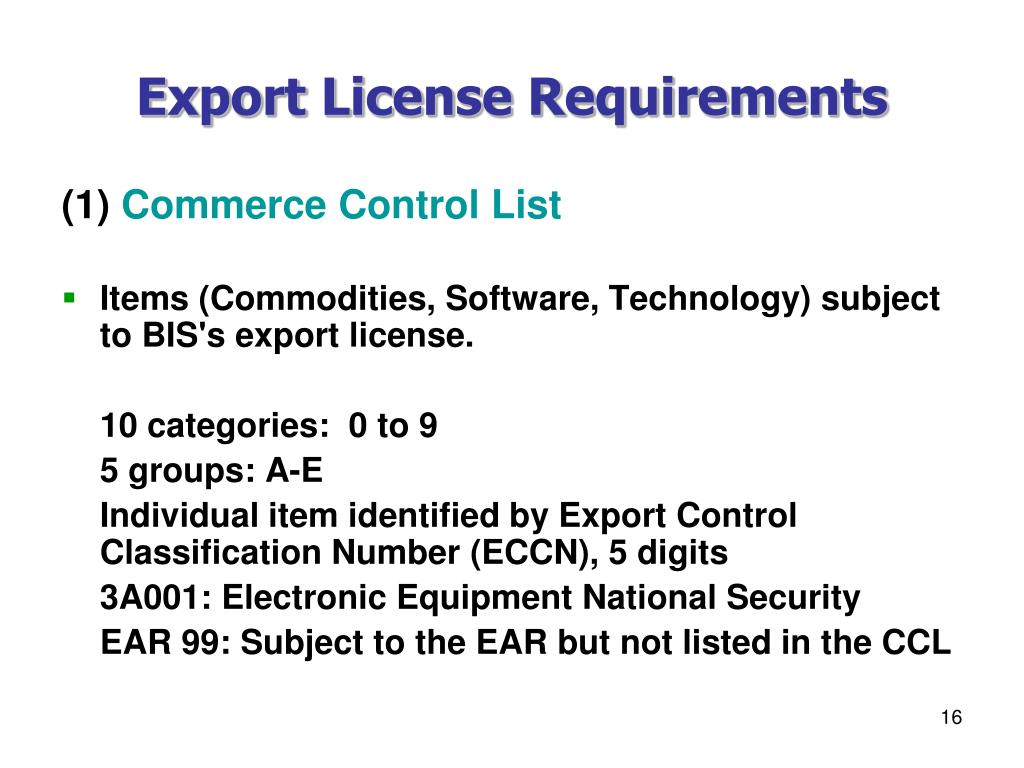
Export license requirements for worldwide export vary depending on the country of destination, type of goods, and industry sector. Here are some key requirements to consider:
- Identification of controlled items, including dual-use and military-related goods.
- Documentation of export licenses and permits required for exportation.
- Compliance with export regulations, including the Export Administration Regulations (EAR) and the International Traffic in Arms Regulations (ITAR).
- Regular auditing and due diligence to ensure compliance with industry-specific regulations.
Steps to Complete an Export License Application
Here are clear steps to complete your export license application successfully and ensure compliance with international trade regulations:
- Identify the applicable export regulations, including EAR and ITAR.
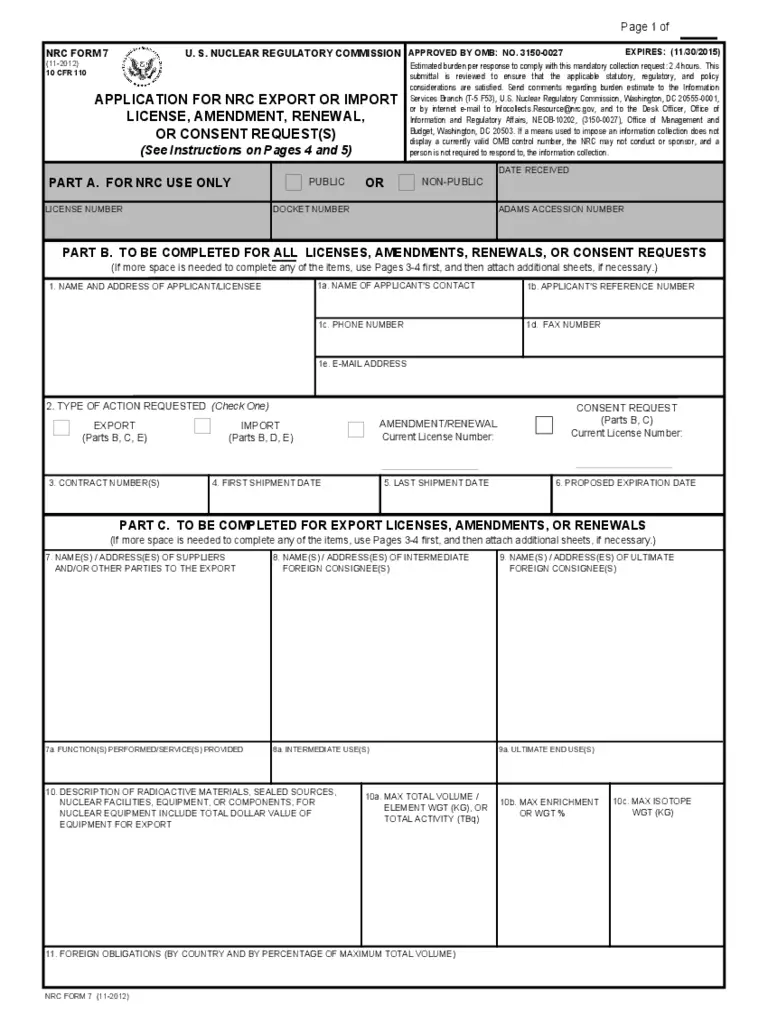
- Complete the export license application, including necessary documentation and supporting evidence.
- Submit the application to the relevant regulatory agency.
- Follow up on the status of your application and address any issues or concerns.
Normalexport Requirements
Normalexport requirements apply to goods exported to Australia's external territories, including Christmas, Cocos (Keeling) and Norfolk Islands. The Australian Government controls the export of certain goods from Australia. Search the list of prohibited goods to find out which goods are prohibited, and where you can get more information.
Conclusion
Export license requirements for worldwide export are complex and subject to various regulations and industry-specific requirements. By understanding the key takeaways, regulatory agencies involved, types of export licenses, and essential documentation and compliance protocols, businesses can ensure that their international trade operations are fully compliant with export regulations and requirements.
Additional Resources
For more information on export license requirements for worldwide export, visit the following resources:
- U.S. Customs and Border Protection (CBP) Basic Importing and Exporting
- Commerce's Country Commercial Guides and USDA's GAIN reports
- DDTC Public Portal for defense trade controls