Unraveling the Power of 5G Wireless Network Slicing Technology
Revolutionizing the Future of Wireless Communications
As the world gears up for the next generation of wireless communications, 5G wireless network slicing technology has emerged as a game-changer in the industry. The advent of 5G networks has brought about a paradigm shift in the way data is transmitted and received, and network slicing is one of the key technologies driving this revolution.
What is 5G Wireless Network Slicing Technology?
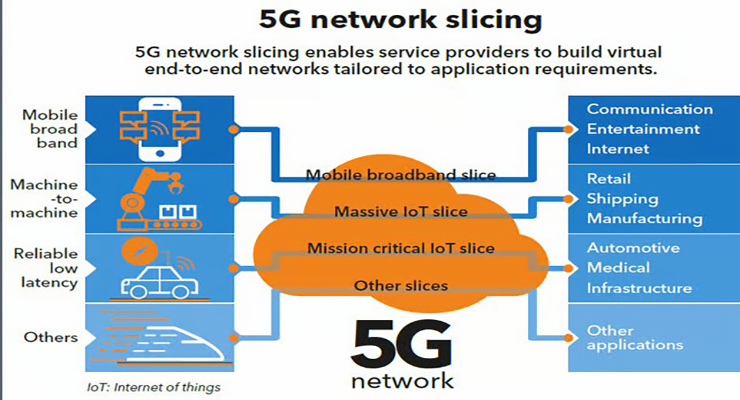
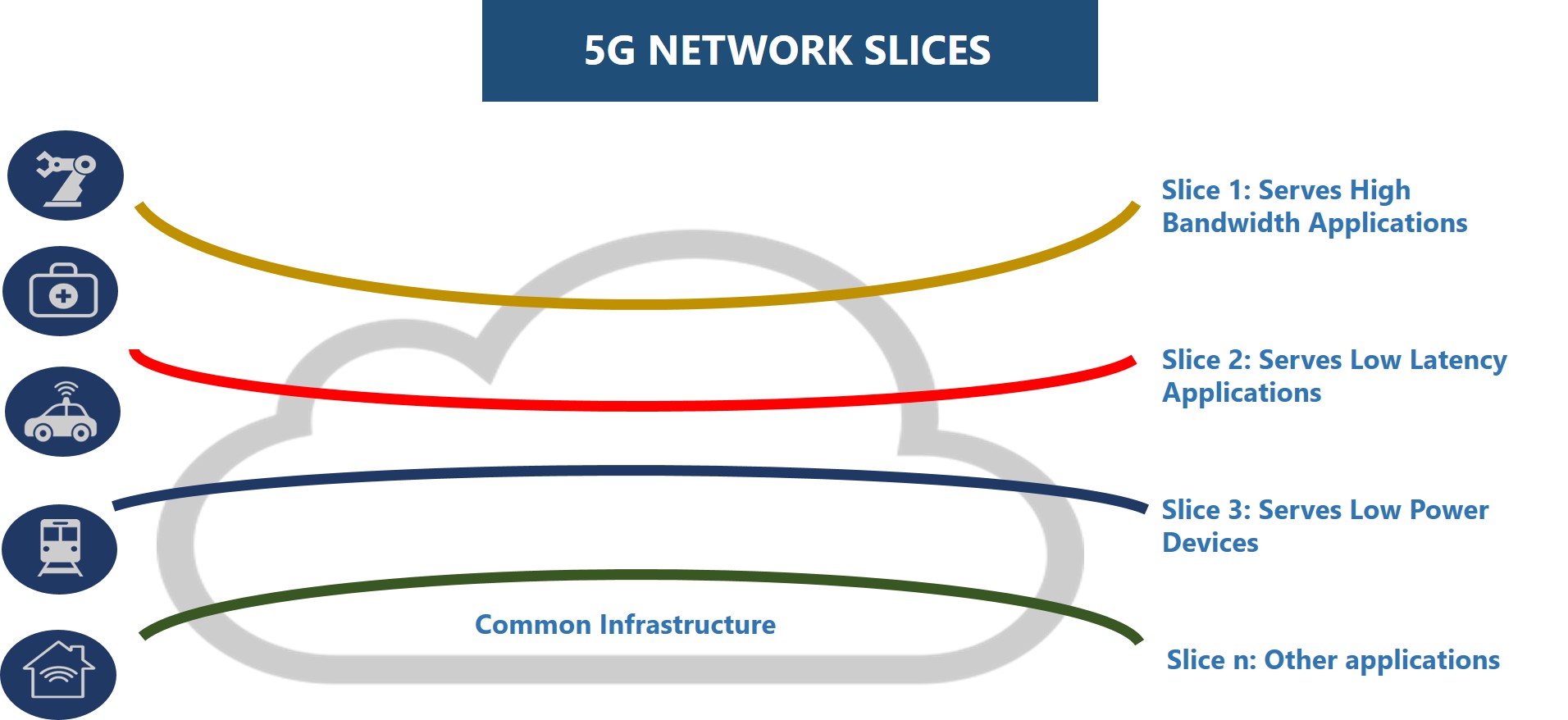
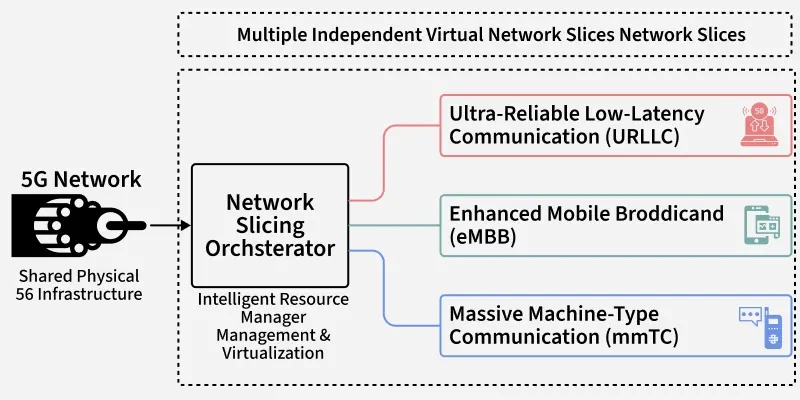
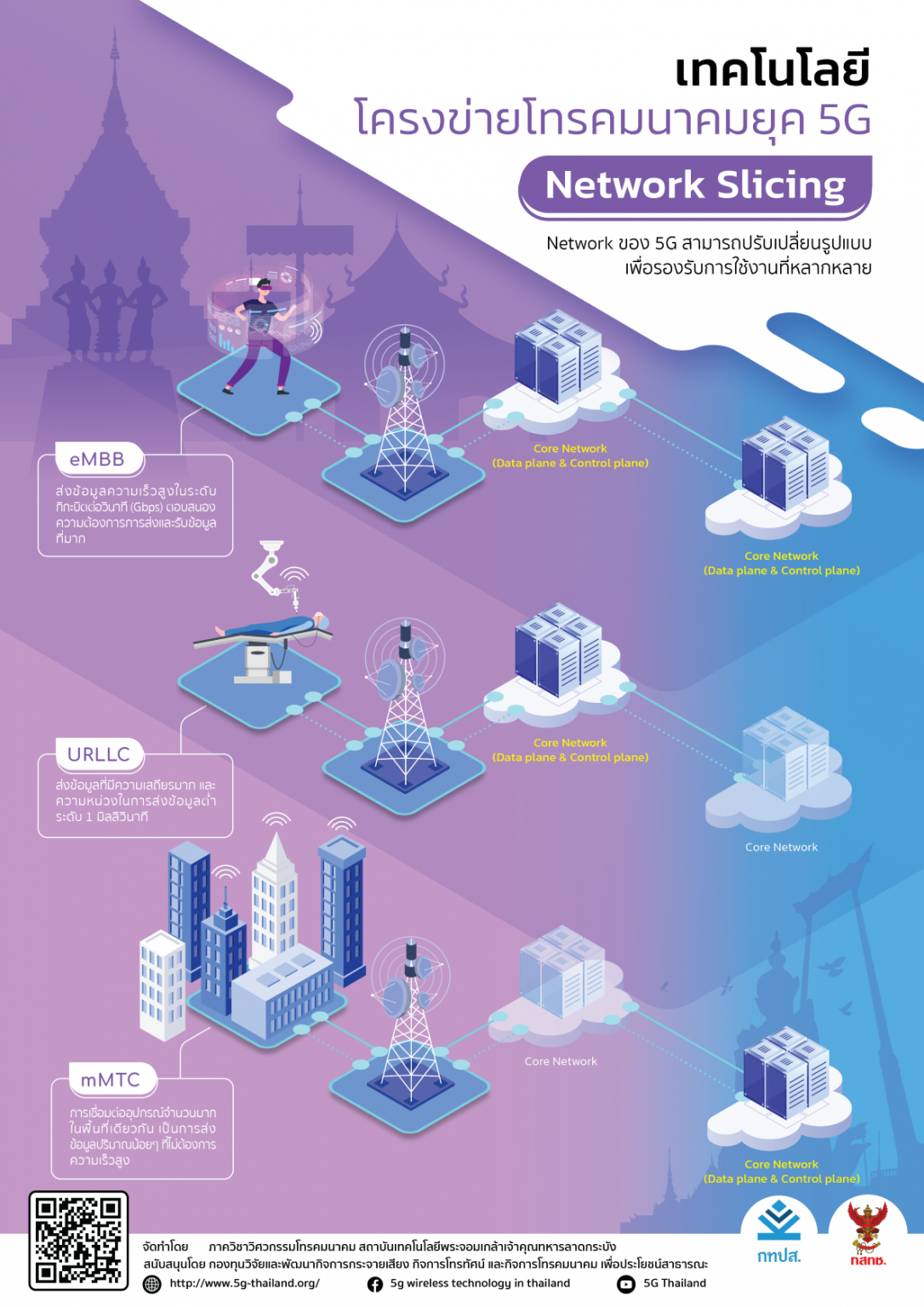
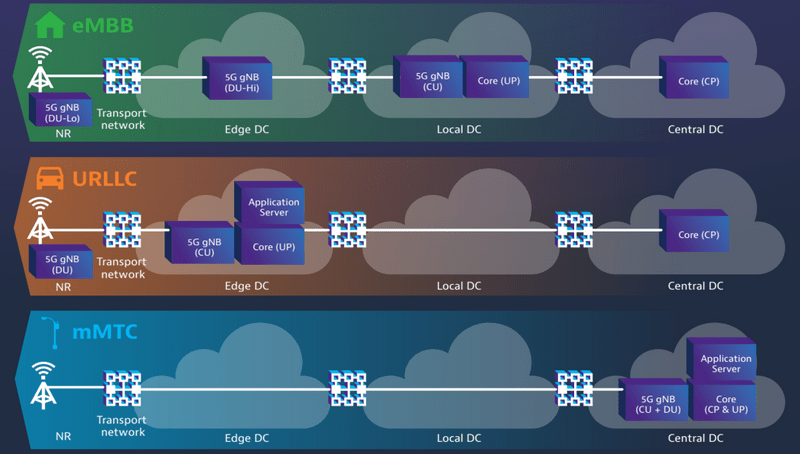
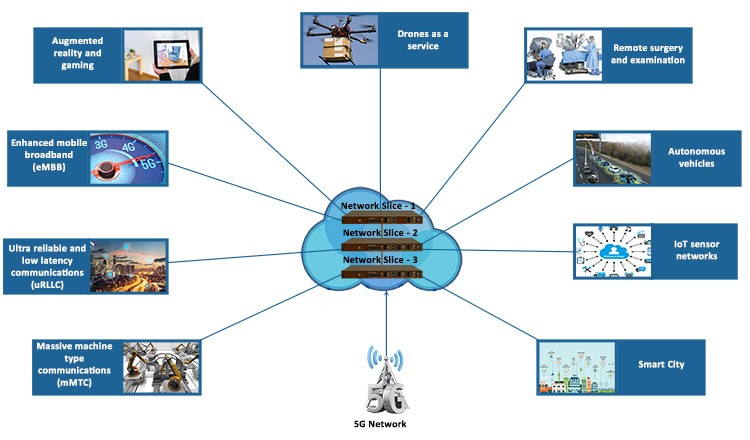
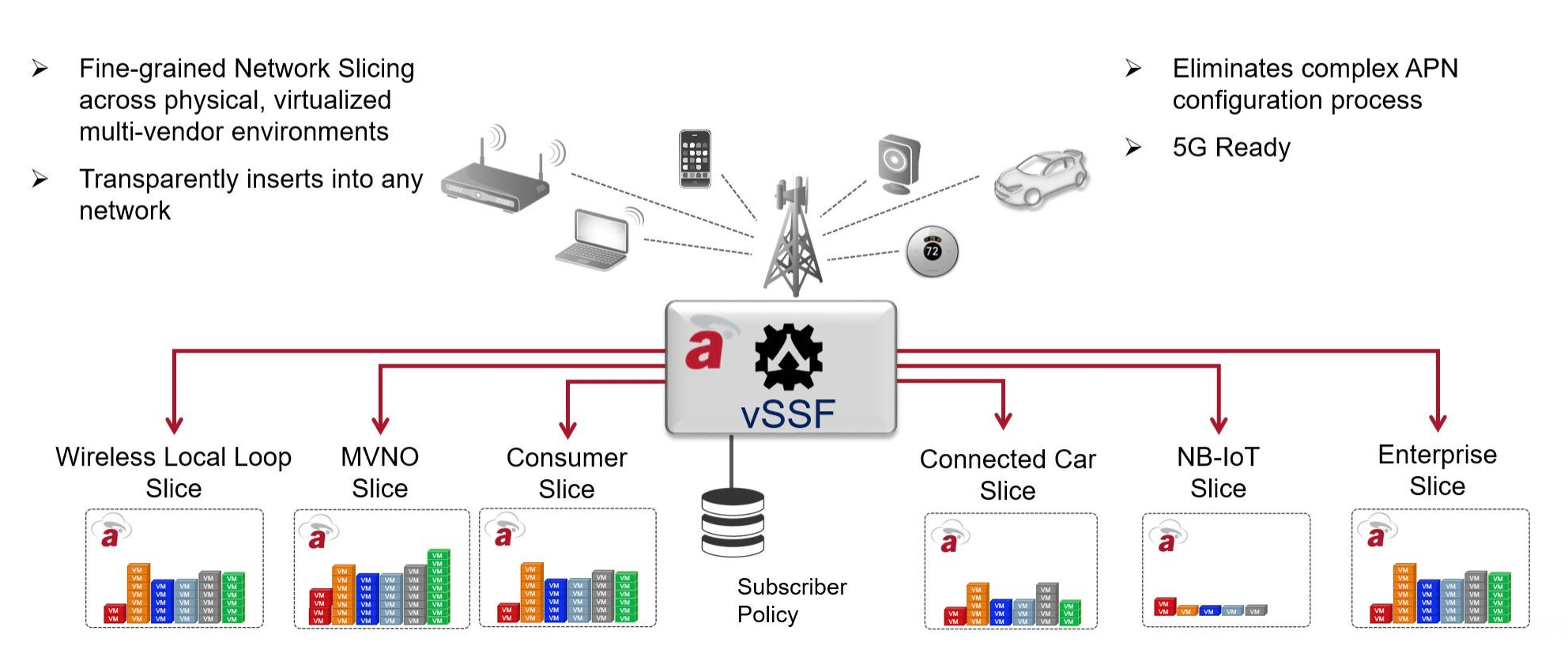
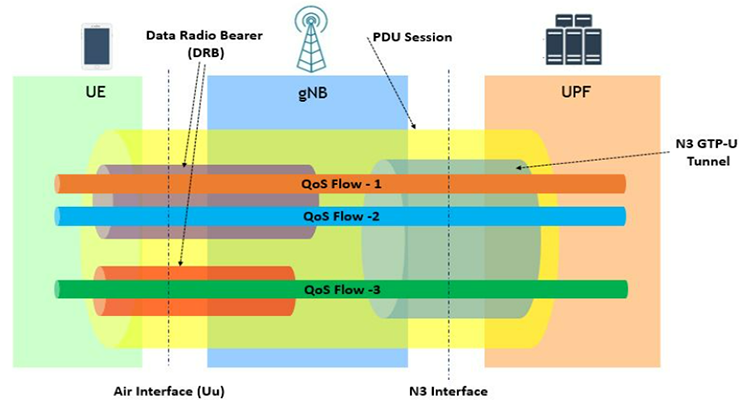
5G wireless network slicing technology is a powerful tool that enables the creation of multiple virtual networks on a single physical infrastructure. Each network slice is designed to meet specific service requirements, such as latency, bandwidth, and reliability, ensuring that different services can be delivered over the same network without compromising on quality.
The Benefits of 5G Wireless Network Slicing Technology
- Improved User Experience: With network slicing, users can enjoy faster download and upload speeds, lower latency, and a more reliable connection, leading to a better overall user experience.
- Cost Savings: Network slicing allows operators to share resources between different services, reducing the need for separate infrastructure and resulting in significant cost savings.
- Increased Efficiency: Network slicing enables operators to optimize their network resources, reducing congestion and improving overall network efficiency.
- Enhanced Security: Network slicing provides a secure and isolated environment for different services, ensuring that sensitive data is protected and compromised by unauthorized access.
How Does 5G Wireless Network Slicing Technology Work?
Network slicing requires a Standalone 5G network, which consists of end-to-end 5G hardware infrastructure and software that manages bandwidth and other resources across the network. The software component is responsible for creating and managing multiple network slices, each tailored to meet specific service requirements.

Applications of 5G Wireless Network Slicing Technology
- IoT Services: Network slicing enables the creation of dedicated virtual networks for IoT services, ensuring that critical data is delivered reliably and securely.
- Autonomous Vehicles: Network slicing provides the required low-latency and high-reliability connectivity for autonomous vehicles, ensuring safe and efficient transportation.
- Healthcare Services: Network slicing enables the creation of dedicated virtual networks for healthcare services, ensuring that critical medical data is delivered securely and reliably.
Challenges and Opportunities in 5G Wireless Network Slicing Technology
While network slicing offers numerous benefits, it also presents several challenges and opportunities, including:
- Technical Complexity: Network slicing requires sophisticated software and hardware components, increasing the complexity of network management and deployment.
- Standardization: The lack of standardization in network slicing technologies poses a significant challenge to widespread adoption.
- Security: Network slicing raises new security concerns, as sensitive data is transmitted over shared infrastructure.
Conclusion
5G wireless network slicing technology has the potential to revolutionize the future of wireless communications, enabling the creation of dedicated virtual networks that meet specific service requirements. As the industry continues to evolve, it's essential to address the challenges and opportunities presented by network slicing, ensuring that this technology is deployed efficiently and effectively.
As we move forward, it's clear that 5G wireless network slicing technology will play a crucial role in shaping the future of wireless communications, enabling new services, and improving the user experience. By understanding the benefits, challenges, and applications of network slicing, we can unlock the full potential of 5G networks and create a more connected and efficient world.