Home Network Setup Process: A Comprehensive Guide
Setting up a robust and reliable home network is crucial for seamless internet access and connectivity across all your devices. In this article, we'll walk you through a step-by-step guide on how to setup a home network, covering everything from choosing the right equipment to securing your Wi-Fi network.Step 1: Plan Your Home Network
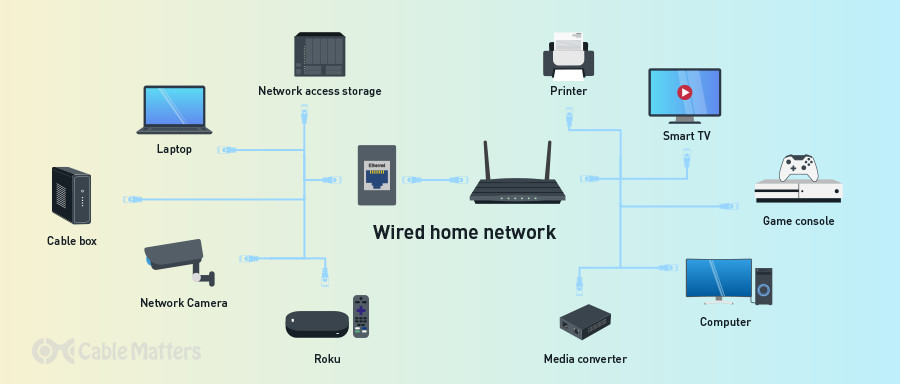
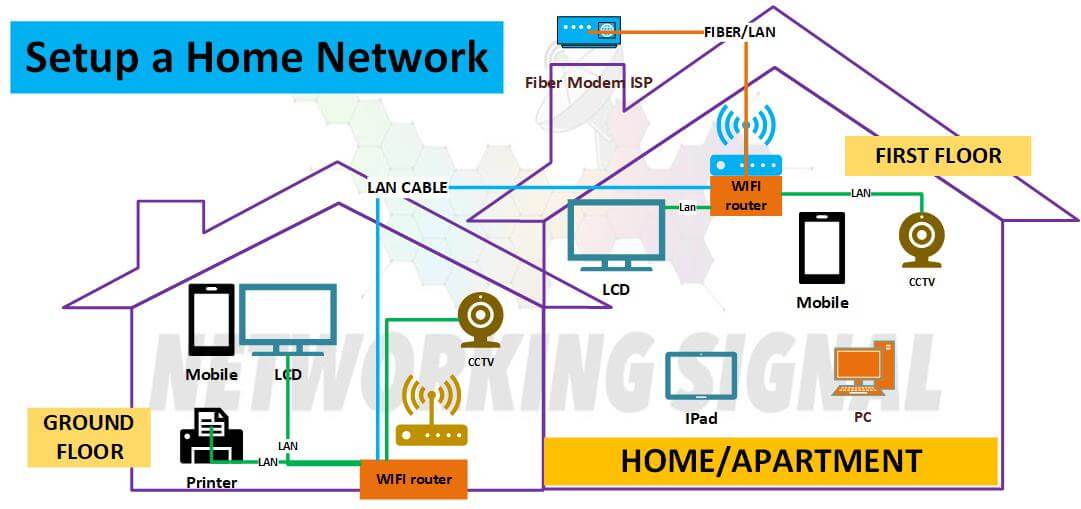
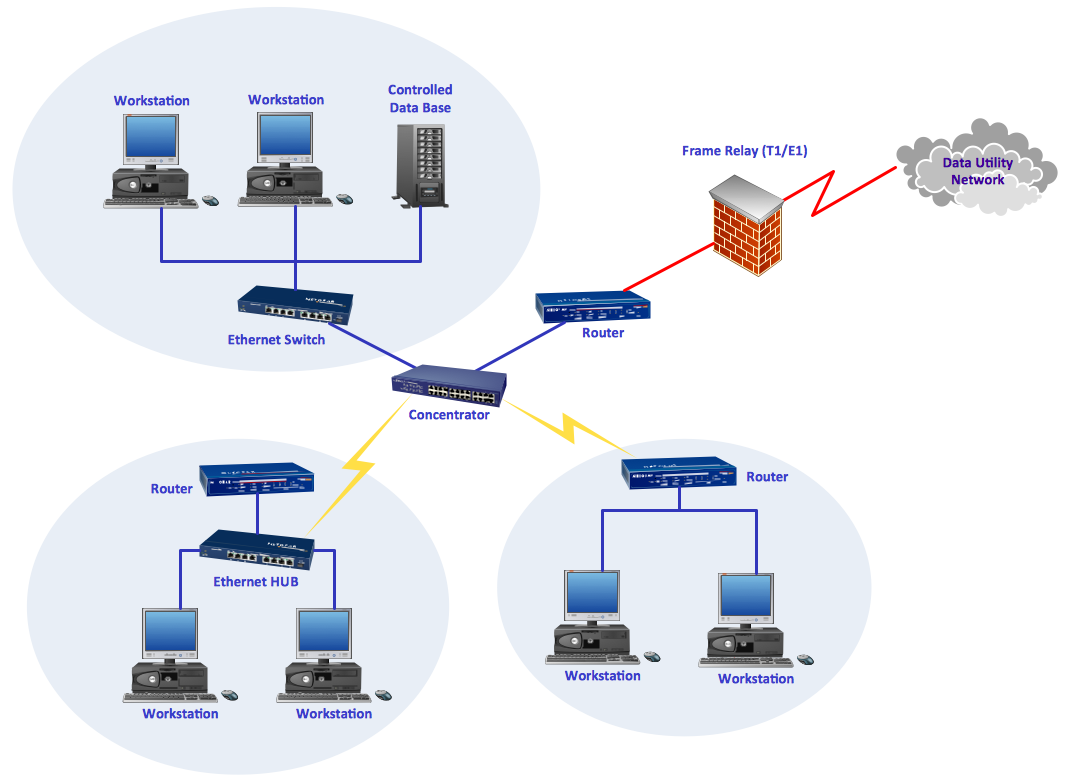
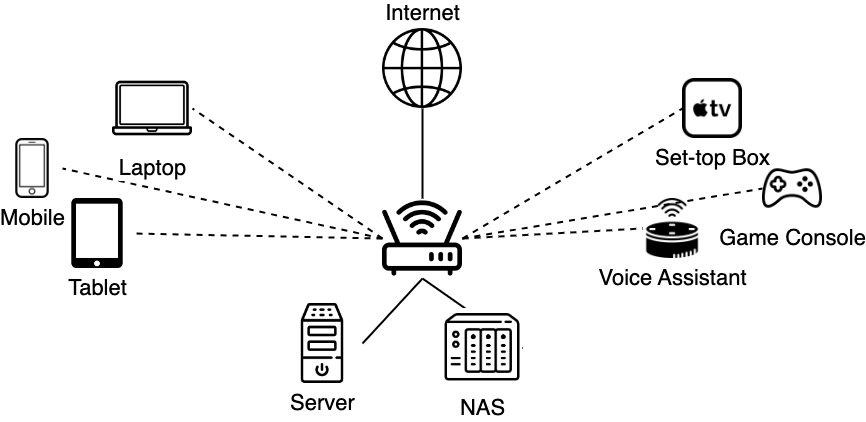
Before you begin, it's essential to plan your home network carefully. Start by identifying the areas of your home where you need internet access and decide on the type of network you want to set up. You can choose between a wired or wireless network, or a combination of both. Wired networks provide faster speeds and more stable connections, but they can be messy and require more setup. Wireless networks are easier to set up but may be slower and more prone to interference.Step 2: Choose the Right Equipment
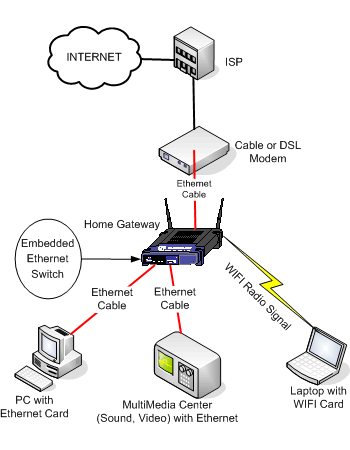
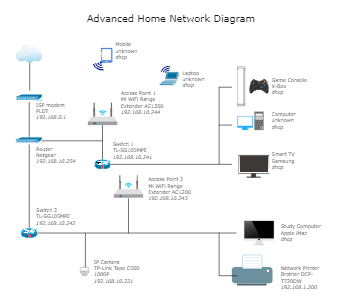
To set up a home network, you'll need to choose the right equipment, including a modem, router, and Wi-Fi access points. The modem connects to your internet service provider (ISP) and supplies your router with an internet connection. The router then distributes this connection to devices on your network. Consider investing in a Wi-Fi 6 router, which offers faster speeds and better performance.Step 3: Setup Your Modem and Router
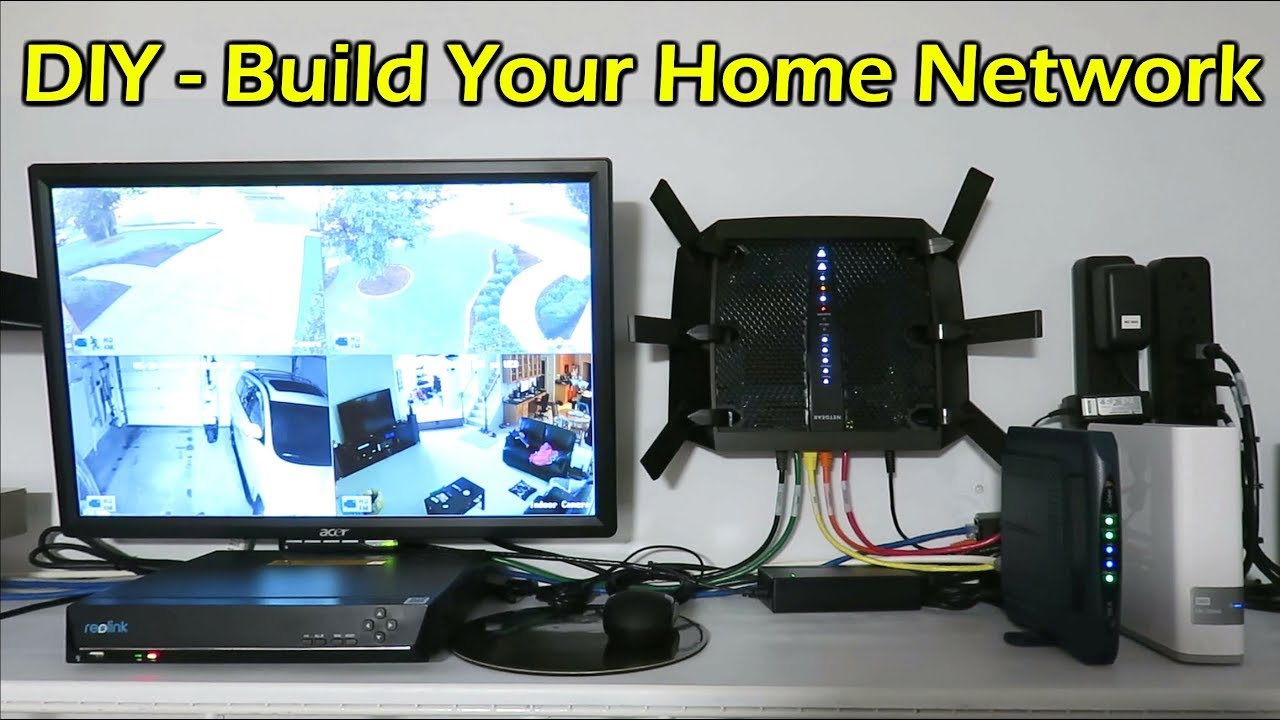
Once you have your equipment, it's time to set up your modem and router. Locate the modem in a quiet, dry place and plug it in. Follow the manufacturer's instructions to configure the modem and connect it to your ISP. Next, set up your router and connect it to the modem. Use an Ethernet cable to connect the router to the modem. This will ensure a stable and fast connection.Step 4: Secure Your Wi-Fi Network
Securing your Wi-Fi network is essential to prevent unauthorized access and protect your personal data. Change the default administrator password for your router and set up a strong Wi-Fi password using a combination of letters, numbers, and special characters. Consider enabling WPA3 encryption, which is the latest and most secure encryption standard.Step 5: Optimize Your Network Performance
To ensure optimal network performance, consider the following tips:- Position your router correctly to minimize interference from other devices.
- Use a Wi-Fi analyzer app to identify and avoid channels that are crowded or overlapped.
- Regularly update your router's firmware to ensure you have the latest security patches and performance enhancements.
- Use Quality of Service (QoS) features to prioritize devices and applications that require a high level of bandwidth.