The Complex Relationship Between the Hypothalamus and GLP-1: Uncovering the Secrets of Weight Loss and Metabolism
The Hypothalamus and GLP-1: A Partnership for Sustainable Weight Loss? The human body is a complex entity, with various organs and systems working in harmony to maintain overall health and well-being. Among these systems, the hypothalamus and glucagon-like peptide-1 (GLP-1) play a crucial role in regulating appetite, metabolism, and weight management. In this article, we'll delve into the intricate relationship between the hypothalamus and GLP-1 and explore the potential implications of this partnership for sustainable weight loss.What is the Hypothalamus?
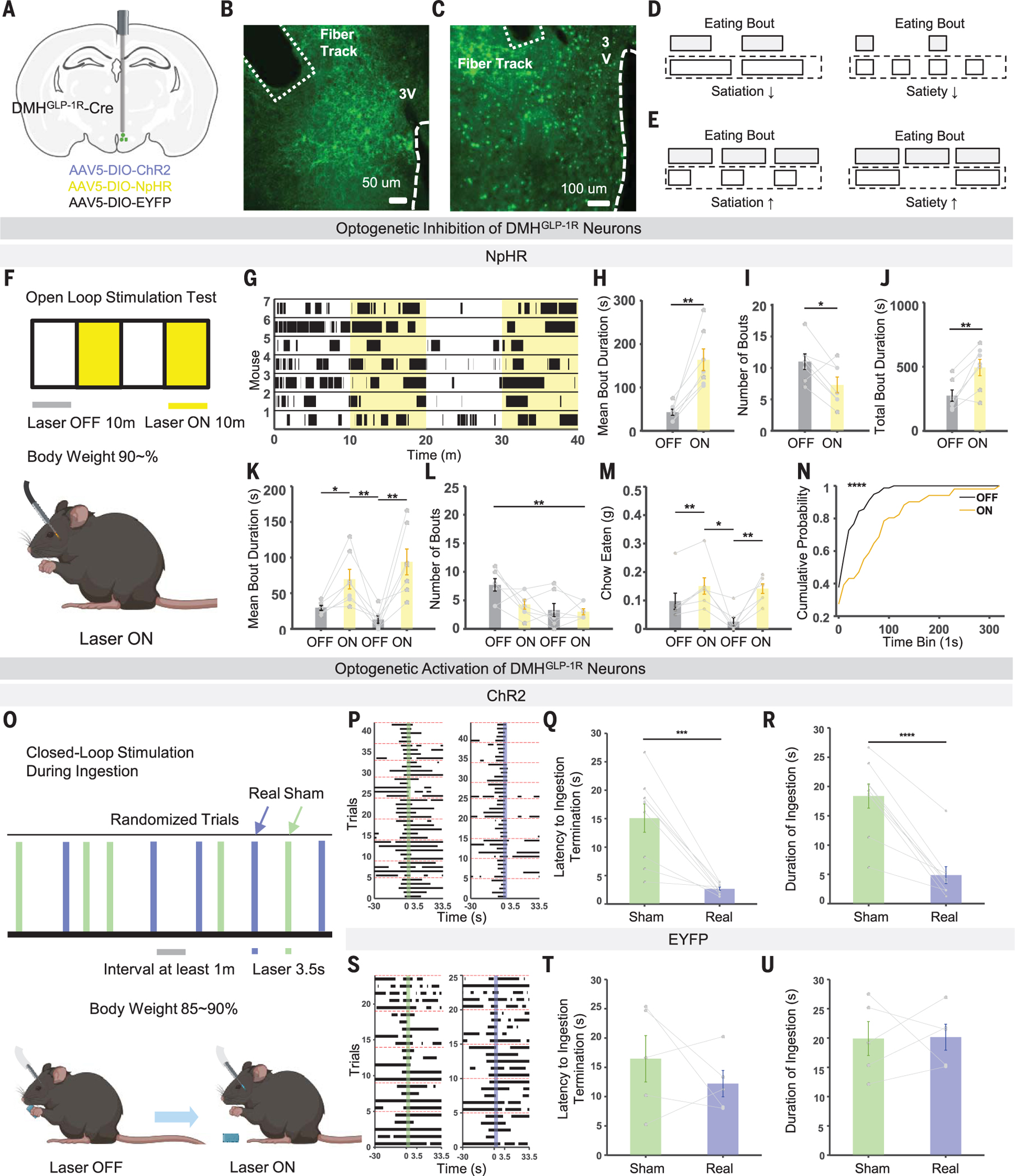
The hypothalamus is a small region in the brain that acts as the primary control center for various bodily functions, including hunger, thirst, body temperature, and blood pressure. It is responsible for regulating energy balance and is sensitive to changes in blood glucose levels, which triggers a cascade of signals that influence appetite, satiety, and food intake.What is GLP-1?
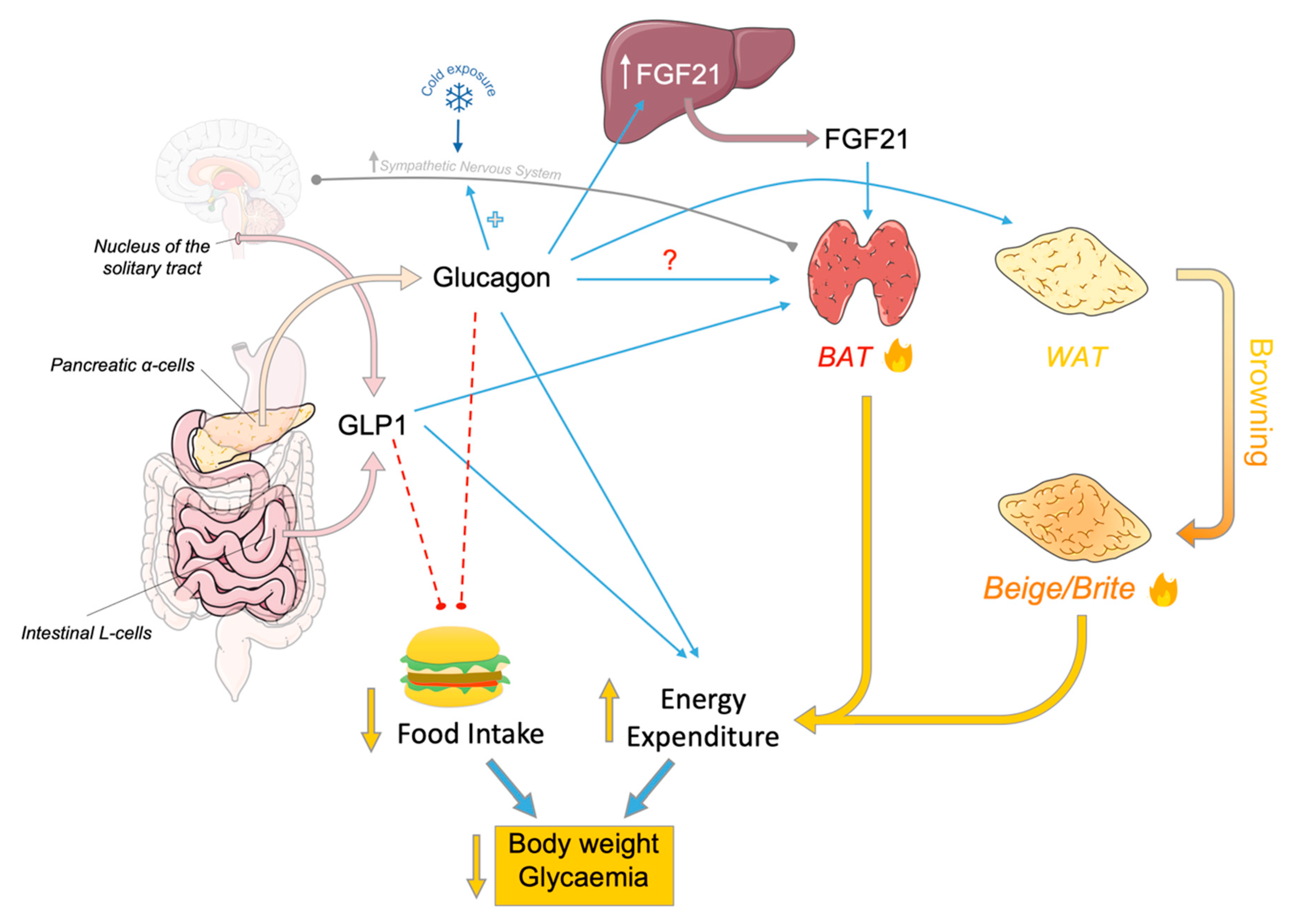
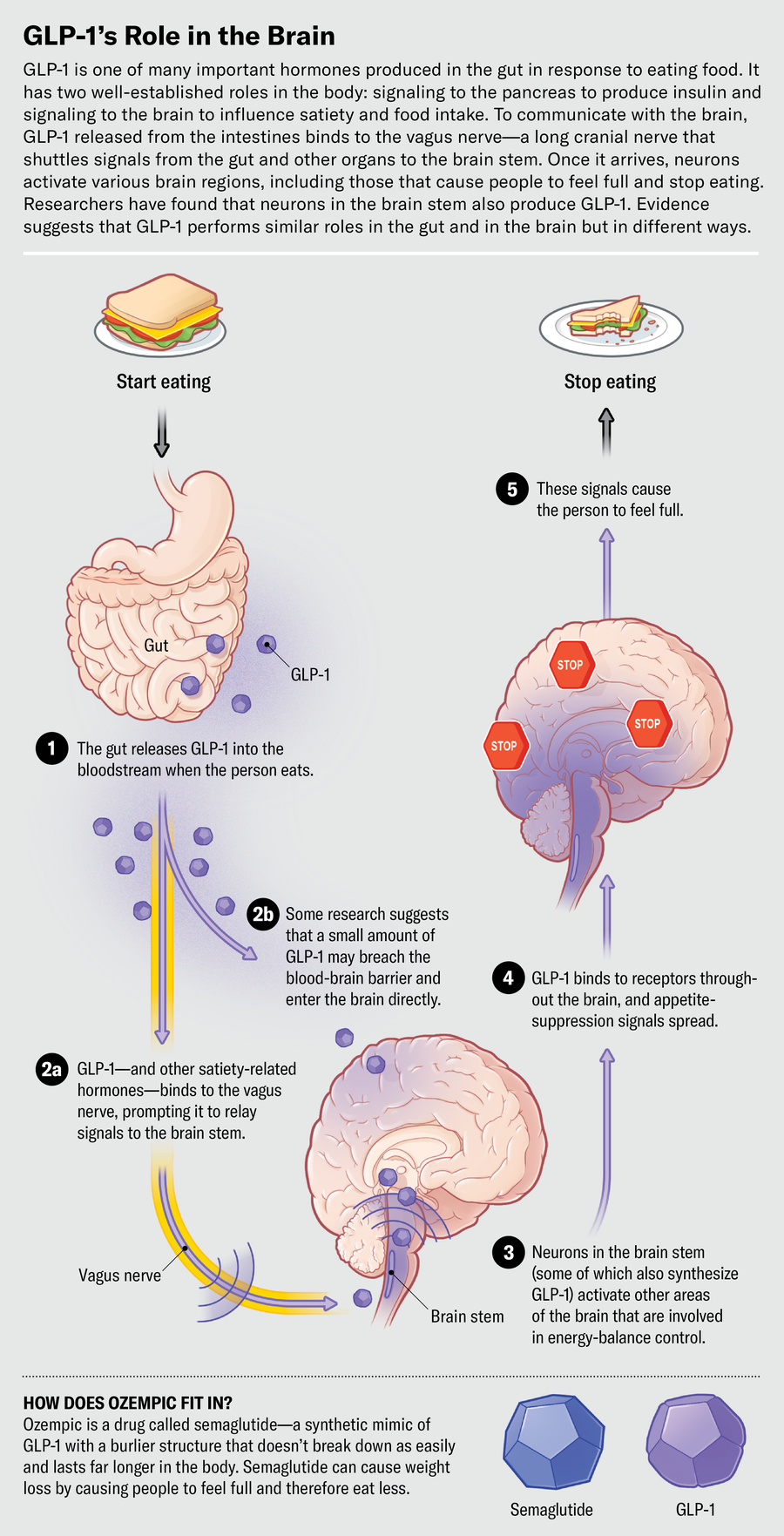
Glucagon-like peptide-1 (GLP-1) is an incretin hormone produced by the L-cells in the small intestine. GLP-1 acts as a neurotransmitter, transmitting signals to the brain, particularly the hypothalamus, to regulate appetite, satiety, and glucose homeostasis. Research has shown that GLP-1 plays a pivotal role in signaling the termination of food consumption, reducing appetite, and enhancing insulin secretion.The Interaction between Hypothalamus and GLP-1: A Complex Relationship