Intermittent Fasting and GLP-1 for Women Over 50: A Comprehensive Guide
As women approach menopause and beyond, they often experience unwanted changes in blood sugar, body fat, and blood lipid levels. Intermittent fasting (IF) has been shown to help manage these changes, but some women may be hesitant to try it due to concerns about safety and appropriateness for their age group.
The Benefits of Intermittent Fasting for Women Over 50
Intermittent fasting can be a powerful tool for weight loss, reducing inflammation, and improving cardiovascular health. Research has also shown that IF can help improve blood sugar control and insulin sensitivity, which is especially important for women over 50 who are at risk for developing type 2 diabetes.
- Weight loss and improved body composition
- Reduced inflammation and improved cardiovascular health
- Improved blood sugar control and insulin sensitivity
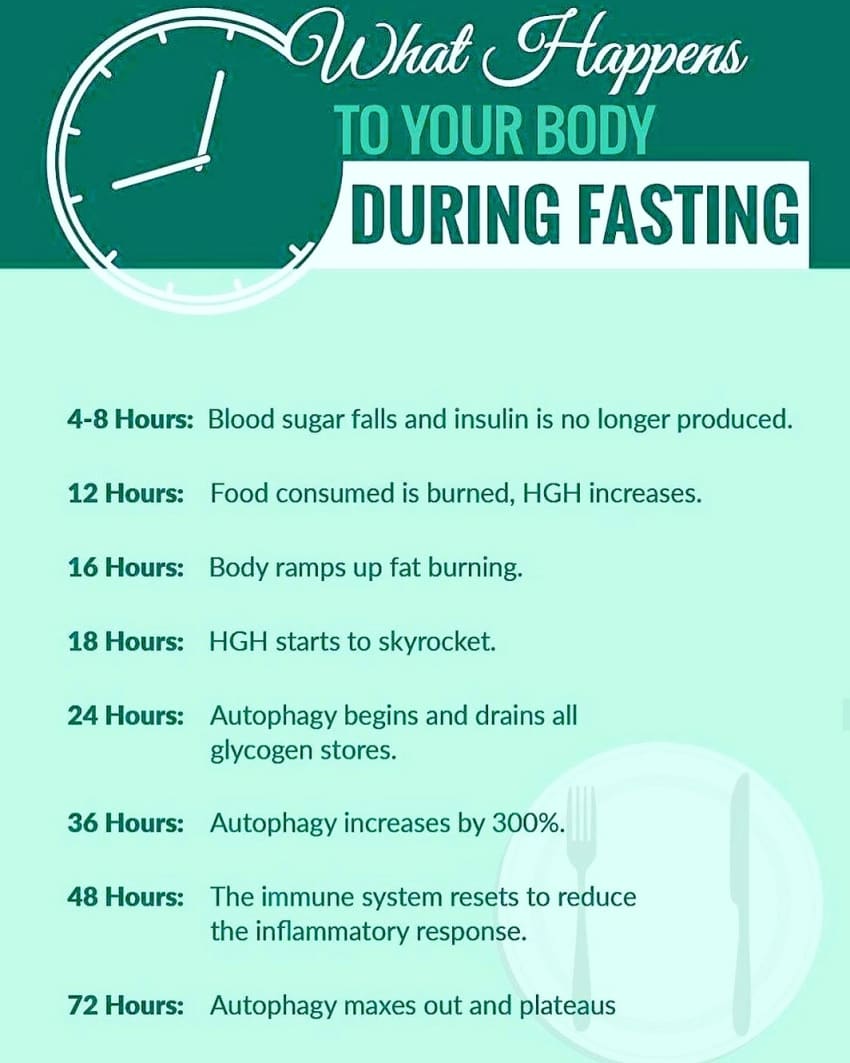
- Increased human growth hormone (HGH) production
- Improved cognitive function and reduced risk of neurodegenerative diseases
What is GLP-1 and How Does it Relate to Intermittent Fasting?
GLP-1 (glucagon-like peptide-1) is a hormone that plays a crucial role in regulating blood sugar levels, appetite, and insulin response. GLP-1 medications, such as Ozempic and Saxenda, have been shown to be effective for weight loss and improving blood sugar control in people with type 2 diabetes.
Research has also shown that intermittent fasting can help increase GLP-1 levels, which can lead to improved blood sugar control and weight loss. Combining intermittent fasting with GLP-1 medications may be a powerful strategy for weight loss and improving metabolic health.
How to Practice Intermittent Fasting Safely and Effectively for Women Over 50

While intermittent fasting can be safe and effective for most people, it's essential to approach it with caution, especially for women over 50 who may be experiencing hormonal changes and menopause. Here are some tips for practicing intermittent fasting safely and effectively:
- Start with a gentle approach: Begin with a 12-hour or 16-hour fasting window and gradually increase the duration as your body adapts.
- Listen to your body: If you experience any adverse effects, such as dizziness, lightheadedness, or nausea, consider adjusting your fasting schedule or consulting with a healthcare professional.
- Stay hydrated: Drink plenty of water during your fasting window to help reduce side effects and support overall health.
- Nourish your body: Eat nutrient-dense foods during your eating window to support overall health and weight loss.
- Be consistent: Stick to your fasting schedule consistently to see optimal results.
Conclusion
Intermittent fasting and GLP-1 medications may be a powerful combination for weight loss and improving metabolic health in women over 50. By understanding the benefits and risks of intermittent fasting and combining it with GLP-1 medications, women can take control of their health and achieve their weight loss goals. Remember to approach intermittent fasting with caution and consult with a healthcare professional if you have any concerns.
Recommended Reading
For more information on intermittent fasting and GLP-1 medications, check out the following resources:
- The Complete Guide to Intermittent Fasting for Women Over 50
- Intermittent Fasting for Women Over 50: A Proven Purification System
- The Power of Intermittent Fasting for Women Over 50