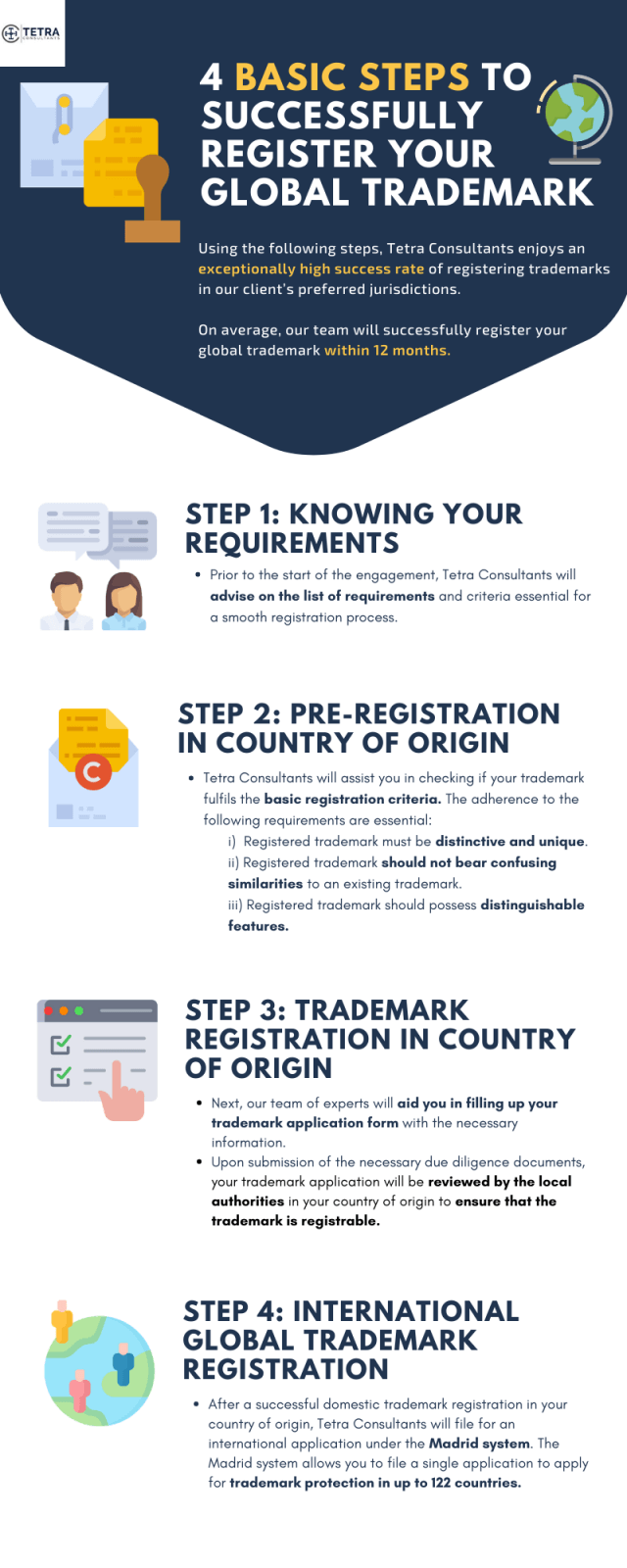
International Trademark Search and Dispute Resolution: Navigating the Global Playing Field
In today's interconnected world, trademarks are no longer a domestic concern. A brand's reputation often extends far beyond its national borders, making international trademark disputes a complex and challenging issue. As a business, adopting a proactive, global strategy to safeguard your most valuable intellectual property (IP) assets is essential.
Conducting an International Trademark Search
Conducting a comprehensive international trademark search is a crucial step to ensure the availability of your chosen mark and mitigate the risk of potential conflicts, infringement issues, and costly legal disputes in different jurisdictions. Utilize the World Intellectual Property Organization (WIPO) Global Brand Database to search internationally protected trademarks, appellations of origin, state emblems, etc.
Ensure continuous monitoring to identify conflicts and potential infringements early in international markets. Engage specialized legal counsel knowledgeable in jurisdictional laws and international treaties like the Madrid Protocol for strategic dispute resolution.
The Importance of Alternatives to Litigation
International trademark disputes involve complex issues that often require time-consuming and costly litigation. However, there are alternatives to litigation that can provide faster and more cost-effective dispute resolution options. The World Intellectual Property Organization (WIPO) Arbitration and Mediation Center offers efficient international mechanisms for dealing with disputes over internet domain names corresponding to trademark rights.
WIPO's services include arbitration, mediation, and other alternatives to litigation, often resolving disputes faster and at lower costs than traditional litigation. Moreover, WIPO's Arbitration and Mediation Center provides highly qualified neutral panelists, thorough and expeditious administrative procedures, and overall impartiality and credibility.
International Dispute Resolution Statistics and Trends

According to the International Chamber of Commerce (ICC) Dispute Resolution Statistics 2024, the number of international disputes submitted to the ICC International Court of Arbitration and the ICC International Centre for ADR continues to rise.
The statistics provide an in-depth breakdown of the numbers and global reach of ICC Arbitration and other ICC Dispute Resolution Services worldwide. These statistics highlight the growing importance of alternative dispute resolution (ADR) mechanisms, specifically arbitration, for solving intellectual property disputes.
Why Adopt International Trademark Search and Dispute Resolution Strategies?
Businesses operating in the global market must adopt a proactive approach to safeguard their most valuable IP assets. Conducting an international trademark search and engaging in strategic dispute resolution mechanisms like arbitration can provide numerous benefits, including:
- Reducing the risk of costly legal disputes
- Ensuring the availability of chosen marks in international markets
- Providing faster and more cost-effective dispute resolution options
- Enhancing brand reputation and protection
Conclusion
International trademark search and dispute resolution are critical components of international trademark law, addressing conflicts that arise across different jurisdictions. As businesses navigate the increasingly complex global playing field, adopting a proactive, global strategy to safeguard IP assets is essential. By understanding the importance of international trademark search and dispute resolution, businesses can mitigate the risk of conflicts, infringement issues, and costly legal disputes in different jurisdictions.
Whether you are a business, government, or individual, the WIPO Global Brand Database and WIPO's Arbitration and Mediation Center provide valuable resources and services for searching trademarks and resolving international trademark disputes. Stay ahead of the curve and adopt international trademark search and dispute resolution strategies to safeguard your most valuable intellectual property assets.