GLP-1 Receptor Agonists and Kidney Function: The Emerging Role of Diabetes Drugs in Kidney Health
Glucagon-like peptide-1 (GLP-1) receptor agonists have revolutionized the treatment of type 2 diabetes, offering improved glycemic control and weight loss. However, research has also uncovered their potential benefits for kidney health, sparking a new wave of interest in the role of these drugs in chronic kidney disease (CKD) management.
Understanding the Mechanisms Behind GLP-1 Receptor Agonists
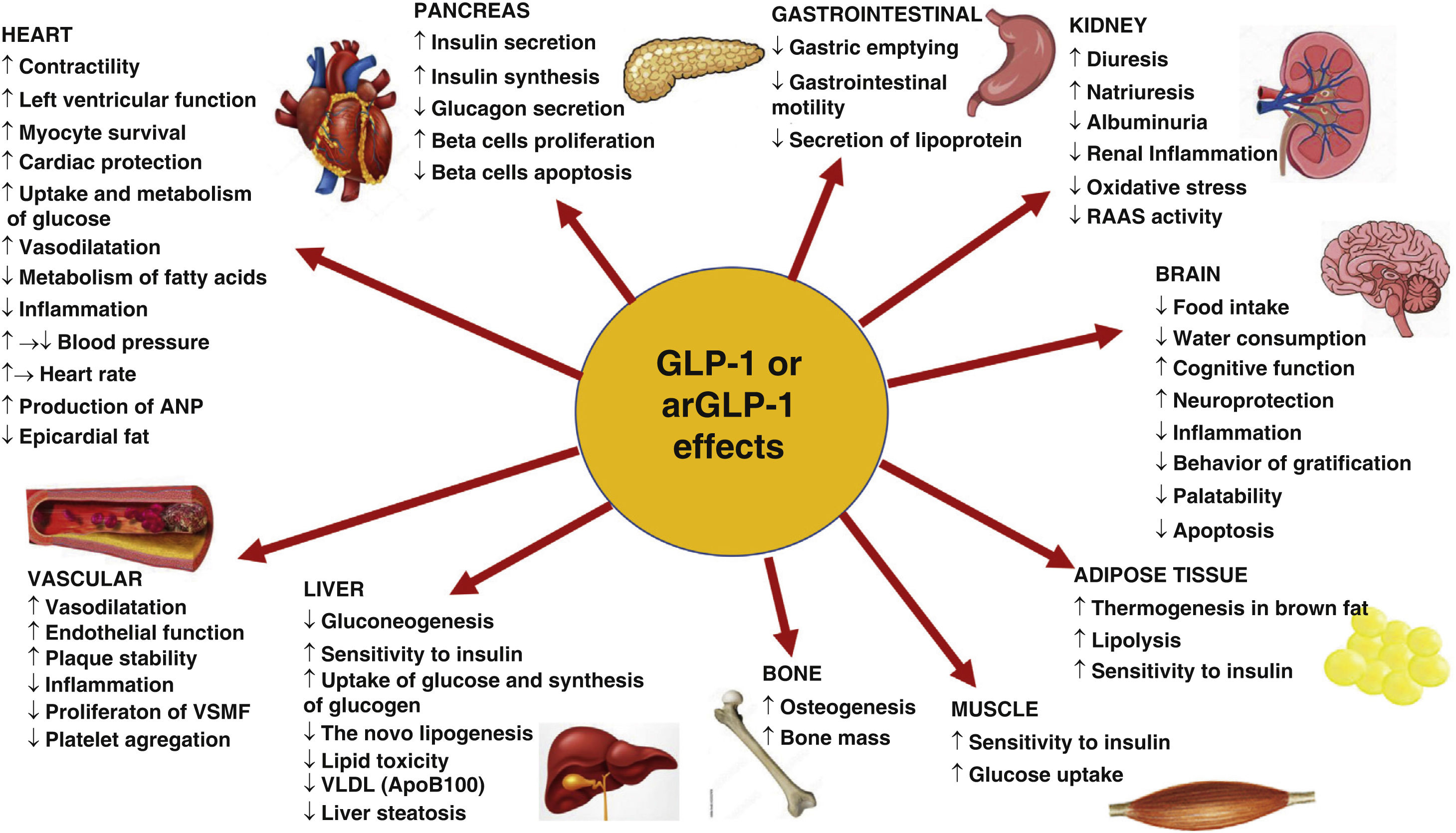
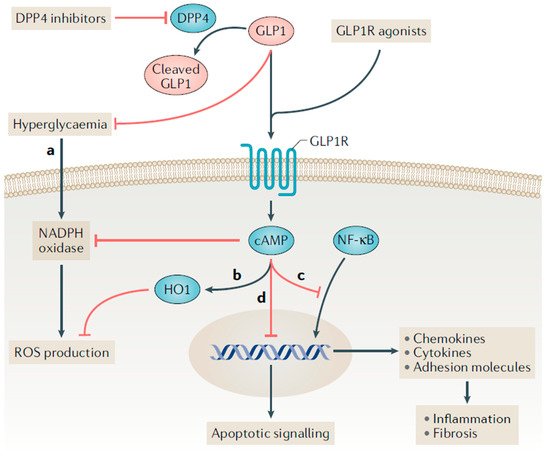
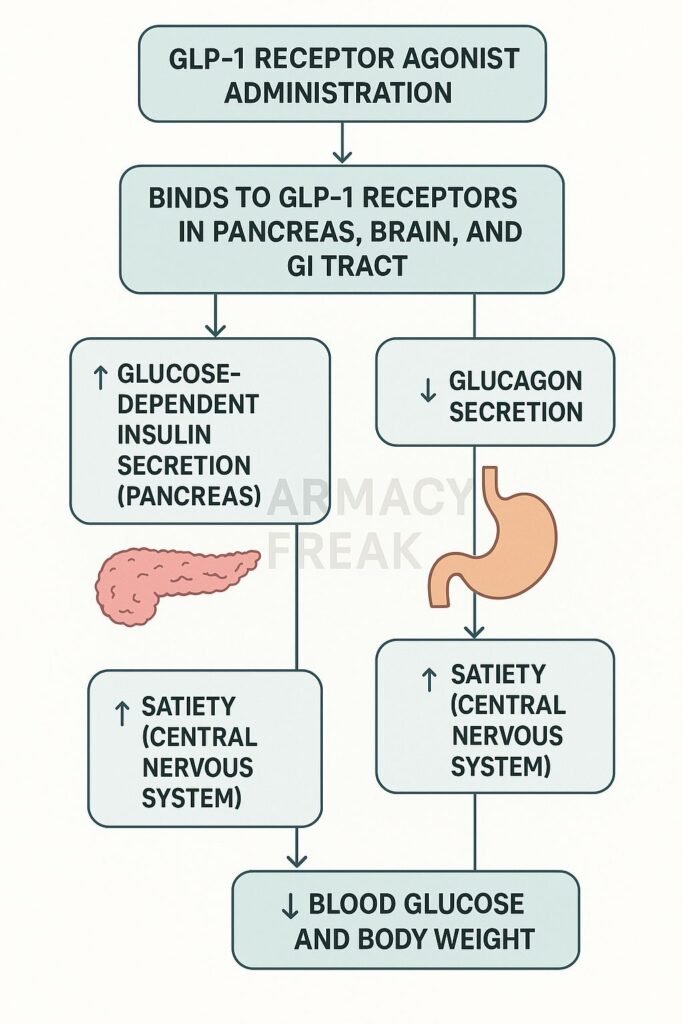
GLP-1 receptor agonists mimic the natural hormone GLP-1, which is released after eating to regulate blood sugar levels. By activating the GLP-1 receptor, these medications stimulate insulin production, slow gastric emptying, and reduce glucagon release, thereby improving glucose homeostasis. This unique mechanism of action not only enhances glycemic control but also has renoprotective effects, suggesting their potential in CKD management.
Renoprotective Effects of GLP-1 Receptor Agonists
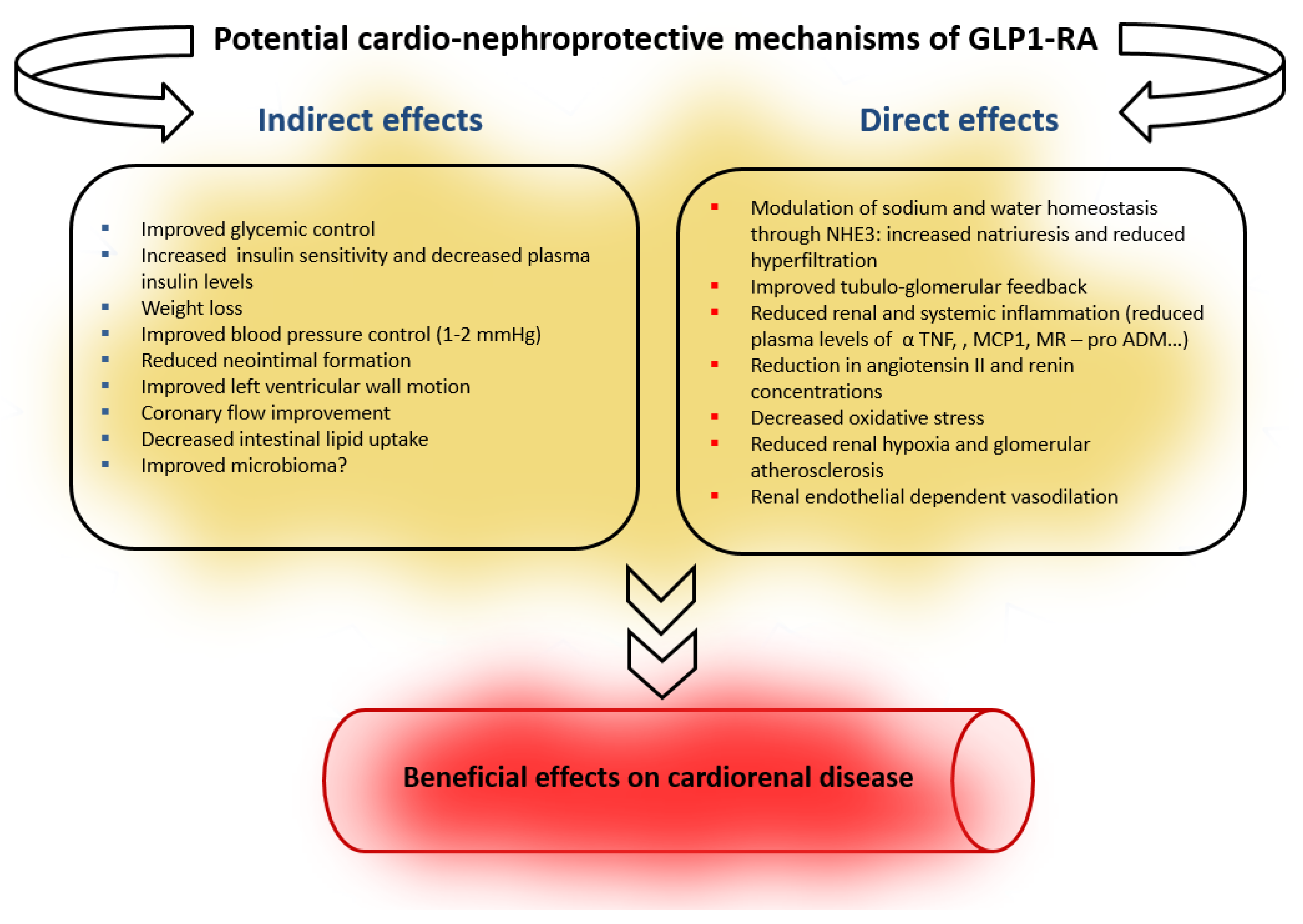
Studies have shown that GLP-1 receptor agonists can slow CKD progression by improving glycemic control, reducing albuminuria, and potentially protecting against glomerular damage. By improving tissue perfusion, these medications may also contribute to favorable kidney outcomes. Additionally, their cardiovascular benefits could indirectly enhance kidney health by reducing the risk of cardiovascular disease.
Emerging Evidence for GLP-1 Receptor Agonists in CKD Management
Research suggests that GLP-1 receptor agonists may be beneficial for patients with diabetes and CKD. A meta-analysis of cardiovascular outcomes trials found that these medications reduced the risk of major adverse cardiovascular events and hospitalization for heart failure. Furthermore, a recent study demonstrated that GLP-1 receptor agonists could slow CKD progression and reduce the risk of kidney disease progression in patients with diabetes.
Why GLP-1 Receptor Agonists Matter for Kidney Health

GLP-1 receptor agonists are gaining attention for their potential to improve kidney function and reduce the risk of kidney disease progression. These medications offer a promising new approach to CKD management, particularly for patients with diabetes. As the first step towards personalizing kidney care, GLP-1 receptor agonists may become a cornerstone therapy for patients with CKD.
The Future of GLP-1 Receptor Agonists in Kidney Health
Further research is needed to fully understand the role of GLP-1 receptor agonists in CKD management. Key questions remain: How can these medications be optimized to maximize renoprotective effects? What are the potential interactions between GLP-1 receptor agonists and other CKD management strategies? Answering these questions will help to refine our understanding of the therapeutic potential of GLP-1 receptor agonists in kidney health.
Conclusion
GLP-1 receptor agonists have emerged as a promising new class of medications for kidney health. With their unique mechanisms of action and potential benefits for kidney function, these medications hold great promise for CKD management. As research continues to unfold, it will be essential to address the potential interactions between GLP-1 receptor agonists and other CKD management strategies to optimize their renoprotective effects.
- GLP-1 receptor agonists are synthetic versions of incretin hormones that naturally regulate blood sugar after meals.
- These medications stimulate insulin release, slow gastric emptying, and reduce glucagon production.
- GLP-1 receptor agonists improve glycemic control, promote weight loss, and have demonstrated cardiovascular benefits.
- Studies suggest that GLP-1 receptor agonists may slow CKD progression by improving glycemic control, reducing albuminuria, and potentially protecting against glomerular damage.
- Further research is needed to fully understand the role of GLP-1 receptor agonists in CKD management.
By exploring the potential benefits and limitations of GLP-1 receptor agonists in kidney health, we can better understand their role in CKD management and make informed decisions about their use in clinical practice.