Diet Plans for Women's Pelvic Health: A Comprehensive Guide
The Importance of Nutrition for Pelvic Health
Pelvic floor health is a vital aspect of overall well-being, impacting everything from bladder control to sexual function. While exercises are commonly recommended for strengthening pelvic floor muscles, the role of a good diet is often overlooked. A well-planned diet can play a significant role in maintaining a healthy pelvic floor, reducing the risk of conditions such as prolapse, urinary incontinence, and pelvic pain.Nutrition for Pelvic Floor Dysfunction
The term "pelvic floor" refers to the group of muscles and surrounding tissues in the pelvic region that hold all of the pelvic organs in place. These organs include the bladder, bowels, rectum, and if you're a woman, the uterus, cervix, and vagina. Pelvic floor dysfunction occurs when these muscles and tissues are weakened or damaged, leading to a range of symptoms including urinary incontinence, fecal incontinence, and pelvic organ prolapse.Foods to Support Pelvic Floor Health
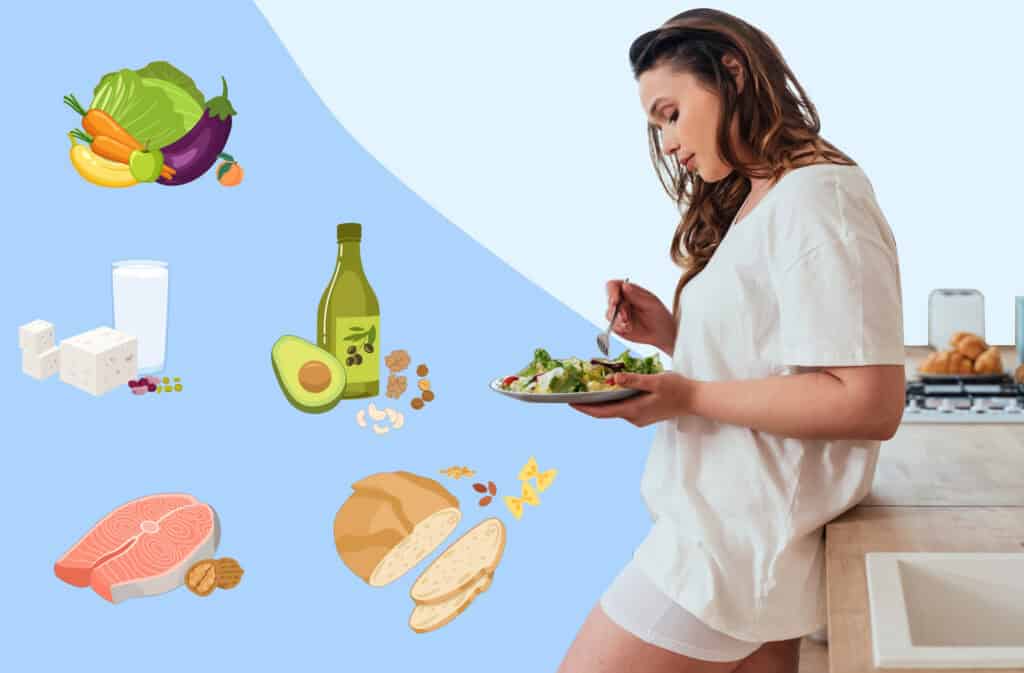
A nutrient-dense, well-balanced diet is essential for maintaining a healthy pelvic floor. Some of the best foods for supporting pelvic floor health include:- Leafy Greens: Leafy greens such as spinach, kale, and collard greens are rich in fiber, vitamins, and minerals that support pelvic floor health.
- Fatty Fish: Fatty fish such as salmon, tuna, and mackerel are rich in omega-3 fatty acids that reduce inflammation and promote healing in the pelvic area.
- Nuts and Seeds: Nuts and seeds such as almonds, sunflower seeds, and pumpkin seeds are rich in healthy fats, protein, and fiber that support pelvic floor health.
- Whole Grains: Whole grains such as brown rice, quinoa, and whole wheat bread provide sustained energy and fiber that support pelvic floor health.
- Probiotic-Rich Foods: Probiotic-rich foods such as yogurt, kefir, and kimchi support the growth of healthy gut bacteria that promote pelvic floor health.
Foods to Avoid for Pelvic Floor Health
- Processed Foods: Processed foods are high in unhealthy fats, sugar, and salt that can exacerbate inflammation and worsen pelvic floor symptoms.
- Sugary Drinks: Sugary drinks such as soda and sports drinks can lead to weight gain, inflammation, and worsen pelvic floor symptoms.
- Trans Fats: Trans fats are found in fried, processed, and fast foods and can increase the risk of endometriosis and other pelvic floor disorders.
- High-Sodium Foods: High-sodium foods can lead to water retention, bloating, and worsen pelvic floor symptoms.
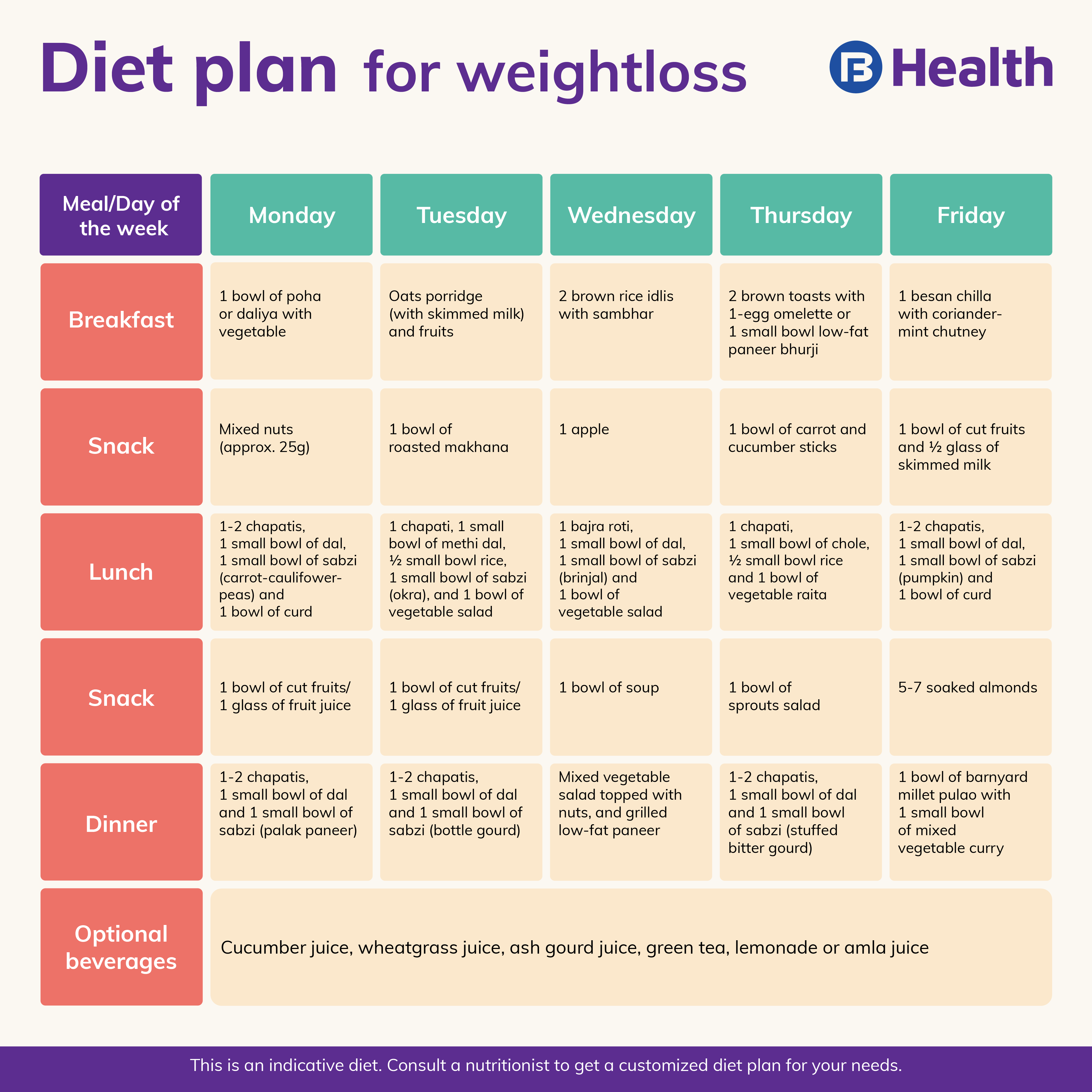
Best Diet Plans for Women's Pelvic Health
There are several diet plans that can help support pelvic floor health, including:- The Anti-Inflammatory Diet: This diet plan focuses on reducing inflammation and promoting healing in the pelvic area through the consumption of anti-inflammatory foods such as omega-3 fatty acids, antioxidants, and fiber-rich foods.
- The Elimination Diet: This diet plan involves eliminating common trigger foods such as gluten, dairy, and soy that can exacerbate pelvic floor symptoms.
- The Mediterranean Diet: This diet plan focuses on consuming whole grains, fruits, vegetables, lean protein, and healthy fats that promote pelvic floor health.




.jpg "Virtual Pelvic Floor Therapy | Hinge Health")