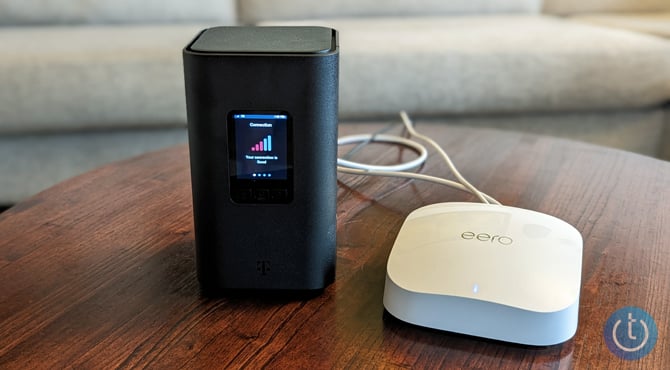
Step-by-Step Internet Setup at Home Guide
Are you looking to set up internet at home, but not sure where to start? Choosing the right internet service provider (ISP), selecting the right equipment, and setting up your network can be overwhelming. In this comprehensive guide, we'll walk you through the process of setting up your home internet network, from connecting your modem and router to securing your Wi-Fi network.Step 1: Choose Your Internet Service Provider (ISP)
The first step in getting internet access at home is choosing the right ISP. Research different providers in your area to compare their speeds, prices, and plans. Consider factors such as data caps, contract lengths, and customer support. Some popular ISPs include:- AT&T
- Verizon
- Comcast
- Charter Spectrum
Step 2: Select the Right Equipment
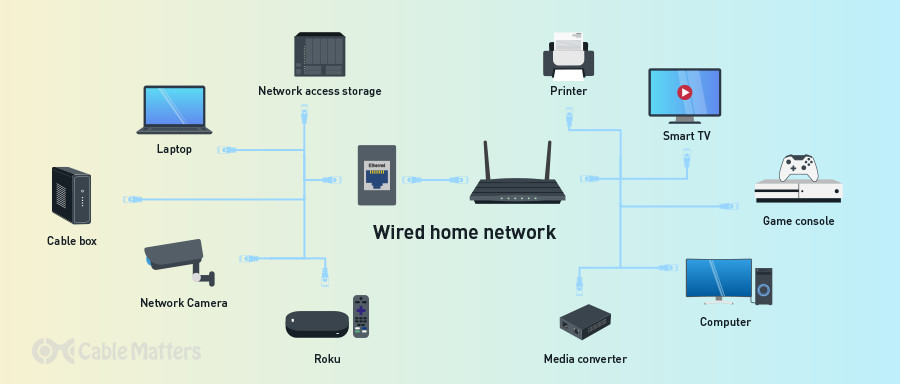
Once you've chosen your ISP, you'll need to select the right equipment for your home network. This typically includes:- Modem: converts digital signals into a format that can be used by your devices
- Router: connects your devices to the internet and also connects multiple devices to each other
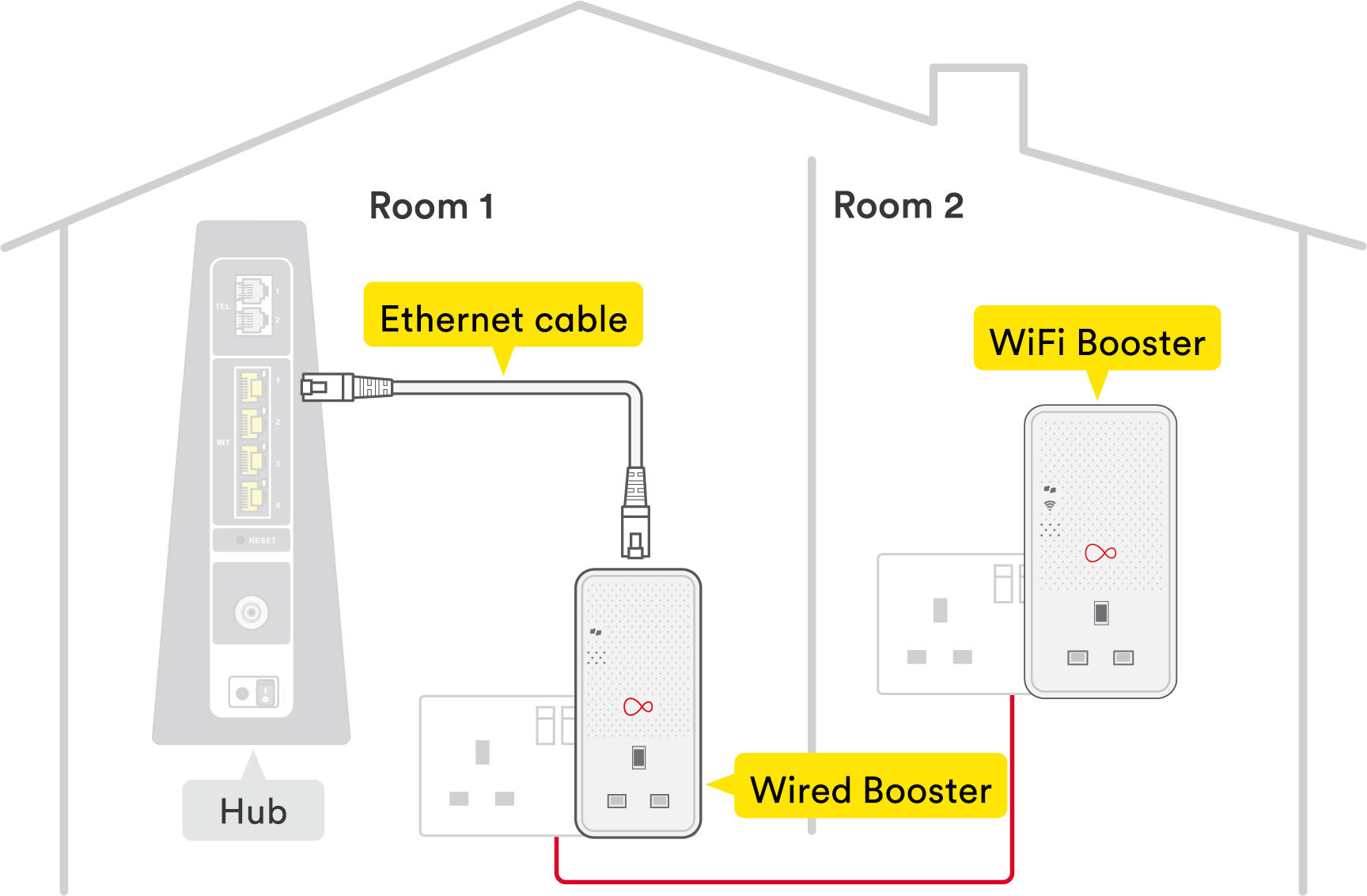
- Wi-Fi Access Point (WAP): extends the range of your Wi-Fi network
- Switch: connects multiple devices to your router
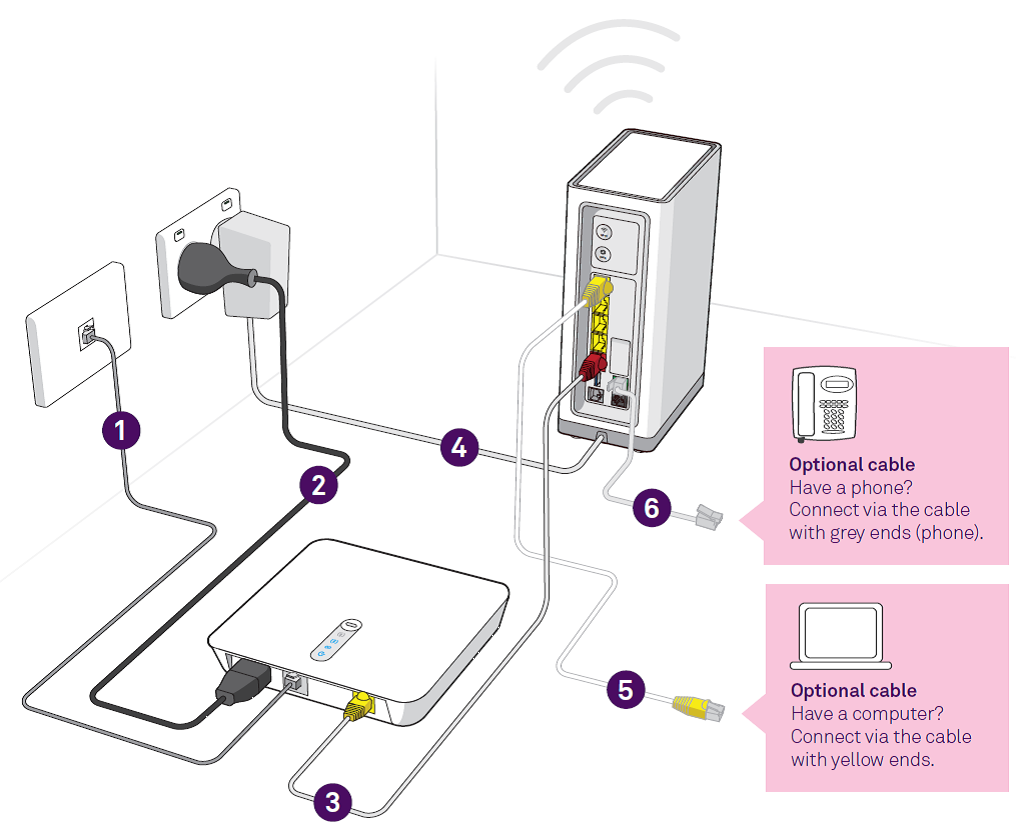
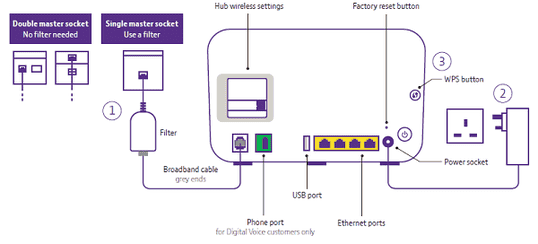
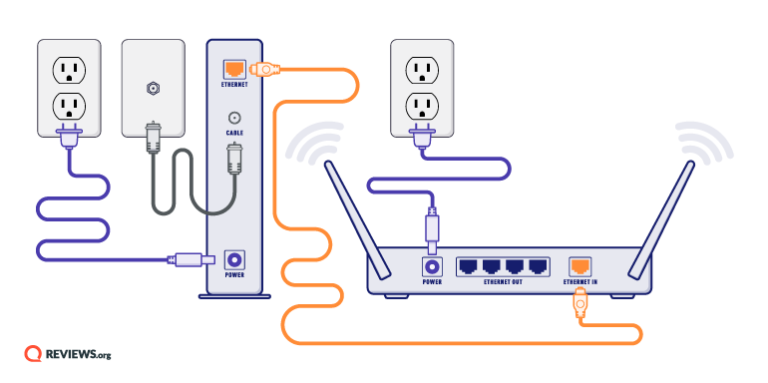
Step 3: Connect Your Modem and Router
Connect your modem to your router using an Ethernet cable. This will connect your home network to the internet. Next, connect your router to your computer or device using an Ethernet cable. This will allow you to configure your router and test your internet connection.Step 4: Configure Your Router
Once you've connected your router to your computer or device, you'll need to configure it. Log in to your router using its default IP address (usually 192.168.0.1 or 192.168.1.1). Change the admin password and update the firmware to ensure your router is secure and up-to-date.Step 5: Secure Your Wi-Fi Network
Step 6: Set Up Your Wi-Fi Network
Once you've secured your Wi-Fi network, you'll need to set it up on your devices. Connect your device to your Wi-Fi network using the network name (SSID) and password you created earlier. Make sure to update your device's operating system and browser to ensure you're getting the best possible internet speeds.Step 7: Troubleshoot Common Issues
If you're experiencing issues with your internet connection, there are a few common problems you can troubleshoot:- Slow speeds: check for physical obstructions, firmware updates, and Quality of Service (QoS) settings
- Connection drops: check for loose connections, firmware updates, and hardware issues
- Security issues: check for outdated firmware, weak passwords, and unsecured networks
Conclusion
Setting up your home internet network can seem overwhelming, but with this guide, you should be able to connect your modem and router, configure your router, secure your Wi-Fi network, and troubleshoot common issues. Remember to choose the right ISP, select the right equipment, and set up your network according to these steps to ensure a reliable and fast internet connection at home.Additional Resources
If you're still having trouble setting up your home internet network or need further assistance, consider the following resources:- ISP customer support: contact your ISP's customer support team for help with setup and troubleshooting
- Online forums: join online forums and communities to connect with other users who may have experienced similar issues
- Router documentation: refer to your router's documentation for specific setup instructions and troubleshooting guides