LinkedIn Profile Best Practices for Beginners
Creating a strong LinkedIn presence is essential for professionals looking to expand their network, enhance their reputation, and find new opportunities. With over 700 million users worldwide, LinkedIn has become an essential tool for career growth and professional success. However, many beginners struggle to create an effective LinkedIn profile that accurately represents their professional brand. In this article, we will discuss the key LinkedIn profile best practices for beginners, helping you to optimize your profile, build meaningful connections, and increase your visibility among potential employers and recruiters.
Why is a LinkedIn Profile Important?
Since people and organizations globally use LinkedIn, a LinkedIn profile will help you get noticed. An updated profile is a great way to ensure that you can be found by recruiters, hiring managers, and potential clients. A strong LinkedIn profile serves as a digital resume, showcasing your skills, experience, and personal branding. Whether you're a recent graduate, an entry-level professional, or an established expert, a LinkedIn profile is a valuable asset that can help you achieve your career goals.
Optimize Your Profile Headline
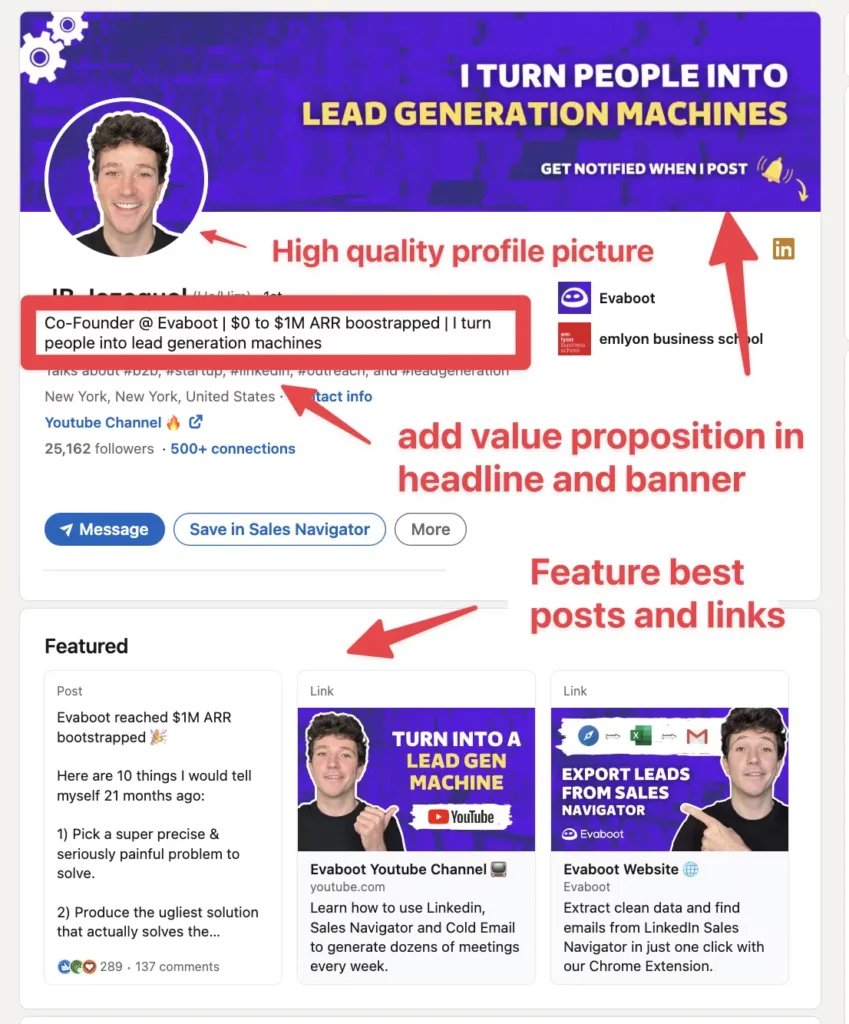
Begin by crafting a compelling headline that accurately represents your professional brand. Your headline should include the most important keywords relevant to your industry and expertise. Aim for a headline that is concise, yet informative, and includes action verbs that highlight your achievements. For example, "Marketing Manager | Digital Strategist | 5+ years of experience in driving business growth through creative campaigns." Remember, your headline is the first thing that potential employers and recruiters will see, so make it count!
Perfect Your Profile Picture
A high-quality profile picture is crucial in establishing a professional online presence. Use a recent photo that presents you in a professional light. Ensure the image is clear, well-lit, and in focus. Avoid using images with distracting backgrounds, sunglasses, or hats, as they may reduce the impact of your profile. Your profile picture should be a reflection of your personality, while also conveying a sense of professionalism.
Write a Compelling About SectionWrite a Compelling About Section
The About section is your chance to tell your story and showcase your personality. Write a compelling narrative that highlights your career journey, achievements, and goals. Use this opportunity to share your passions, values, and unique perspectives that set you apart from others. Use keywords relevant to your industry to help recruiters and potential employers find you. However, avoid using jargon or overusing buzzwords; focus on telling a story that engages and inspires your audience. Here's an example of an effective About section:
- "As a marketing professional with 5+ years of experience, I've had the privilege of working with top brands and developing innovative campaigns that drive business growth. My expertise lies in digital strategy, team management, and data analysis. When I'm not working, you can find me experimenting with new recipes in the kitchen or hiking with my friends."
Endorsements are an excellent way to demonstrate your credibility and expertise. Request that your connections endorse your skills, as they are more likely to trust your abilities. Keep in mind that quality is more important than quantity. Focus on building relationships with people who genuinely support your work, rather than trying to get an overwhelming number of endorsements from people you've never met. You can also demonstrate your skills by showcasing relevant projects or certifications in your experience section.
Engage with Your Network and Share Value
Participating in LinkedIn discussions, sharing valuable content, and engaging with your network is essential for establishing your authority in your field. Share news, trends, and insights relevant to your industry, and participate in discussions related to your area of expertise. This will help you build relationships with potential employers, recruiters, and industry leaders, ultimately driving your career forward.
Monitor and Update Your Profile Regularly
Lastly, regularly update your profile to reflect your evolving career journey. Keep your experience, skills, and endorsements up-to-date, and add new content that showcases your growth and achievements. This demonstrates your commitment to your professional development and will help you stay top-of-mind for potential employers and recruiters.
Conclusion
By following these LinkedIn profile best practices for beginners, you can create a strong online presence that accurately represents your professional brand. Remember, your LinkedIn profile is your digital resume, and it should reflect your unique personality and achievements. By optimizing your headline, profile picture, and About section, showcasing your skills and endorsements, engaging with your network, and regularly updating your profile, you'll be well on your way to establishing a successful LinkedIn presence that drives your career forward. So, take control of your LinkedIn profile, and start achieving your career goals today!