Loss of Control Eating and GLP-1: Understanding the Connection
Glucagon-like peptide-1 (GLP-1) has been widely studied for its potential in managing obesity and type 2 diabetes. Recent research has shed light on its role in regulating appetite and food intake, particularly in individuals experiencing loss of control eating. In this article, we will delve into the world of GLP-1 and explore its connection to loss of control eating.
What is Loss of Control Eating?
Loss of control eating refers to a pattern of eating where an individual feels a strong desire to eat, often accompanied by feelings of guilt, shame, or regret. This type of eating can lead to overeating, bingeing, or even purging, and is often associated with disordered eating habits. Loss of control eating can be triggered by various factors, including stress, emotional states, or environmental cues.
GLP-1 and Eating: A Complex Relationship
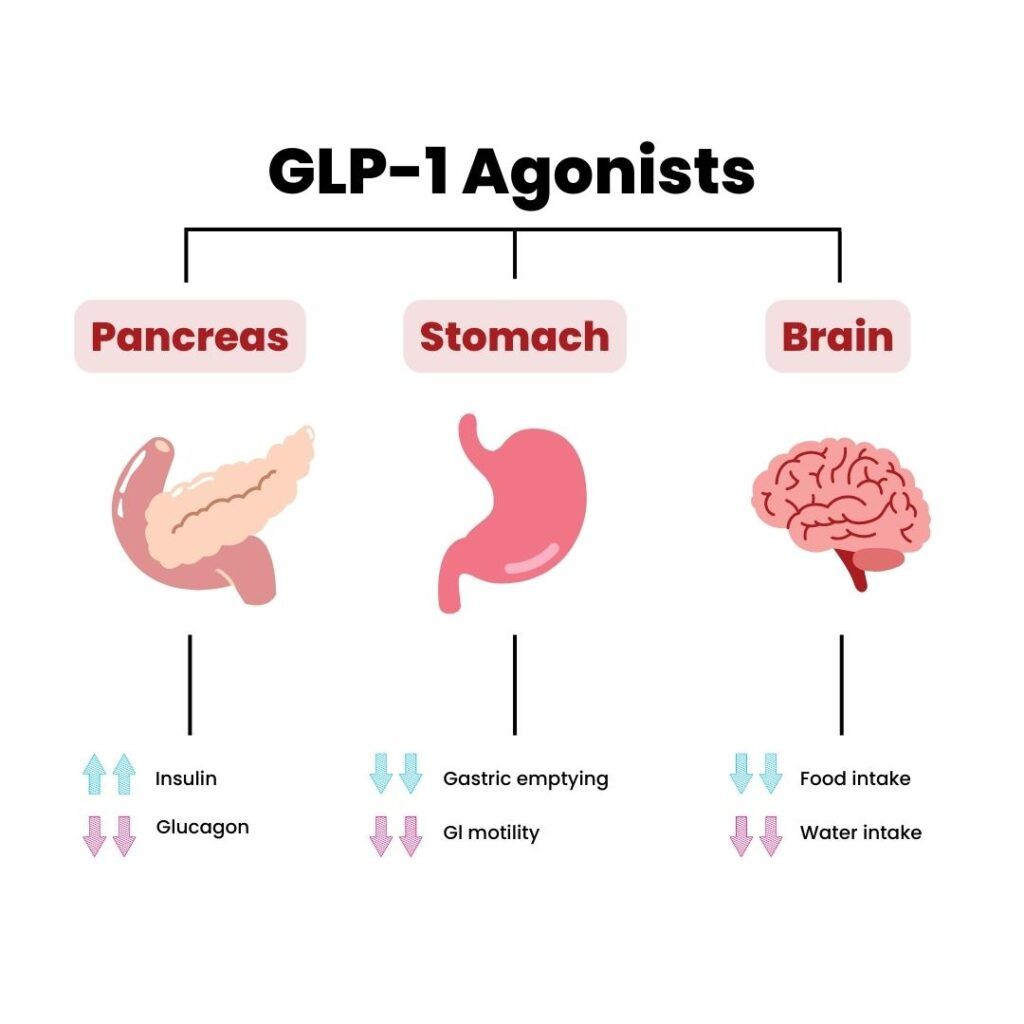
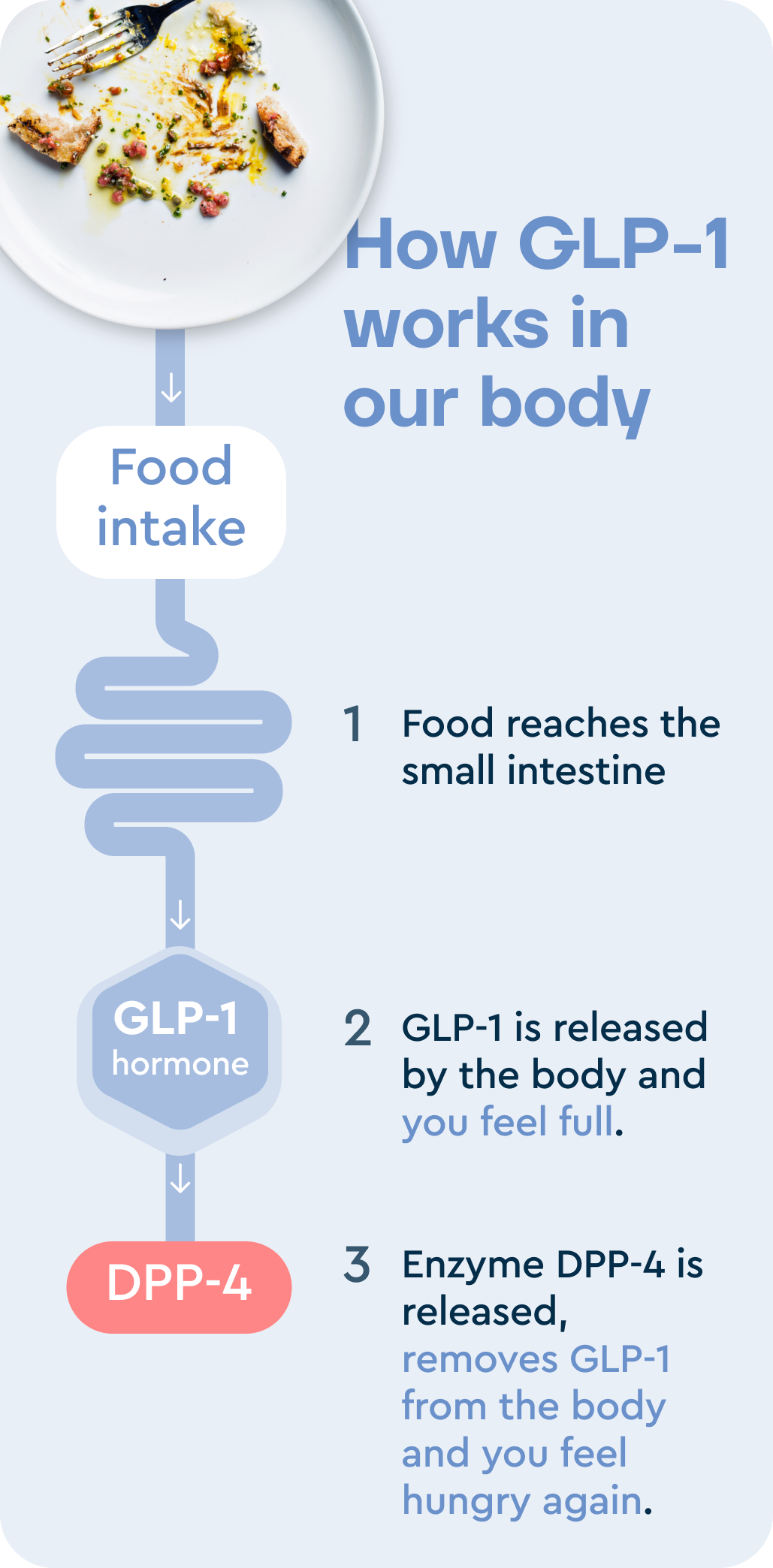
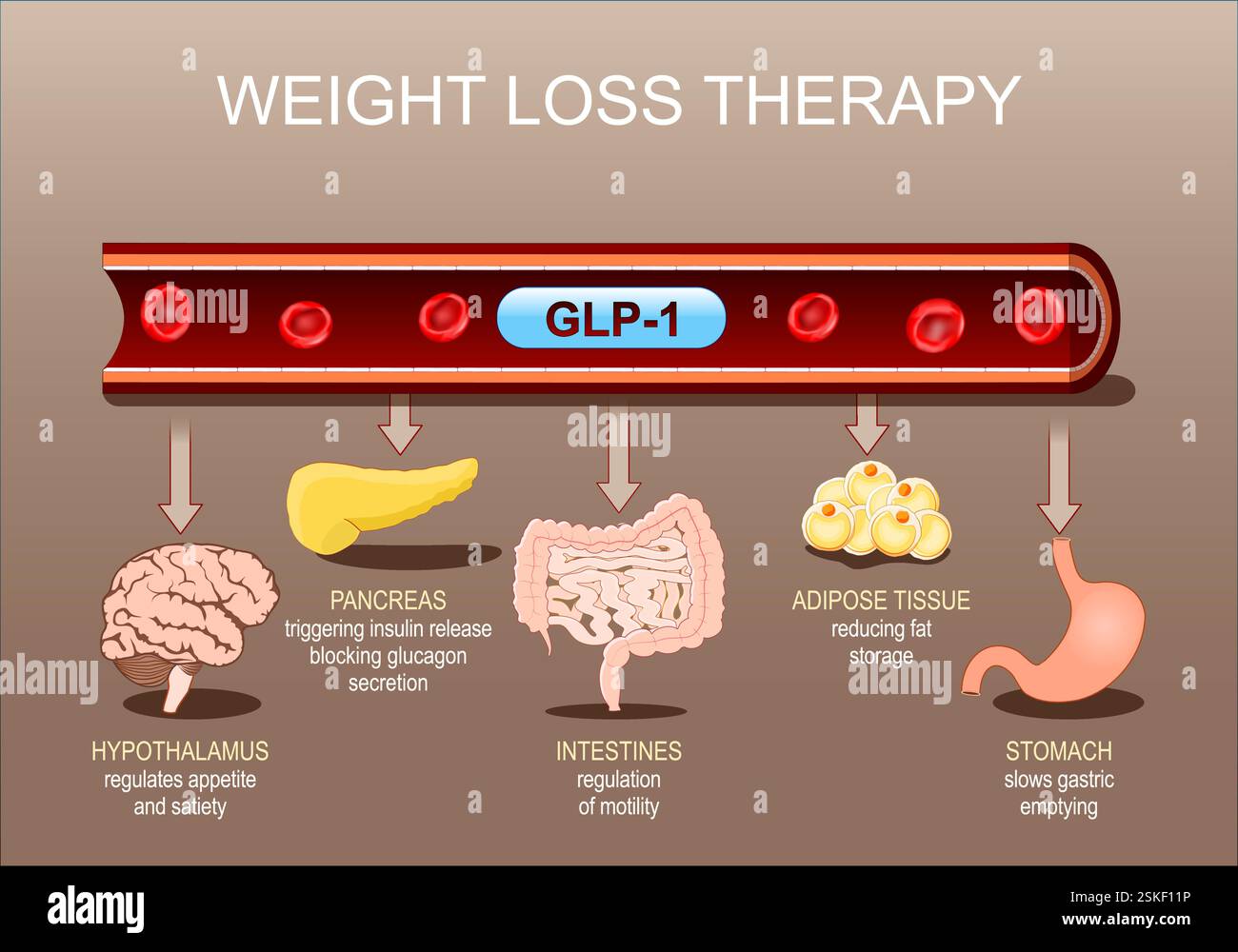
GLP-1 is a hormone produced by the intestines in response to food intake. It plays a crucial role in regulating appetite, satiety, and glucose metabolism. Research has shown that GLP-1 signaling is involved in the modulation of eating behavior, with increased GLP-1 levels associated with reduced food intake and improved glucose control.
The Connection between GLP-1 and Loss of Control Eating
Studies have suggested that individuals with loss of control eating may have altered GLP-1 signaling. One study found that hindbrain GLP-1 levels were suppressed after binge-like eating in males, suggesting that GLP-1-mediated signaling may be dampened in individuals with a history of binge eating. This may lead to reduced feelings of satiety and increased hunger, contributing to the development of loss of control eating.
GLP-1 and Eating Disorders: A Growing Concern
The use of GLP-1 receptor agonists (GLP-1RAs) for weight management and type 2 diabetes has raised concerns about their potential impact on eating disorders. Some users have reported developing loss of control eating or other eating-related issues while taking these medications. While the evidence is still limited, researchers believe that GLP-1RAs may exacerbate eating disorders by disrupting intuitive eating signals or mimicking symptoms.
Navigating the Complexity of GLP-1 and Loss of Control Eating
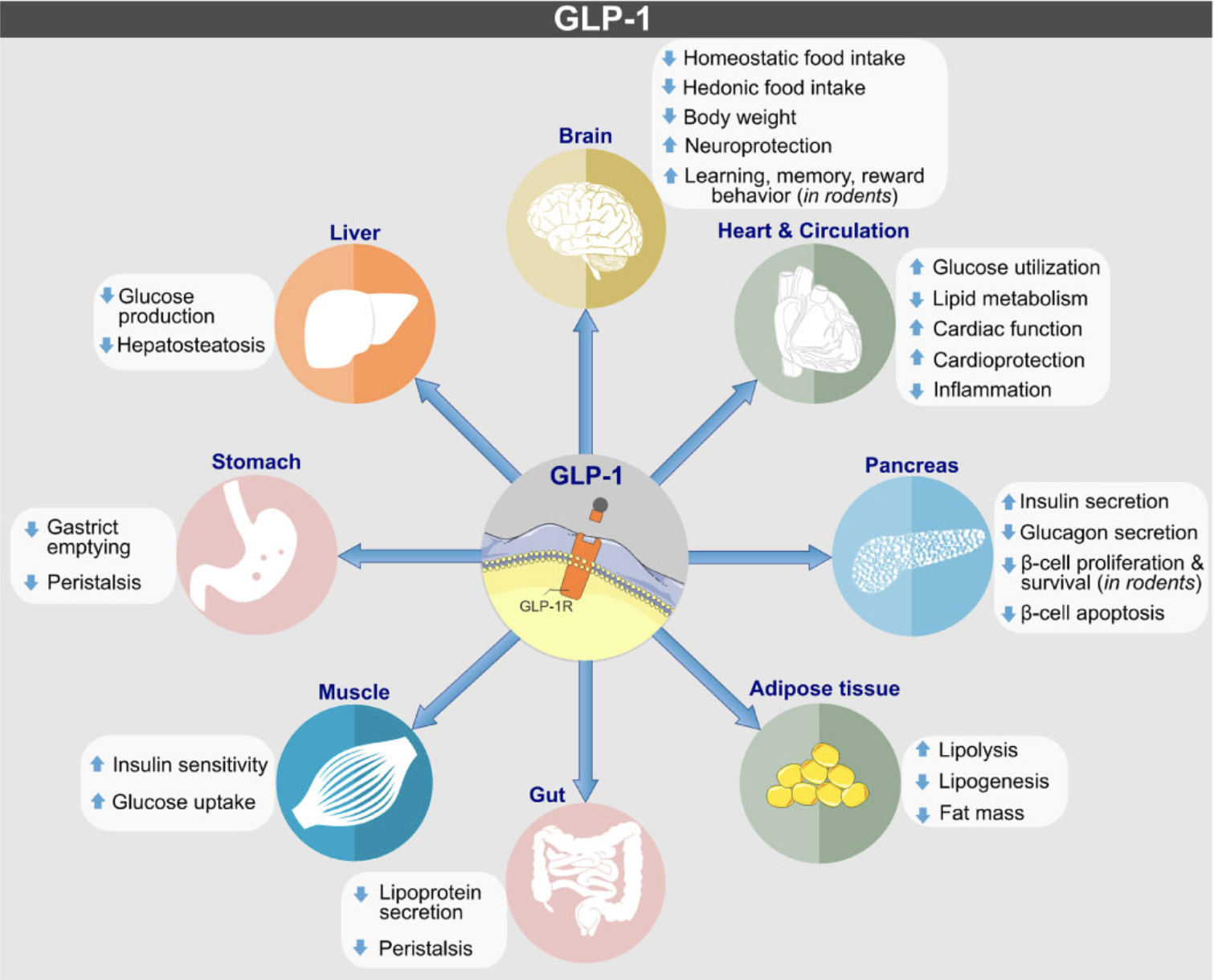
Understanding the connection between GLP-1 and loss of control eating is crucial for developing effective treatment strategies. Researchers emphasize the need for caution when using GLP-1RAs in patients with eating disorders. Furthermore, identifying individual differences in GLP-1 signaling may help clinicians develop personalized treatment plans for loss of control eating.
Breaking the Cycle of Loss of Control Eating
Fortunately, there are ways to break the cycle of loss of control eating and manage GLP-1 levels naturally. A balanced diet, regular exercise, and stress management techniques can help regulate appetite and support overall well-being. Additionally, exploring healthy coping mechanisms, such as mindfulness and self-compassion, can help individuals develop a more positive relationship with food and their bodies.
Conclusion
The connection between GLP-1 and loss of control eating is complex and multifaceted. While GLP-1RAs have shown promise in managing obesity and type 2 diabetes, their potential impact on eating disorders cannot be ignored. By understanding the intricacies of GLP-1 signaling and loss of control eating, we can develop more effective treatment strategies and support individuals in breaking the cycle of disordered eating.
Recommendations for Further Research
- Investigate the relationship between GLP-1 signaling and loss of control eating in individuals with eating disorders.
- Develop personalized treatment plans for loss of control eating based on individual differences in GLP-1 signaling.
- Explore the potential of GLP-1RAs in managing eating disorders and developing novel treatment approaches.
References
Please see the references section for a list of sources used in this article.