Low Energy Water Heater Replacement: Upgrade Your Home's Efficiency
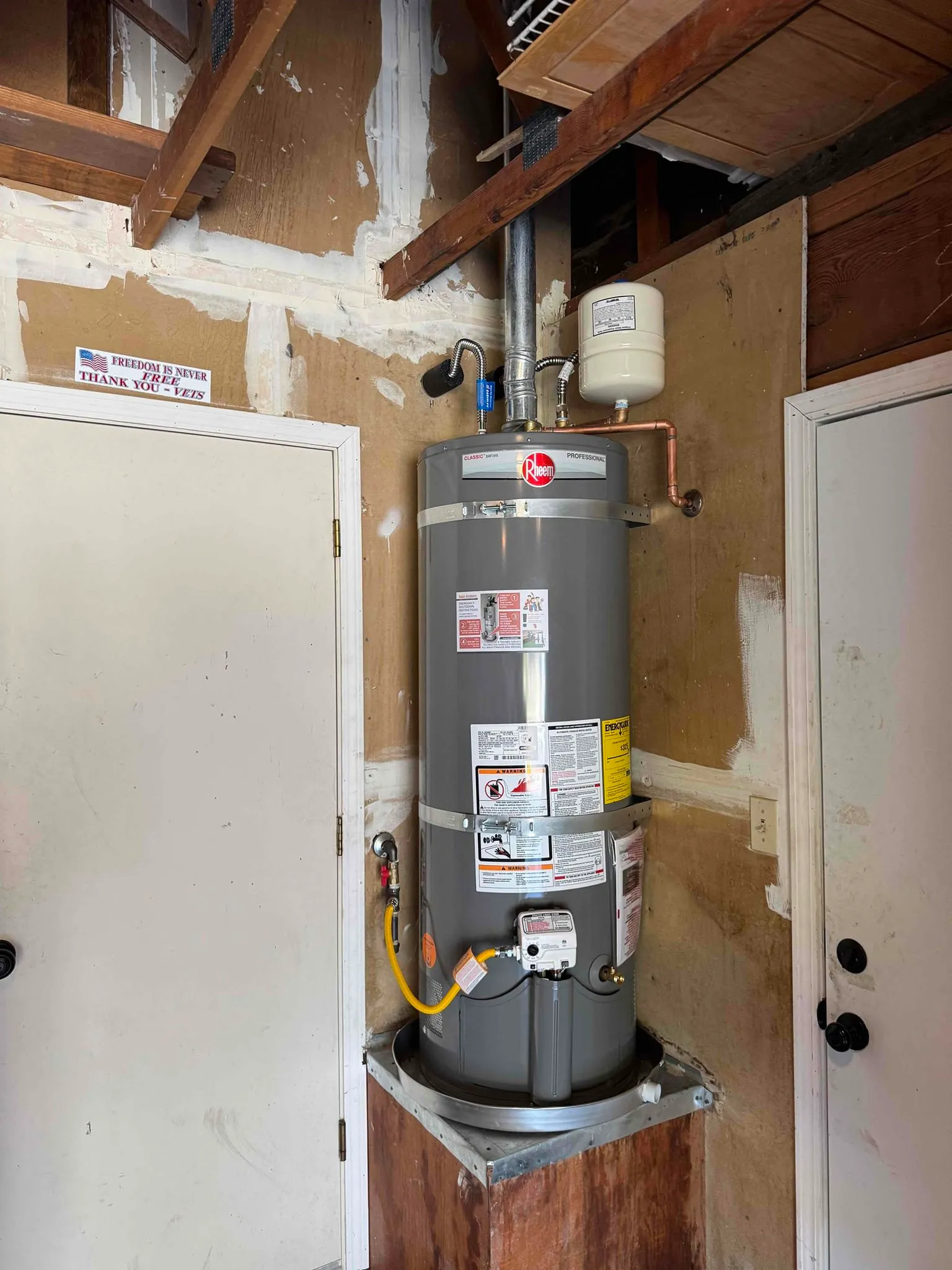
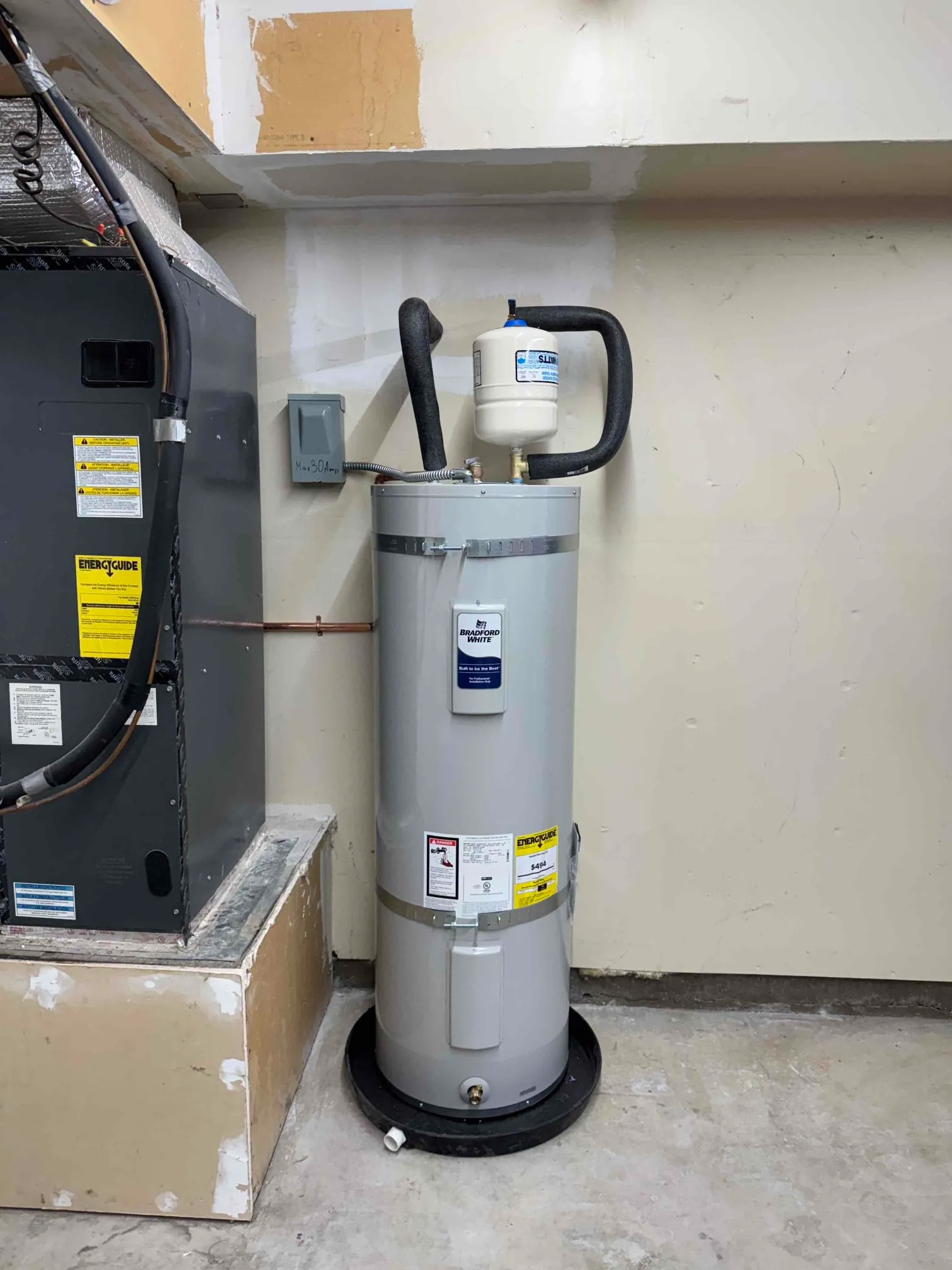
As one of the most energy-intensive appliances in your home, your water heater plays a crucial role in your daily life. Replacing an old or inefficient water heater with a low energy model can significantly reduce your energy bills and minimize your carbon footprint. In this article, we'll explore the benefits of low energy water heater replacement and provide you with tips on how to choose the right model for your home.
Why Upgrade to a Low Energy Water Heater?
Traditional water heaters consume a significant amount of energy to heat water, accounting for around 12% of a home's energy usage. However, with the advancement of technology, low energy water heaters have become a viable option for homeowners seeking to reduce their energy consumption and costs. By upgrading to a low energy water heater, you can enjoy several benefits, including:
- Lower energy bills: Low energy water heaters consume significantly less energy, resulting in substantial savings on your utility bills.
- Reduced carbon footprint: By reducing energy consumption, you'll also minimize your home's carbon footprint, contributing to a greener environment.
- Longer lifespan: Low energy water heaters tend to have a longer lifespan than traditional models, reducing the need for frequent replacements.
Types of Low Energy Water Heaters
There are various types of low energy water heaters available in the market, including:
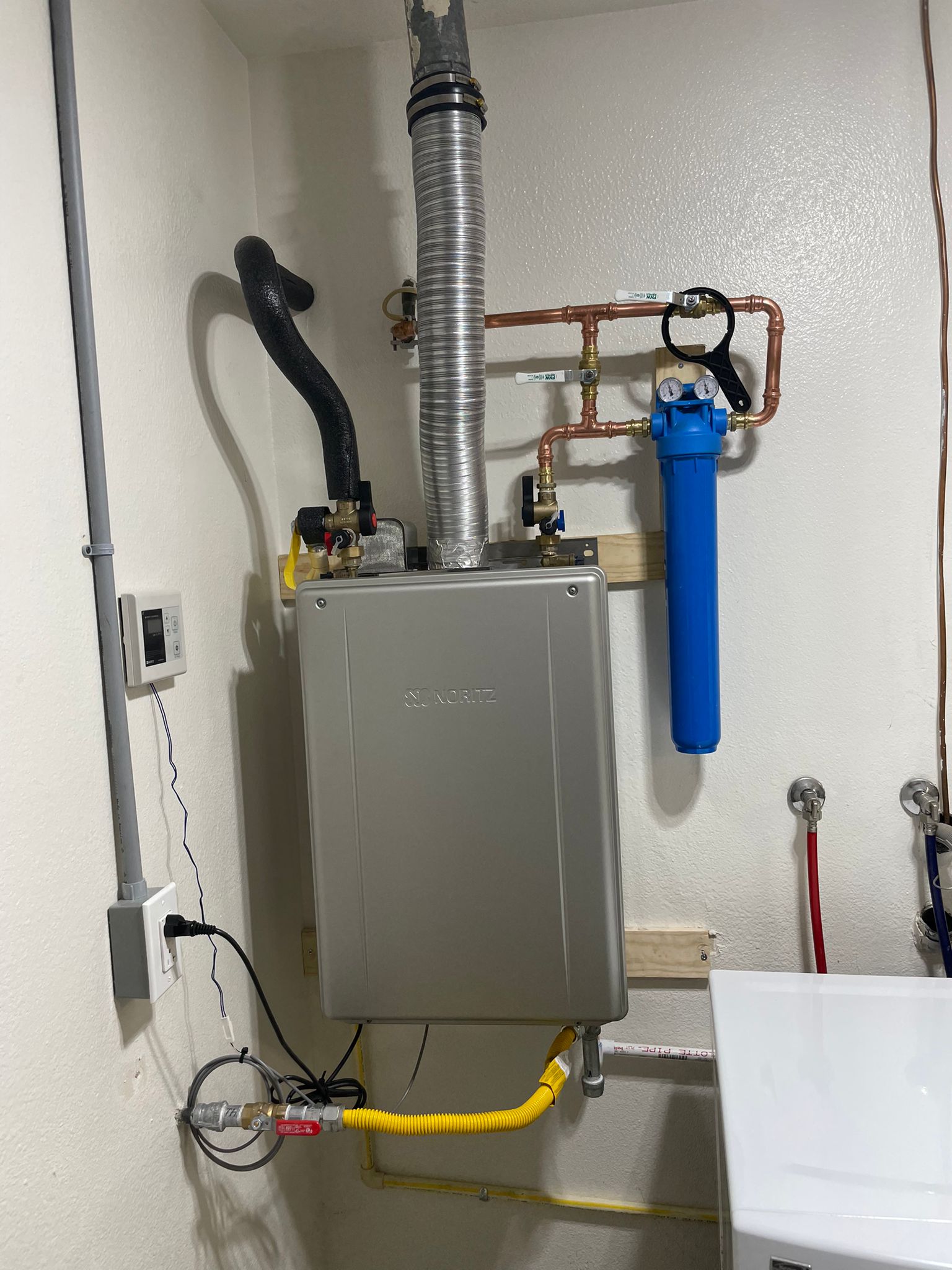
- Tankless water heaters: These water heaters heat water only when needed, eliminating the need for a storage tank and reducing energy consumption.
- Heat pump water heaters: These water heaters use a refrigerant to transfer heat from the air to the water, providing efficient and cost-effective heating.
- Condensing gas water heaters: These water heaters recover heat from the exhaust gases, reducing energy consumption and emissions.
Choosing the Right Low Energy Water Heater for Your Home
When selecting a low energy water heater for your home, consider the following factors:
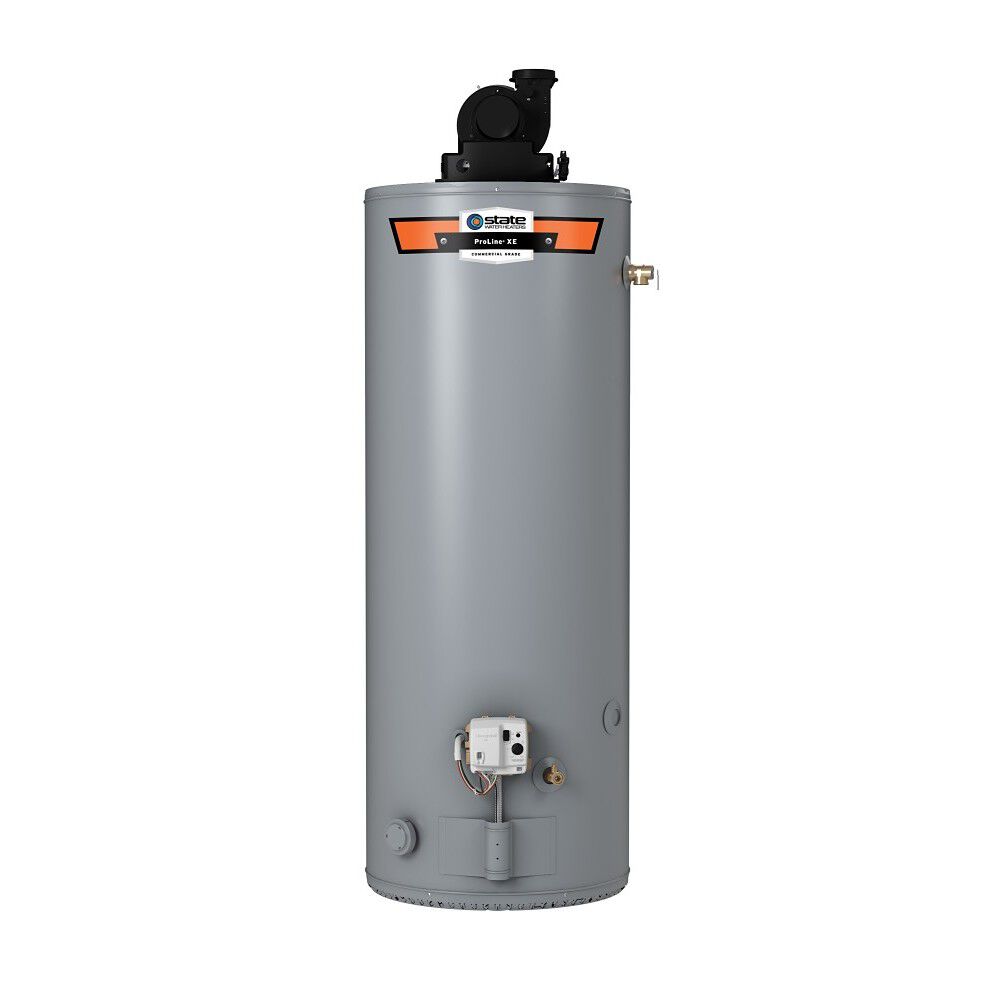
- Energy efficiency: Look for water heaters with high Energy Factor (EF) ratings, which indicate their energy efficiency.
- Capacity: Choose a water heater that meets your household's hot water demands.
- Fuel type: Consider the type of fuel available in your area and choose a water heater that suits your needs.
- Installation costs: Calculate the installation costs and ensure they align with your budget.
Low Energy Water Heater Replacement Tips
Here are some tips to keep in mind when replacing your old water heater with a low energy model:
- Check local incentives: Research local incentives and rebates that can help offset the cost of a low energy water heater.
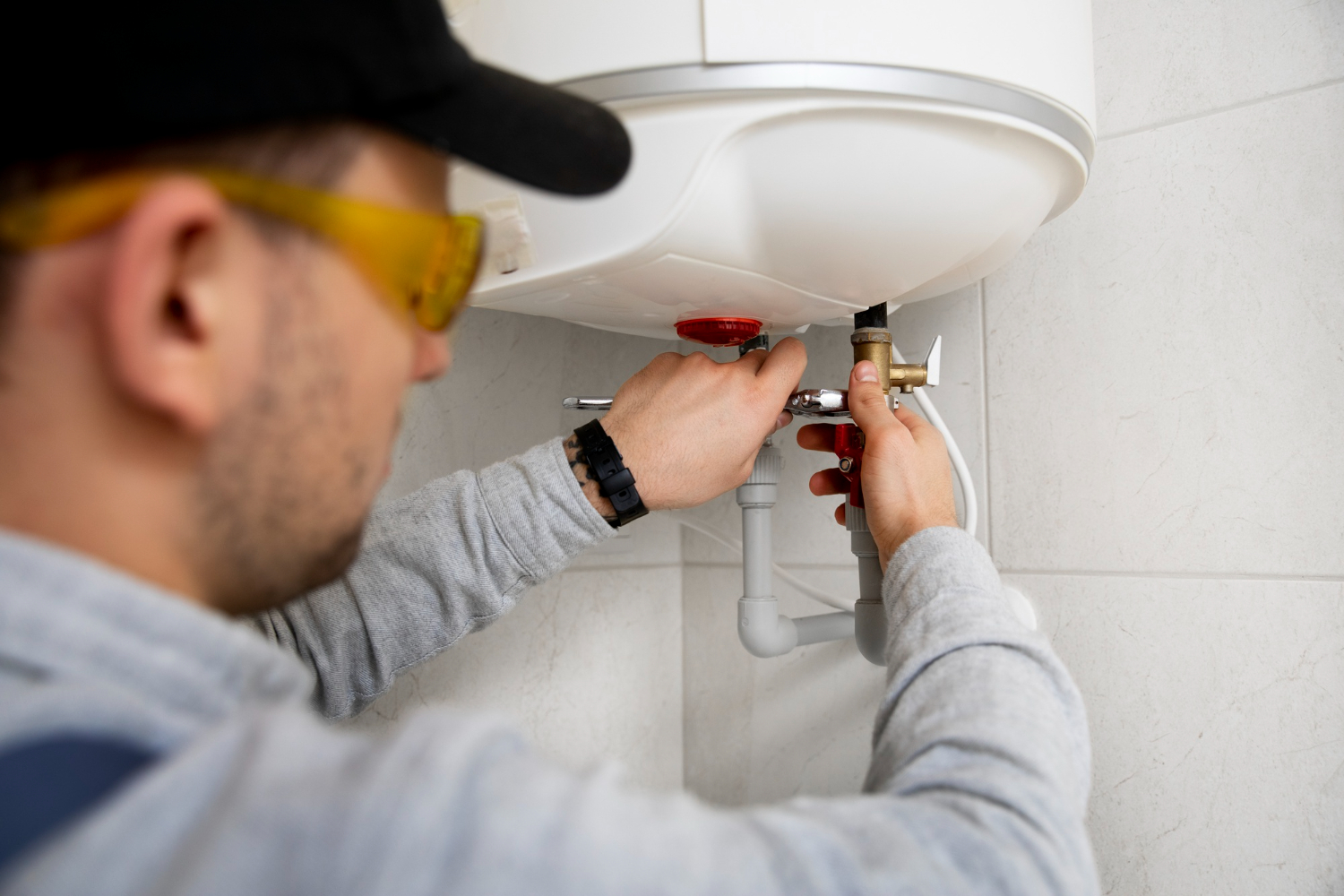
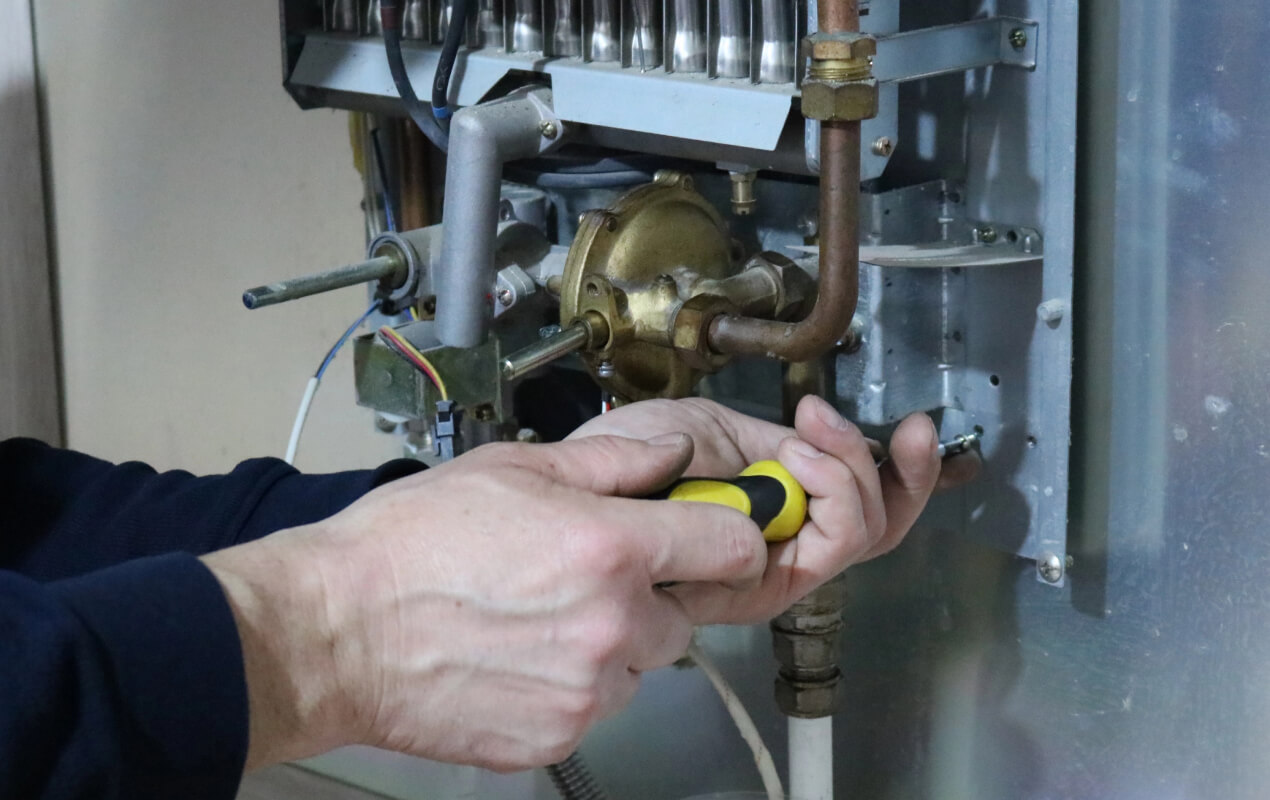
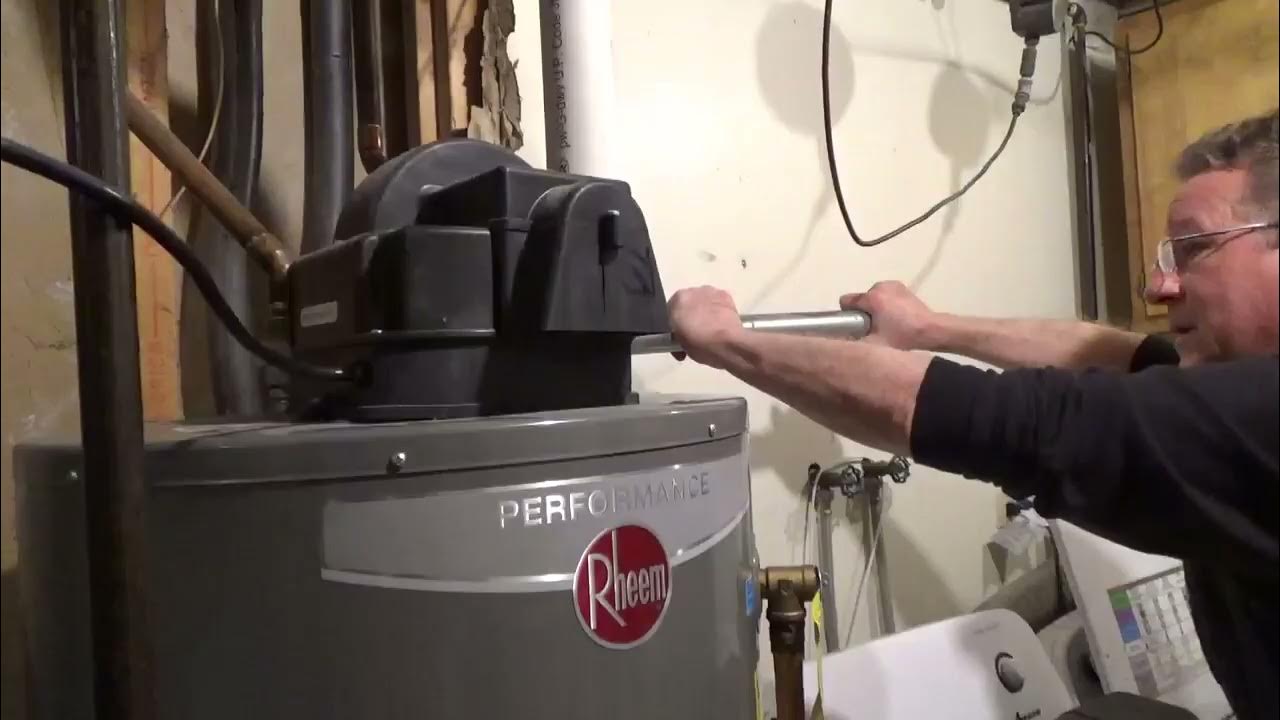
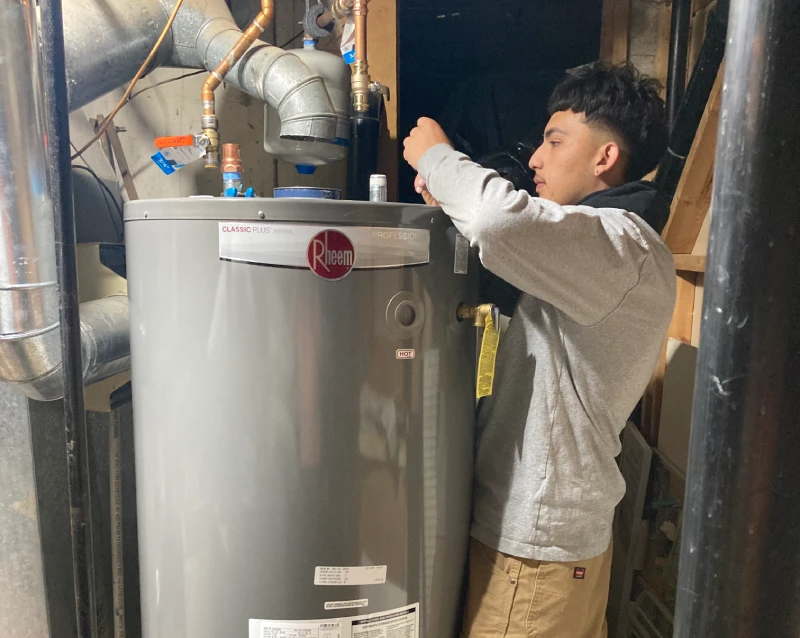
- Consult a professional: Hire a licensed plumber to ensure a safe and efficient installation.
- Consider a whole-house water heater: If you have a large household, consider a whole-house water heater that can meet your hot water demands.
Conclusion
Upgrading to a low energy water heater can significantly reduce your energy bills and minimize your carbon footprint. By choosing the right type of low energy water heater and considering the factors mentioned above, you can enjoy the benefits of a more efficient and sustainable hot water system. Remember to consult with a professional and research local incentives to ensure a smooth and cost-effective transition to a low energy water heater.
Find a Low Energy Water Heater Replacement Expert Near You
Looking for a reliable and efficient low energy water heater replacement service? Contact a licensed plumber or a reputable HVAC company in your area to schedule a consultation and installation.