Crawl Space Foundation Insulation: The Ultimate Solution for Energy Efficiency and Comfort
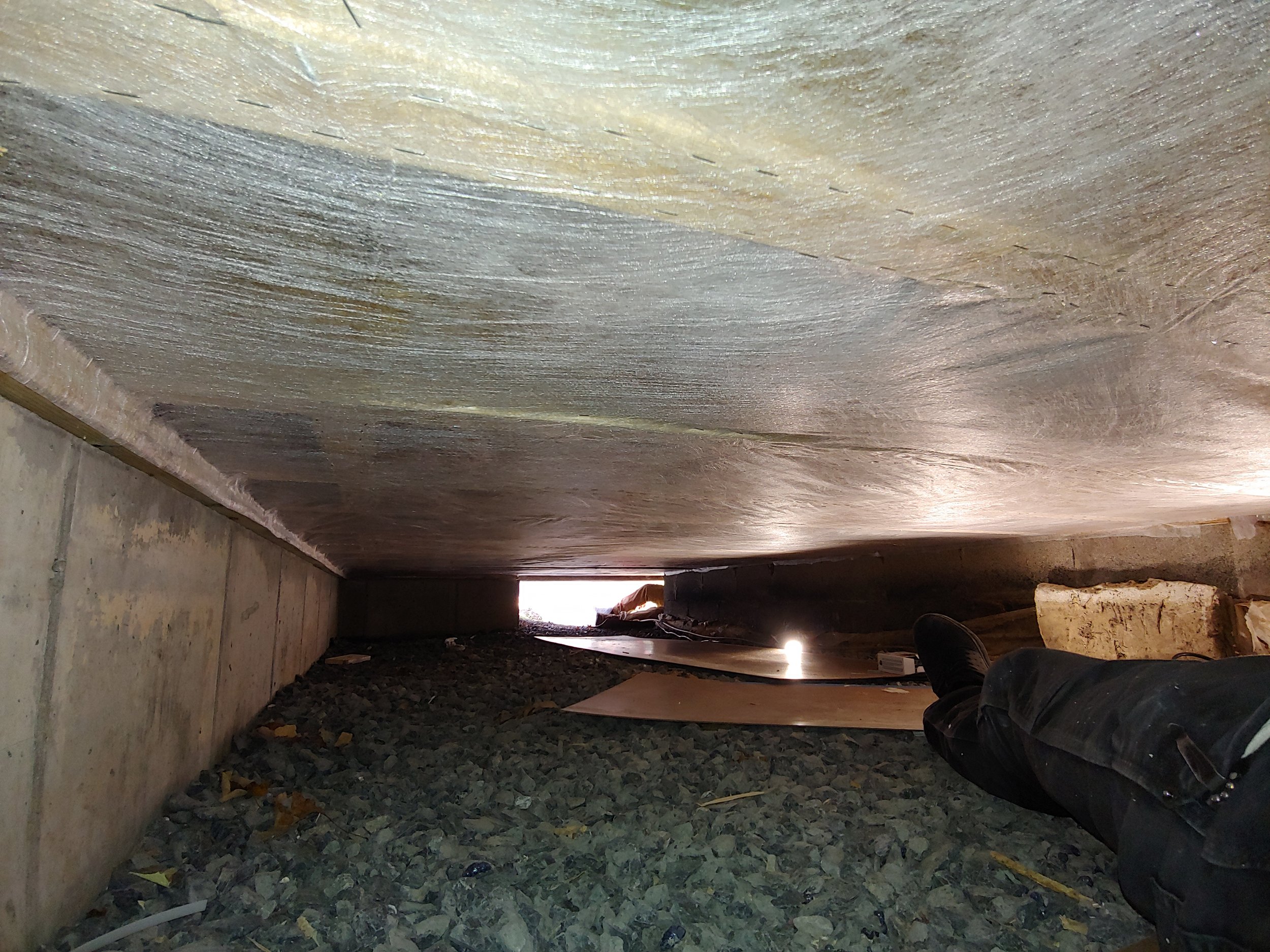
A crawl space must be adequately insulated to reap the temperature-regulating benefits. Insulating your crawl space is a crucial aspect of maintaining a comfortable and energy-efficient living space. In this comprehensive guide, we will delve into the world of crawl space foundation insulation, exploring the benefits, materials, and methods for a successful DIY installation.
The Importance of Crawl Space Foundation Insulation
Insulating your crawl space can have a significant impact on your home's energy efficiency and comfort. A well-insulated crawl space can help regulate the temperature, reduce energy bills, and prevent issues like mold and moisture damage. Inadequate insulation, on the other hand, can lead to a range of problems, including:
- Cold floors and uncomfortable living spaces
- High energy bills due to heat loss and gain
- Mold and moisture damage to your home's foundation and walls
- Poor indoor air quality due to moisture and humidity
Crawl Space Foundation Insulation Materials
Choosing the right insulation material is critical to achieving a dry, energy-efficient crawl space. Different materials offer varying levels of moisture resistance, thermal insulation, and durability. Some of the most popular crawl space foundation insulation materials include:
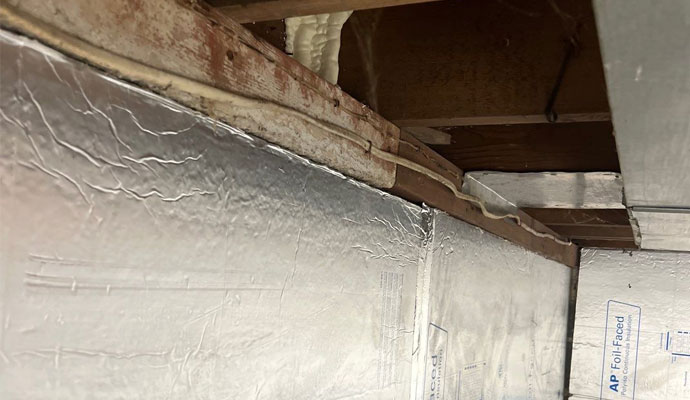
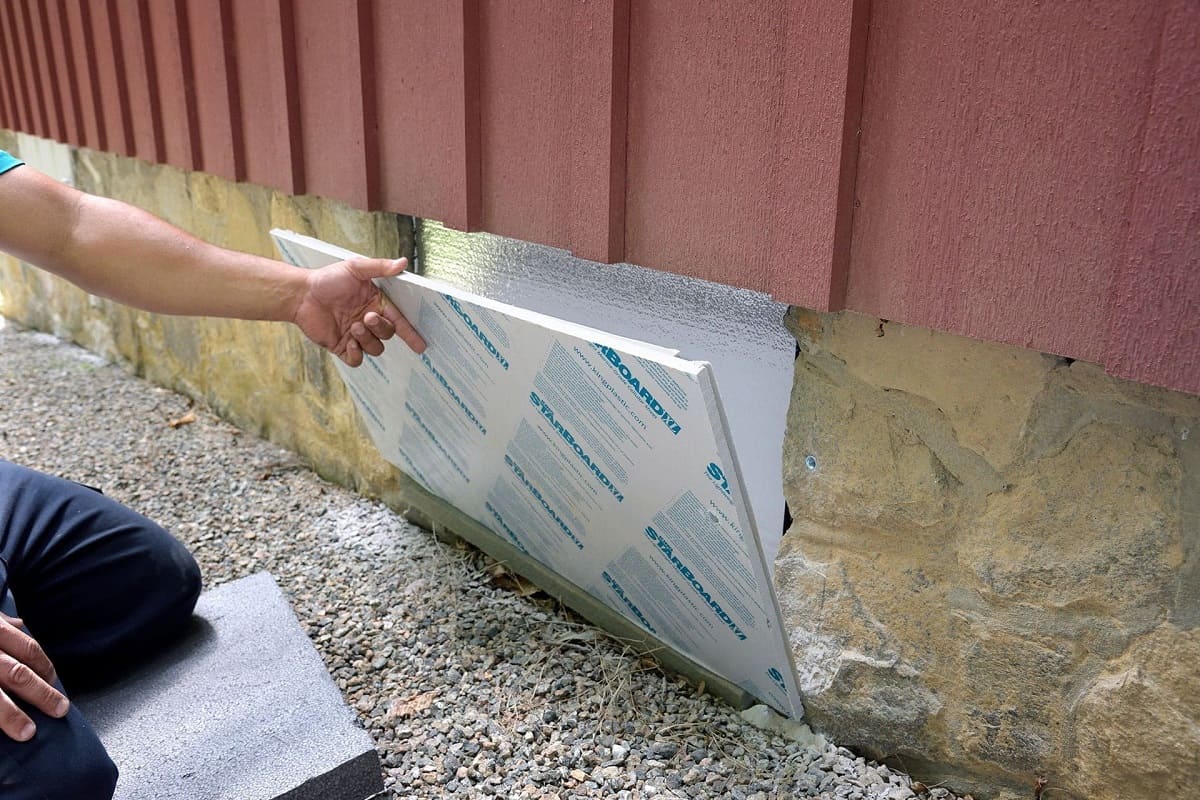
- Rigid Foam Board (Extruded Polystyrene - XPS or Polyisocyanurate - Polyiso): Ideal for its high R-value, moisture resistance, and ease of installation
- Spray Foam Insulation: Offers excellent thermal insulation, moisture resistance, and can be used in a variety of applications
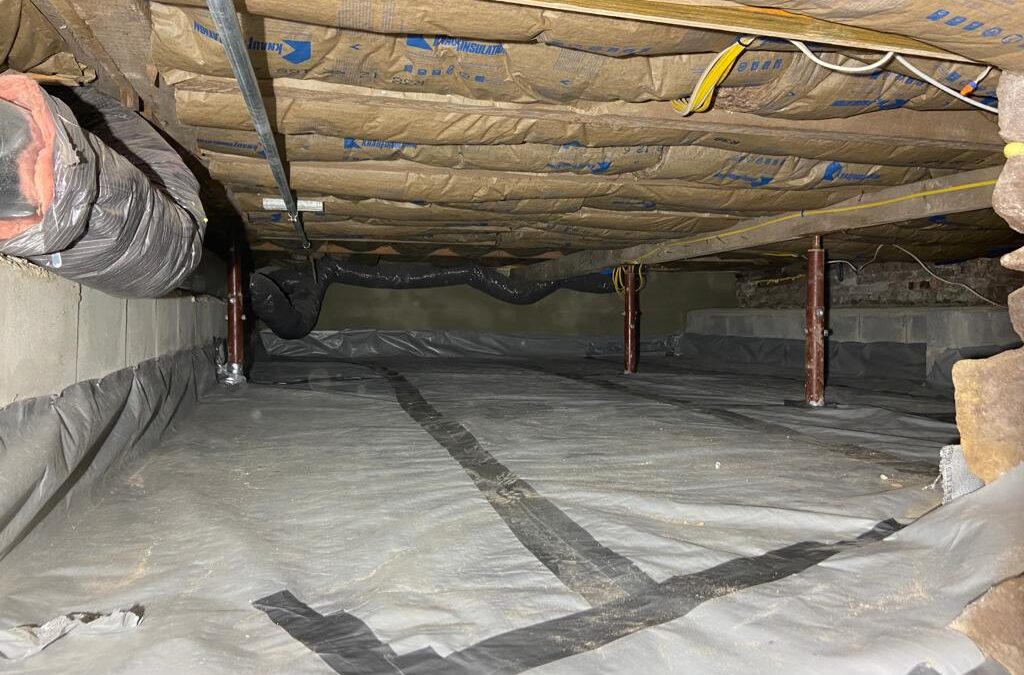
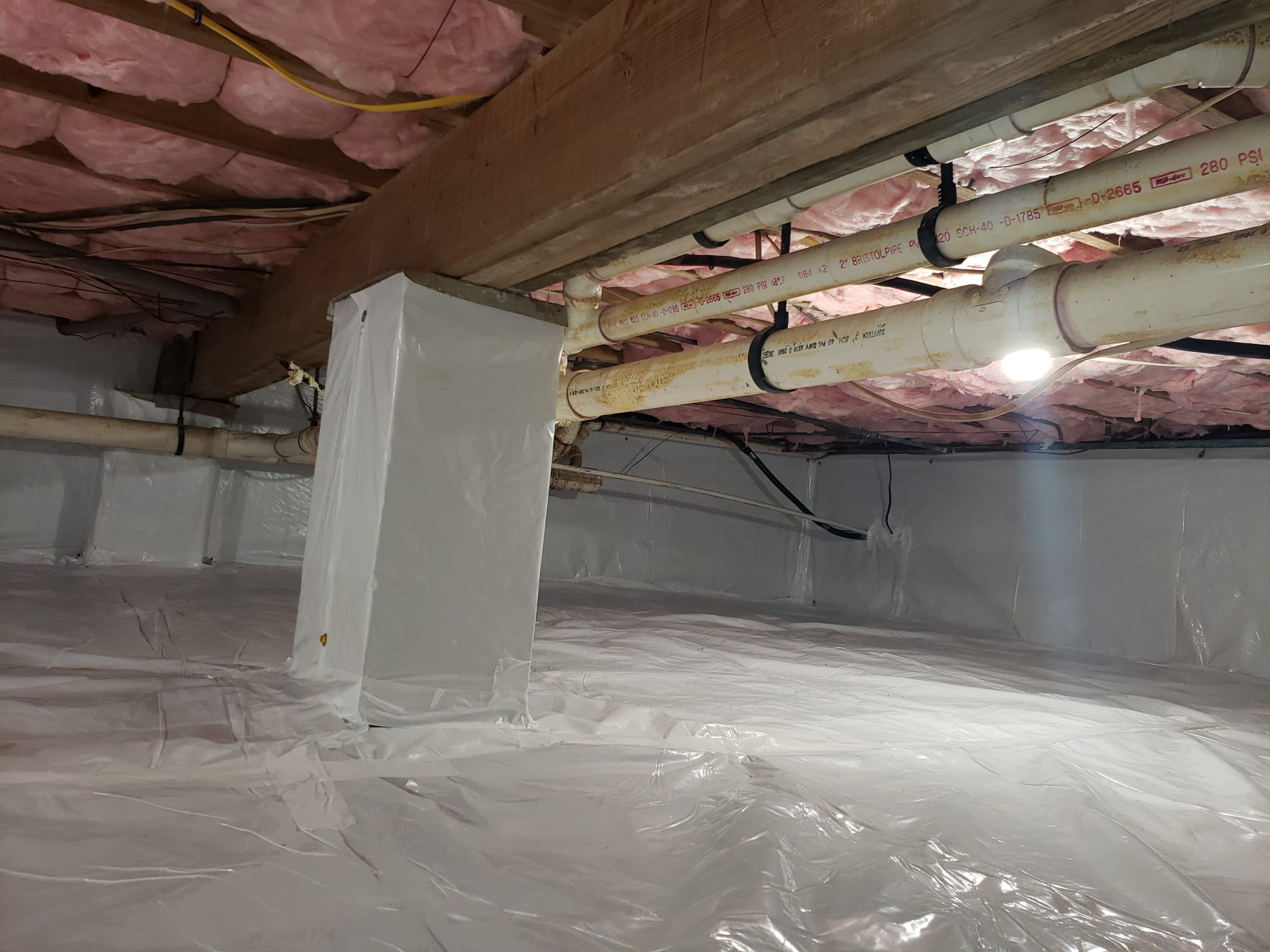
- Fiberglass Batt Insulation: A cost-effective option that provides good thermal insulation and can be installed in tight spaces
- Cellulose Insulation: A eco-friendly option that provides good thermal insulation and can be used in a variety of applications
Methods for Crawl Space Foundation Insulation
There are several methods for insulating a crawl space, including:
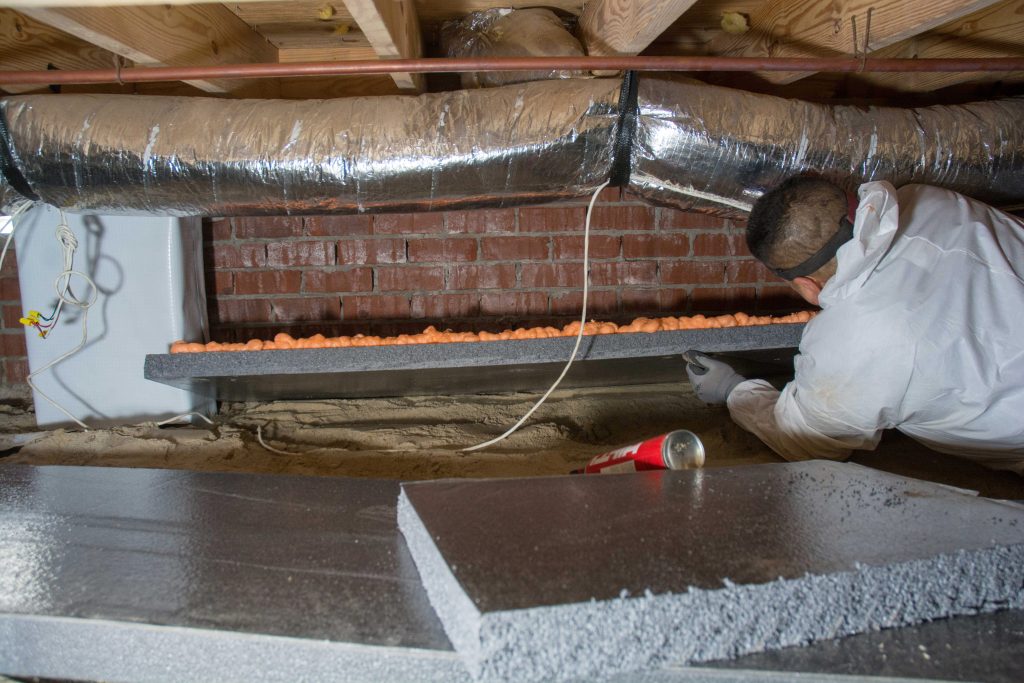
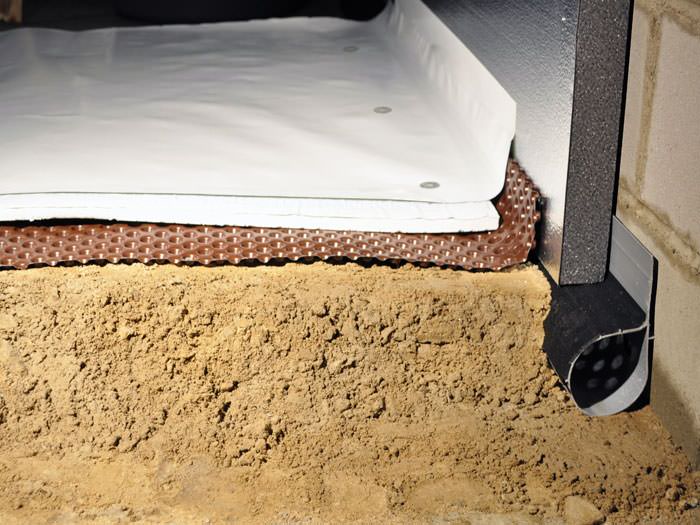
- Wrapping rigid insulation around concrete surfaces: This is an effective way to prevent interior air from contacting cold concrete and reduce heat loss
- Insulating rim joist assemblies: This involves using air-impermeable insulation or insulated rim joists to prevent heat loss and reduce energy bills
- Using spray foam insulation: This is a cost-effective option that provides excellent thermal insulation and can be used in a variety of applications
Benefits of Crawl Space Foundation Insulation
Insulating your crawl space can have a significant impact on your home's energy efficiency and comfort. Some of the benefits of crawl space foundation insulation include:
- Reduced energy bills due to heat loss and gain
- Improved comfort and indoor air quality
- Prevention of mold and moisture damage to your home's foundation and walls
- Increased property value and resale appeal
DIY Installation Tips
Insulating your crawl space is a DIY-friendly project that can be completed with the right tools and materials. Some tips to keep in mind include:
- Wear protective gear, including gloves, safety glasses, and a dust mask
- Measure your crawl space carefully to determine the amount of insulation needed
- Follow the manufacturer's instructions for installation and application
- Seal all gaps and cracks to prevent air leaks and moisture intrusion
Conclusion
Insulating your crawl space is a crucial aspect of maintaining a comfortable and energy-efficient living space. With the right materials and methods, you can create a well-insulated crawl space that provides a range of benefits, including reduced energy bills, improved comfort, and prevention of mold and moisture damage. Remember to choose the right insulation material for your needs, follow the manufacturer's instructions for installation, and seal all gaps and cracks to prevent air leaks and moisture intrusion.