Muscle Recovery Tools for Football Coaches
Football coaching involves more than just developing skills on the field. It's also about managing player health and wellness, particularly when it comes to muscle recovery. As football coaches know all too well, muscle soreness and fatigue can significantly impact player performance and increase the risk of injury. That's where muscle recovery tools come in.
What are Muscle Recovery Tools?
Muscle recovery tools are devices or techniques designed to aid in the recovery process after high-intensity exercise, such as football training or matches. These tools aim to reduce muscle soreness, improve circulation, and accelerate muscle repair. The right muscle recovery tools can help football coaches optimize player performance, prevent injuries, and maintain competitiveness throughout the season.
Why are Muscle Recovery Tools Essential for Football Coaches?
Football is a physically demanding sport that puts a significant strain on the body. During matches and training, muscles endure repeated high-intensity efforts, leading to fatigue, muscle soreness, and micro-tears in muscle fibres. Without adequate recovery, players risk decreased performance, increased fatigue, and a higher likelihood of injury. That's why muscle recovery tools are essential for football coaches to ensure their players are performing at their best.
Top Muscle Recovery Tools for Football Coaches
- Compression Boots: Compression boots provide graduated compression to improve circulation, reduce swelling, and alleviate muscle soreness.
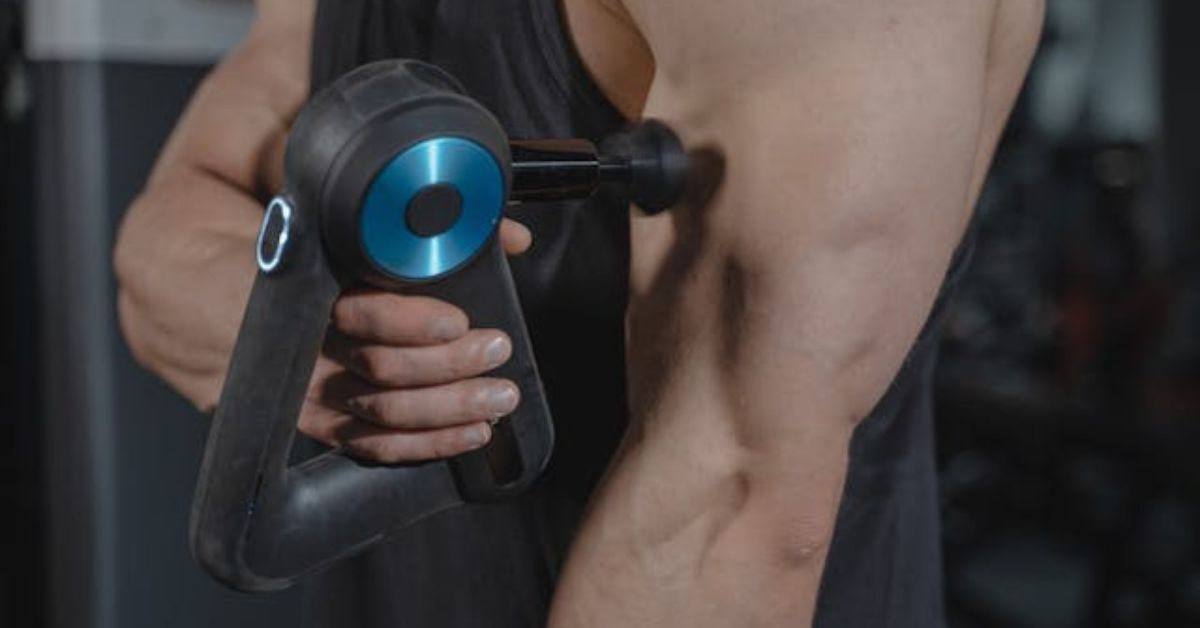
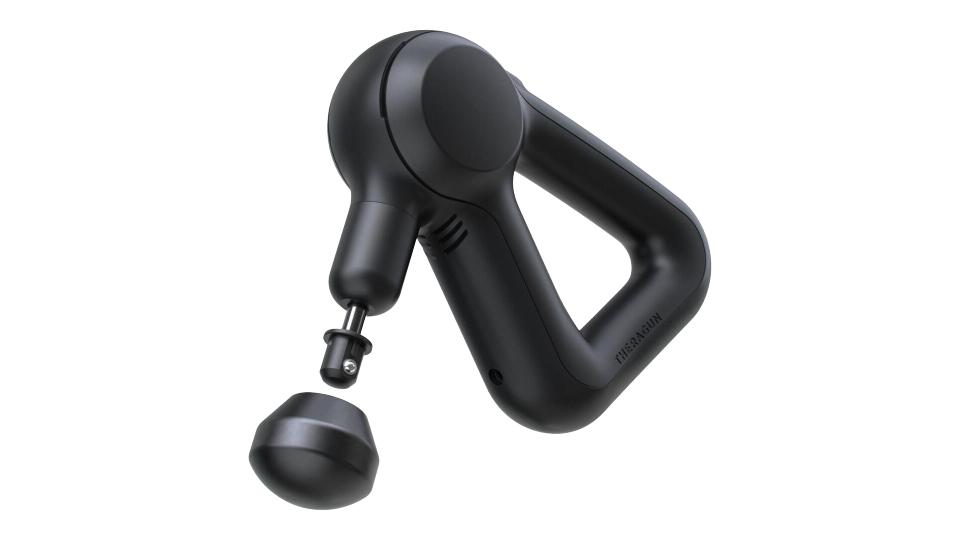
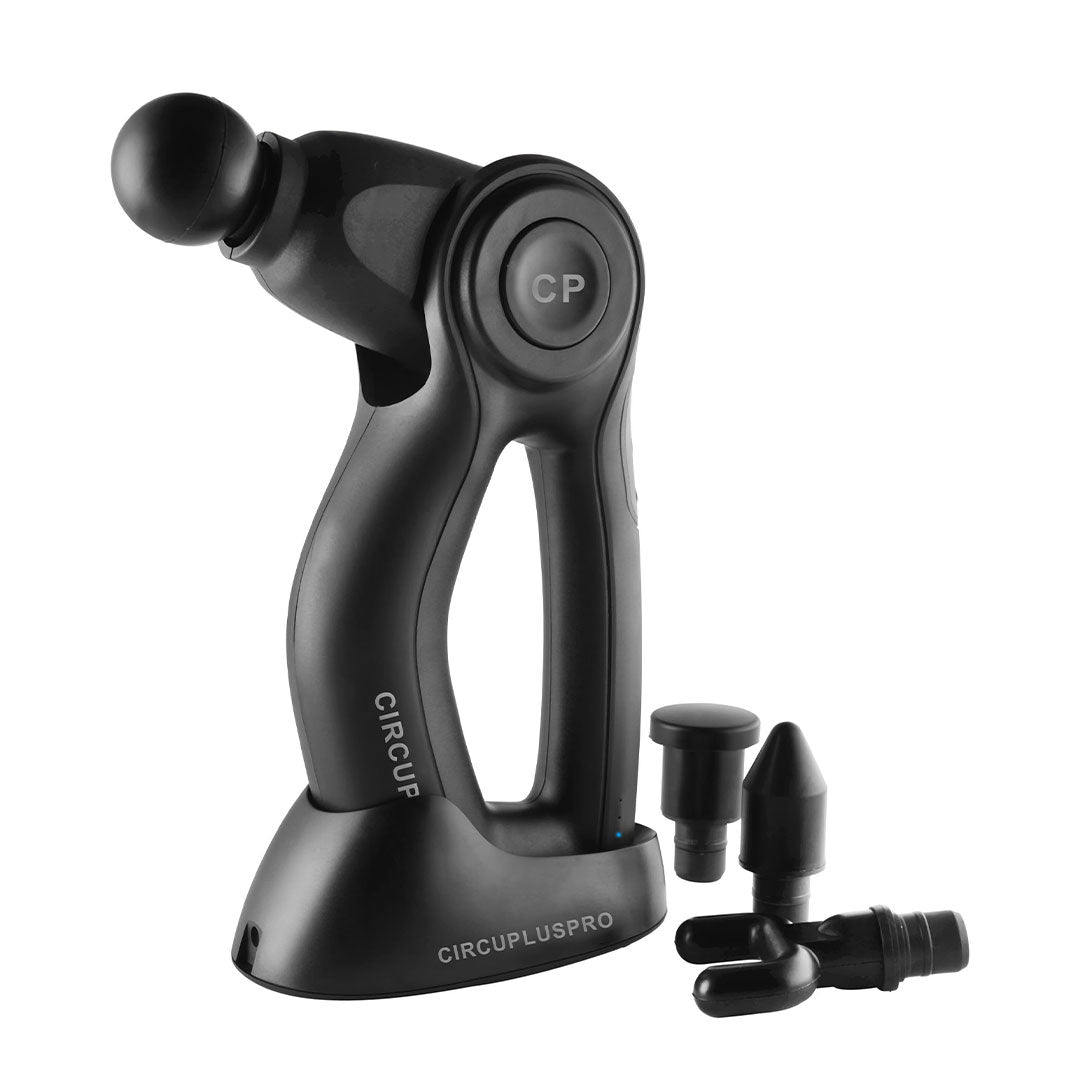
- Massage Guns: Massage guns use percussion technology to break down adhesions, reduce muscle tension, and promote blood flow.
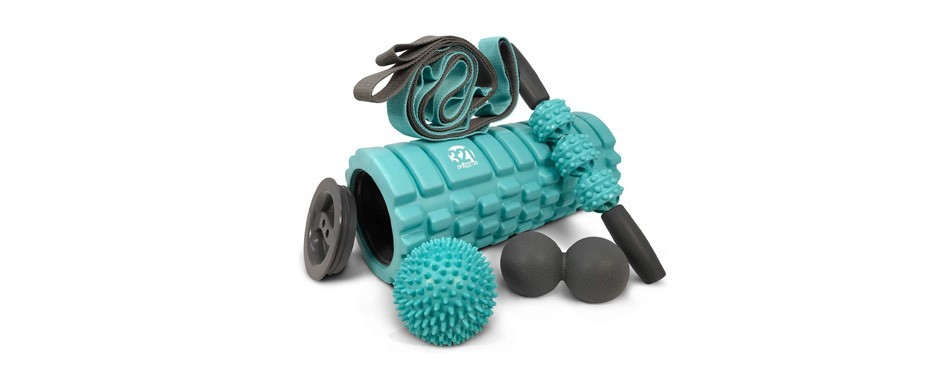
- Vibrating Foam Rollers: Vibrating foam rollers use oscillating vibration to roll out muscle knots, improve flexibility, and enhance recovery.
- Elecric Muscle Stimulators (EMS): EMS devices use low electric pulses to stimulate muscle contractions, relieve soreness, and promote recovery.
- Red Light Therapy: Red light therapy uses low-level laser or light-emitting diodes to stimulate cellular processes, reduce inflammation, and promote healing.
- Ice Baths: Ice baths provide cold therapy to reduce inflammation, alleviate muscle soreness, and promote recovery.
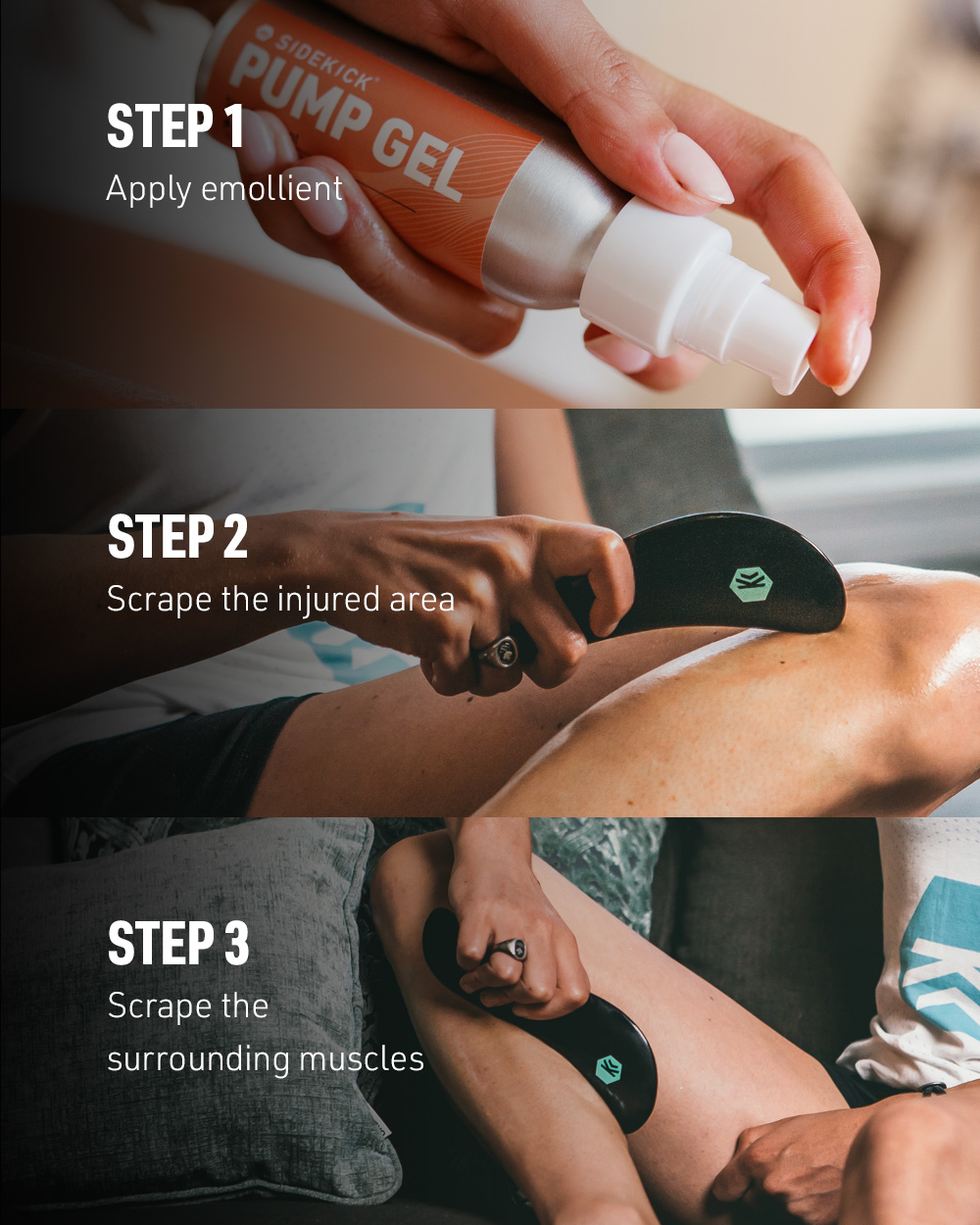
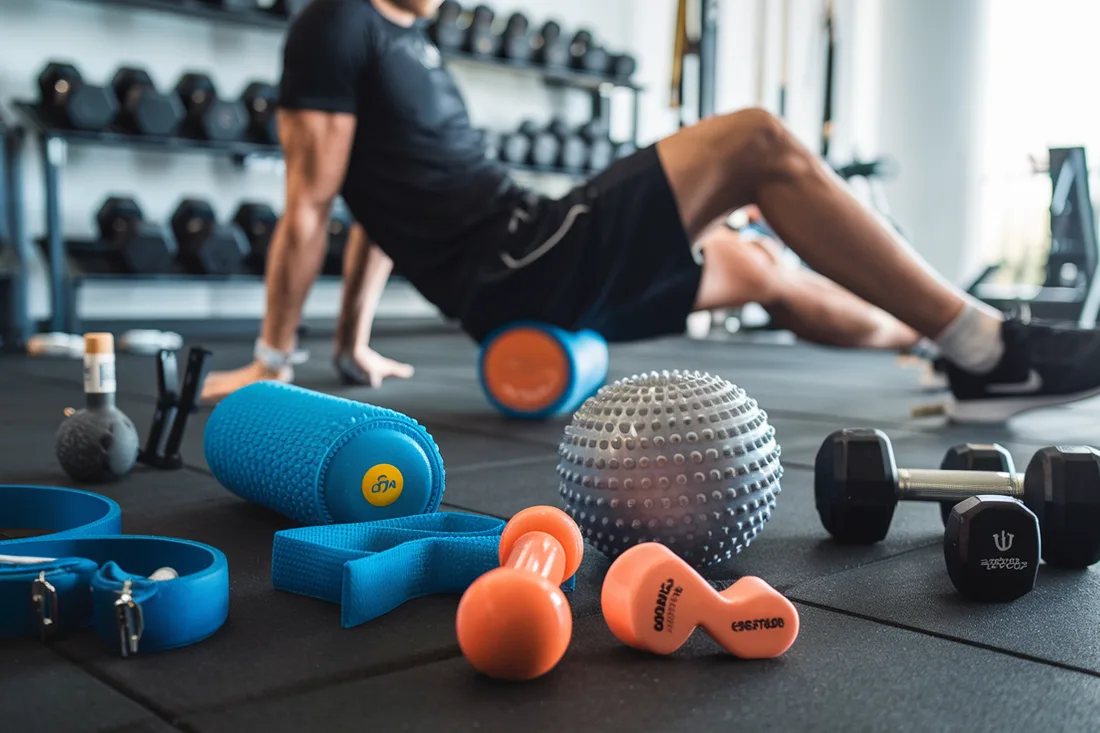
- Self-Myofascial Release Tools: Self-myofascial release tools, such as lacrosse balls or rollers, help identify and release trigger points, improving flexibility and reducing muscle tension.
Practical Protocols for Using Muscle Recovery Tools
When using muscle recovery tools, football coaches should follow a structured protocol to maximize benefits and minimize potential risks. Here are some practical tips:
- Duration and Frequency**: Use muscle recovery tools for 15-30 minutes, 2-3 times per week, in conjunction with rest and recovery days.
- Intensity and Pressure**: Adjust the intensity and pressure of the tool to suit individual player needs and preferences.
- Specificity**: Use tools targeting specific muscle groups or areas of tension, such as the quadriceps or lower back.
- Combination**: Combine tools, such as using compression boots and massage guns together, to maximize benefits.
Conclusion
Muscle recovery tools are an essential component of a comprehensive football coaching program. By incorporating these tools into their training regimen, football coaches can help their players recover faster, perform better, and stay injury-free. Remember to always follow a structured protocol when using muscle recovery tools, and consult with a healthcare professional if you have any concerns or questions.