Optimizing G Router Settings for Home Laptop Network: A Step-by-Step Guide
Looking to update your wireless network for better performance or security? Follow these simple steps for configuring your router and wireless network the right way. A properly optimized router setting can significantly enhance the speed, stability, and security of your home laptop network.
Why Optimize Your Router Settings?
With the increased demand for online streaming, video conferencing, and gaming, having a reliable and fast home laptop network is essential. Optimizing your router settings can help ensure a seamless and hassle-free online experience. By following these simple steps, you can improve your network's performance, reduce lag, and enhance overall stability.
Step 1: Change the Wi-Fi Channel
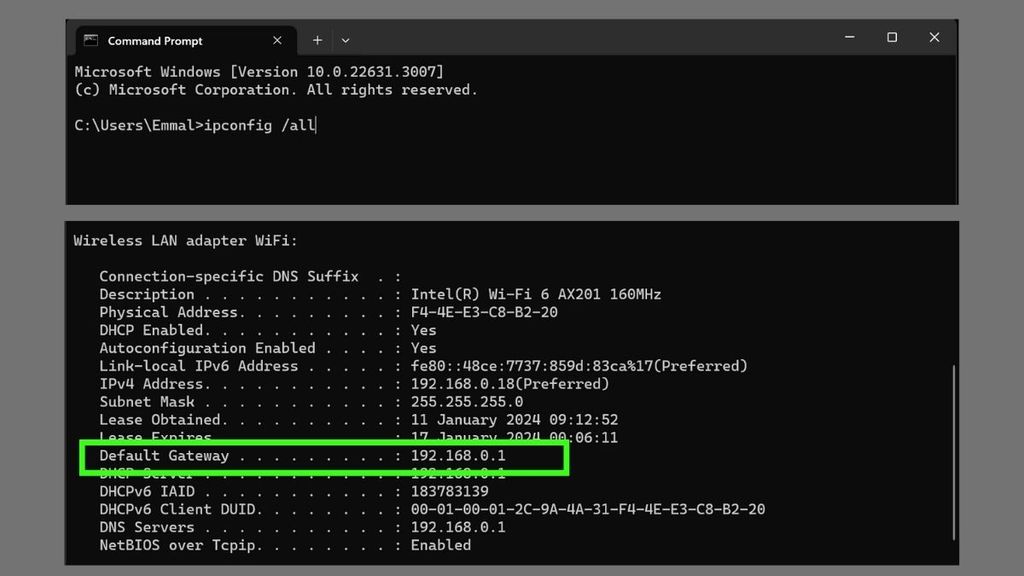
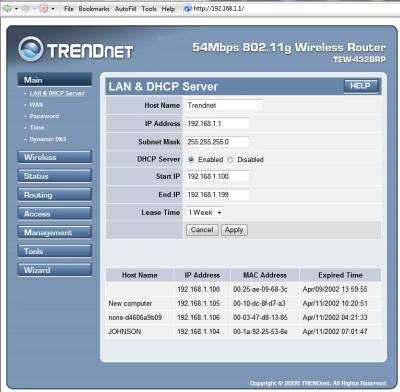
- Open your router's settings page by typing its IP address in a web browser. The IP address is usually located at the bottom of the router or on the manufacturer's website.
- Log in to your router using the default admin username and password. You can find this information in the router's manual or on the manufacturer's website.
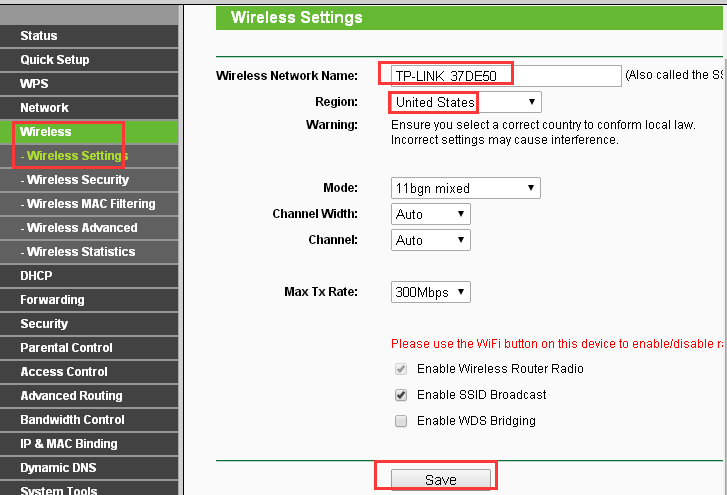
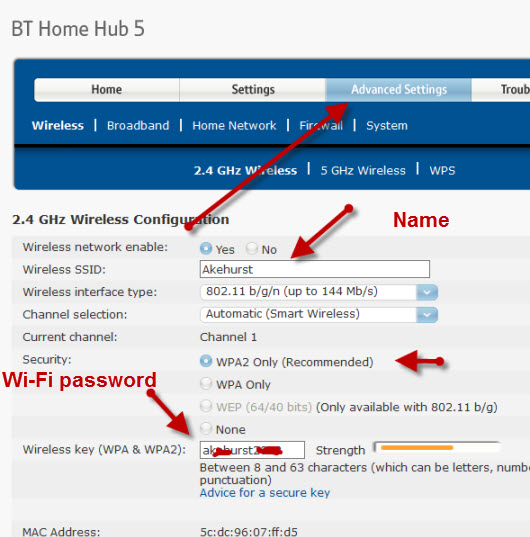
- Look for the "Wireless Settings" or "Wi-Fi Settings" menu and click on it.
- Change the Wi-Fi channel from the default setting to a less crowded channel using a tool like Wi-Fi Analyzer or inSSIDer. This will help reduce interference and improve signal strength.
Step 2: Update Firmware and Software
- Regularly update your router's firmware and software to ensure you have the latest security patches and performance improvements.
- Check your router's manufacturer website for firmware and software updates. Follow the instructions provided to update your router's software.
Step 3: Configure Quality of Service (QoS)
- QoS is a feature that allows you to prioritize internet traffic based on your devices and applications. This can help improve performance for critical applications.
- Look for the "Quality of Service" or "QoS" menu in your router's settings page and enable it.
- Configure QoS to prioritize devices and applications based on your needs.
Step 4: Enable MU-MIMO and OFDMA
- MU-MIMO (Multi-User Multiple Input Multiple Output) and OFDMA (Orthogonal Frequency Division Multiple Access) are advanced features that can improve network performance and reliability.
- Look for the "Advanced Settings" or "Wireless Settings" menu and enable MU-MIMO and OFDMA.
Step 5: Change DNS Settings
- Change your DNS settings from the default setting to a public DNS service like Google Public DNS or Cloudflare DNS.
- This can help improve your internet speed and reduce latency.
Conclusion
Optimizing your G router settings is an essential step in ensuring a fast, stable, and secure home laptop network. By following these simple steps, you can improve your network's performance, reduce lag, and enhance overall stability. Regularly update your router's firmware and software, and use tools like Wi-Fi Analyzer or inSSIDer to optimize your Wi-Fi channel. By implementing these steps, you can enjoy a seamless online experience and make the most out of your home laptop network.