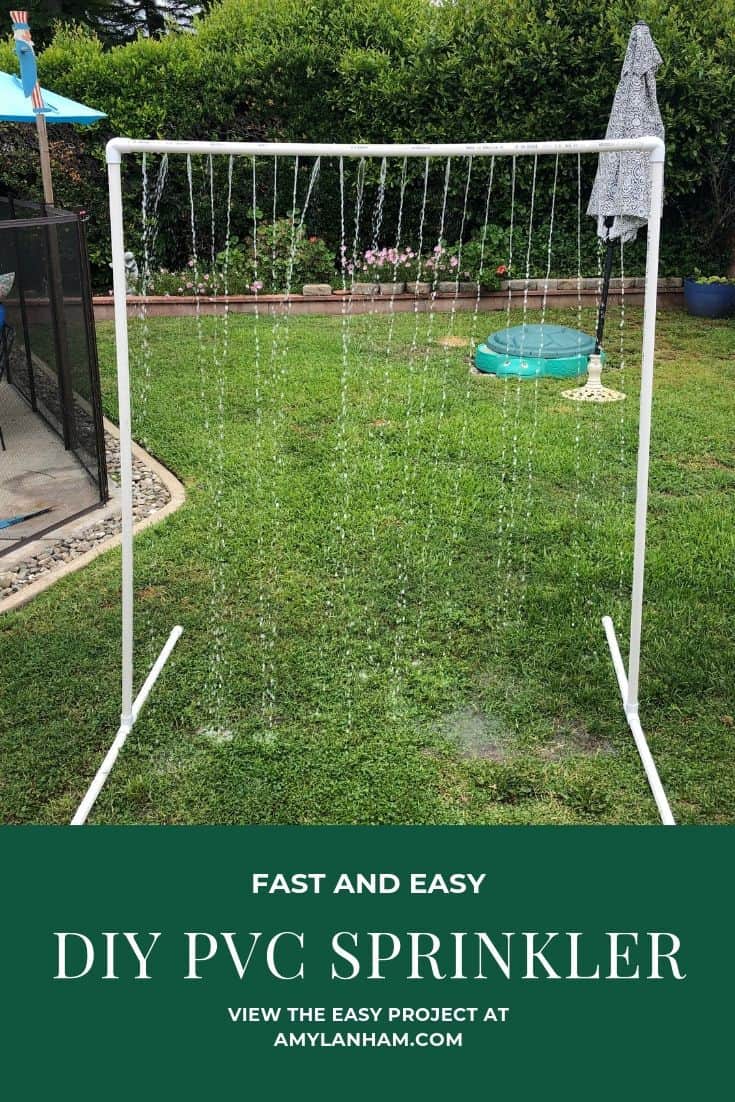
How to Install a PVC Sprinkler System: A Step-by-Step Guide
Installing a PVC sprinkler system is a cost-effective and efficient way to water your garden or lawn. With a properly installed system, you can enjoy a lush and healthy landscape with minimal maintenance. In this article, we will guide you through the process of installing a PVC sprinkler system, including planning, material selection, and installation.
Planning and Preparation
- Assess your yard: Determine the size and shape of the area(s) you plan to water. Consider the slope and drainage of the land to ensure proper water distribution.
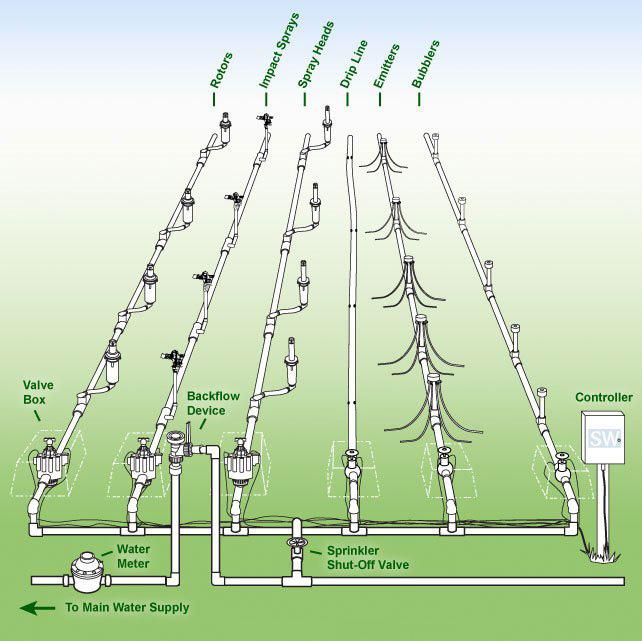
- Choose a sprinkler type: Evaluate the effectiveness of different sprinkler types, such as pop-up, drip, or impact sprinklers, for your specific landscape.
- Check local regulations: Verify whether you need a permit to install a DIY irrigation system. Contact your local building department and utility companies (e.g., water and electric) to schedule utility mark outs (811).
- Select the right materials: Choose high-quality PVC pipes and fittings suitable for your local climate and water pressure.
Step 1: Dig the Trenches
Use a shovel or backhoe to dig trenches for the PVC pipes, taking care to minimize soil disturbance and avoid underground obstacles (e.g., cables, pipes, and septic systems).
Step 2: Lay the PVC Pipes
- Cut the PVC pipes to the required length using a hacksaw or ratcheting pipe cutter.
- Clean the inside of the pipe and endpoints to prevent clogging.
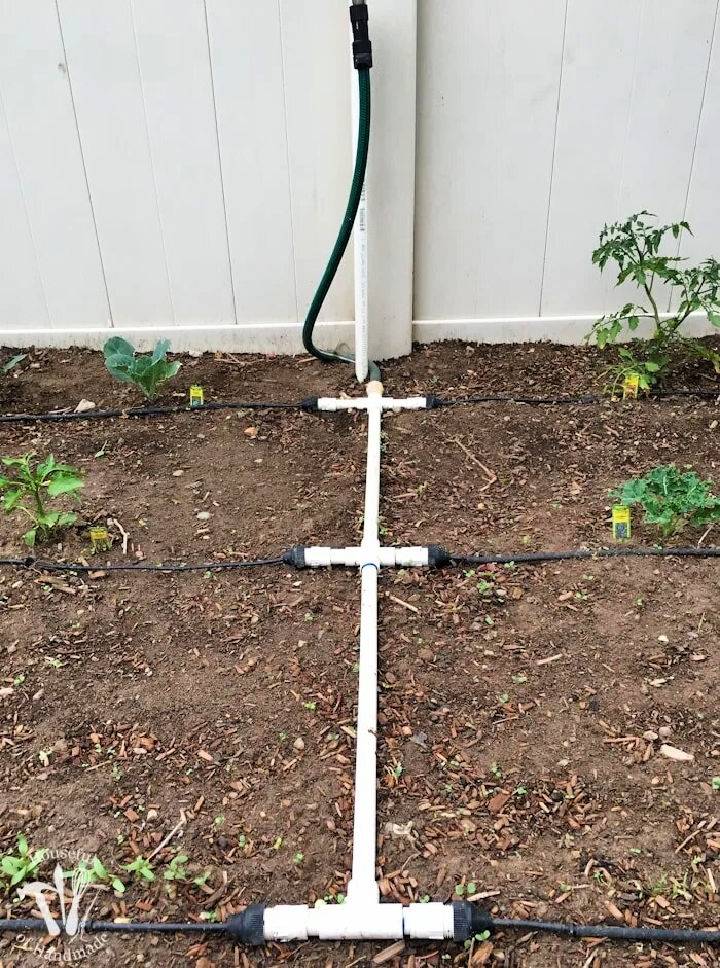
- Install the PVC pipes, connecting them with slip couplings and end caps.
Step 3: Install the Sprinkler Heads and Valves

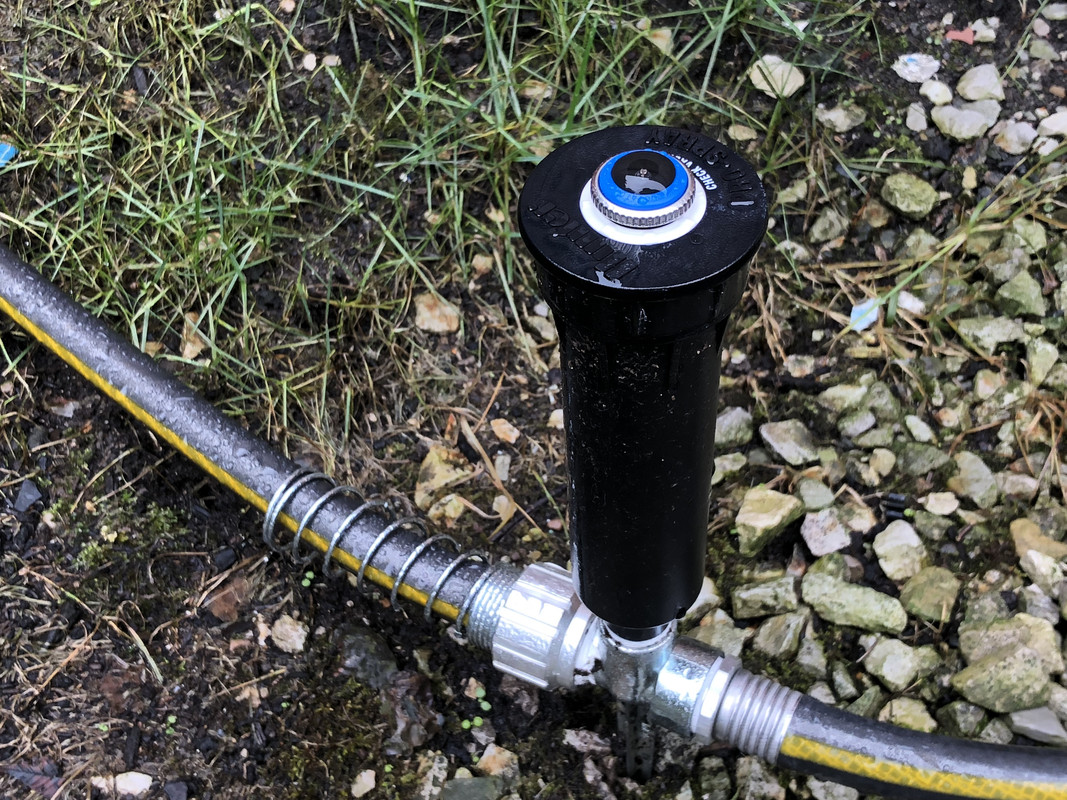
- Install sprinkler heads and valves according to the manufacturer's instructions.
- Connect the sprinkler main line to the house water system.
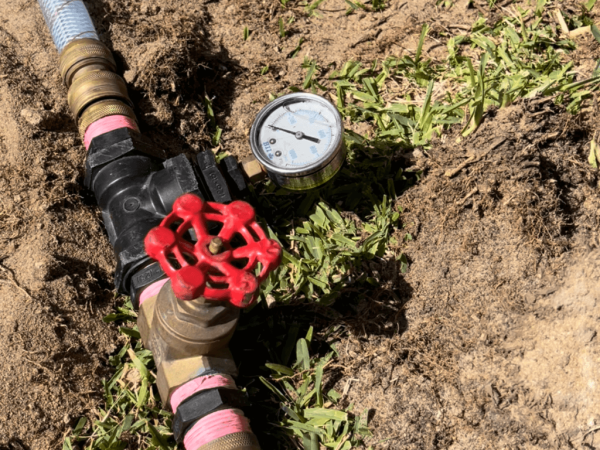
- Install a pressure regulator to regulate water pressure (if necessary).
Step 4: Test and Adjust the System
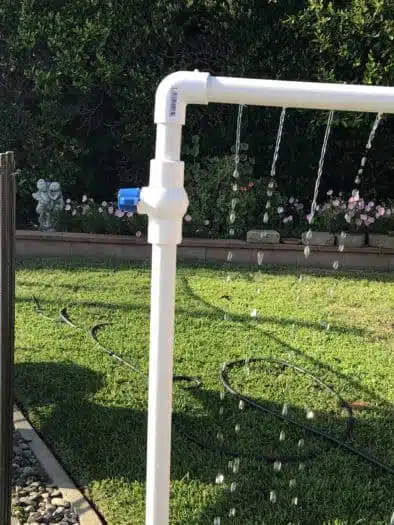
- Turn on the water supply and check the system for leaks and proper water distribution.
- Adjust the sprinkler heads and valves as needed to achieve optimal coverage and water pressure.
Benefits of Using a PVC Sprinkler System
- Cost-effective: PVC pipes and fittings are durable and surprisingly affordable.
- Water-efficient: A well-designed sprinkler system ensures water is delivered exactly where it's needed.
Conclusion
Installing a PVC sprinkler system is a straightforward process that requires careful planning and execution. By following these steps and considering local regulations, material selection, and system adjustment, you can create a water-efficient and cost-effective irrigation system that will keep your lawn and garden thriving.