Posture Awareness for Back Pain: A Guide to Improving Your Spinal Health
Back pain remains one of the most common health complaints worldwide, affecting millions of people each year. Whether due to poor posture, prolonged sitting, inactivity, or everyday activities, back pain can significantly hinder one's ability to enjoy life. In this article, we'll delve into the importance of posture awareness for back pain, discussing its causes, effects, and most importantly, practical tips to improve your spinal health.
Understanding Posture Awareness for Back Pain
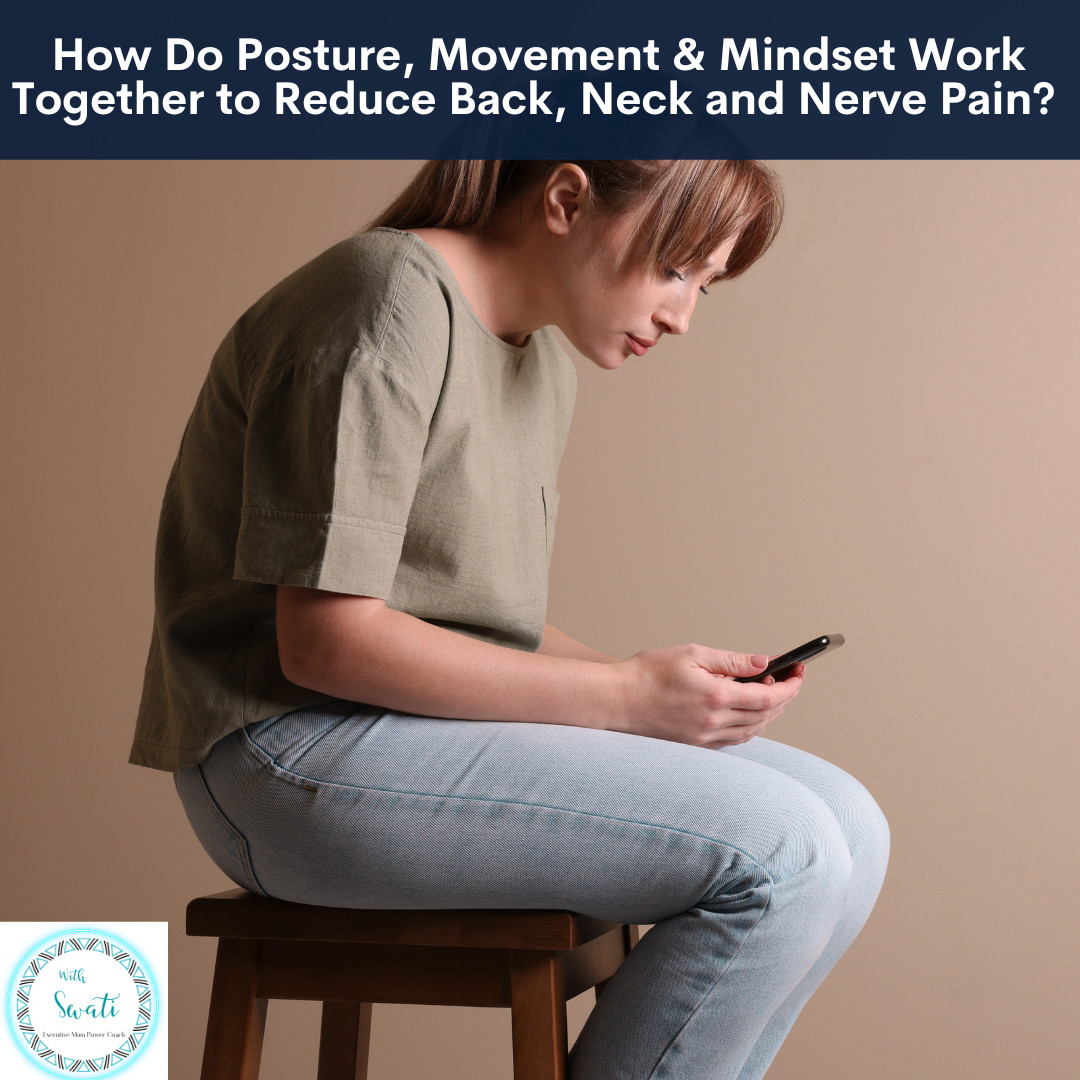
Posture refers to the physical alignment of your body, from the way you sit, stand, and move. Proper posture involves maintaining a neutral spine alignment, with your ears in line with your shoulders, shoulders relaxed, and hips level. When you have poor posture, it can lead to back pain, neck strain, and other musculoskeletal issues. This is because poor posture can put unnecessary stress on your muscles and joints, making them work harder to maintain balance and alignment.
Causes of Back Pain Due to Poor Posture
There are several reasons why poor posture can lead to back pain. Some of the most common causes include:
- Repetitive activities at work or home, such as sitting at a computer or lifting and bending.
- Physical inactivity or a sedentary lifestyle.
- Heavy lifting, bending, or twisting.
- Poor sleeping habits or an unsupportive mattress.
- Weight gain or obesity.
Effects of Poor Posture on Back Pain
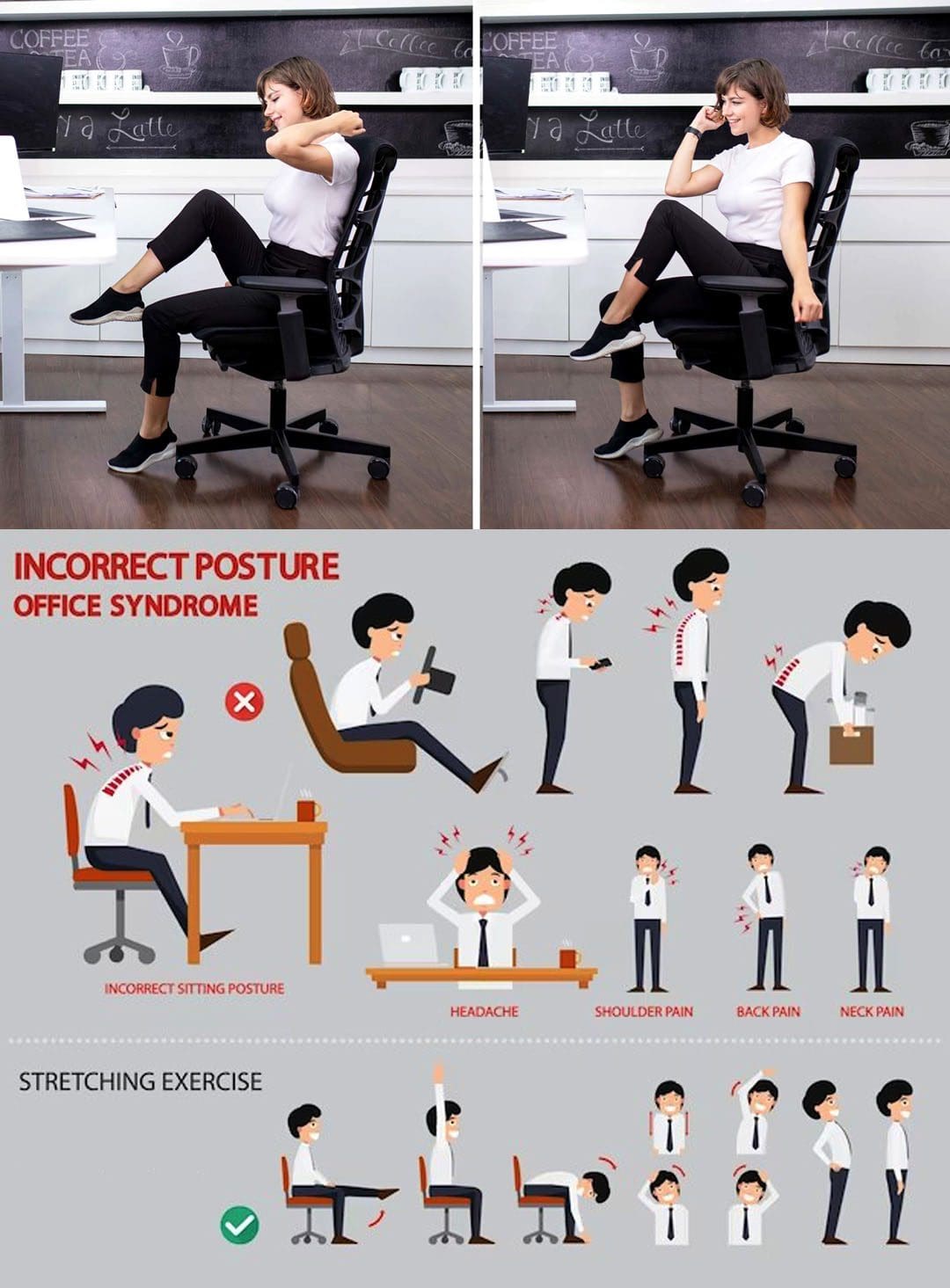
When you have poor posture, it can lead to a range of issues, including:
- Back pain and stiffness.
- Neck strain and headaches.
- Shoulder and arm pain.
- Fatigue and decreased mobility.
- Decreased self-esteem and confidence.
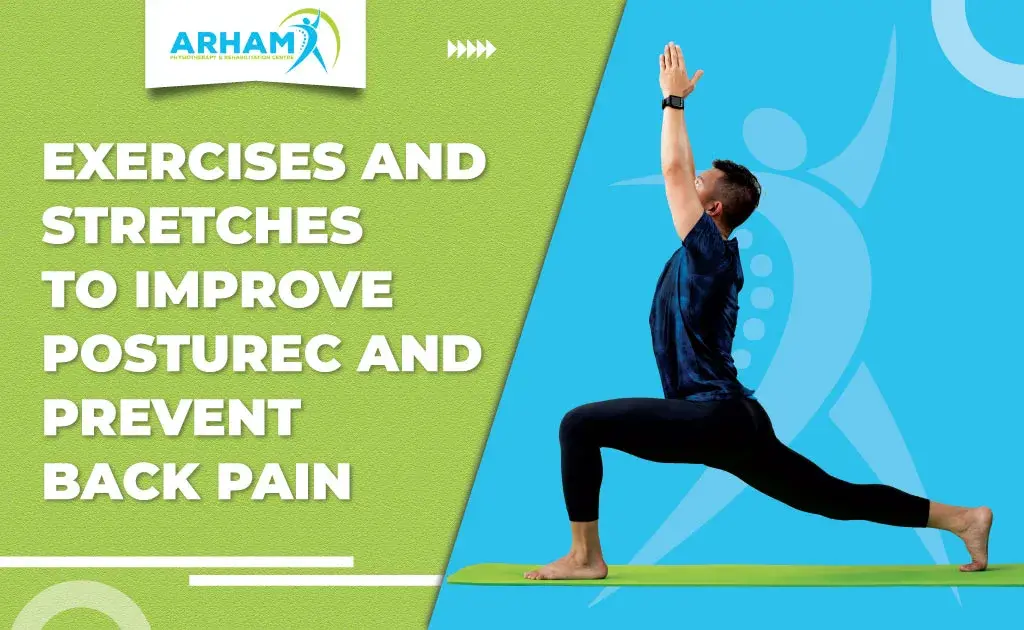
Practical Tips for Improving Posture Awareness
Fortunately, improving your posture is a straightforward process that can be achieved through a combination of self-awareness, lifestyle changes, and simple exercises. Here are some tips to get you started:
-
Sit With Awareness:
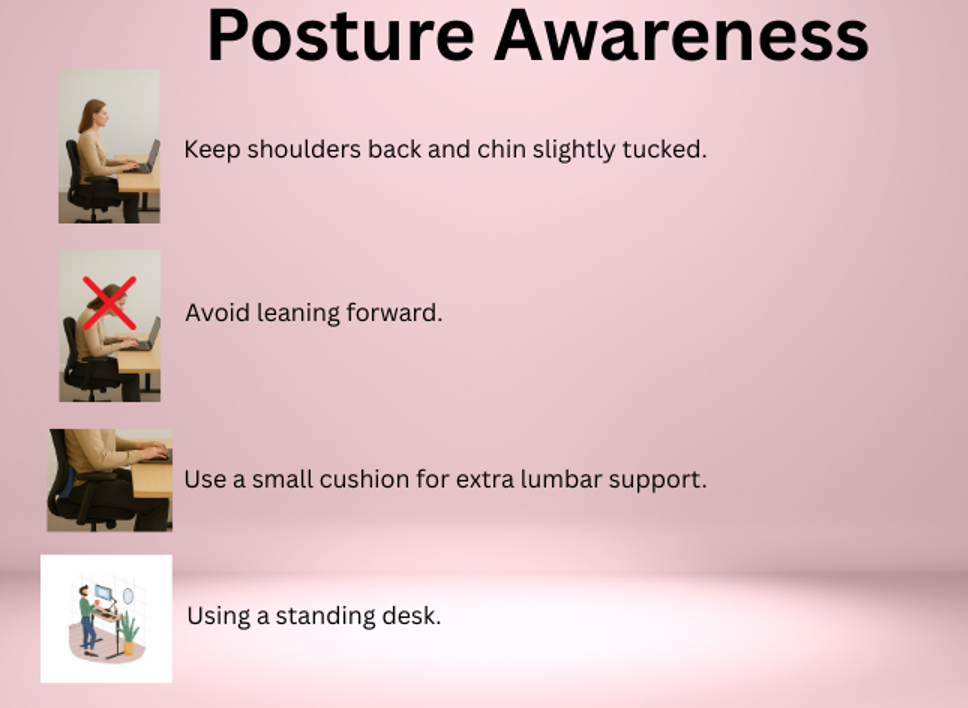
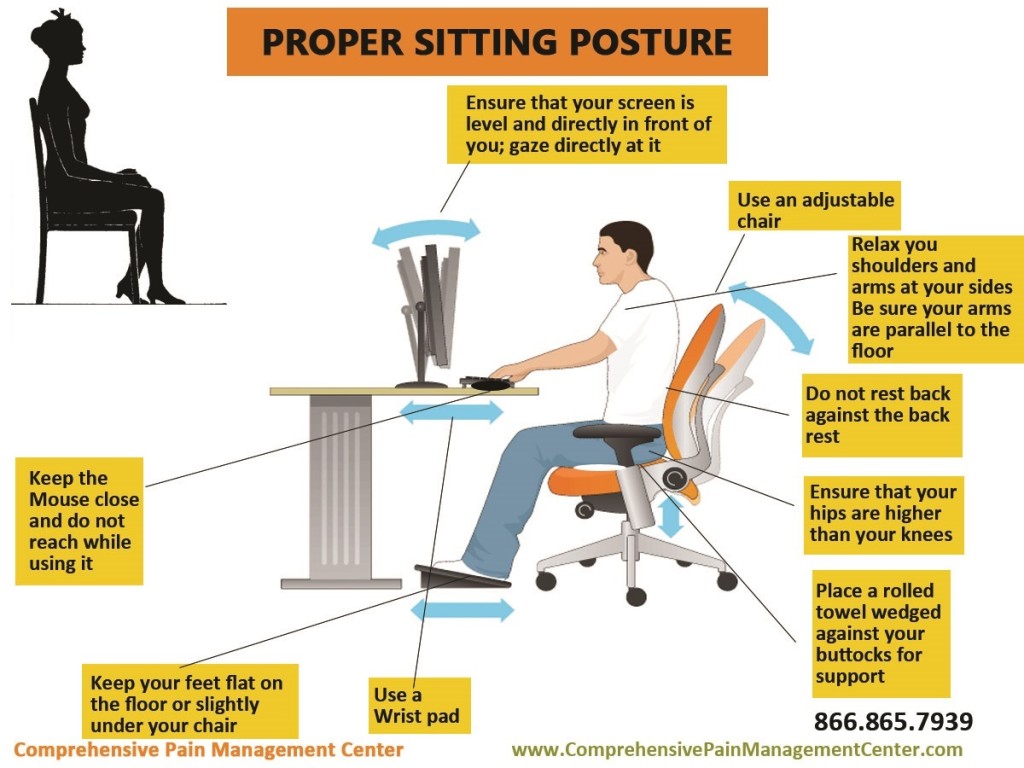
Aim for a neutral seated posture: feet flat on the floor, hips slightly higher than knees, shoulders relaxed, and ears aligned over shoulders. Adjust chair height and screen level to reduce neck and lower-back strain.
-
Move Every 30-60 Minutes:
The spine thrives on movement. Take regular breaks to stretch, move around, and engage in physical activity.
-
Strengthen Your Core:
Engage in exercises that strengthen your core muscles, such as planks, bridges, and pelvic tilts. This will help improve your posture and reduce back pain.
-
Use Posture-Support Devices:
Consider using devices such as back rests, lumbar supports, or posture-correcting pillows to help maintain good posture and alleviate back pain.
Conclusion
Improving your posture awareness can have a direct positive impact on alleviating back pain and enhancing your overall health. By implementing the practical tips outlined in this article, you can start making positive changes to your posture and spinal health. Remember, good posture is not just about physical alignment; it's also about building self-confidence and improving your overall quality of life.
Additional Tips and Resources
For more information on improving your posture and back pain, consider consulting with a healthcare professional or physical therapist. They can provide personalized advice and guidance to help you achieve optimal spinal health.
By combining posture awareness with sensible movement habits, stress management, and a healthy lifestyle, you can work toward a healthier, more comfortable daily life without letting lower back pain hold you back.