Retaining Brand Competitiveness: Strategies for Long-Term Success
In today's fast-paced business landscape, retaining brand competitiveness has become a crucial aspect of any company's success. With an increasingly crowded marketplace and shifting consumer preferences, it's more challenging than ever to stand out and attract loyal customers. In this article, we'll explore the importance of retaining brand competitiveness and share effective strategies for achieving long-term success.
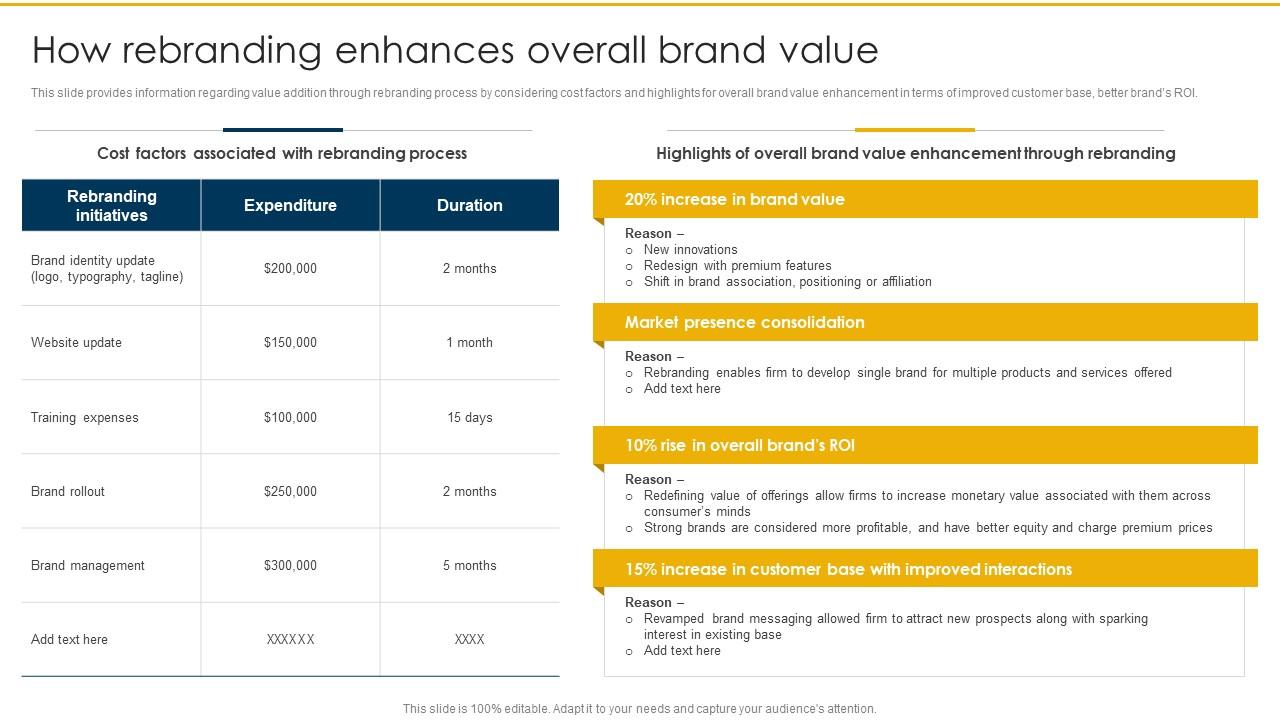
Understanding the Role of Brand Value
The role of brand value in driving brand competitiveness has been a topic of interest for marketing scholars in recent years. According to a study by Winzar, Baumann, and Chu (2018), brand value is a critical factor in determining a brand's competitiveness in the market. This highlights the importance of investing in brand development and nurturing a strong brand identity.
Key Strategies for Retaining Brand Competitiveness
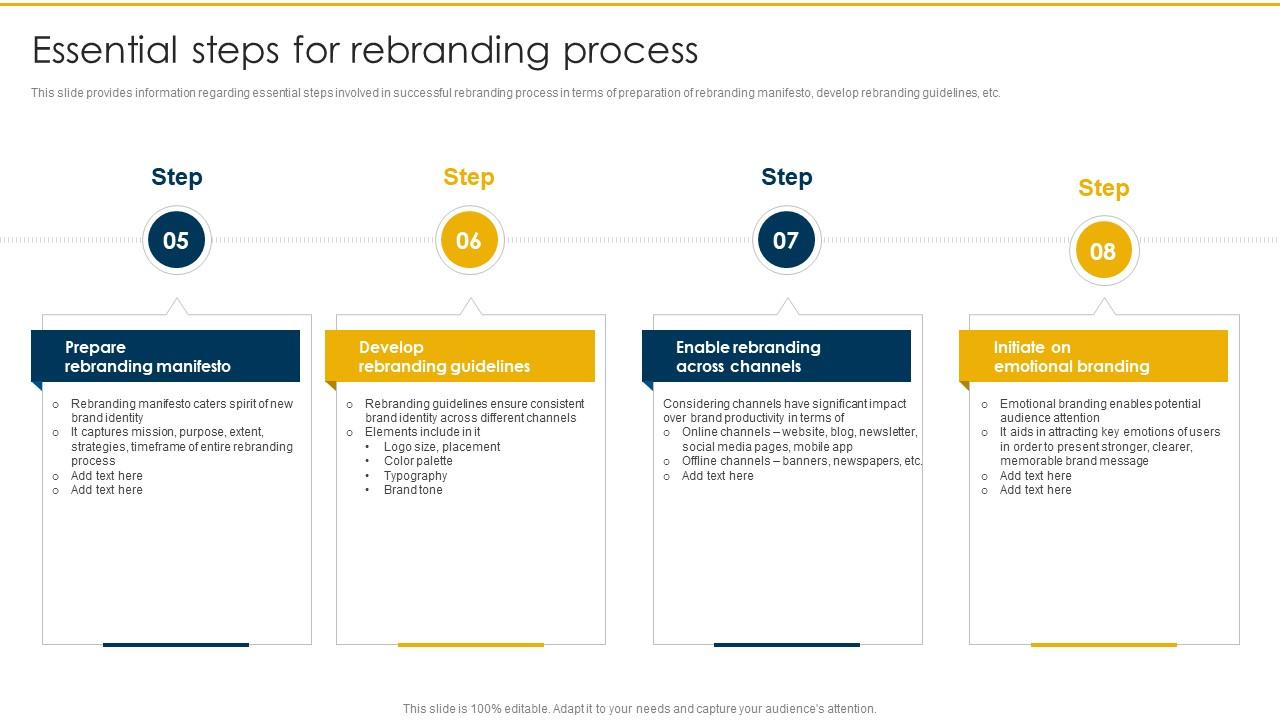
To retain brand competitiveness, businesses need to focus on several key strategies, including:
-
Building strong brand awareness and recognition
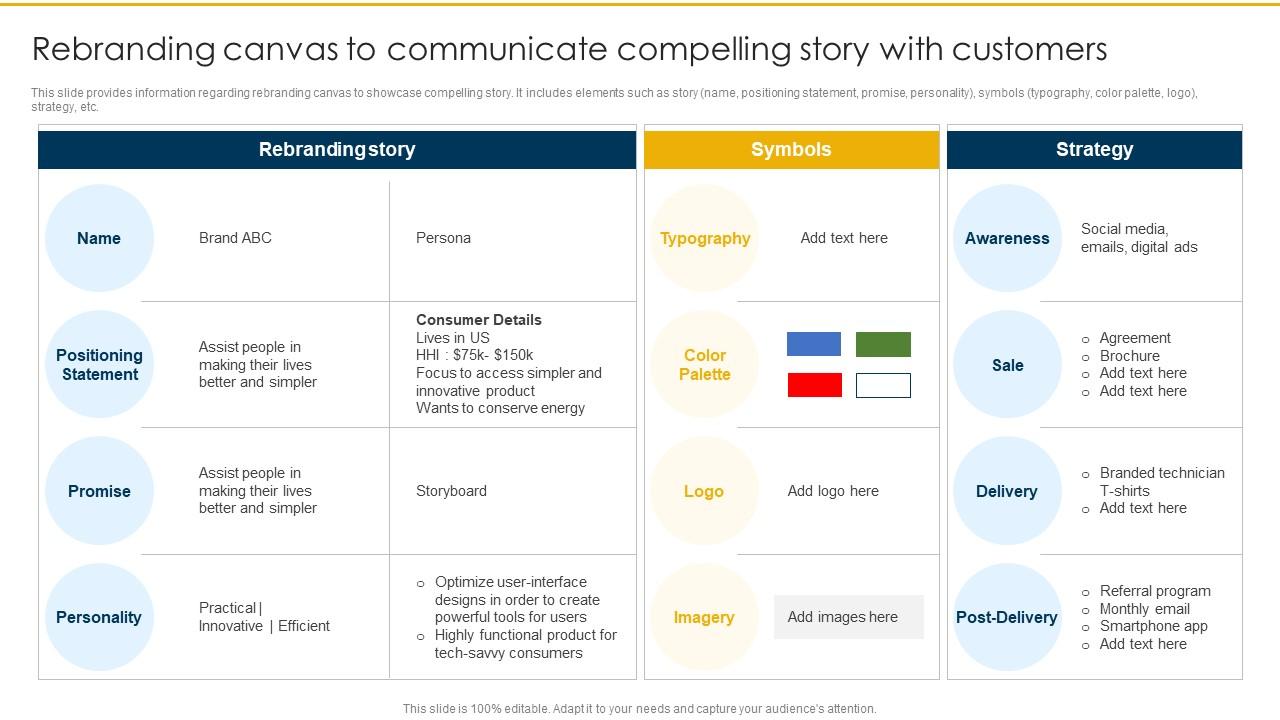
- Create a unique brand message and visual identity that resonates with your target audience
- Invest in marketing and advertising efforts to reach a wider audience
-
Developing customer loyalty and retention programs
- Implement loyalty rewards and incentives to encourage repeat business
- Develop a customer service strategy that prioritizes customer satisfaction and engagement
-
Staying up-to-date with industry trends and innovations
- Stay informed about the latest industry developments and trends
- Invest in ongoing education and training for your team to stay ahead of the competition
Measuring and Monitoring Brand Competitiveness
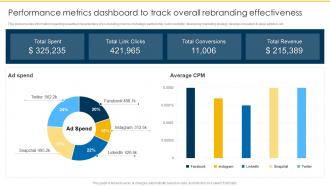
To ensure that your brand competitiveness is on track, it's essential to establish key performance indicators (KPIs) and monitor your brand's performance regularly. This can include metrics such as:
-
Customer acquisition and retention rates
- Track the number of new customers acquired and retained
- Monitor customer churn rates to identify areas for improvement
-
Brand awareness and recognition metrics
- Track social media engagement and website traffic
- Monitor customer satisfaction and engagement metrics
Conclusion
Retaining brand competitiveness is a critical aspect of any business's success. By focusing on building strong brand awareness, developing customer loyalty and retention programs, and staying up-to-date with industry trends, businesses can establish a competitive edge in the market. Regularly measuring and monitoring brand performance will help identify areas for improvement and ensure that your brand remains competitive in the long term.
Building a Strong Employer Brand: The Key to Talent Attraction and Retention
While retaining brand competitiveness is crucial for attracting and retaining customers, building a strong employer brand is equally important for attracting and retaining top talent. A strong employer brand helps to create a positive image of your company as an employer and can be a major competitive differentiator in the market.
Key Strategies for Building a Strong Employer Brand
To build a strong employer brand, businesses need to focus on several key strategies, including:
-
Developing a clear and authentic employer value proposition (EVP)
- Craft a compelling EVP that highlights the benefits and opportunities of working with your company
- Educate employees on the importance of the EVP and how they can live it in their daily work
-
Creating a positive and inclusive work environment
- Foster a culture of belonging and inclusion that values diversity and promotes a positive work-life balance
- Develop policies and programs that support employee well-being and success
-
Engaging with employees and showcasing your employer brand
- Use social media and internal communications to share employee stories, experiences, and testimonials
- Develop employee ambassador programs to promote your employer brand externally
Measuring the Impact of Your Employer Brand
To determine the effectiveness of your employer brand, businesses need to establish key performance indicators (KPIs) such as:
-
Net promoter score (NPS)
- Measure employee satisfaction and likelihood to recommend the company
- Identify areas for improvement and opportunities for growth
-
Employee retention and turnover rates
- Monitor turnover rates and identify factors contributing to employee departures
- Develop strategies to improve employee retention and reduce turnover
Conclusion
Building a strong employer brand is a crucial aspect of talent attraction and retention in today's competitive job market. By developing a clear and authentic employer value proposition, creating a positive and inclusive work environment, and engaging with employees, businesses can establish a competitive edge in the labor market and attract and retain the best talent. Regularly measuring the impact of your employer brand will help identify areas for improvement and ensure that your business remains attractive and competitive in the long term.