Septic Tank Troubleshooting Guide: Essential Steps to Diagnose and Fix Common Problems
When something goes wrong with your septic system, it doesn't always mean you need to pick up the phone and prepare for a hefty bill. In many cases, the problem is minor—or at least easy to identify—if you know what to look for. In this comprehensive septic tank troubleshooting guide, we will walk you through simple steps to diagnose common issues before calling a professional.Understanding the Basics of Septic Systems
Septic tanks are designed to handle household wastewater effectively, but they can fail for a variety of reasons. Recognizing the signs of a malfunctioning system and understanding how to troubleshoot these issues is essential for maintaining a healthy and functioning septic system. Septic systems work by breaking down organic matter in wastewater through a process called anaerobic decomposition. This process involves beneficial bacteria that thrive in the absence of oxygen, allowing the waste to be converted into a stable and non-toxic form. However, this process can be disrupted by various factors, such as overuse, inadequate maintenance, or environmental factors.Common Septic Tank Problems and Their Possible Causes
The following are some common septic tank problems and their possible causes:- Slow drains or backups: Full septic tank, clogs in pipes or drain field
- Foul odors: Overly green grass near the drainfield, septic tank or drainfield not functioning properly
- Standing water: Failure of the pump or clogging of the drainfield
- Septic system odors: Dry P-traps, full septic tank, or vent pipe issues
DIY Septic Tank Troubleshooting Steps
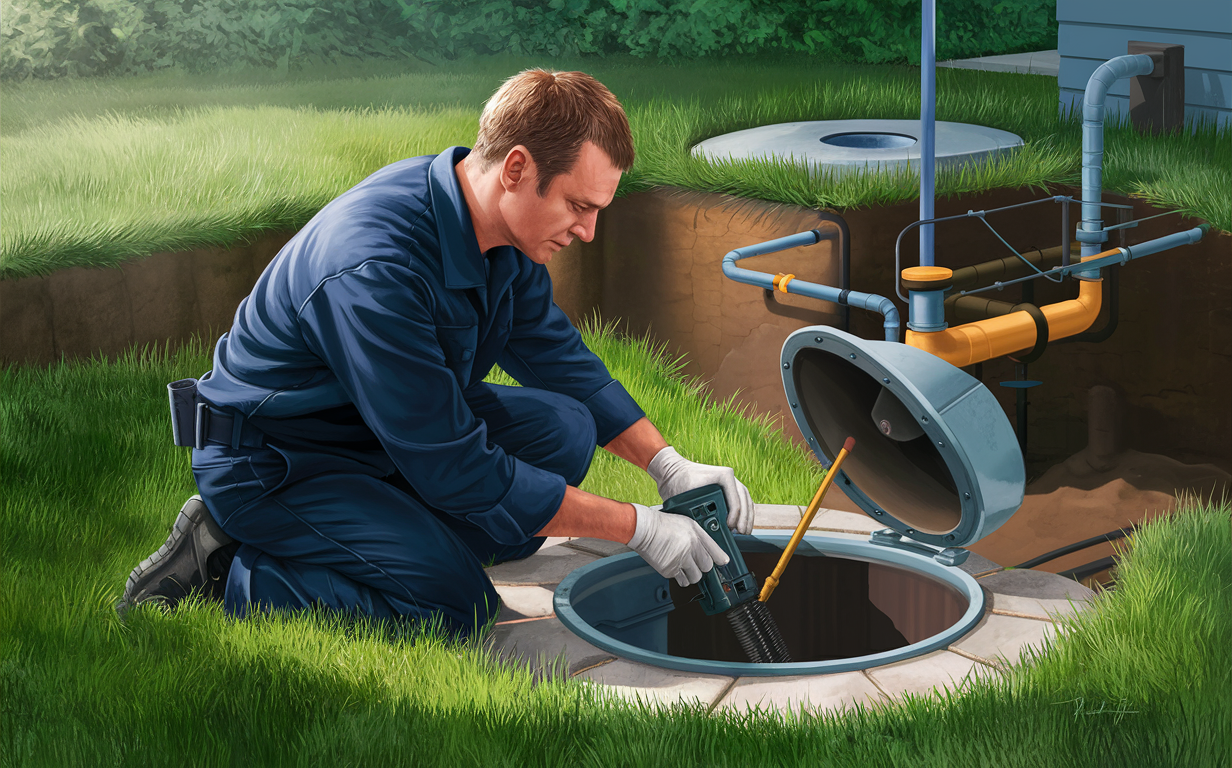
Before calling a professional, you can try the following DIY troubleshooting steps:- Check your septic tank's water level: If the level is too high, it may indicate a full septic tank or clogged drainfield.
- Inspect the drainfield: Check for signs of water accumulation or flooding.
- Look for excessive grass growth or odors near the drainfield: These can be signs of a malfunctioning septic system.
- Check your septic tank maintenance records: Ensure regular inspections and pumping have been performed as recommended.
When to Call a Professional
While DIY troubleshooting can help identify some issues, not all problems can be fixed with simple fixes. It's essential to call a professional whenever you notice:- Recurring backups or slow drains
- Strong, persistent odors
- Flooding or standing water near the drainfield
- Unusual noises or vibrations from the septic tank