Smart Thermostat Installation for Builders: A Comprehensive Guide
Introduction
As a builder, you're always looking for ways to improve the efficiency and comfort of the homes you construct. One of the most impactful advancements in recent years is the installation of smart thermostats. Not only do these devices enhance energy efficiency, but they also provide valuable data for business intelligence and data analytics. In this article, we'll delve into the world of smart thermostat installation for builders, covering the key considerations, benefits, and best practices.What is Smart Thermostat Installation?
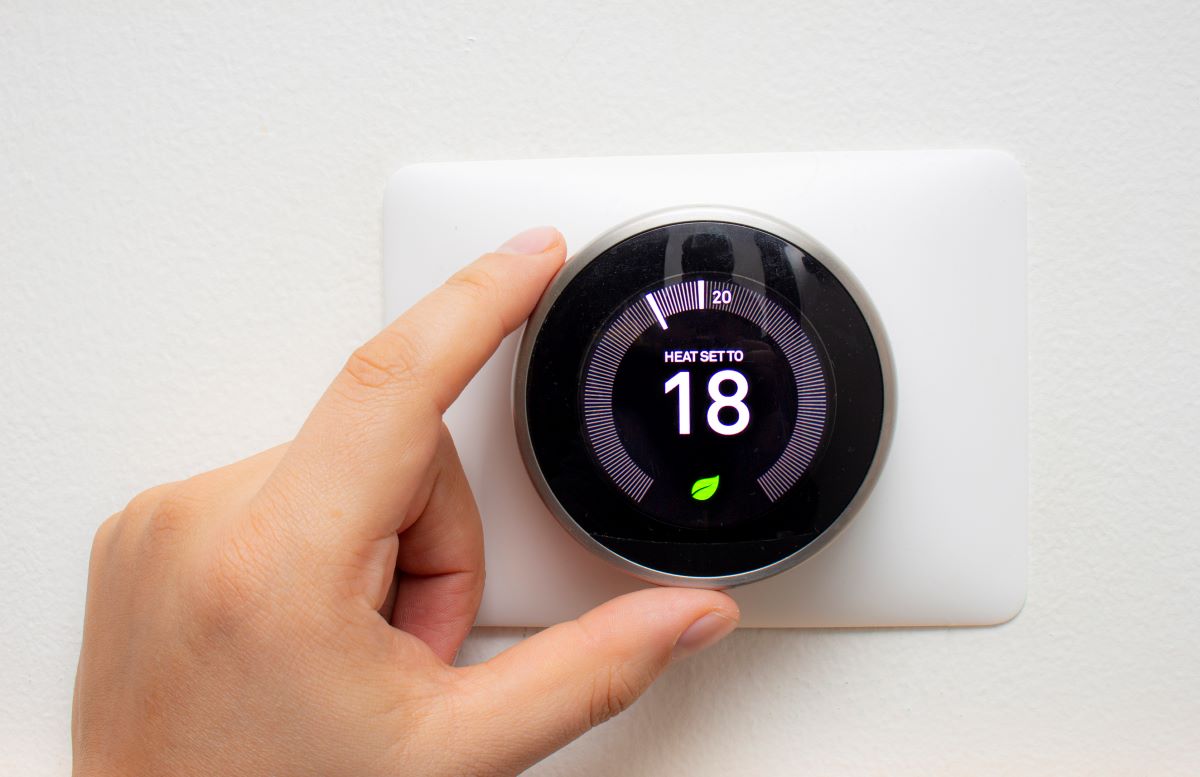
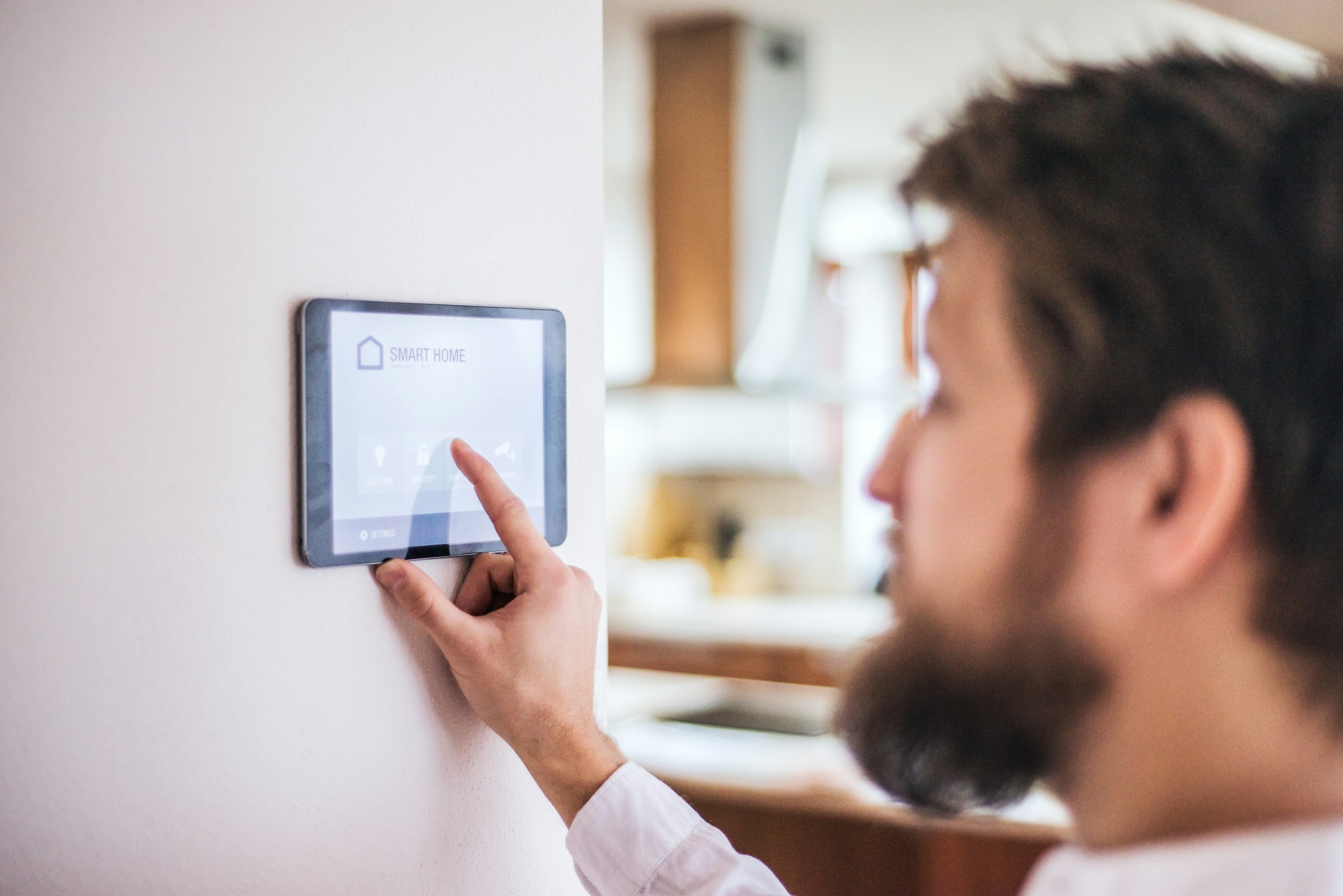
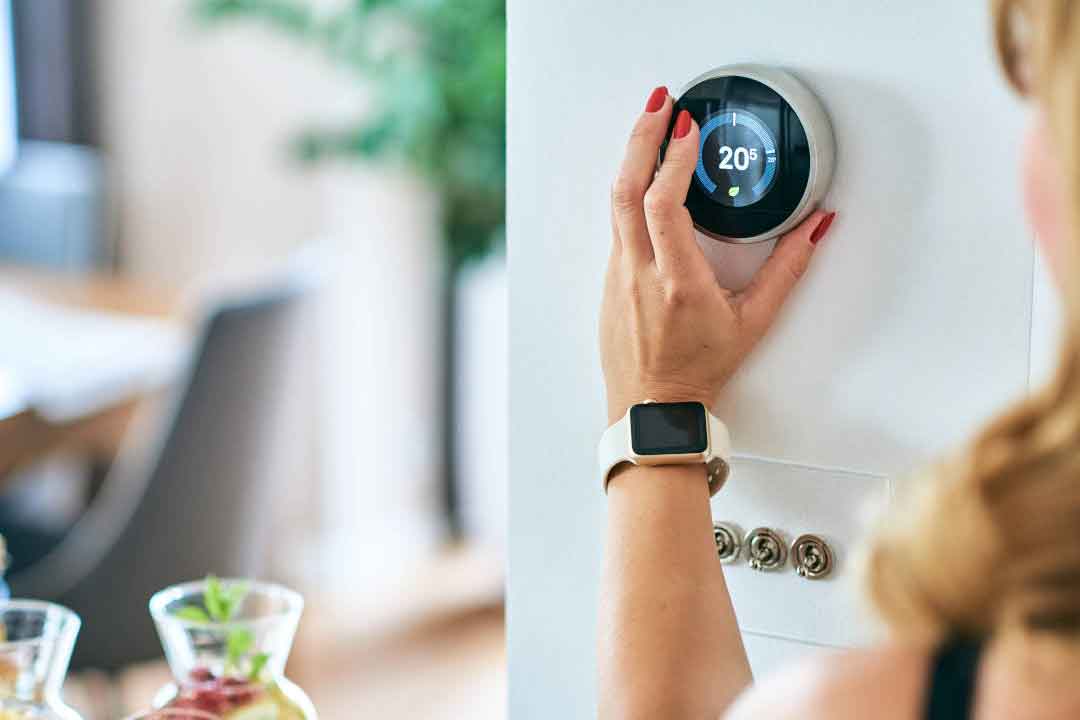
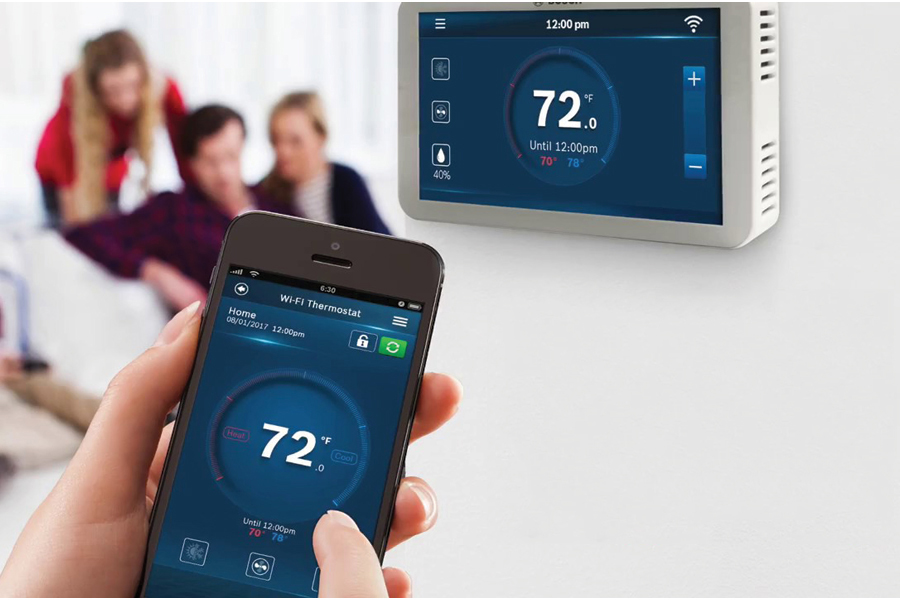
Smart thermostat installation refers to the process of installing a smart thermostat, which is a device used to control a home's heating and cooling system digitally. Smart thermostats allow you to take more control over temperature, even from your phone or tablet, and can aid in conservation. Most models are compatible with Wi-Fi, making it easy to connect and monitor your thermostat remotely.Benefits of Smart Thermostat Installation for Builders
The benefits of smart thermostat installation for builders are numerous. Some of the key advantages include:- Improved energy efficiency: Smart thermostats can learn your schedule and preferences to optimize heating and cooling, reducing energy waste and lowering utility bills.
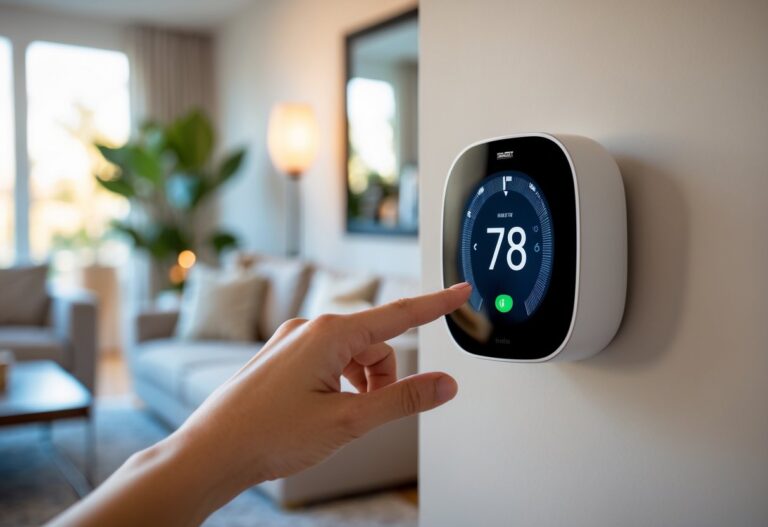
- Enhanced comfort: With smart thermostats, you can adjust the temperature remotely, ensuring that your home is always comfortable and cozy.
- Increased property value: Smart thermostats are a sought-after feature in modern homes, making them a valuable addition to your property.
- Data analytics: Smart thermostats provide valuable data on energy usage, helping you identify areas for improvement and optimize your energy efficiency.
Key Considerations for Smart Thermostat Installation
Before installing a smart thermostat, there are several key considerations to keep in mind:- Compatibility: Ensure that your heating and cooling system is compatible with the smart thermostat model you choose.
- Wire configuration: Smart thermostats require a specific wire configuration, which can vary depending on the model and system.
- Power requirements: Some smart thermostats require a C-wire for continuous power, while others can use adapter kits or work without one.
- Installation complexity: Smart thermostat installation can be a complex process, requiring technical expertise and attention to detail.

Step-by-Step Guide to Smart Thermostat Installation
Installing a smart thermostat can be a straightforward process if you follow the correct steps. Here's a step-by-step guide to help you get started:- Check compatibility: Ensure that your heating and cooling system is compatible with the smart thermostat model you choose.
- Turn off power: Switch off the power to your heating and cooling system at the breaker.
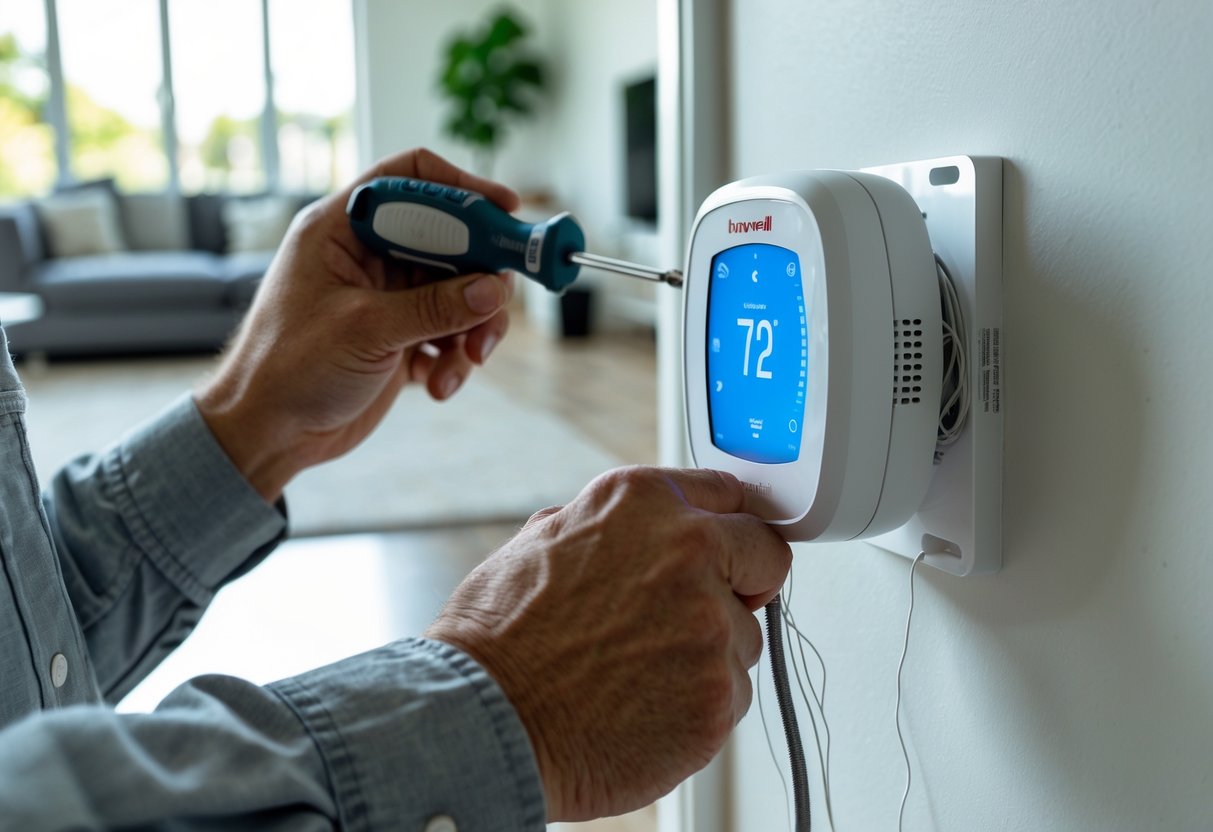
- Remove old thermostat: Take out the old thermostat and disconnect the wires.
- Connect new thermostat: Connect the new smart thermostat according to the wire configuration specified in the manufacturer's instructions.
- Configure the thermostat: Follow the manufacturer's instructions to configure the smart thermostat and connect it to your Wi-Fi network.
- Test the thermostat: Turn on the power and test the smart thermostat to ensure it's working correctly.
Best Practices for Smart Thermostat Installation
To ensure a successful smart thermostat installation, follow these best practices:- Choose the right model: Select a smart thermostat that's compatible with your heating and cooling system and meets your energy efficiency needs.
- Hire a professional: If you're not comfortable with the installation process, hire a professional to ensure the job is done correctly.
- Follow manufacturer's instructions: Always follow the manufacturer's instructions for installation and configuration.
- Test the thermostat: Thoroughly test the smart thermostat to ensure it's working correctly and providing the desired results.