Trademark Opposition Europe: A Comprehensive Guide
In the complex world of trademark law, Trademark Opposition Europe plays a crucial role in safeguarding the rights of existing trademark owners. When a new trademark application is published in the European Union Trade-Mark Register, it is open to opposition for a period of three months. During this time, any party with an earlier registered trademark or other rights can object to the registration of the new trademark. In this article, we will delve into the intricacies of Trademark Opposition Europe and guide you through the process.
Understanding the Basics of Trademark Opposition
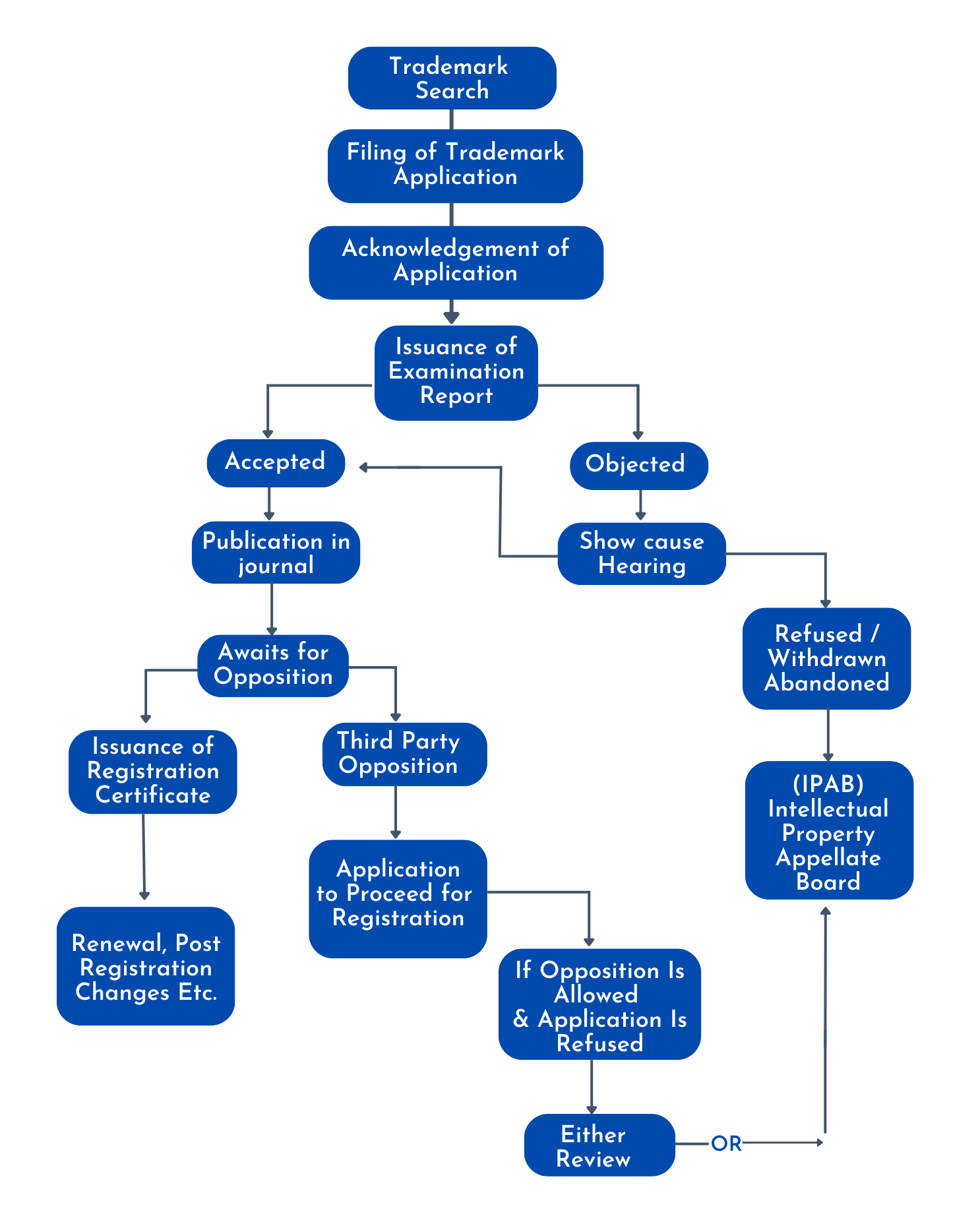
At its core, Trademark Opposition Europe is a procedure that allows earlier rights holders to challenge the registration of a new trademark. This can include proprietors of prior registered trademarks, national trademarks in EU member states, or other forms of trade signs. If someone opposes your trademark application, you have three options: you can withdraw your application, settle the opposition with the opponent, or the European Union Intellectual Property Office (EUIPO) will decide whether the trademark can be registered or not.
Types of Opposition in Europe
- Double Identity and Likelihood of Confusion: This occurs when the new trademark is identical or similar to an earlier trademark, used for identical or similar goods and services, and there is a risk of confusion among consumers.
- Unauthorised Filing by Agents of the TM Proprietor: If someone has filed a trademark application on behalf of the trademark owner without their authority, you can file an opposition.
- Non-Registered Trademarks and Other Signs Used in the Course of Trade: You can object to a new trademark if it is identical or similar to a non-registered trademark or other sign used in the course of trade, and there is a risk of confusion among consumers.
- Trademarks with Reputation: If a trademark with a reputation in the EU is likely to be affected by the registration of the new trademark, you can file an opposition.
The Process of Filing an Opposition in Europe
When filing an opposition, you will need to fill in a form and pay a fee of €320. The opposition must be filed within three months of the publication of the trademark application in the European Union Trade-Mark Register. Failure to do so will result in the opposition being inadmissible.
Consequences of Losing an Opposition
If you fail to establish a valid ground for opposition, the trademark application may proceed to registration. In such a case, you may not appeal the decision of the first instance. However, you can file an appeal against the decision, but this will require the services of a court or an administrative body.
Conclusion
Trademark Opposition Europe is a crucial mechanism that protects the rights of existing trademark owners. By understanding the various grounds for opposition and the process involved, you can effectively safeguard your brand and handle disputes effectively. With expert insights and strategies, you can navigate potential challenges in EU trademark oppositions and ensure the protection of your brand.