Types of Water Heater Replacement
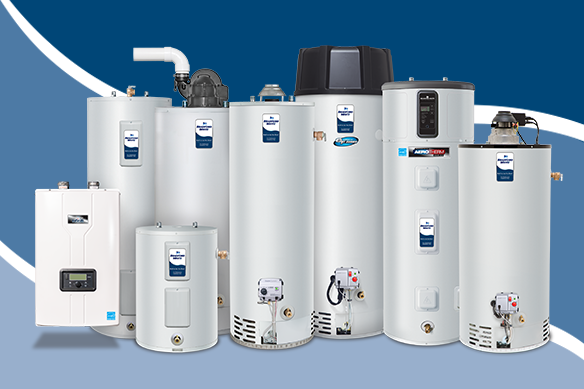
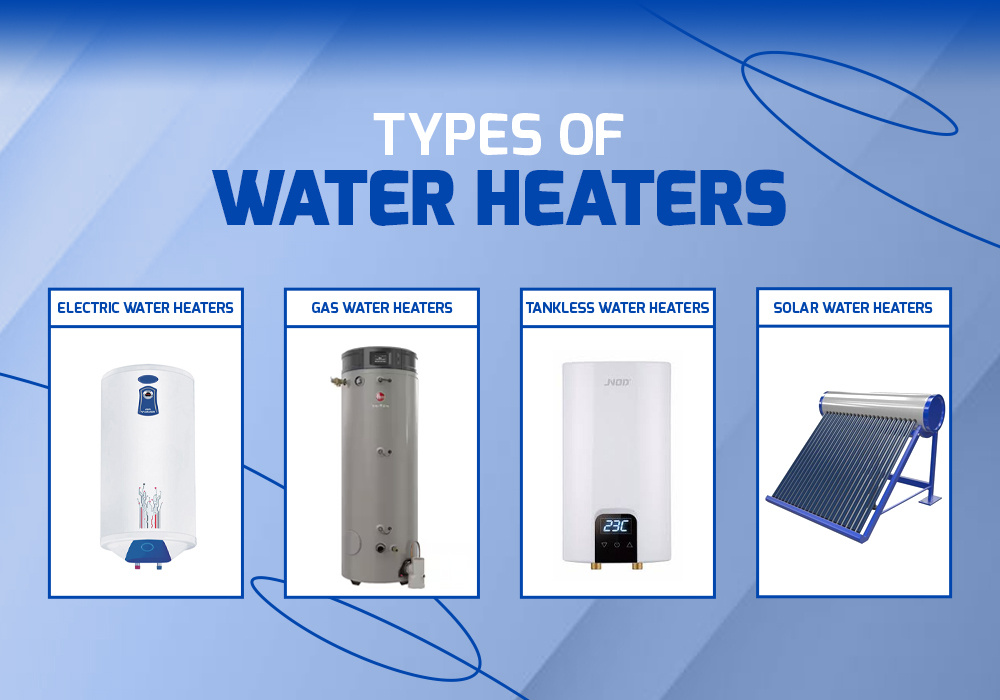
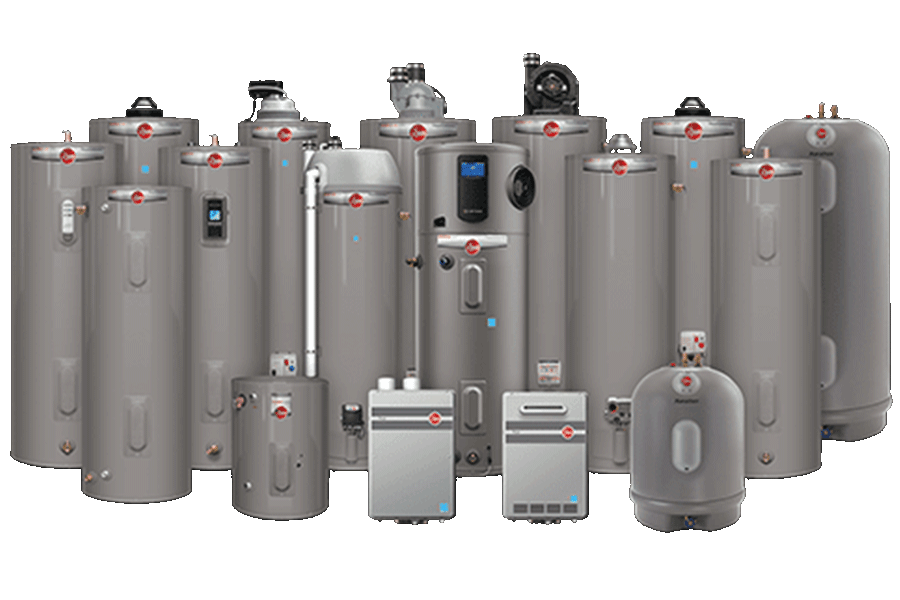
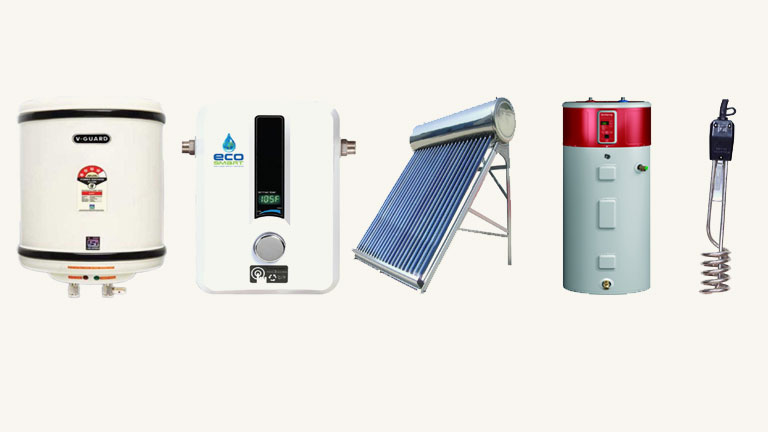
When it comes to replacing your water heater, there are several types to choose from, each with its own unique features, advantages, and drawbacks. Selecting the right type of water heater for your home and water heating needs is essential for ensuring comfort, energy efficiency, and long-term cost savings.
Conventional Tank Water Heaters
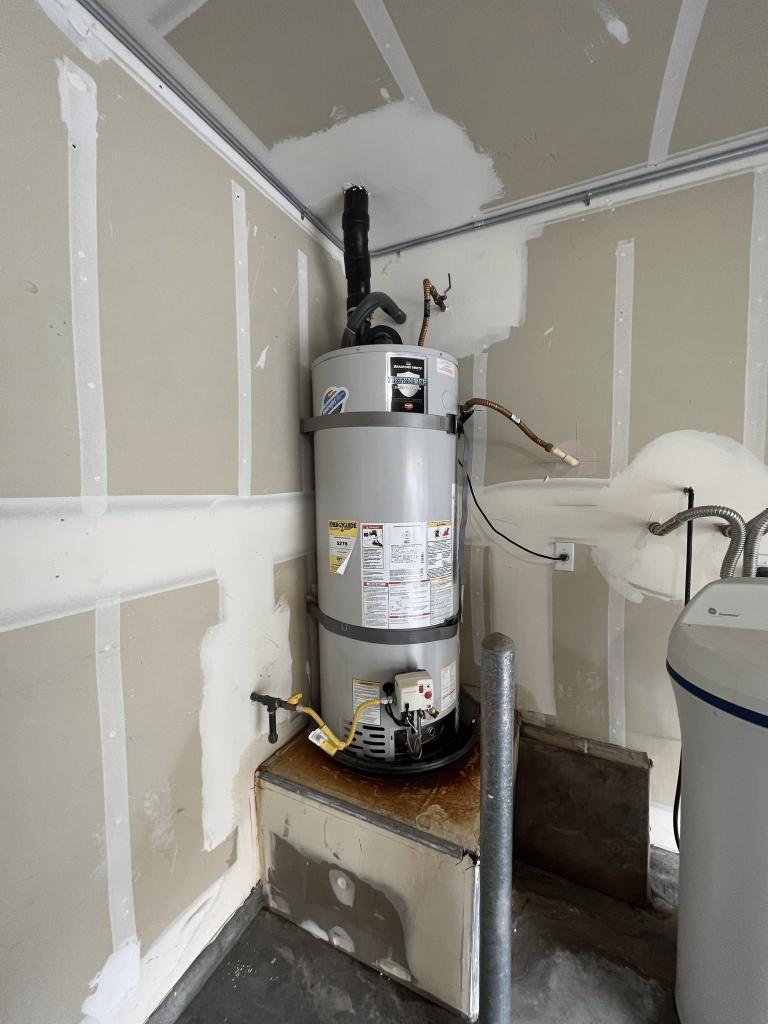
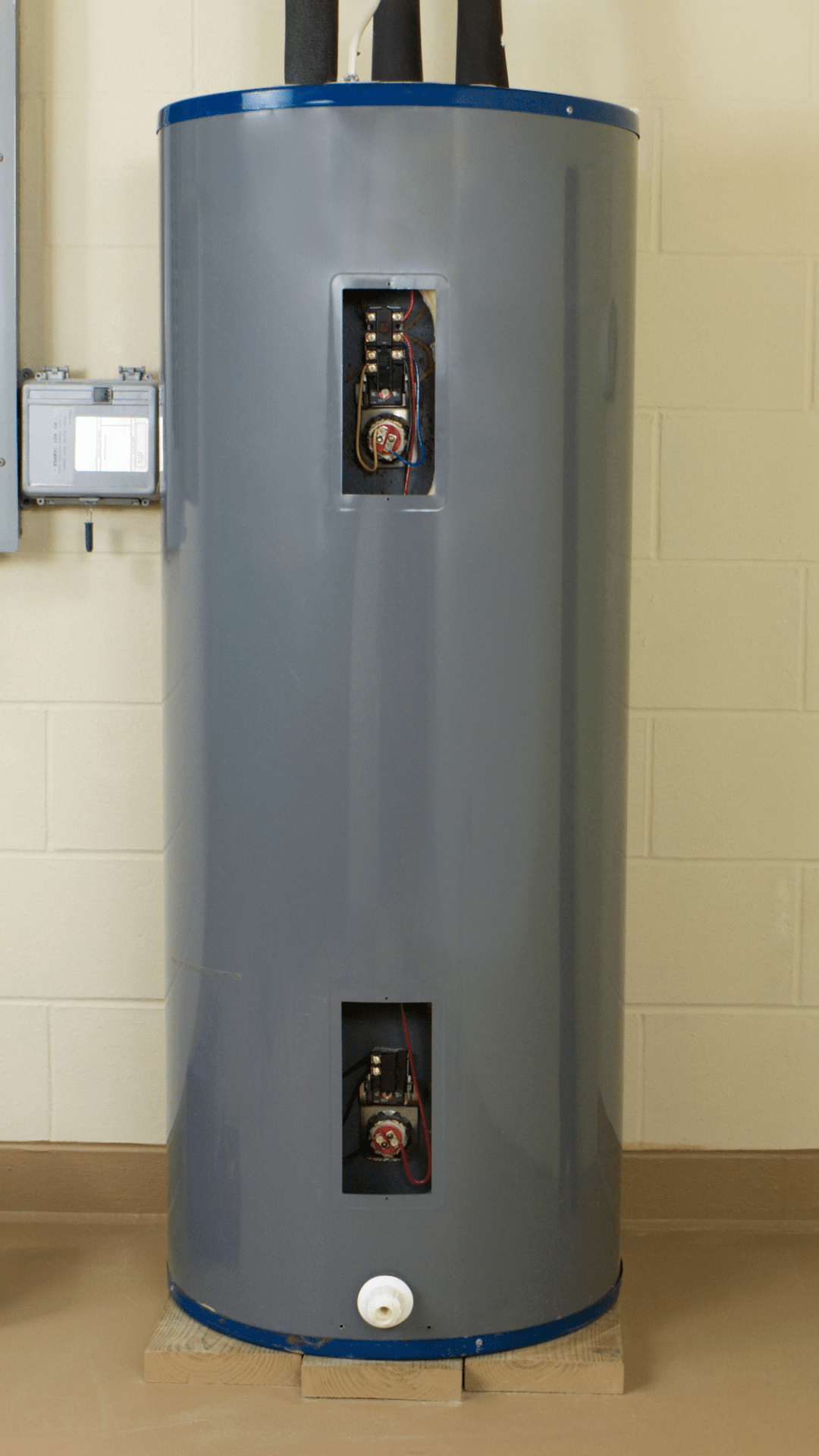
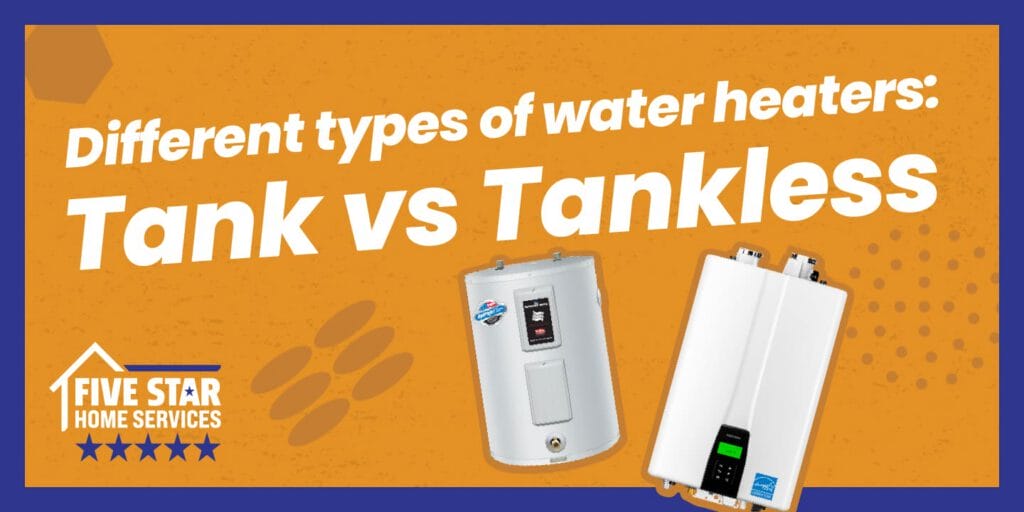
Conventional tank water heaters, also known as tank water heaters, are the most common type of water heater used in homes throughout the United States. These systems consist of a large insulated tank that can hold between 30 and 80 gallons of water, depending on the size of the tank. They are typically powered by electricity or natural gas. While conventional tank water heaters are widely used, they have some drawbacks, including:
- Energy efficiency: They tend to waste energy by continuously heating water in the tank, even when it's not needed.
- Space requirements: They require a significant amount of space to accommodate the tank, often taking up valuable storage space in the garage or basement.
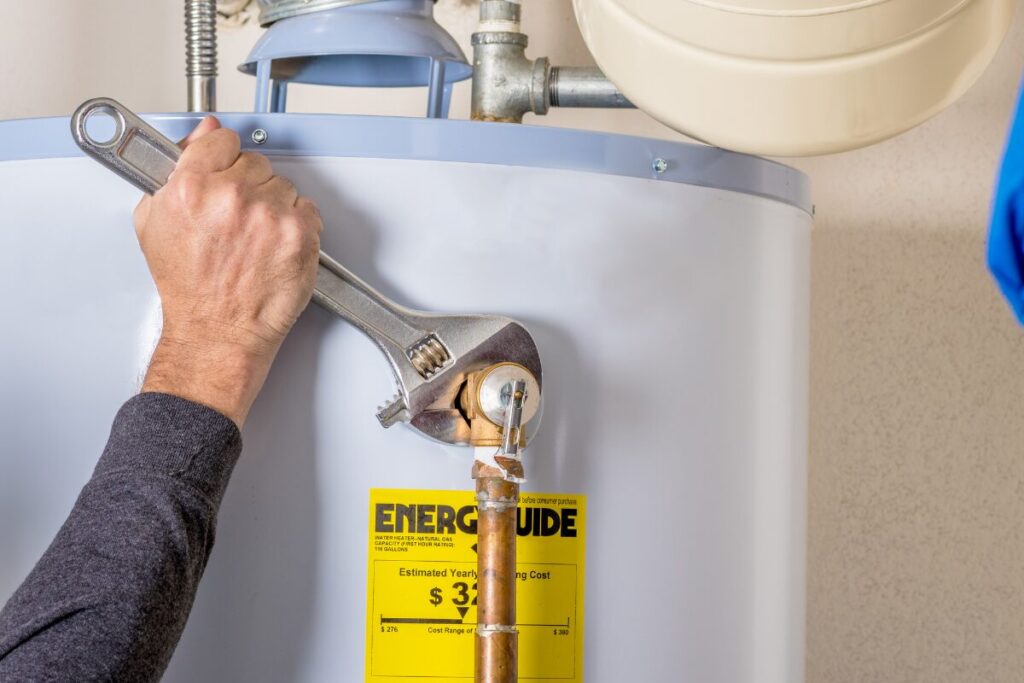
- Maintenance: They require regular maintenance to ensure the tank is properly insulated and the heater is functioning efficiently.
Tankless Water Heaters
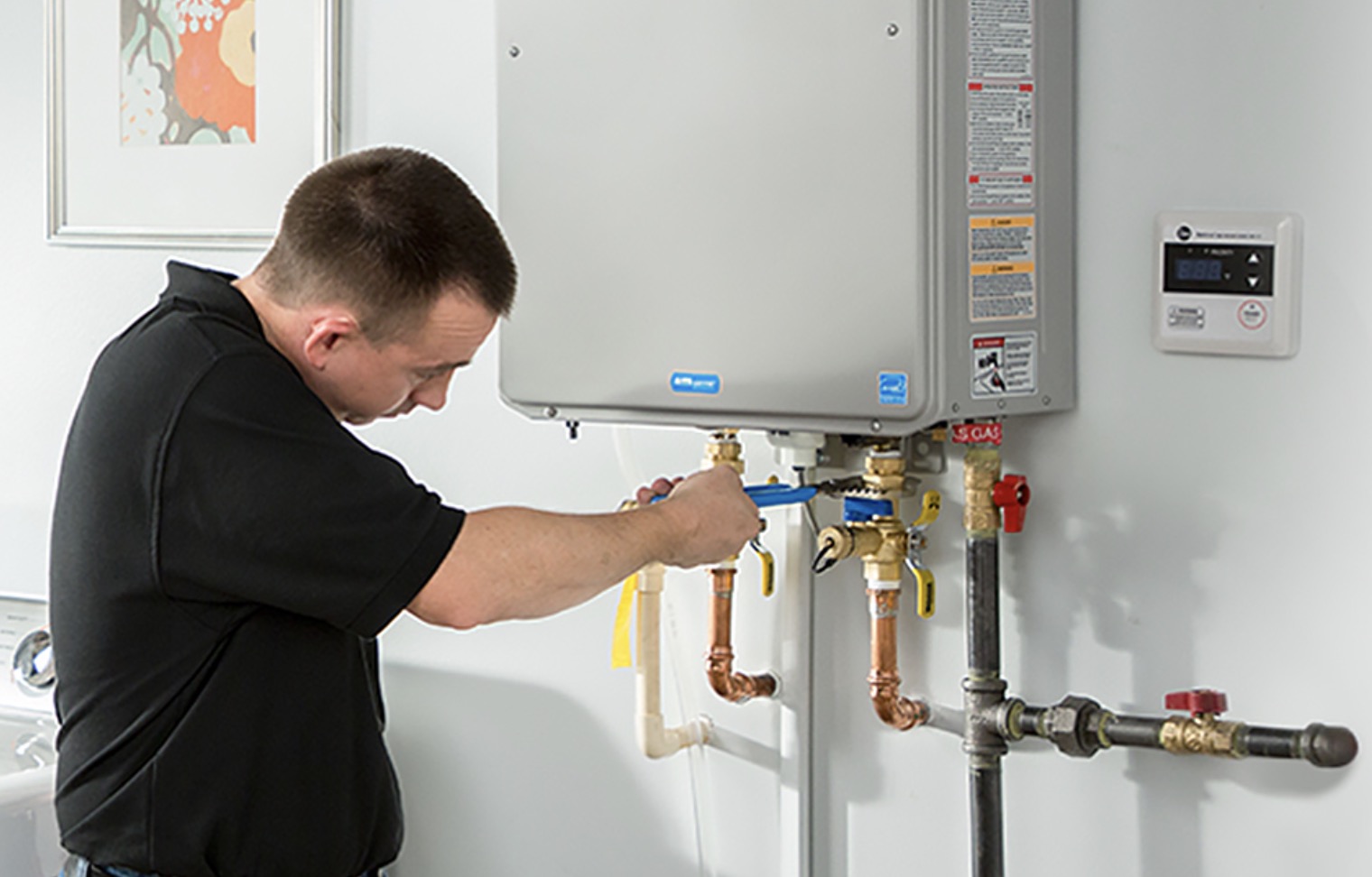
Tankless water heaters, also known as on-demand water heaters, provide hot water only when needed. They are designed to be more energy-efficient and space-saving than traditional tank water heaters. Tankless water heaters work by heating water as needed, rather than continuously heating water in a tank. This design makes them ideal for households with multiple users or for those who require large amounts of hot water.
Point-of-Use Water Heaters
Point-of-use water heaters, also known as instantaneous water heaters, provide hot water for a single faucet or appliance. They are designed to be more energy-efficient and space-saving than traditional tank water heaters. Point-of-use water heaters work by heating water only when needed, making them ideal for households with limited water needs or for those who want to reduce energy consumption.
Heat Pump Water Heaters
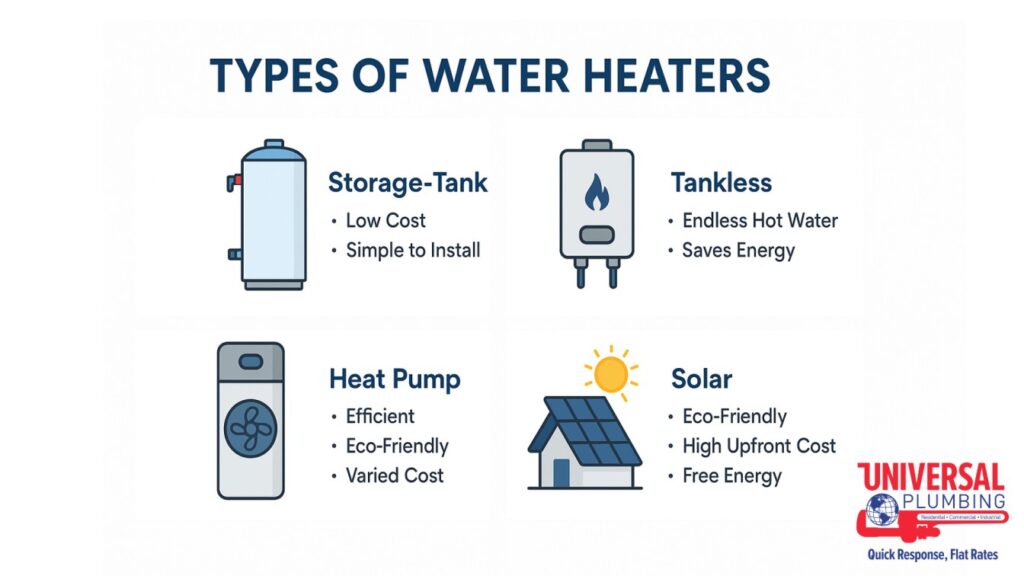
Heat pump water heaters use a heat pump to extract heat from the air and transfer it to the water. This design makes them more energy-efficient and environmentally friendly than traditional tank water heaters. Heat pump water heaters work by using a refrigerant to absorb heat from the air and transfer it to the water, making them ideal for households with mild winters and moderate hot water needs.
Indirect Water Heaters
Indirect water heaters use a heat exchanger to transfer heat from a separate heat source to the water. This design makes them more energy-efficient and environmentally friendly than traditional tank water heaters. Indirect water heaters work by using a heat exchanger to transfer heat from the heat source to the water, making them ideal for households with a separate heat source, such as a boiler or a heat pump.
Choosing the Right Type of Water Heater
Selecting the right type of water heater for your home and water heating needs is crucial for ensuring comfort, energy efficiency, and long-term cost savings. Consider the following factors when choosing a water heater:
- Household size and water needs: If you have a large household or require large amounts of hot water, a tankless or point-of-use water heater may be more suitable.
- Energy efficiency: If you're looking to reduce energy consumption, consider a heat pump or indirect water heater.
- Space requirements: If you have limited space, a tankless or point-of-use water heater may be more suitable.
- Maintenance: If you're looking for low-maintenance options, consider a tankless or heat pump water heater.
- Budget: If you're on a tight budget, a conventional tank water heater may be more affordable.
Conclusion
Choosing the right type of water heater for your home and water heating needs is essential for ensuring comfort, energy efficiency, and long-term cost savings. Consider the various types of water heaters available, including conventional tank water heaters, tankless water heaters, point-of-use water heaters, heat pump water heaters, and indirect water heaters. Each type has its unique features, advantages, and drawbacks, making it essential to research and compare different options before making a decision.