Water Heater Replacement DIY: A Comprehensive Guide
Are you tired of dealing with lukewarm showers and skyrocketing energy bills due to an old, temperamental water heater? Replacing your water heater can seem like a daunting task, but with the right guidance, you can save money and energy by doing it yourself. In this article, we'll walk you through the process of replacing a water heater, providing you with the necessary information and tips to ensure a successful DIY water heater replacement.
Why Replace Your Water Heater?
Water heaters are a crucial part of any home, providing hot water for showers, washing machines, and dishwashers. However, like any appliance, they have a lifespan and can eventually fail. If your water heater is more than 7-10 years old, it's likely time to replace it. Some signs that your water heater needs replacement include:
- Leaks or corrosion on the tank or pipes
- Lukewarm or cold water supply
- Increased energy bills
- Noisy operation
- Age (most water heaters last between 8-12 years)
Types of Water Heaters
There are two main types of water heaters: tank-style and tankless. Tank-style water heaters store hot water in a tank, while tankless water heaters heat water as needed. When choosing a replacement water heater, consider the following factors:
- Space constraints: If you have limited space, a tankless water heater may be a better option.
- Energy efficiency: Tankless water heaters are generally more energy-efficient.
- Budget: Tank-style water heaters are often less expensive upfront, but may require more maintenance.
DIY Water Heater Replacement: A Step-by-Step Guide
Replacing a water heater can be a complex process, but with the right tools and knowledge, it can be done DIY. Here's a step-by-step guide to help you replace your water heater:
Step 1: Shut Off the Power and Water Supply
Before starting the replacement process, turn off the power and water supply to the old water heater. This will ensure your safety and prevent any accidents.
Step 2: Drain the Old Water Heater
Drain the old water heater by attaching a garden hose to the drain valve and directing it to a bucket or drain. This will help prevent water damage and mess.
Step 3: Disconnect the Old Water Heater
Disconnect the old water heater from the pipes and electrical connections. Be sure to label the connections to make reconnection easier.

Step 4: Remove the Old Water Heater
Carefully lift and remove the old water heater from the installation location.
Step 5: Inspect and Clean the Installation Area
Inspect the installation area for any signs of rust, corrosion, or damage. Clean the area thoroughly to ensure a secure installation.
Step 6: Install the New Water Heater
Place the new water heater in the installation location and secure it with the provided brackets or mounting hardware.
Step 7: Reconnect the Water Heater
Reconnect the water heater to the pipes and electrical connections. Be sure to follow the manufacturer's instructions for reconnection.
Step 8: Turn On the Power and Water Supply
Turn on the power and water supply to the new water heater. Test the unit to ensure it's working properly.
Tips and Safety Considerations
Replacing a water heater can be a challenging task, and it's essential to consider safety precautions to avoid accidents. Here are some tips and considerations:
- Turn off the power and water supply before starting the replacement process.
- Use protective gear, such as gloves and safety glasses, when handling electrical and water connections.
- Ensure the new water heater is installed according to the manufacturer's instructions.
- Test the new water heater before using it.
Conclusion
Replacing a water heater can seem daunting, but with the right guidance and precautions, it can be a DIY-friendly project. By following the steps outlined in this article, you can save money and energy by replacing your water heater yourself. Remember to consider safety precautions and follow the manufacturer's instructions for a successful DIY water heater replacement.

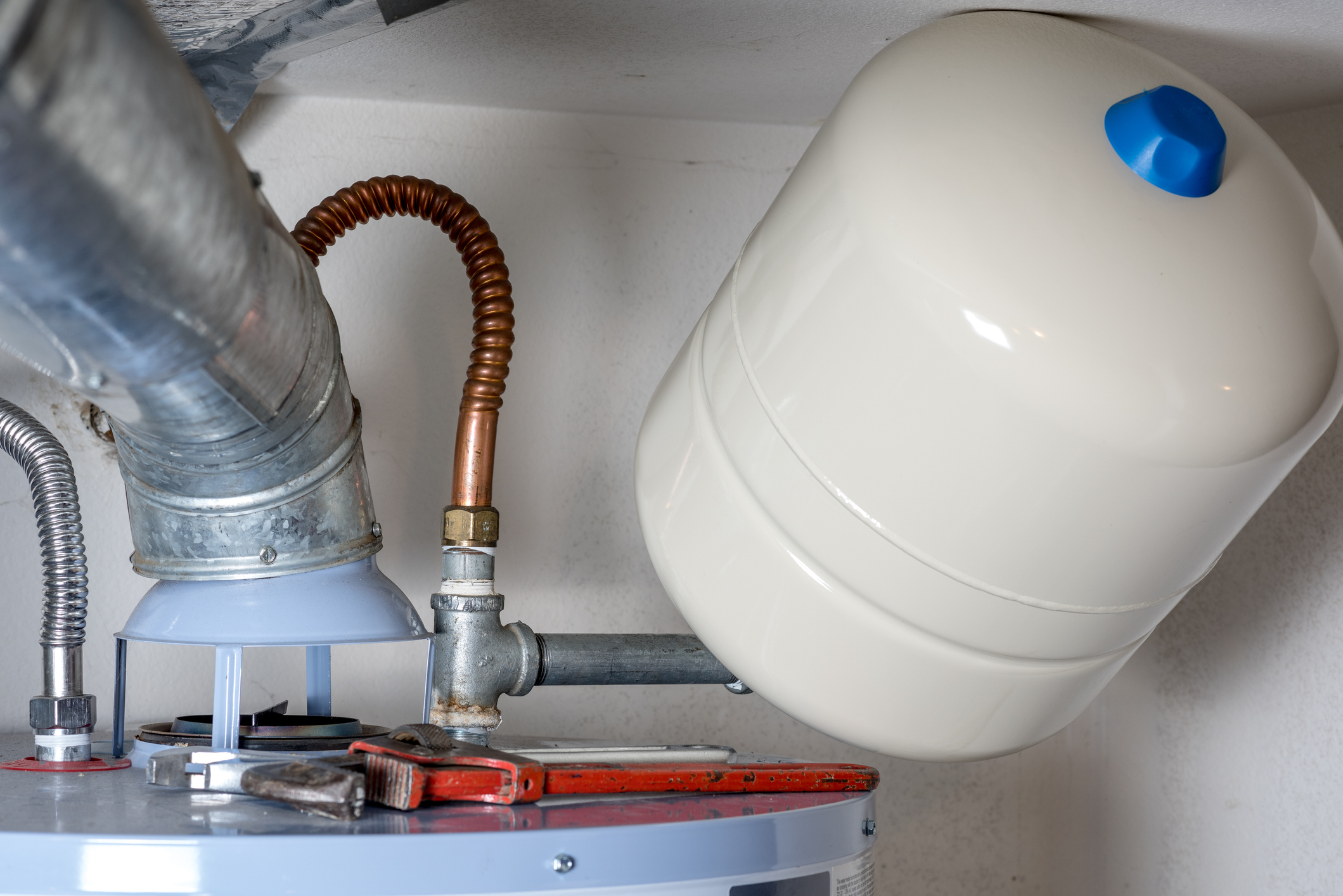
:max_bytes(150000):strip_icc()/replacing-a-water-heater-1824920-hero-20747e5013dd49ef8e7bd63c2bf5c386.jpg "How To Replace a Tank-Type Water Heater - This Old House")



:max_bytes(150000):strip_icc()/replace-leaking-water-heater-drain-valve-2719059-05-285628241c22475c8ae71d2bf46a26c6.jpg "Water Heater Supply Line Replacement Cost | Ninja HVAC")

