Blog Post Optimization with Long Tail Keywords: A Comprehensive Guide
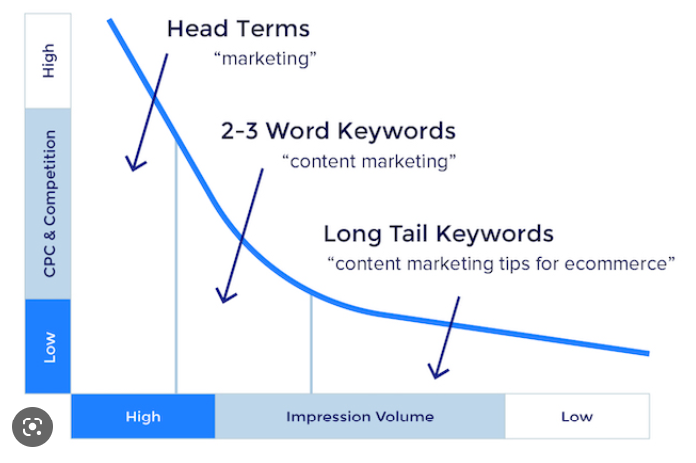
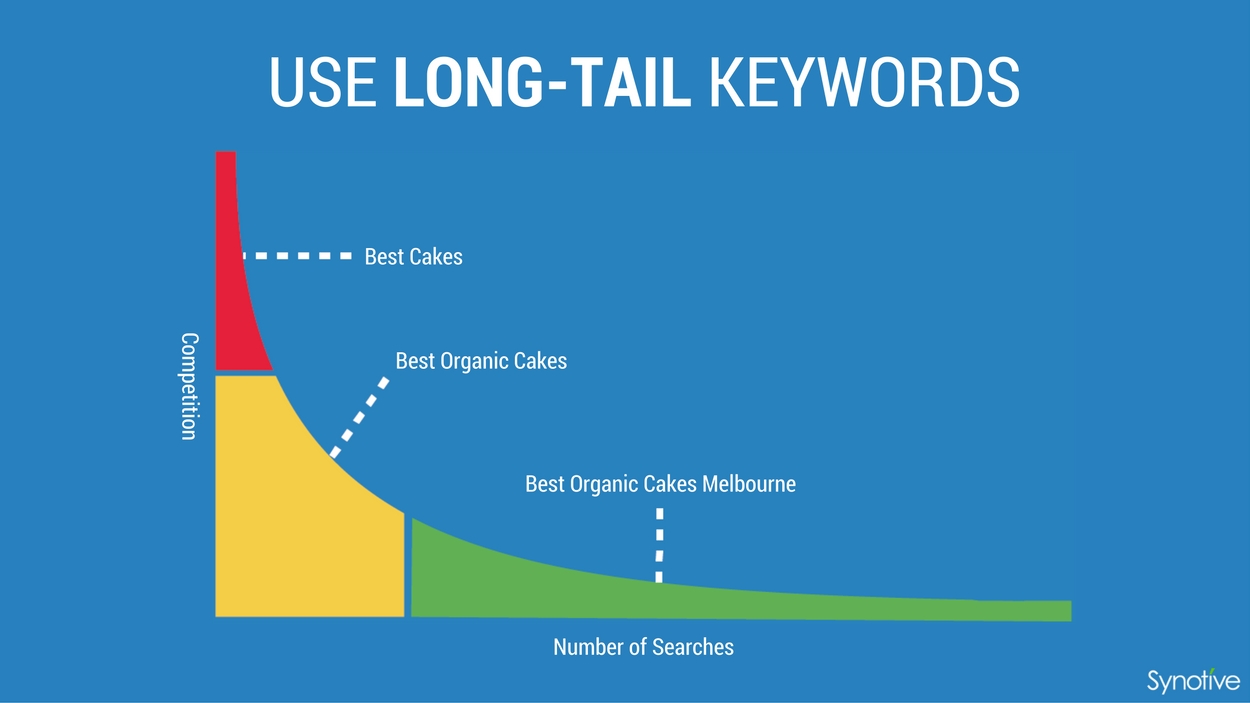
In today's digital landscape, optimizing your blog posts with long tail keywords is a crucial step in driving organic traffic, improving search rankings, and capturing niche audiences. Long tail keywords, while having lower search volumes, tend to have higher conversion rates due to their specificity and alignment with user intent. In this article, we'll delve into the art of effective long tail keyword usage in blog optimization, providing you with expert tips to boost your SEO rankings and drive targeted traffic.
Why Long Tail Keywords Matter
- Long tail keywords are highly specific search engine queries, allowing you to target niche audiences and drive high-quality traffic.
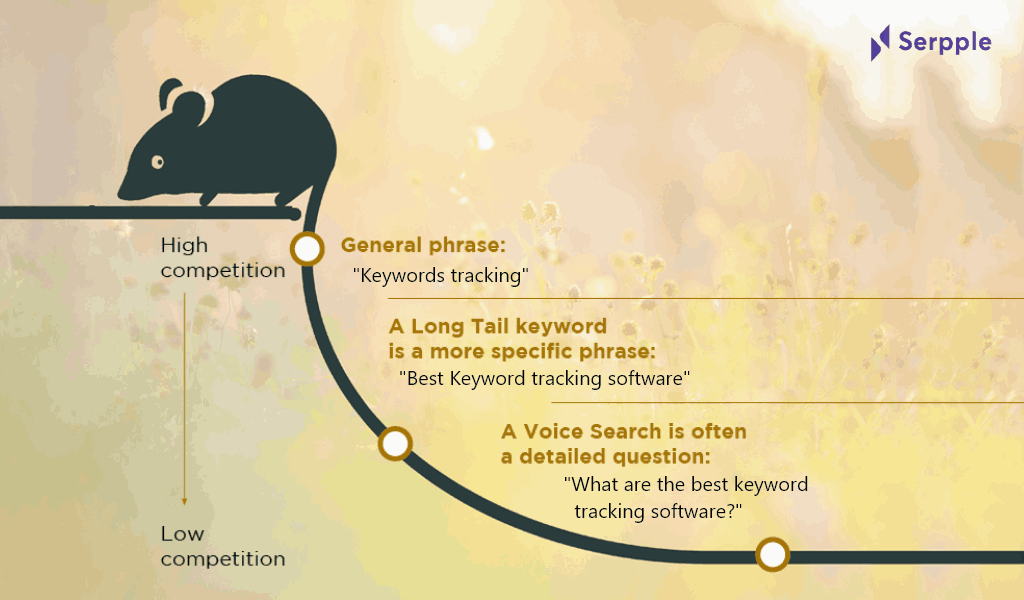
- They have lower competition, making it easier to rank higher in search engine results pages (SERPs).
- Long tail keywords often have higher conversion rates due to their alignment with user intent.
How to Research Long Tail Keywords
Keyword research is the foundation of successful SEO. To find long tail keywords, use tools like Google Autocomplete, Keyword Tool, or Ubersuggest to generate a list of relevant suggestions. Analyze your competitors and identify keyword gaps and opportunities. Proper keyword mapping to content ensures that your blog posts are optimized for the right keywords.
Best Practices for Incorporating Long Tail Keywords in Your Blog Posts
- Create high-quality, in-depth content (over 1,000 words) with practical examples, exclusive information, and actionable tips.
- Use specific phrases that target niche queries and optimize your headlines and meta descriptions.
- Incorporate long tail keywords naturally throughout your content, ensuring it remains engaging and easy to read.
The Importance of Long Tail Keywords in Voice Search Optimization
Voice search optimization companies can help you increase your content's traffic using voice search. Using super casual tones, incorporating long tail keywords, and taking advantage of "near me" popularity are all great ways to optimize your content for voice search.
Tools for Long Tail Keyword Research and Optimization
- Keyword Tool: uses Google Autocomplete to generate long tail keyword suggestions.
- Ubersuggest: a free SEO tool for keyword research, competitor analysis, and site audits.
- WordStream: offers free tools and learning resources for digital advertising and keyword research.
Conclusion
Optimizing your blog posts with long tail keywords is a critical step in driving targeted traffic, improving search rankings, and capturing niche audiences. By following the best practices outlined in this article, you'll be able to unlock the power of long tail keywords and boost your SEO rankings. Remember to create high-quality content, incorporate long tail keywords naturally, and use the right tools for keyword research and optimization.
Key Takeaways
- Long tail keywords are crucial for driving organic traffic, improving search rankings, and capturing niche audiences.
- Use specific phrases that target niche queries and optimize your headlines and meta descriptions.
- Incorporate long tail keywords naturally throughout your content, ensuring it remains engaging and easy to read.