Causes of High Blood Sugar Levels: Understanding the Risks and Taking Control
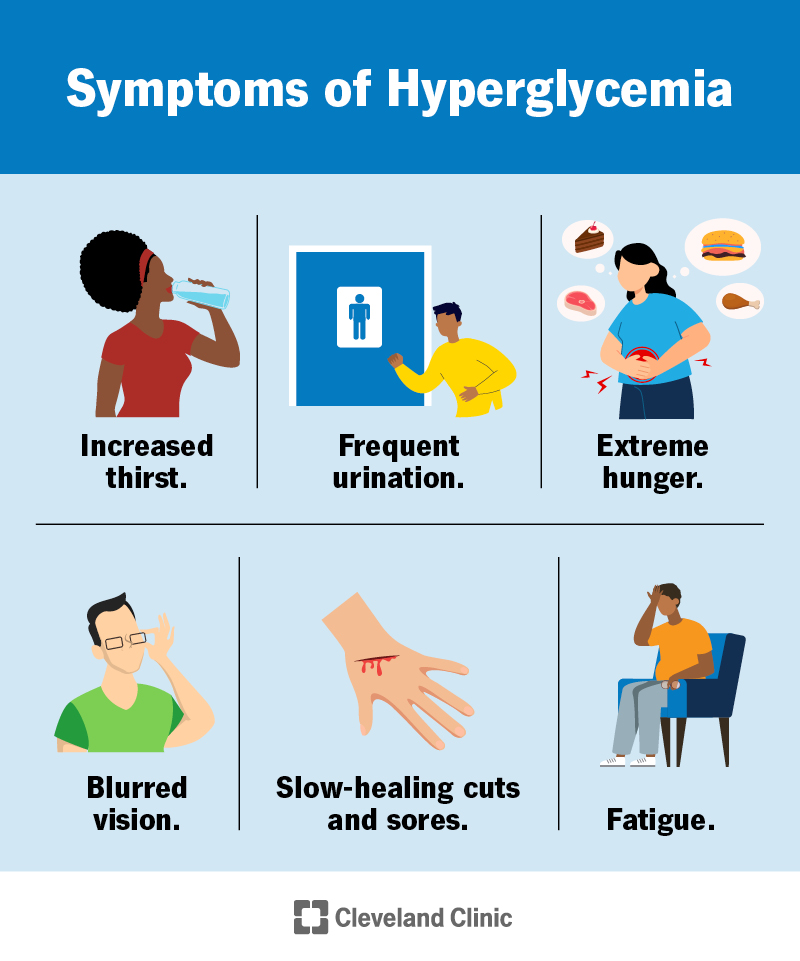
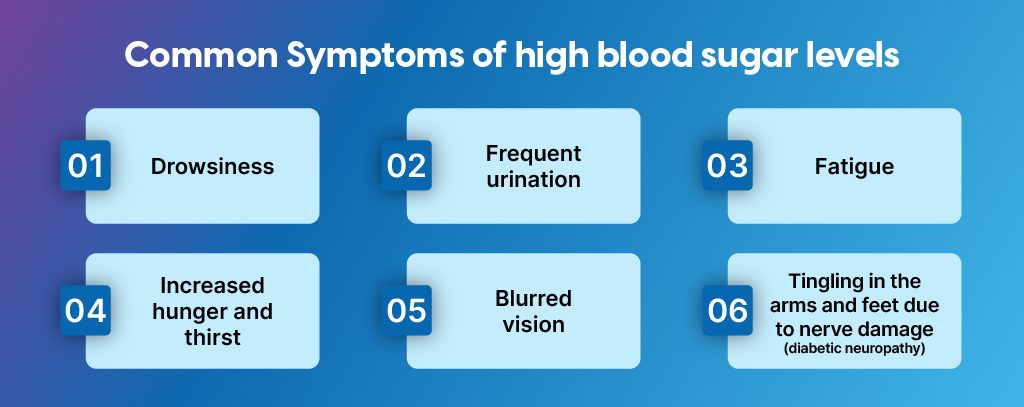
High blood sugar levels, also known as hyperglycemia, can have serious consequences for your health. If left unmanaged, it can lead to a range of complications, from nerve damage and vision loss to heart disease and even organ failure. In this article, we'll delve into the causes of high blood sugar levels, explore the risks associated with them, and provide practical tips on how to take control of your blood sugar levels.
The Common Causes of High Blood Sugar Levels
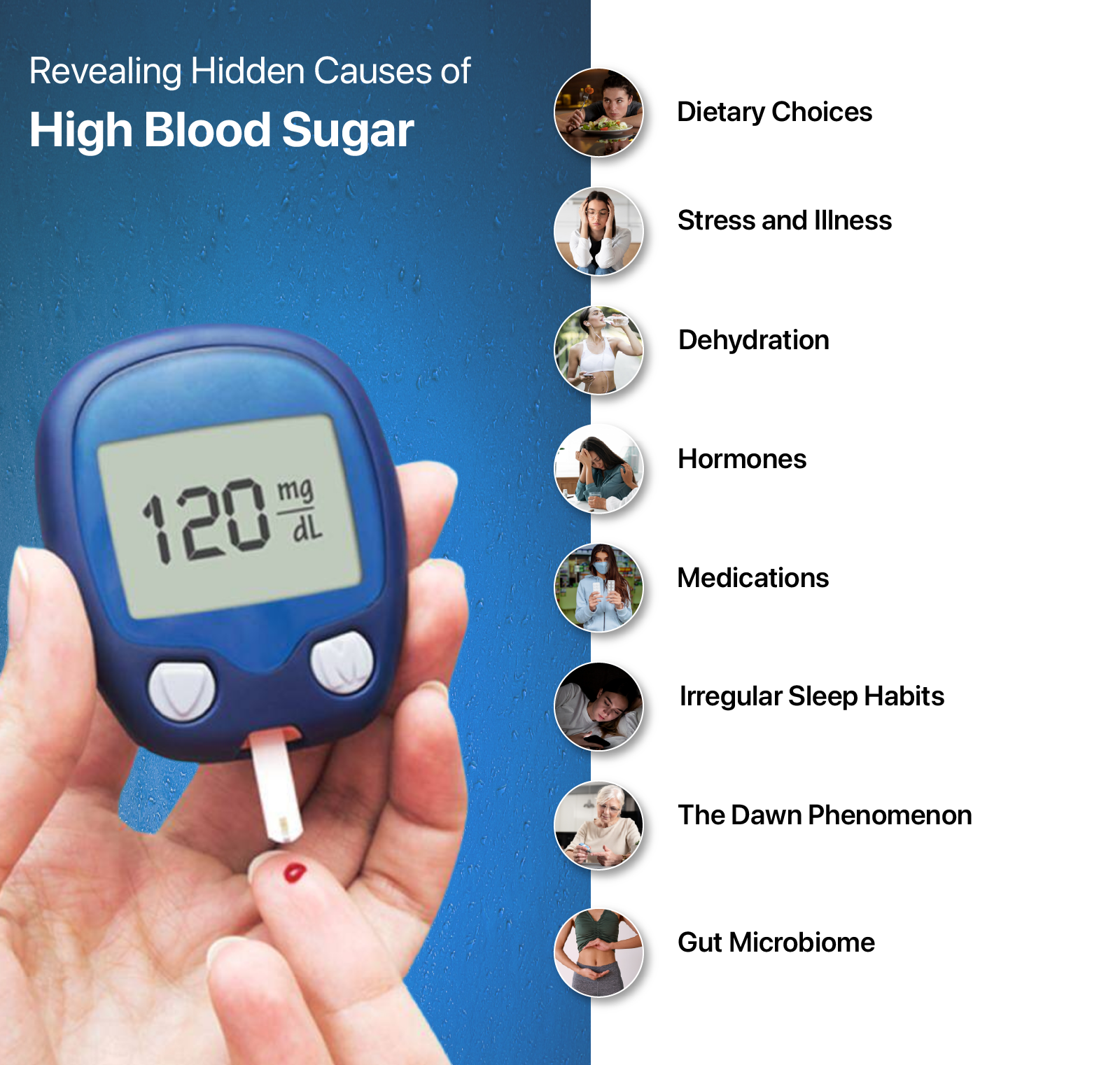
High blood sugar levels can be triggered by a variety of factors, including:
- Diabetes:** Diabetes is one of the most common causes of high blood sugar levels. Both type 1 and type 2 diabetes can cause blood sugar levels to rise, but type 2 diabetes is the more common of the two.
- Insulin Resistance:** When your body becomes resistant to insulin, it can cause a spike in blood sugar levels.
- Physical Inactivity:** A sedentary lifestyle can contribute to insulin resistance and high blood sugar levels.
- Stress:** Unrelenting stress can cause your body to release cortisol, a hormone that can raise blood sugar levels.
- Medications:** Certain medications, such as steroids, can increase blood sugar levels.
- Major Illnesses:** Being hospitalized or undergoing surgery can cause a spike in blood sugar levels due to the body's stress response.
Other Factors that Can Contribute to High Blood Sugar Levels
In addition to the common causes listed above, there are other factors that can contribute to high blood sugar levels. These include:
:max_bytes(150000):strip_icc()/what-causes-high-triglycerides-in-diabetes-1087722_color2-5c05a6a346e0fb000107c942.png)
- Artificial Sweeteners:** Research suggests that artificial sweeteners can raise blood sugar levels in some individuals.
- Caffeine:** Caffeine can cause a small spike in blood sugar levels, particularly for people with diabetes.
- Sleep Deprivation:** Losing sleep or not getting enough rest can lead to insulin resistance and high blood sugar levels.
- Genetics:** Your genetic makeup can influence your risk of developing insulin resistance and high blood sugar levels.
Managing High Blood Sugar Levels: Practical Tips for Taking Control
Taking control of your blood sugar levels requires a combination of lifestyle changes and smart food choices. Here are some practical tips to get you started:
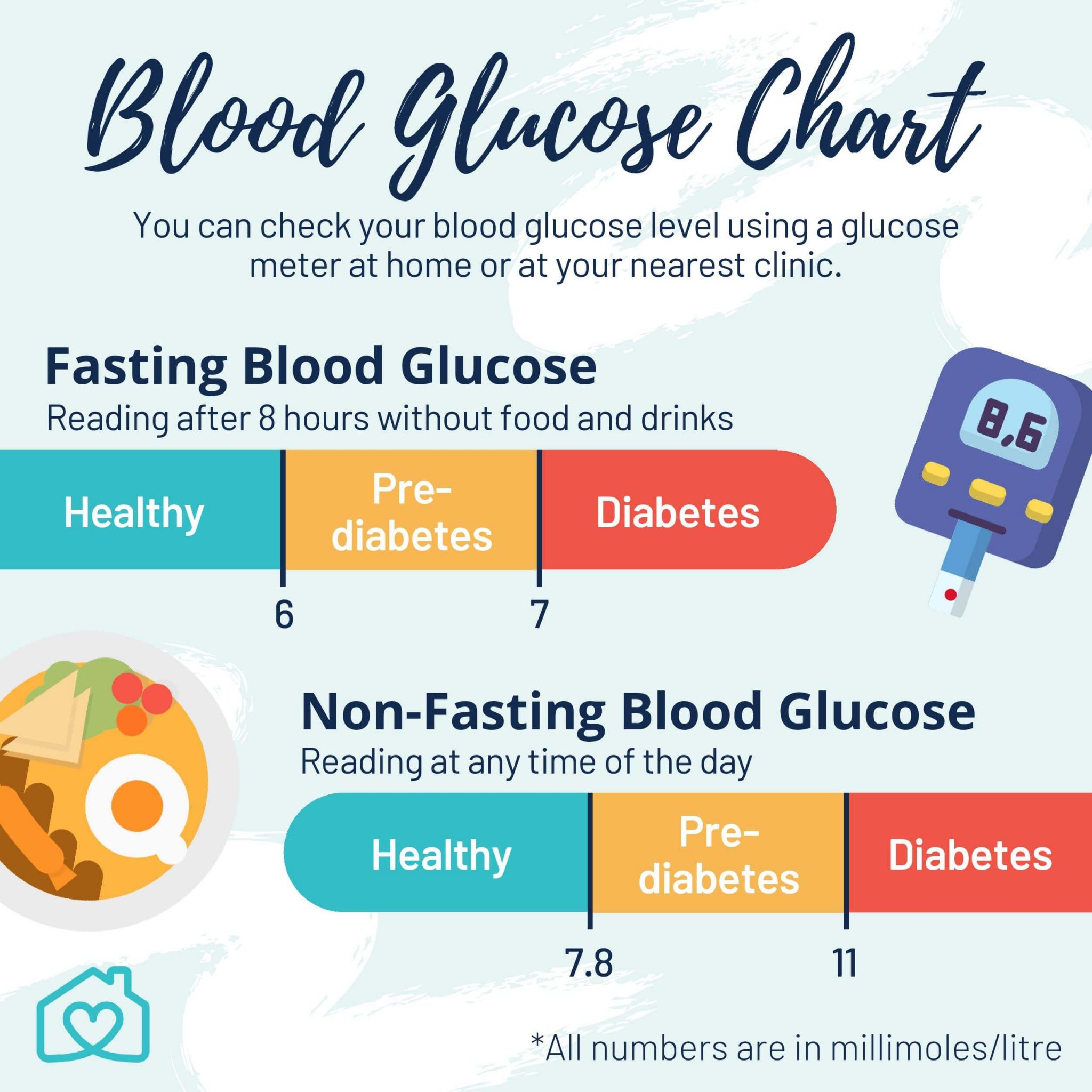
- Monitor Your Blood Sugar Levels:** Regularly check your blood sugar levels to identify patterns and trends.
- Exercise Regularly:** Physical activity can help lower blood sugar levels and improve insulin sensitivity.
- Choose the Right Foods:** Focus on whole, unprocessed foods like fruits, vegetables, whole grains, lean proteins, and healthy fats.
- Get Enough Sleep:** Aim for 7-8 hours of sleep each night to help regulate blood sugar levels.
- Manage Stress:** Try stress-reducing techniques like meditation, yoga, or deep breathing exercises.
Conclusion
High blood sugar levels can have serious consequences for your health if left unmanaged. By understanding the common causes of high blood sugar levels, you can take control of your health and reduce your risk of complications. Remember, managing high blood sugar levels requires a combination of lifestyle changes and smart food choices. By working with your healthcare provider and making healthy lifestyle choices, you can lower your blood sugar levels and stay healthy for years to come.