Do I Need a Router for My Home Network?
A router is a crucial device in a home network setup. While some devices like modems are known, the importance of a router often goes unnoticed. In this article, we'll explore the role of a router in a home network, its benefits, and the alternatives available. Whether you need a router with built-in Wi-Fi, you'll understand the importance of choosing the right device for your home network.Understanding the Basics of Home Networking
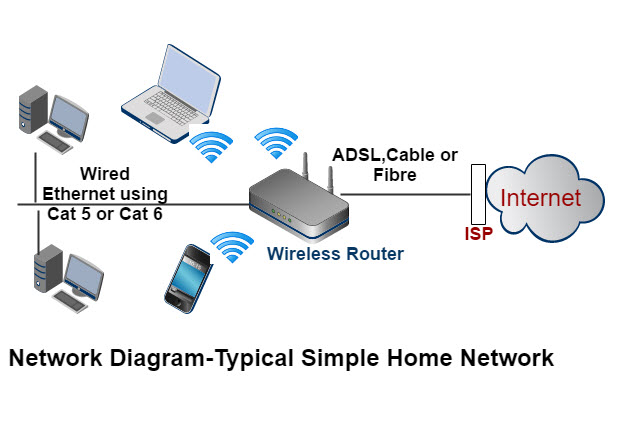
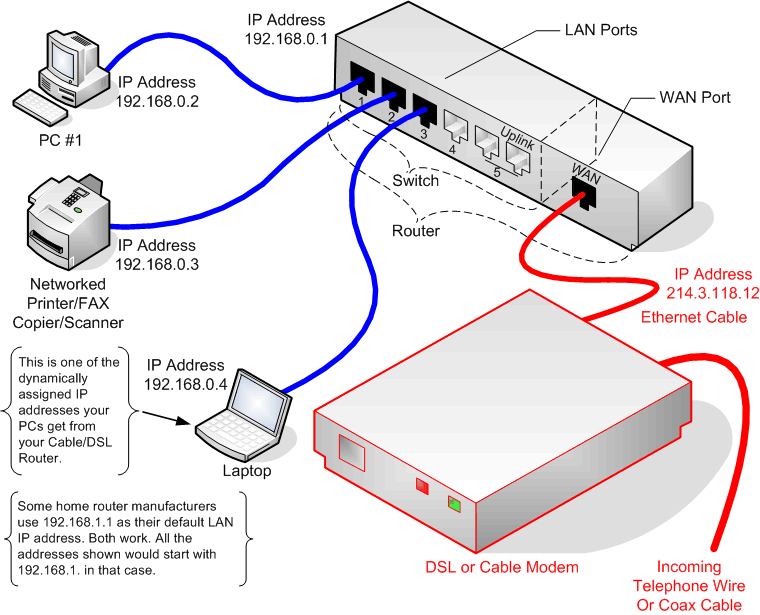
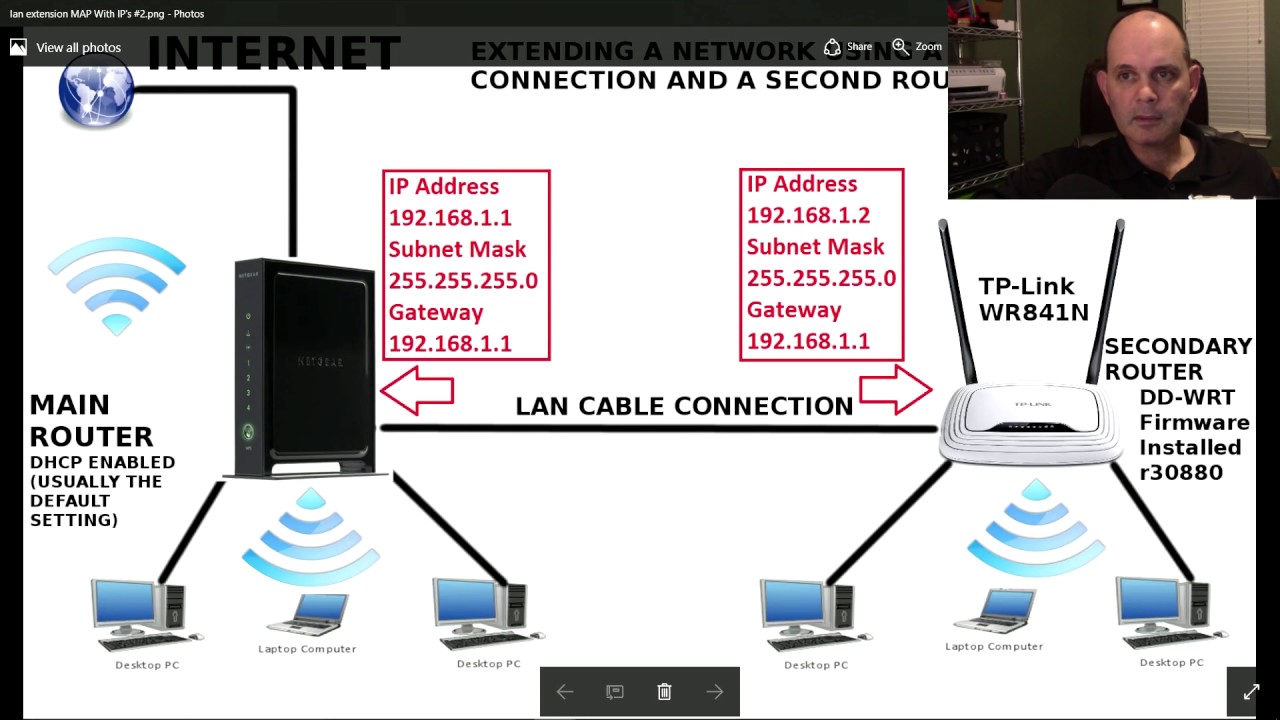
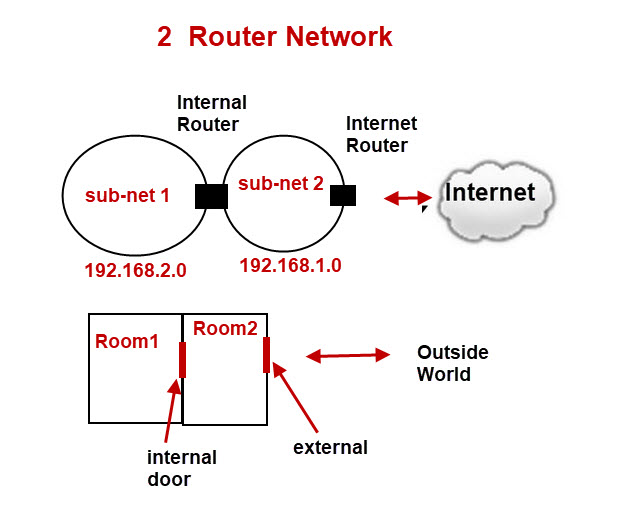
A home network is a local area network (LAN) that connects devices within a home or business. It allows devices to share internet connectivity, files, and printers. Modems are devices that connect to the internet service provider (ISP) and provide a single internet connection. A router, on the other hand, creates a local network by distributing the modem's connection to multiple devices.Why Do I Need a Router for My Home Network?
A router is essential for creating a home network. Without a router, you would have to connect each device to the modem individually, which is impractical and inefficient. A router allows multiple devices to connect to the internet, creating a seamless and convenient experience.Here are the benefits of having a router in your home network:
- Provides a seamless internet experience for multiple devices.
- Creates a secure local network, protecting your devices and data from unauthorized access.
- Offers Quality of Service (QoS) settings, allowing you to prioritize devices and activities on your network.
- Supports a wide range of devices, including smartphones, laptops, tablets, and smart home devices.
Alternatives to Traditional Routers
While traditional routers are still popular, there are alternative options available, including:Mesh Wi-Fi Systems
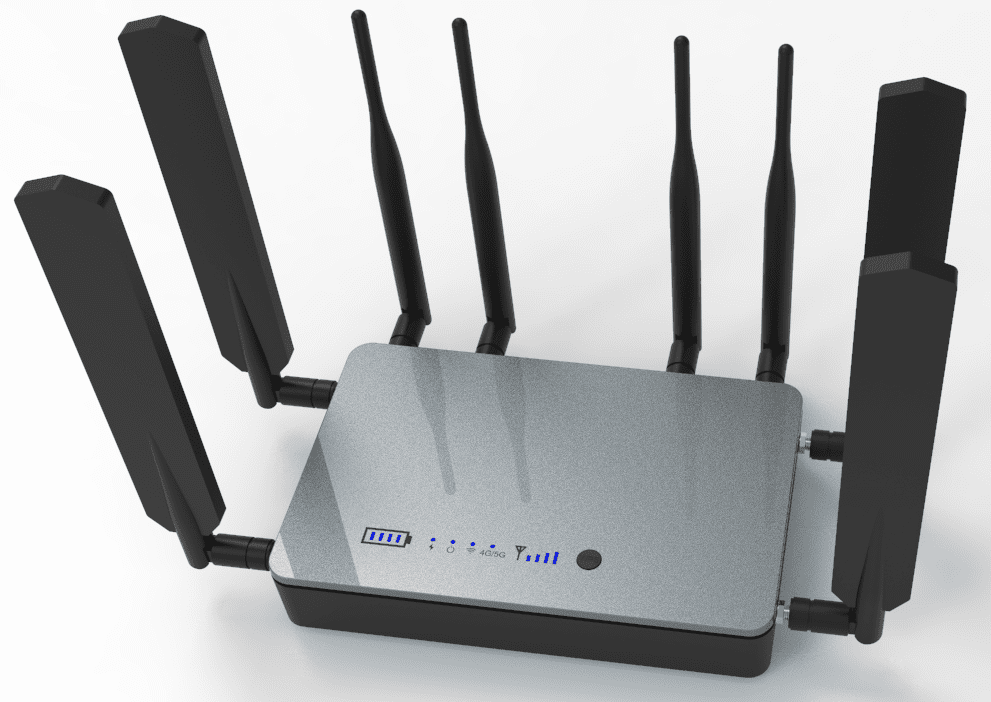
Mesh Wi-Fi systems are a type of router that uses multiple nodes to create a network. These systems are ideal for large homes or homes with many devices. They provide a strong and stable connection, even in areas with many obstacles.Mesh Wi-Fi systems offer several benefits, including:
- Strong and stable connections throughout the home.
- Easy setup and configuration.
- Automatic network optimization.
- Seamless handovers between nodes.
Traditional Standalone Routers
Traditional standalone routers are still a popular choice for home networks. They offer a range of features and benefits, including:Benefits of Traditional Standalone Routers

- Cost-effective.
- Easy to set up and configure.
- Wide range of features and capabilities.
- Support for a wide range of devices.
Do I Really Need a Wi-Fi Router?
While a Wi-Fi router is an essential device in a home network, some devices, like modems, may not need a router to function. Modems only provide a single internet connection, whereas routers create a local area network.However, even if you don't need a separate router, a Wi-Fi router can still provide several benefits, including:
- Improved coverage and range.
- Increased speeds and performance.
- Enhanced security and protection.
Conclusion
In conclusion, whether you need a router with built-in Wi-Fi depends on your specific needs and network requirements. While a router with built-in Wi-Fi can offer convenience and cost-effectiveness, it may not provide the best performance or upgradability.Ultimately, the choice between a traditional router, a mesh Wi-Fi system, or a standalone router depends on your home network needs, the size of your home, and your budget.
Still Confused?
If you're still unsure about whether you need a router for your home network, consider the following questions:- Do you need to connect multiple devices to the internet?
- Do you want to create a secure local network?
- Do you need to prioritize devices and activities on your network?
- Do you want to improve coverage and range in your home?
Answering these questions will help you determine whether you need a router for your home network.