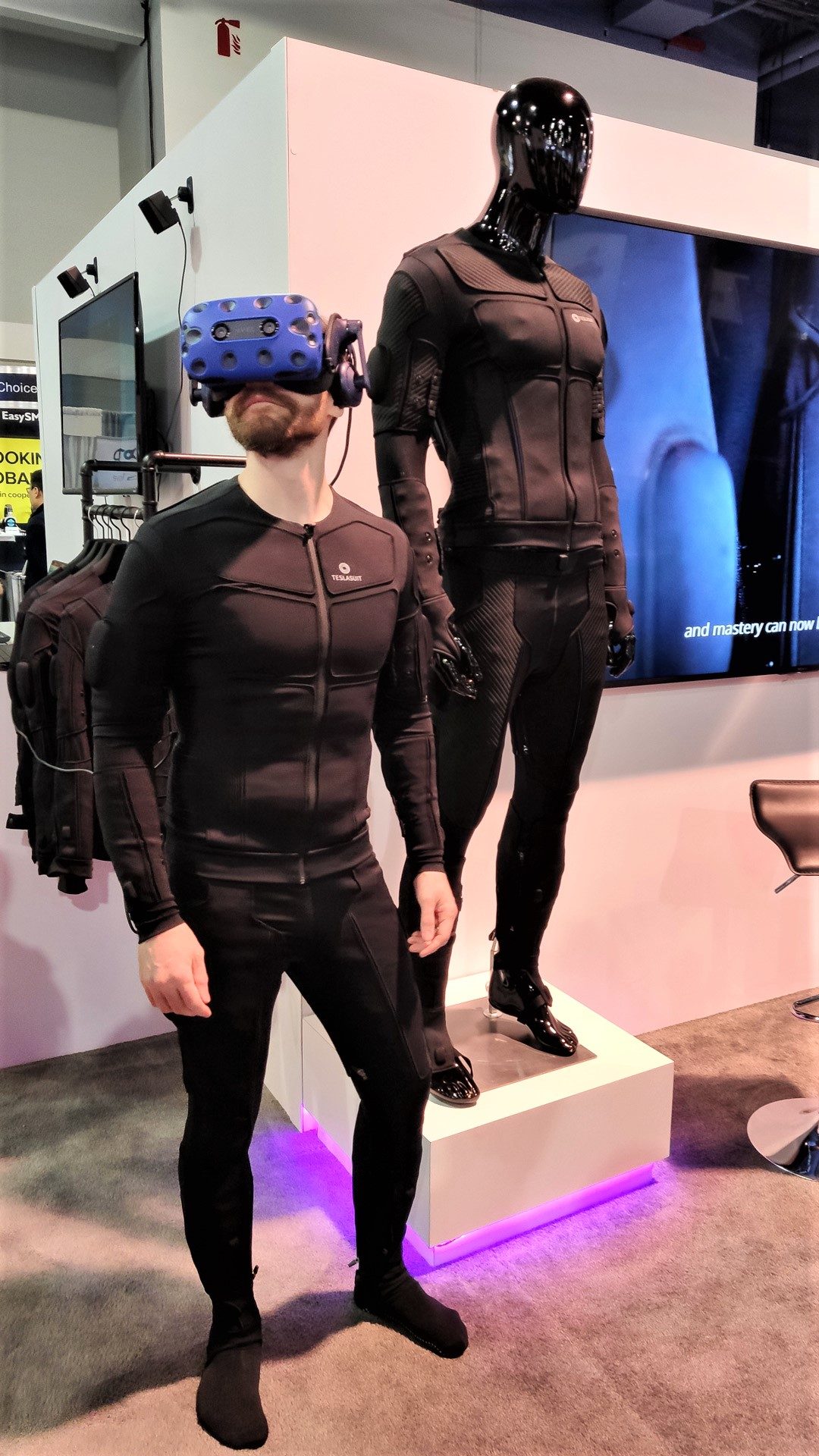
Revolutionizing Exercise with the Exercise Suit with Haptic Feedback: Enhancing Immersion and Efficiency
In the realm of fitness and sports training, innovation is key to staying ahead of the game. One such innovation that has been gaining traction in recent years is the exercise suit with haptic feedback. This cutting-edge technology combines the benefits of traditional exercise suits with the immersive experience of haptic feedback, allowing users to engage in more efficient and effective workouts.
What is Haptic Feedback?
Haptic feedback is a technology that provides tactile sensations to users, making them feel like they are part of the experience. This can range from subtle vibrations to intense pressure, depending on the application. In the context of exercise suits, haptic feedback can be used to simulate the feeling of resistance, weight, or other sensations that would normally be felt during exercise.
Benefits of Exercise Suits with Haptic Feedback
- Enhanced Immersion**: Exercise suits with haptic feedback provide a more immersive experience, making users feel like they are actually in the environment they are simulating. This can be particularly useful for virtual reality (VR) exercises, where users can feel like they are running through a virtual landscape or climbing a virtual mountain.
- Increased Efficiency**: Haptic feedback can help users engage in more efficient workouts by providing real-time feedback on their movements. This can be particularly useful for strength training, where users can feel the resistance and adjust their form accordingly.
- Improved Safety**: Exercise suits with haptic feedback can also improve safety by providing users with a more realistic sense of their environment. For example, if a user is simulating a mountain climb, they can feel the sensation of wind and gravity, making them more aware of their surroundings.
- Personalization**: Many exercise suits with haptic feedback come with built-in sensors and algorithms that can monitor user performance and provide personalized feedback. This can help users tailor their workouts to their specific needs and goals.
Examples of Exercise Suits with Haptic Feedback
There are several examples of exercise suits with haptic feedback on the market today. Some of the most notable include:

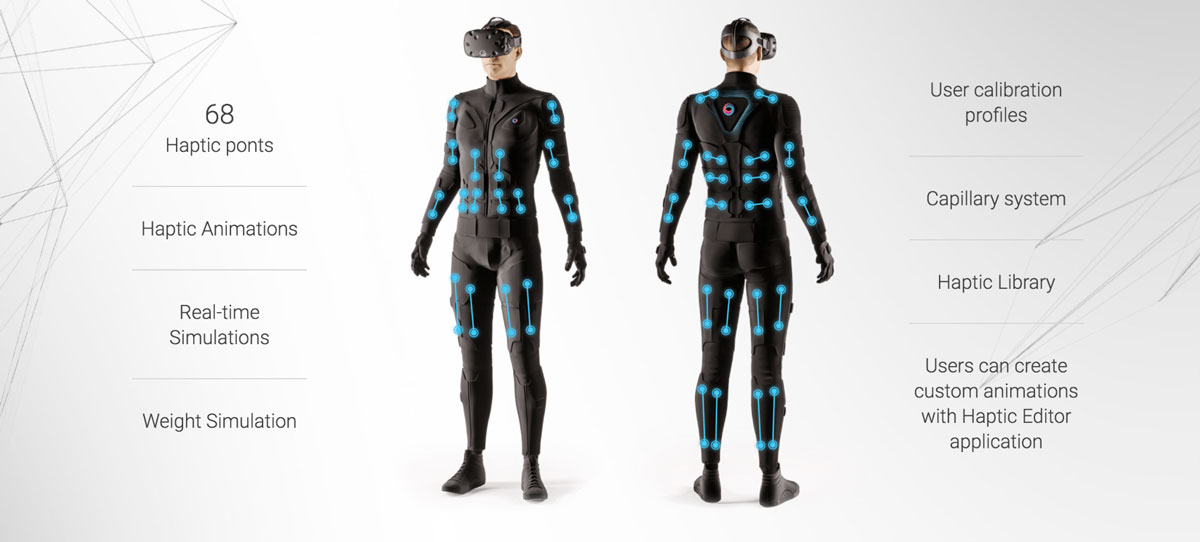
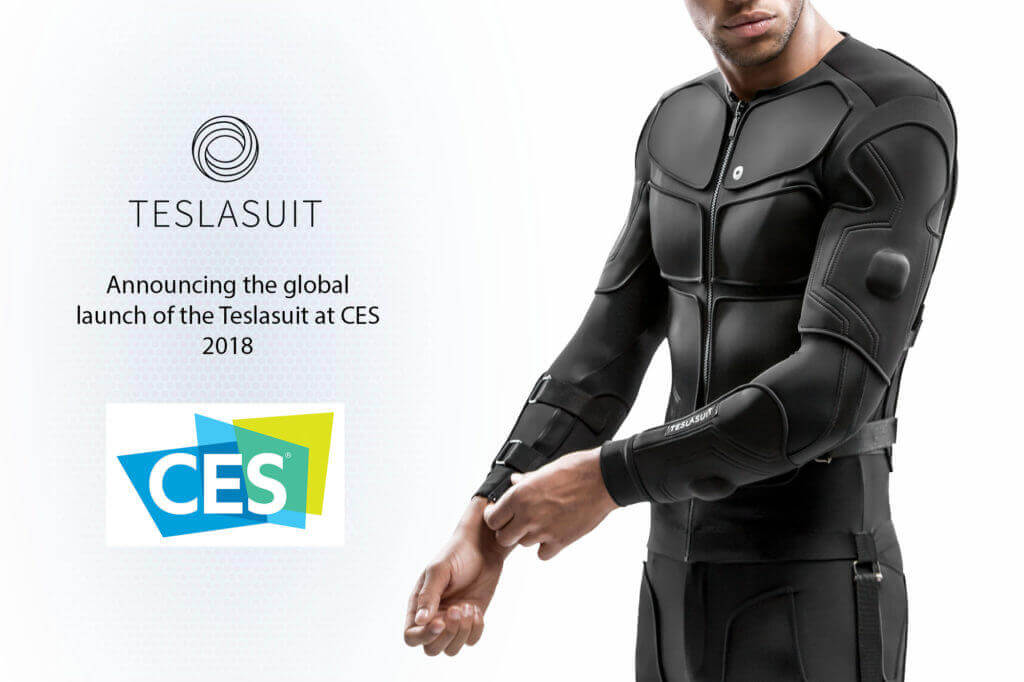
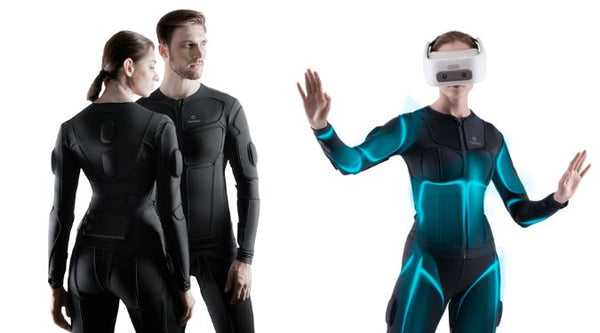
- Teslasuit**: The Teslasuit is a full-body haptic feedback system that uses electro muscle stimulation (EMS) and transcutaneous electrical nerve stimulation (TENS) to simulate a range of real-life feelings and sensations. The system can be integrated with VR and other immersive technologies to provide a more immersive experience.
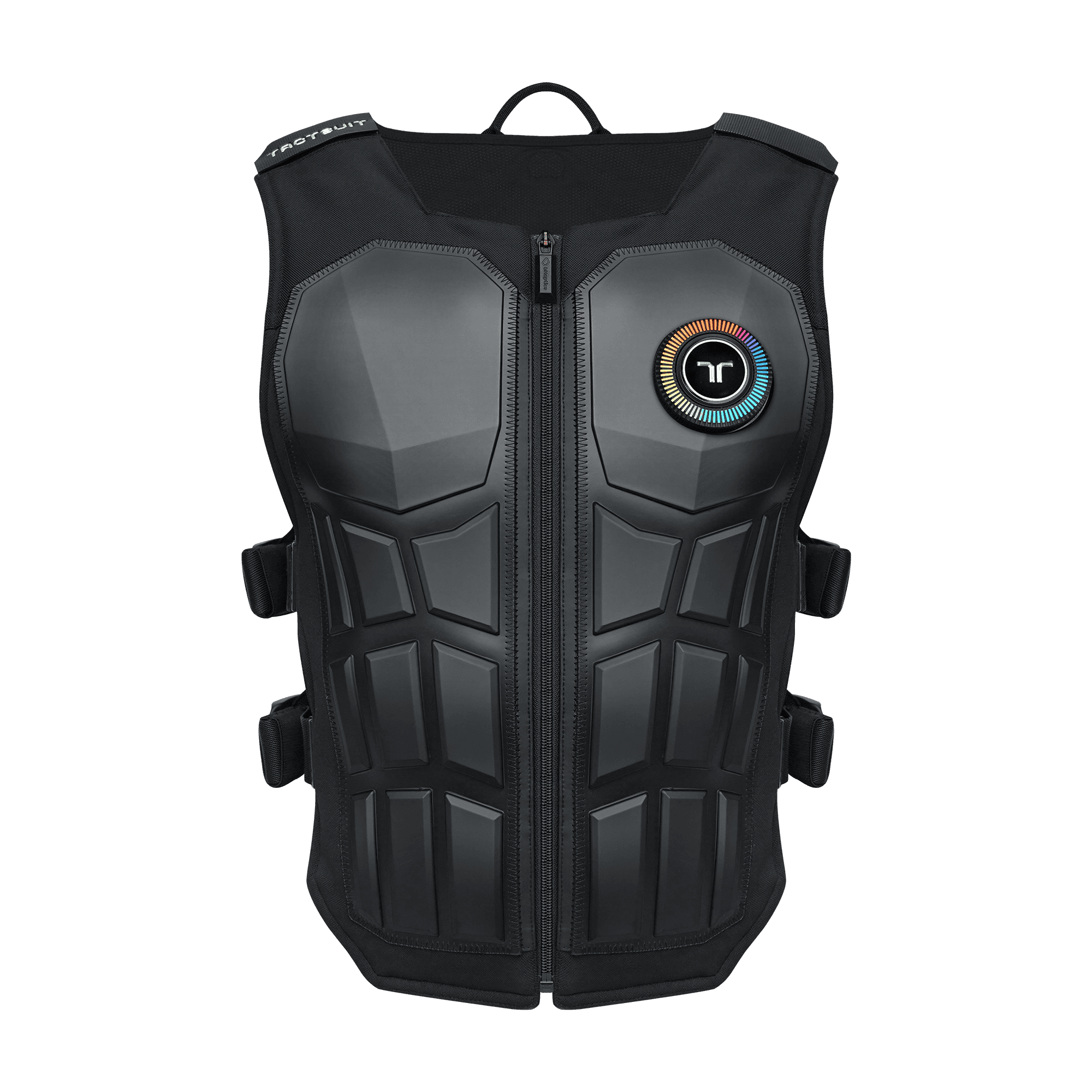
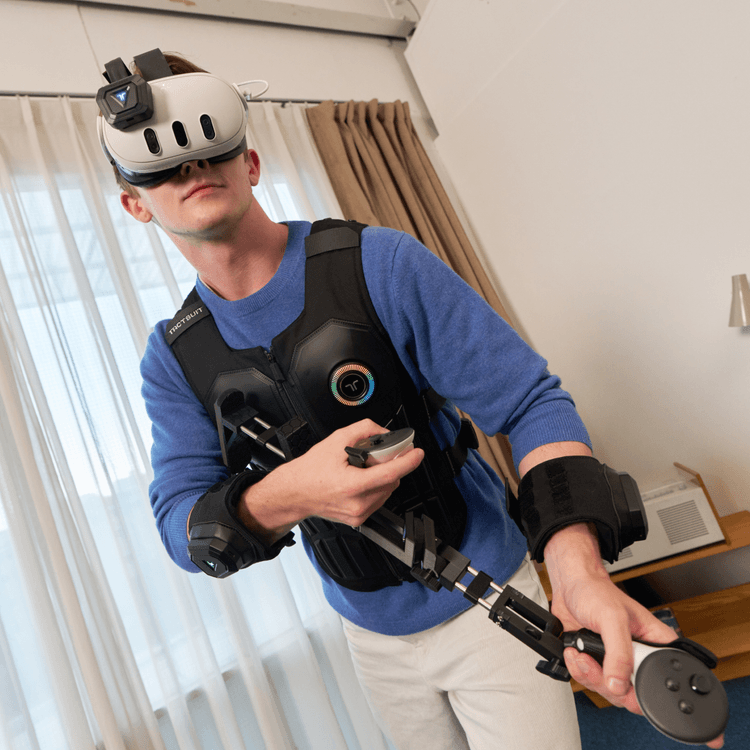
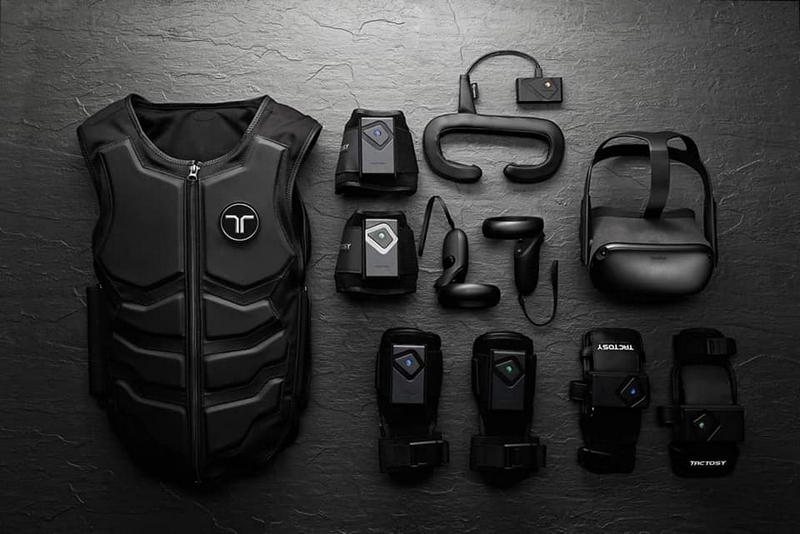
- Haptics TactSuit**: The Haptics TactSuit is a full-body haptic vest that provides 32 motors and over 250 compatible VR games. The suit can be used for a variety of exercises, including strength training, cardio, and yoga.
- ElecSuit**: The ElecSuit is a 5-in-1 electrohaptic suit that can be used for electrical muscle stimulation (EMS) workouts, VR gaming, and other applications. The suit comes with a training app, controller, and three VR games, making it a versatile option for users.
Conclusion
The exercise suit with haptic feedback is a game-changing technology that can enhance the efficiency and effectiveness of workouts. By providing users with a more immersive and realistic experience, these suits can help users engage in more efficient and effective workouts, while also improving safety and personalization. As the technology continues to evolve, we can expect to see even more innovative applications of exercise suits with haptic feedback in the future.
Further Reading
For those interested in learning more about exercise suits with haptic feedback, there are several resources available online. Some of the top VR haptic suits, gloves, and their real-world applications can be found in a comprehensive article that dives into the benefits and limitations of haptic technology in VR.
Future of Haptic Technology
Haptic technology is a rapidly evolving field that has the potential to revolutionize a wide range of industries, from fitness and sports to healthcare and education. As the technology continues to advance, we can expect to see even more innovative applications of haptic feedback in the future, from virtual reality experiences to smart prosthetics and beyond.