Understanding Export License and Control: A Comprehensive Guide
The world of international trade is complex and heavily regulated, with numerous laws and regulations governing the export of goods and technologies. One of the most critical aspects of export compliance is the export license and control system, which plays a vital role in ensuring that sensitive technologies and goods are not transferred to unauthorized parties. In this article, we will delve into the world of export license and control, exploring the key concepts, regulations, and best practices that companies need to navigate.
The Importance of Export License and Control
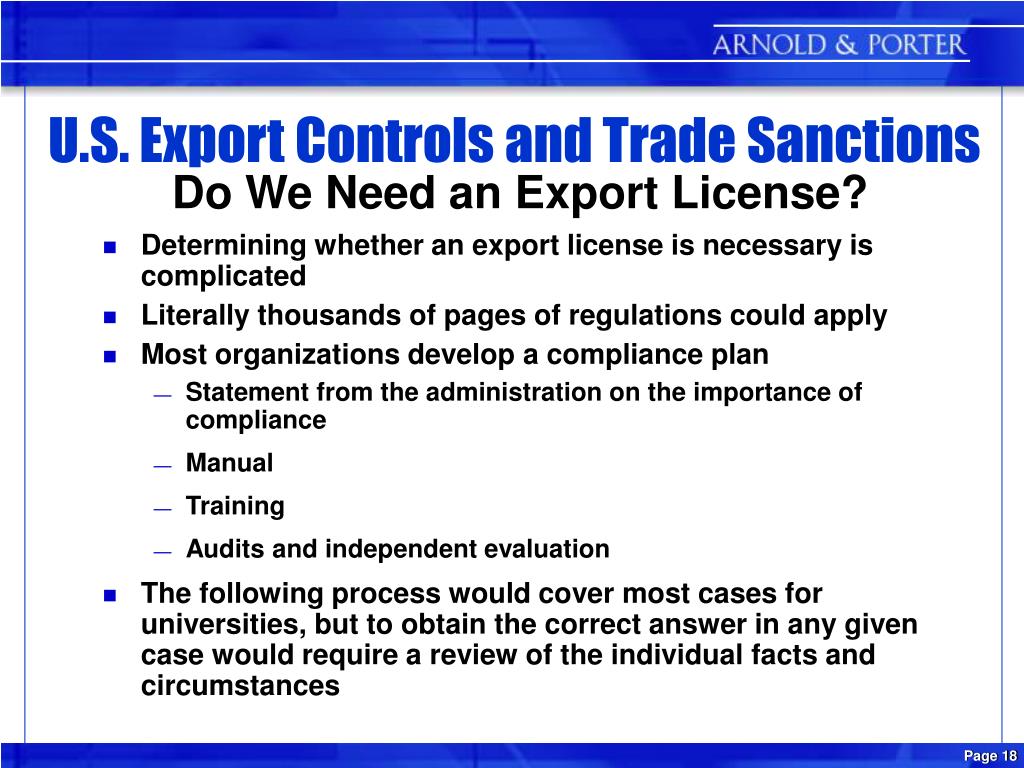
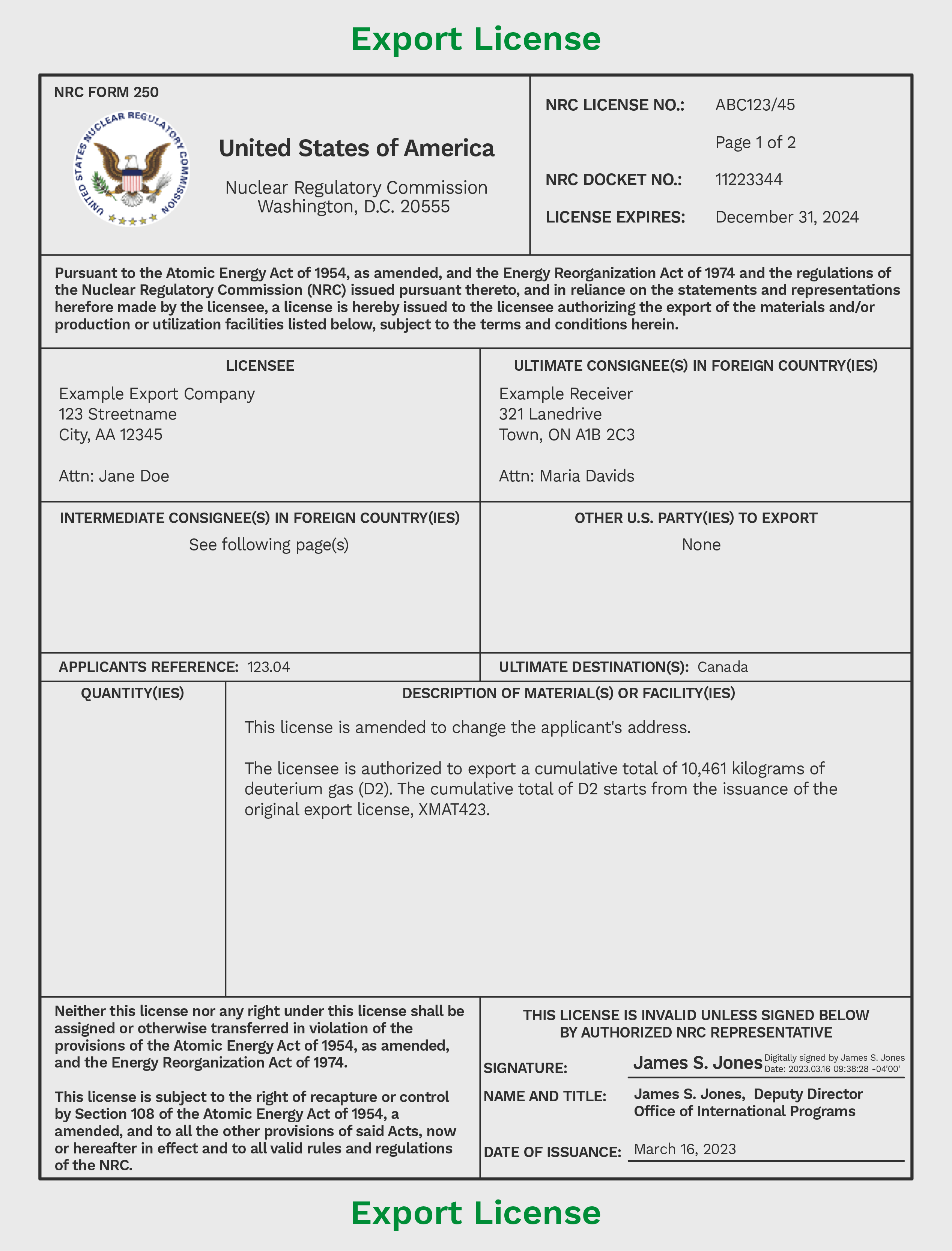
An export license is a government-issued document that authorizes the export of specific goods or technologies to a foreign country. The primary purpose of an export license is to ensure compliance with federal regulations and safeguard national security. By requiring companies to obtain an export license, the government can control the flow of sensitive technologies and goods, preventing them from falling into the wrong hands.
Key Agencies Involved in Export License and Control
- The Bureau of Industry and Security (BIS) is the primary agency responsible for administering the export control regime in the United States.
- The Department of State's Directorate of Defense Trade Controls (DDTC) regulates the export of defense articles and services.
- The Office of Foreign Assets Control (OFAC) administers economic and trade sanctions against specific countries, entities, and individuals.
Determining Jurisdiction: ITAR or EAR?
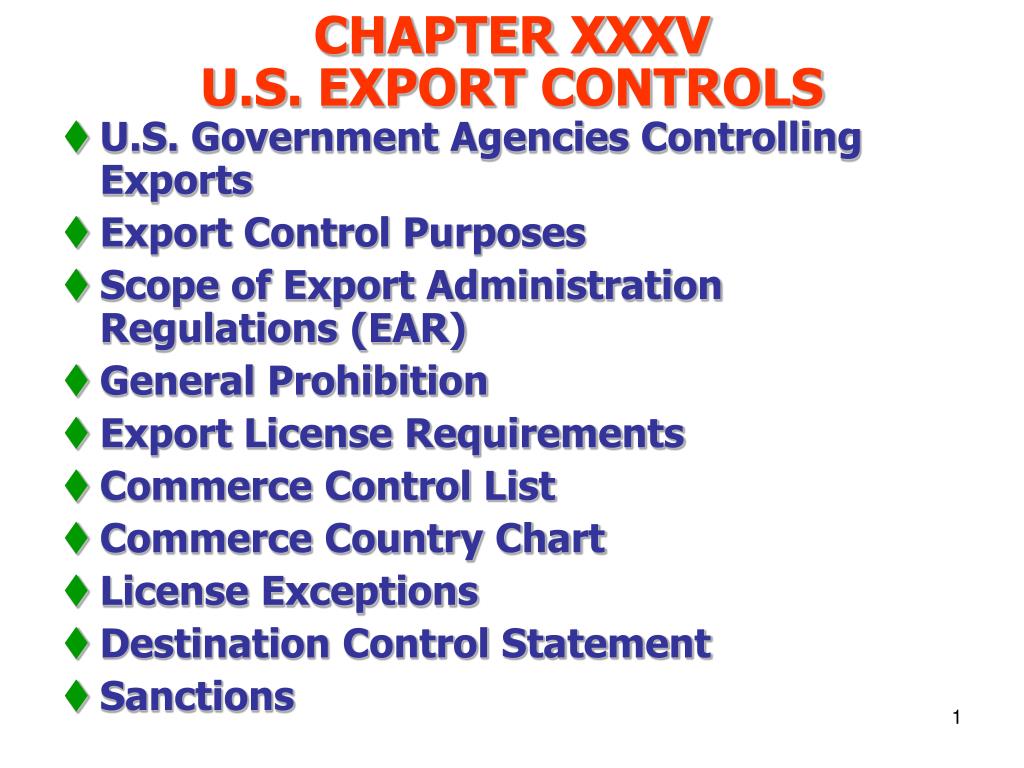
Companies need to determine which regulations apply to their export activities, either the International Traffic in Arms Regulations (ITAR) or the Export Administration Regulations (EAR). The ITAR regulates the export of defense articles and services, while the EAR governs the export of dual-use items, which have both commercial and military applications.
The ITAR Compliance Path
Companies subject to ITAR regulations must comply with the following requirements:
- Register with the DDTC.
- Obtain a license for each export transaction.
- Maintain records of export transactions.
The EAR Analysis: A Four-Factor Test
The EAR analysis involves a four-factor test to determine whether an item is subject to export control:
- Is the item on the Commerce Control List (CCL)?
- Is the item subject to a license requirement?
- Are there any restrictions on the destination country?
- Are there any restrictions on the end-user?
License Exceptions: A Potential Alternative
License exceptions are authorizations that allow companies to export items subject to the EAR without a license. Companies must meet specific conditions to qualify for a license exception.
Applying for an Export License
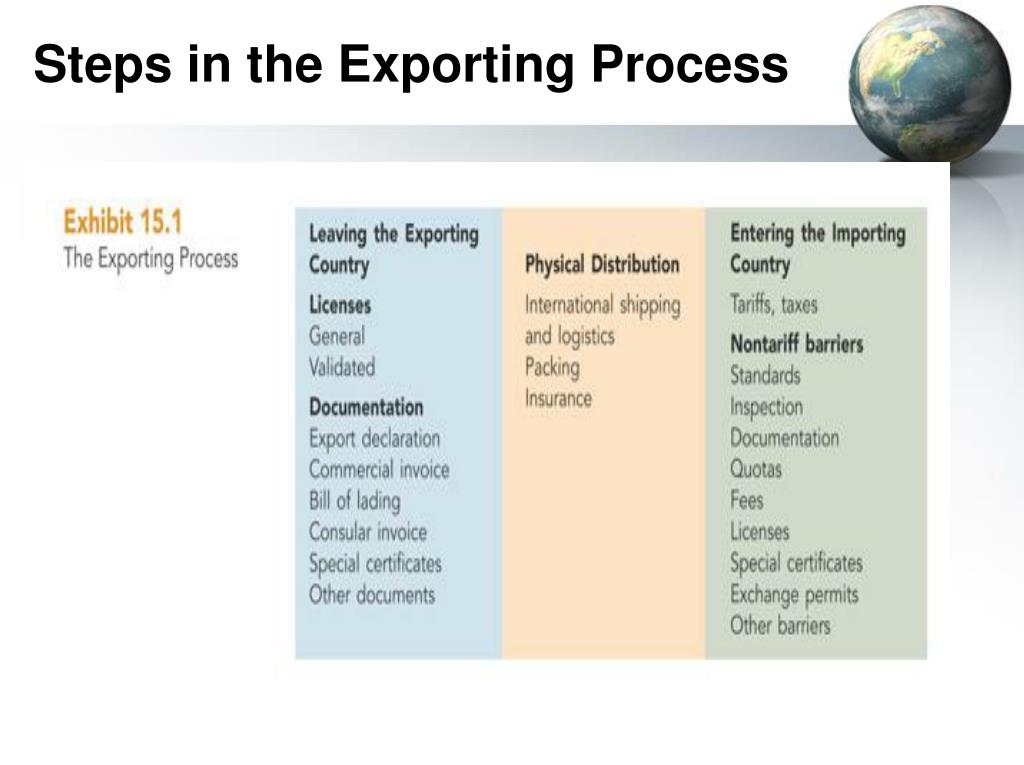
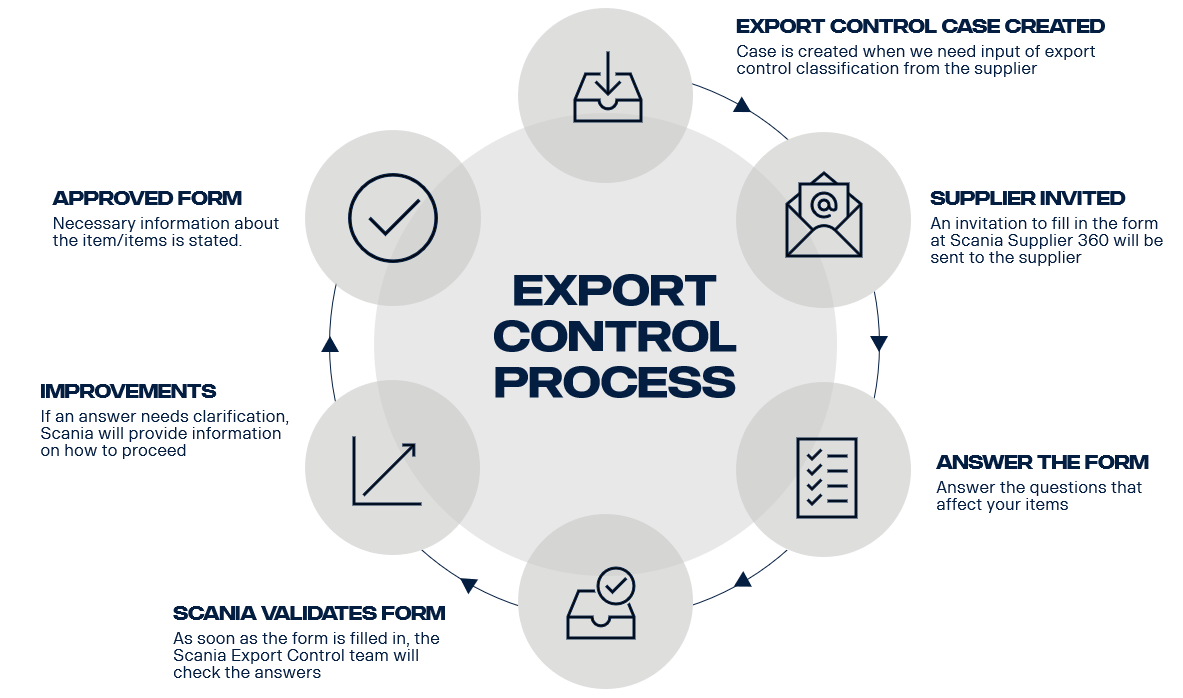
Companies must submit a license application to the relevant agency, providing detailed information about the export transaction. The application must include:
- A description of the item being exported.
- The destination country and end-user.
- The purpose and value of the transaction.
Best Practices for Export License and Control
To ensure compliance with export license and control regulations, companies should:
- Maintain accurate records of export transactions.
- Conduct thorough due diligence on customers and end-users.
- Classify items correctly using the ECCN system.
- Obtain necessary licenses and permits before exporting.
Conclusion
Export license and control is a complex and critical aspect of international trade. Companies must navigate the regulatory landscape to avoid costly penalties and reputational damage. By understanding the key concepts, regulations, and best practices outlined in this article, companies can ensure compliance with export license and control regulations and maintain a strong reputation in the global marketplace.