Flight Times for Different Drone Batteries: What You Need to Know
Discovering the ins and outs of drone batteries is essential for any UAV enthusiast or commercial operator. From understanding the differences between LiPo vs. Li-ion batteries to calculating flight times, knowing how to choose the right battery can make all the difference in your aerial adventures. In this article, we'll delve into the world of flight times for different drone batteries, exploring the factors that affect flight time, the importance of battery safety, and more.
Factors Affecting Flight Time
When it comes to flight times, there are several factors that come into play. The type of battery used, the weight of the payload, environmental conditions, and flight patterns all influence how long your drone can stay airborne during missions. Let's break it down:
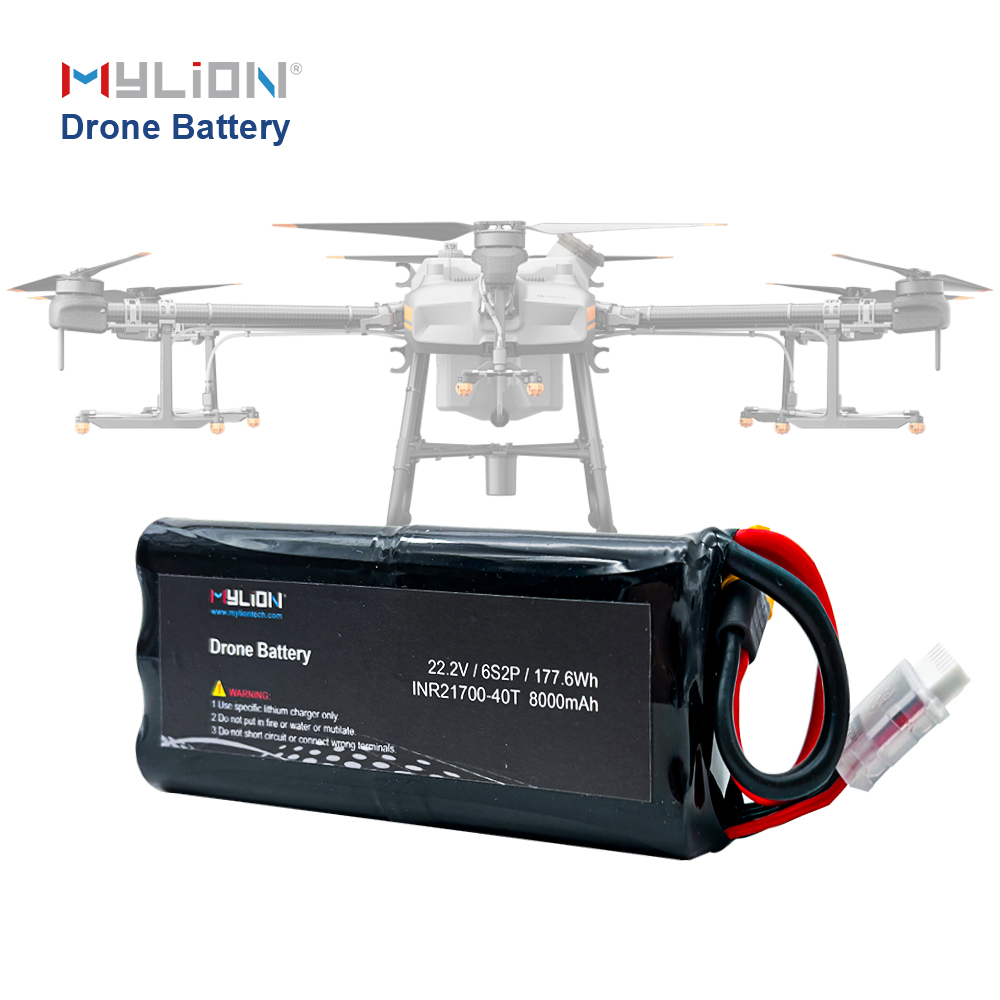
- **Battery Capacity**: The capacity of the battery measured in watt-hours (Wh) or ampere-hours (Ah) directly affects flight time. Higher-capacity batteries provide more power for longer flights.
- **Payload Weight**: The weight of the payload, including the camera, sensors, and any other equipment, reduces the drone's overall power-to-weight ratio, impacting flight time.
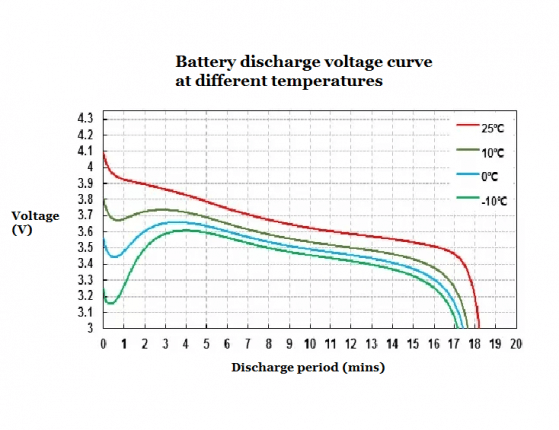
- **Environmental Conditions**: Temperature, humidity, and air pressure all influence battery performance and, subsequently, flight time.
- **Flight Patterns**: Aggressive flying, turbulence, and wind resistance can reduce flight time, while smooth, steady flight patterns can prolong it.
Flight Times for Different Drone Batteries
The flight times for different drone batteries vary significantly depending on the type, capacity, and quality of the battery. Here are some general guidelines:
- **LiPo Batteries**: Typically provide 20-30 minutes of flight time, with high-capacity LiPo batteries offering up to 40-60 minutes.
- **Li-ion Batteries**: Offer slightly shorter flight times, typically around 15-25 minutes.
- **Custom Batteries**: High-performance custom batteries can provide extended flight times, ranging from 30-60 minutes or more, depending on the application.
Importance of Battery Safety
Battery safety is paramount when it comes to ensuring the longevity and reliability of your drone. Overheating, overcharging, and improper disposal can all lead to catastrophic consequences. To avoid common mistakes, keep an eye on your battery's temperature, charge cycles, and expiration date, and always follow proper disposal procedures.

Choosing the Right Battery
Choosing the right battery for your drone requires careful consideration of several factors, including flight time, payload capacity, and environmental conditions. To make the best choice:
- Research the manufacturer's reputation and product quality.
- Compare flight times and performance metrics between different battery models.
- Consider the compatibility of the battery with your drone and other accessories.
- Evaluate the battery's safety features, such as thermal management and overcharge protection.
Flight Times for Different Drone Models
Flight times for different drone models vary depending on their specifications and capabilities. Here are some examples:
- Entry-level drones**: Typically offer 10-15 minutes of flight time.
- Mid-range drones**: Provide 15-30 minutes of flight time.
- High-end drones**: Offer up to 60 minutes or more of flight time.
Conclusion
Flight times for different drone batteries are influenced by a complex array of factors, including battery capacity, payload weight, environmental conditions, and flight patterns. By understanding these factors and choosing the right battery for your specific needs, you can ensure optimal flight times, reliability, and safety for your drone. Whether you're a hobbyist or a commercial operator, knowing how to select and use the best drone batteries is crucial for a successful and enjoyable aerial experience.