How to Improve GLP-1 Signaling for Weight Loss
Glucagon-like peptide-1 (GLP-1) signaling plays a crucial role in regulating appetite, metabolic balance, and weight loss. Understanding how to improve GLP-1 signaling can be a game-changer for individuals struggling with weight management. In this article, we will explore the mechanisms behind GLP-1 signaling and provide actionable tips on how to naturally boost GLP-1 levels to support weight loss.The Role of GLP-1 Signaling in Weight Loss
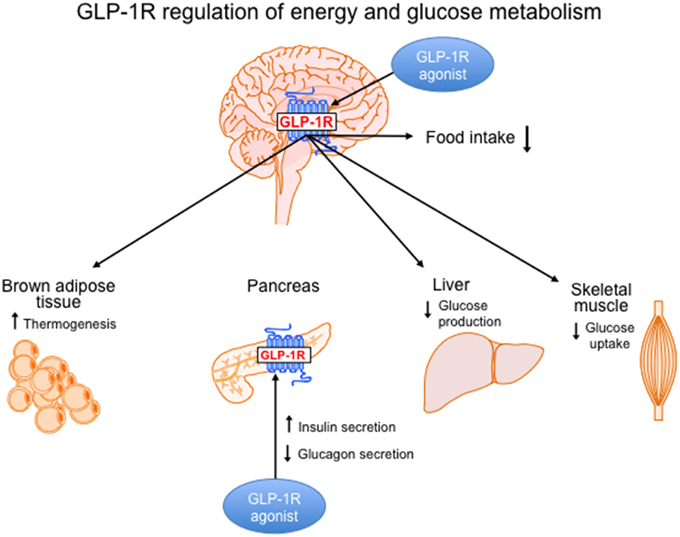
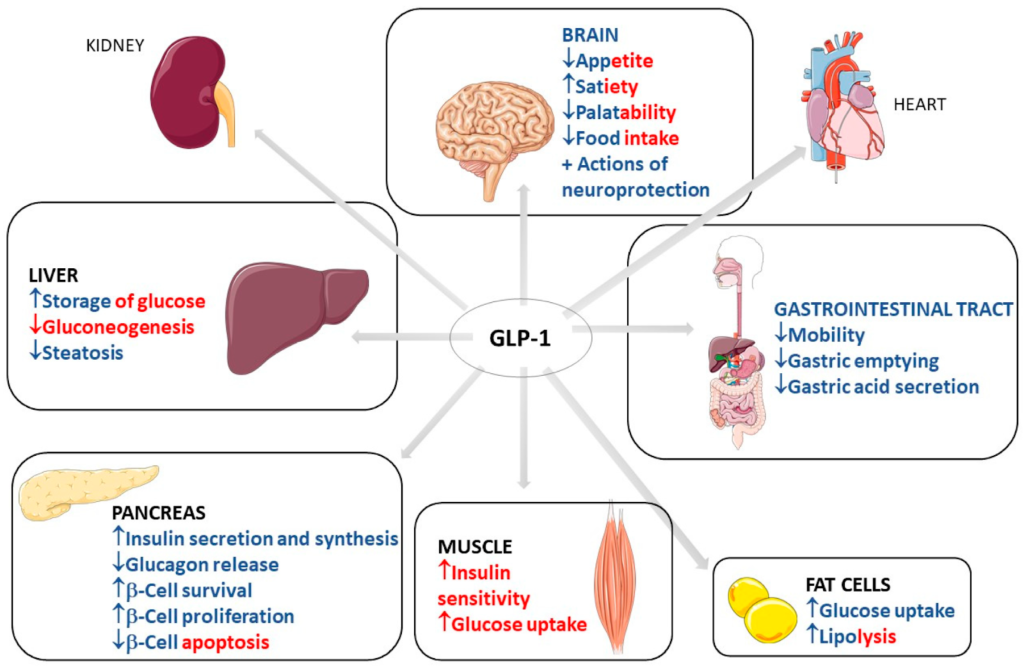
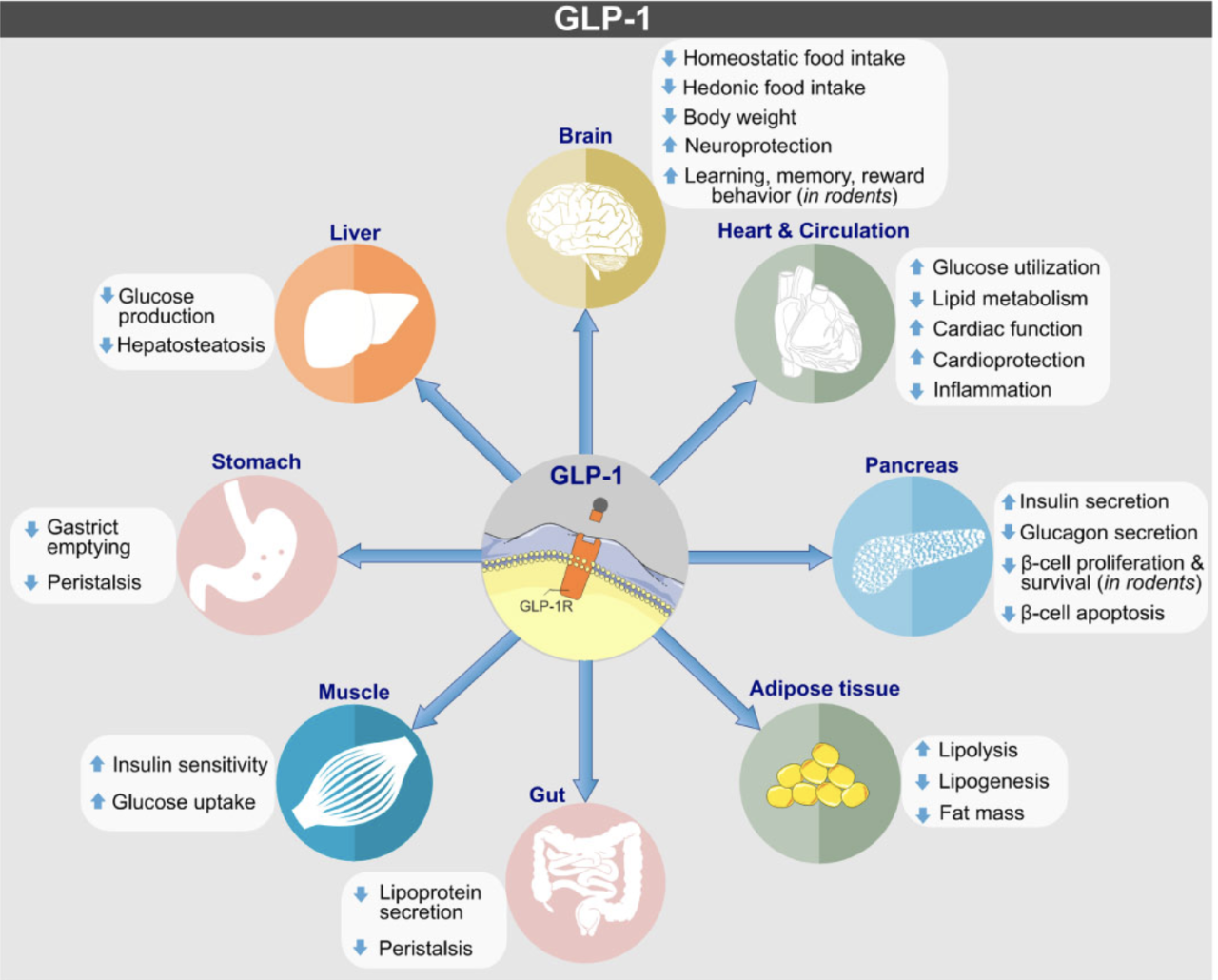
GLP-1 is a hormone released by the intestines in response to food consumption. It travels to the brain, binding to GLP-1 receptors and stimulating feelings of fullness and reducing hunger. GLP-1 signaling also slows gastric emptying, allowing food to stay in the stomach longer, which helps curb cravings and supports weight loss. Research has shown that GLP-1 receptor agonists (GLP-1 RAs) are effective in managing obesity and type 2 diabetes by modulating appetite and metabolic regulation.Optimizing GLP-1 Signaling through Nutrition
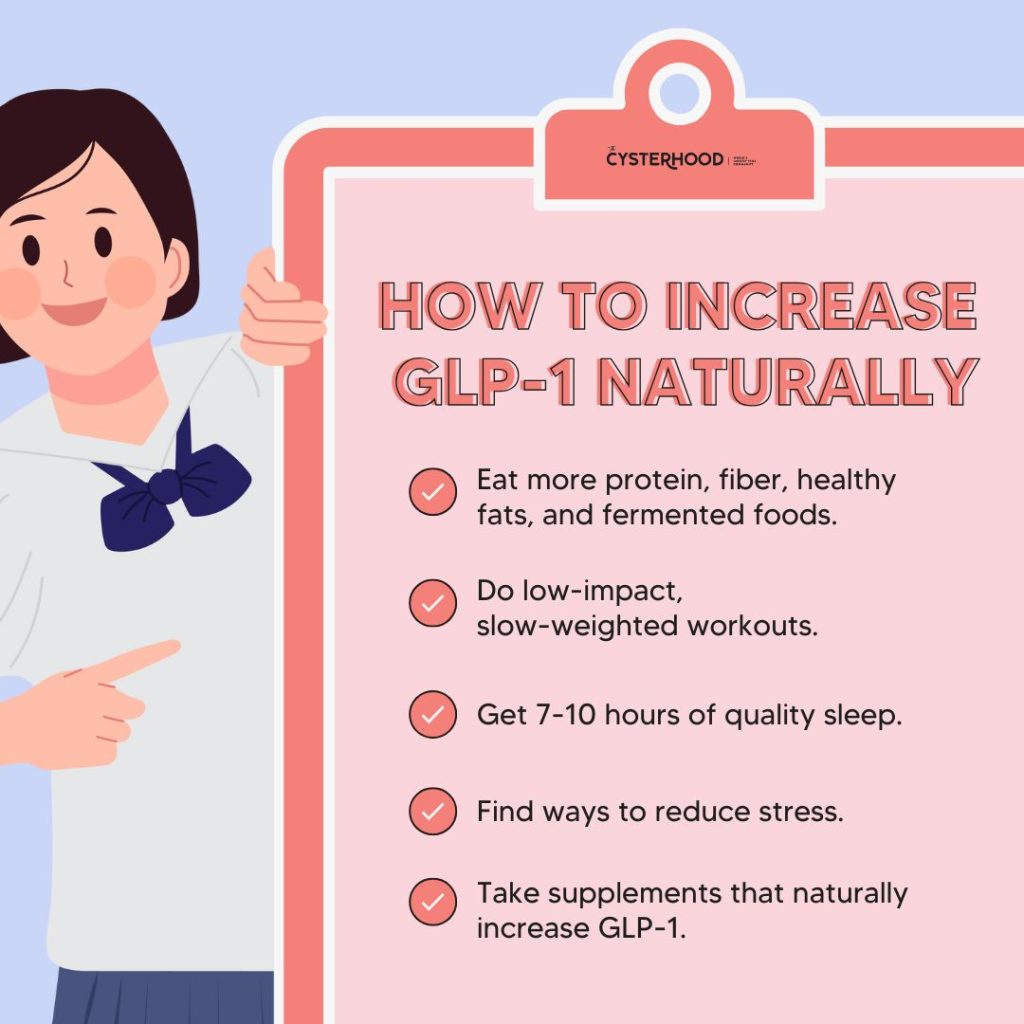
Diet plays a critical role in enhancing GLP-1 signaling. Certain foods can stimulate GLP-1 release, while others can inhibit it. Here are some nutrition tips to improve GLP-1 signaling:- Eating fermented foods: Fermented foods like yogurt, kefir, kimchi, and sauerkraut contain probiotics that support gut health and boost GLP-1 production.
- Incorporating protein-rich foods: High-quality protein from sources like eggs, chicken, and fish can stimulate GLP-1 release, particularly when eaten earlier in the day.
- Including high-fat foods: Foods high in healthy fats like nuts, seeds, and avocados can also stimulate GLP-1 release.
- Avoiding processed foods: Processed foods can activate the body's stress response, leading to increased cortisol levels, which can inhibit GLP-1 signaling.
- Drinking plenty of water: Staying hydrated can help improve gut health and support GLP-1 production.
Enhancing GLP-1 Signaling through Lifestyle Habits

- Getting enough sleep: Poor sleep quality and duration can lower GLP-1 levels and increase cravings. Aim for 7-9 hours of sleep per night.
- Reducing stress levels: Chronic stress can activate the body's stress response, leading to increased cortisol levels, which can inhibit GLP-1 signaling. Engage in stress-reducing activities like meditation, yoga, or deep breathing exercises.
- Increasing physical activity: Regular exercise can improve insulin sensitivity and enhance GLP-1 signaling. Aim for at least 30 minutes of moderate-intensity exercise per day.
- Managing chronic diseases: Addressing underlying health conditions like hypertension, high cholesterol, and cardiovascular disease can also support optimal GLP-1 signaling.