Setting Up and Securing Your Router: A Comprehensive Guide
Setup and security of your router is crucial to ensuring a stable, fast, and protected internet connection in your home or office. In this article, we'll walk you through the process of setting up your router and discuss various security measures you can take to prevent unauthorized access and ensure your safety online.
Understanding Your Router
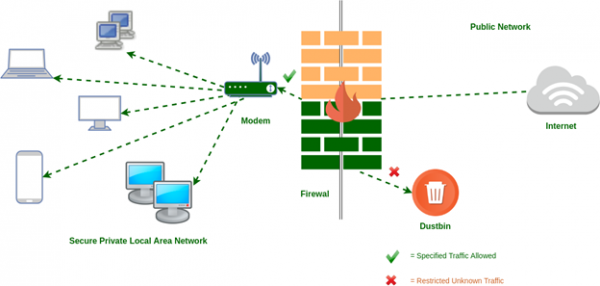
Your router is the central device that connects your devices (such as laptops, smartphones, and smart TVs) to the internet, enabling you to access online resources, stream content, and share data with others. A good router provides a stable and secure connection, which is essential for smooth operation of your home network.
Why Router Security is Important
- Protection against hackers and unauthorized access
- Prevention of malware and viruses
- Protection of sensitive information (e.g., passwords, financial data)
- Prevention of data breaches and cyber attacks
Configuring G-Router Setup and Security
To set up your router, you'll need to access its web interface, typically by typing its IP address in a web browser (e.g., 192.168.1.1). Once logged in, you can:
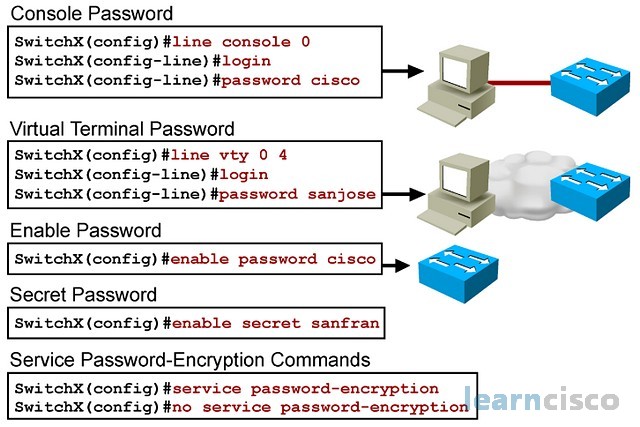
- Change the default admin password and username
- Set up a strong and unique administrative password
- Configure your wireless network settings (SSID, channel, security)
- Enable WPA2 or WPA3 security protocol
- Set up a guest network for visiting devices
Best Practices for Router Security
Here are some additional tips to enhance your router's security:
- Regularly update your router's firmware to fix security vulnerabilities
- Change the default admin password and username
- Use WPA2 or WPA3 security protocol (WEP is vulnerable to hacking)
- Keep your router's software up to date
- Disable unnecessary services and options (e.g., WPS)
- Use a VPN when accessing public Wi-Fi networks
- Perform a thorough scan for malware and viruses
Conclusion
Configuring your router's setup and security settings is an essential task that requires attention to detail and knowledge of best practices. By following the steps outlined in this guide, you can ensure a stable, fast, and secure internet connection for your home or office network. Remember to update your router regularly, change the default admin password, and use strong security protocols to protect your data and prevent unauthorized access.
Resources
- Netgear user manual for WGR614v9
- Linksys Wireless-G Broadband Router manual
- Configuring your Fax modem HG530
- Verizon Fios Router setup tutorial
- Best Wi-Fi routers for the home


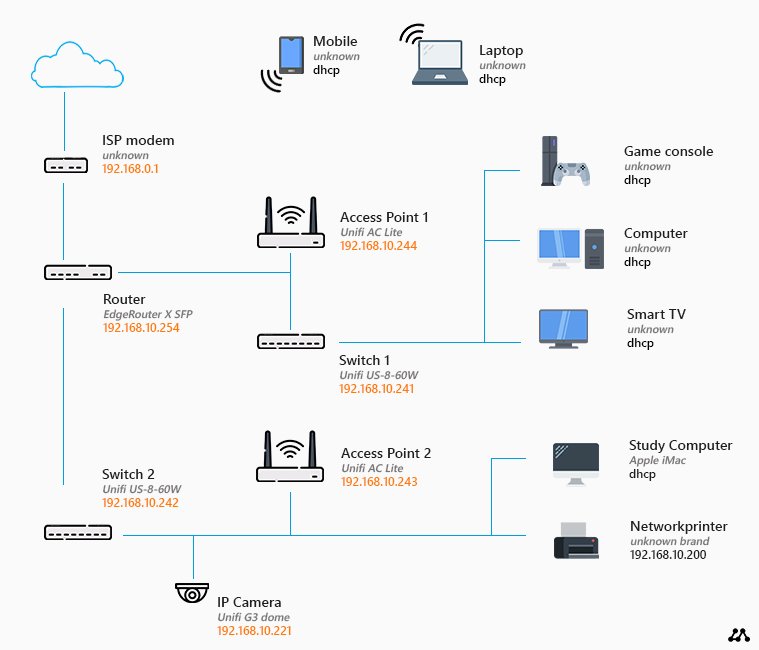
.png "How to Set Up and Configure a Router: A User-friendly Guide")