Unlocking the Power of GLP-1 for Metabolic Health Improvement
Glucagon-like peptide-1 (GLP-1) receptor agonists have revolutionized the treatment of type 2 diabetes and obesity, but their impact on metabolic health extends far beyond glycemic control and weight loss. In this article, we'll delve into the world of GLP-1 and explore its potential to improve metabolic health, highlighting recent advances and clinical applications.
The GLP-1 Revolution: A New Era in Metabolic Health
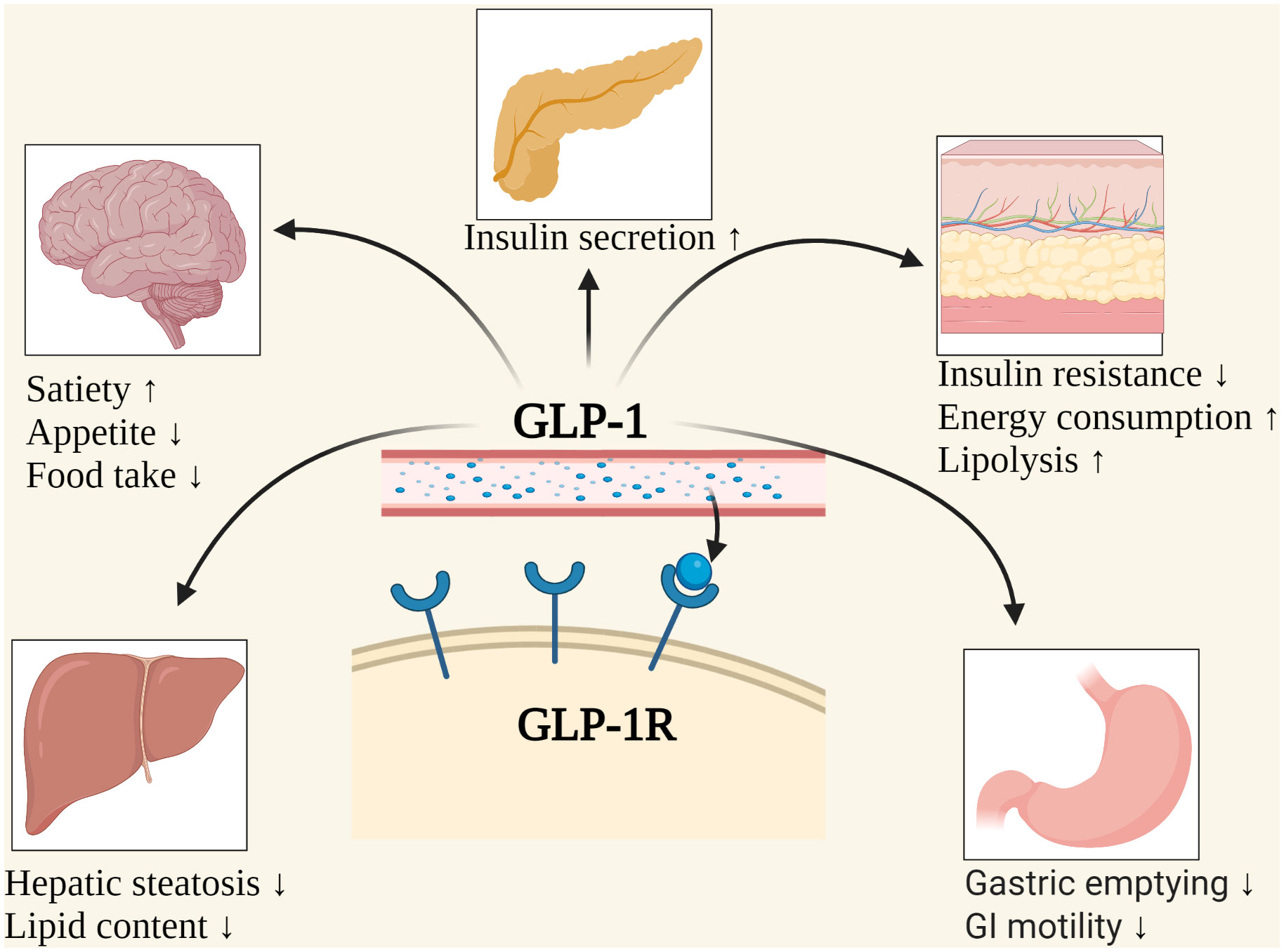
Initially developed for blood glucose and weight control, GLP-1 medications have demonstrated remarkable outcomes in various diseases, including cardiovascular, kidney, liver, arthritis, and sleep apnea disorders. Their anti-inflammatory and metabolic pathways contribute to improved health benefits, some of which are independent of weight loss.
GLP-1 and Metabolic Syndrome: A Win-Win Combination
- GLP-1 receptor agonists, such as semaglutide and tirzepatide, have shown remarkable results in treating obesity and metabolic syndrome.
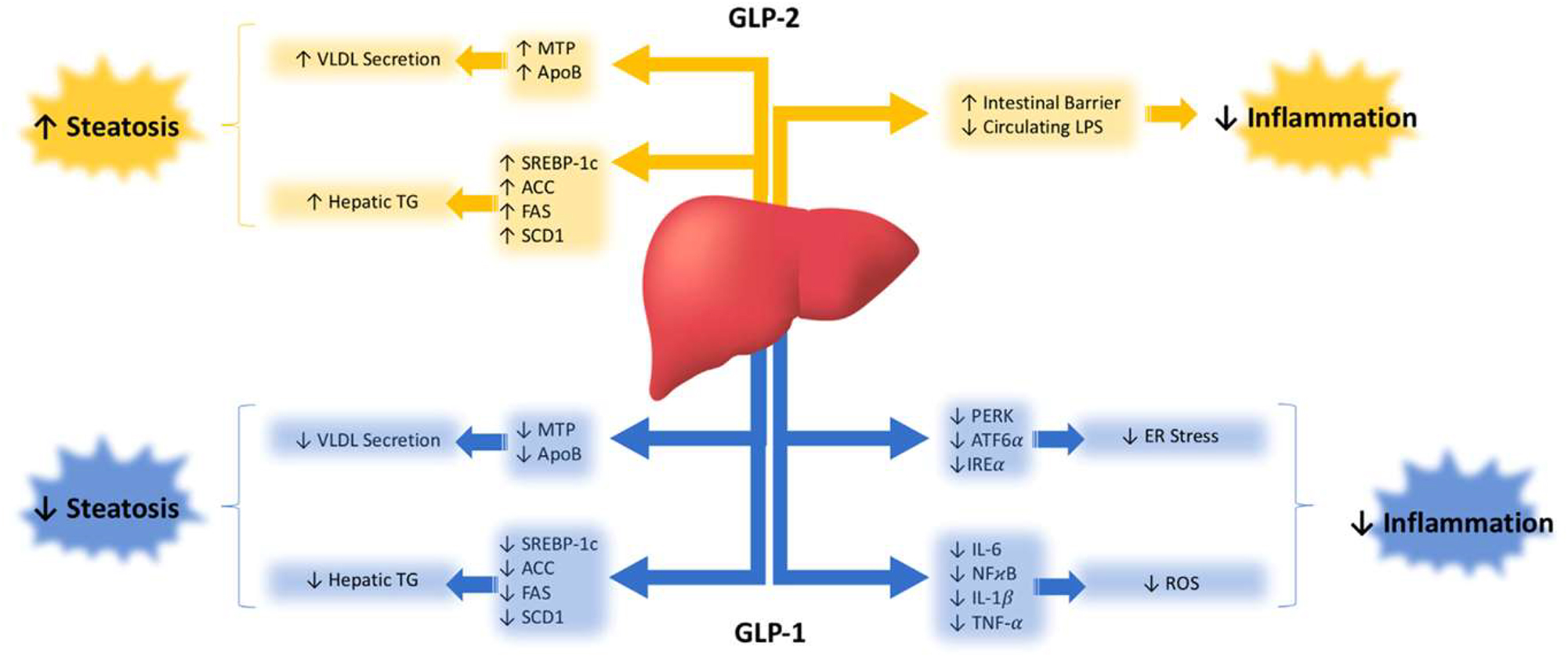
- Research suggests that GLP-1 therapies may improve metabolic dysfunction-associated steatotic liver disease (MASLD) by reducing hepatic fat accumulation, inflammation, and oxidative stress.
- By enhancing insulin sensitivity and lipid metabolism, GLP-1 RAs may offer a unique approach to managing metabolic syndrome.
GLP-1: From Gut to Systemic Health
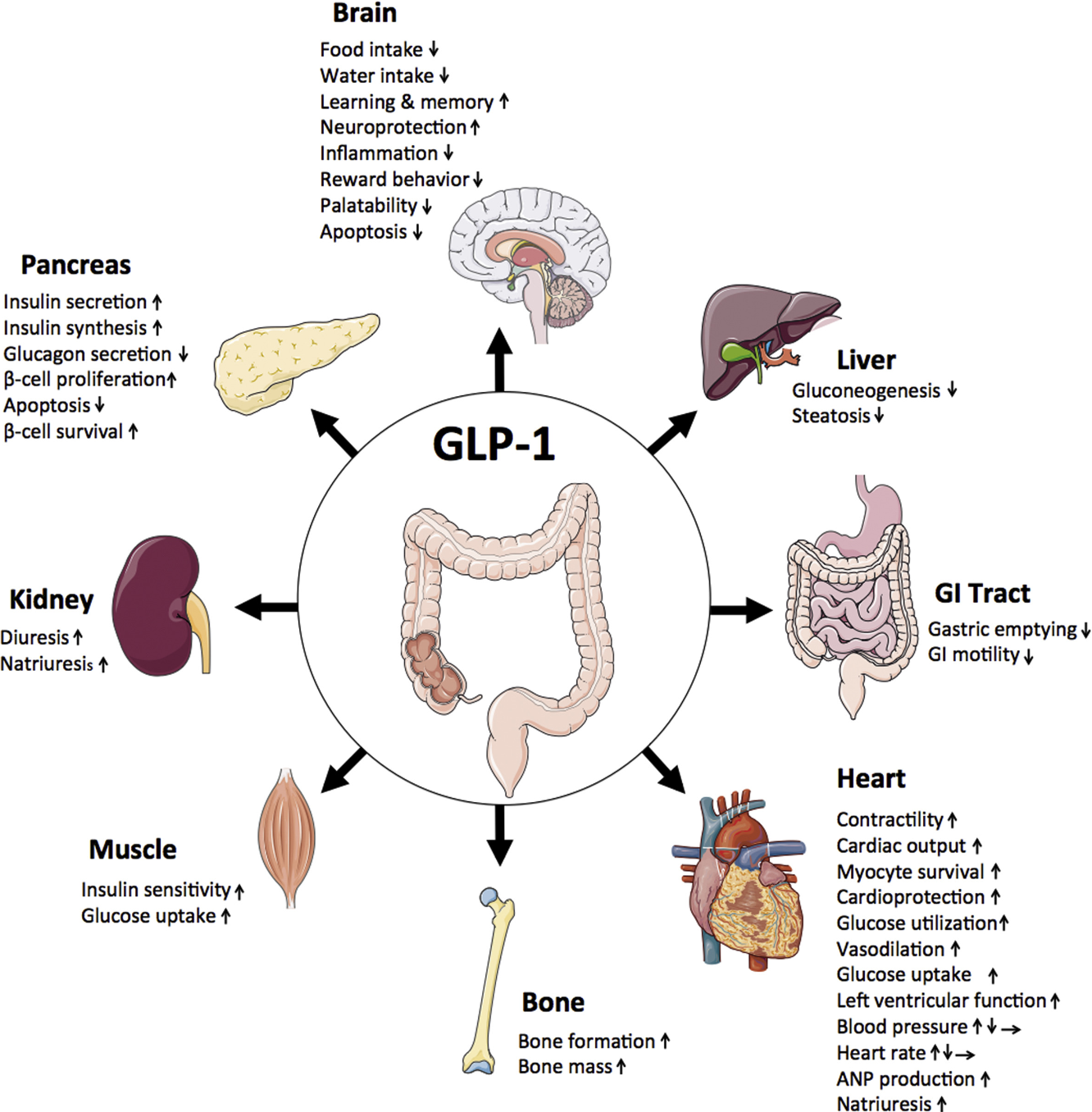
GLP-1 receptors are present in various organs, including the heart, brain, bones, and muscles, highlighting the medication's far-reaching impact beyond gut and weight management. Research shows that GLP-1 medications can modulate systemic health, influencing cardiovascular, renal, and hepatic function.
GLP-1 and Mental Health: Beyond the Scale
GLP-1 receptor agonists can produce a range of psychological and psychiatric effects, extending beyond their metabolic benefits. Clinical depression symptoms have been reported in some cases, emphasizing the need for careful medical supervision and a comprehensive treatment approach.
From Academia to Industry: The Evolving Landscape of GLP-1 Research
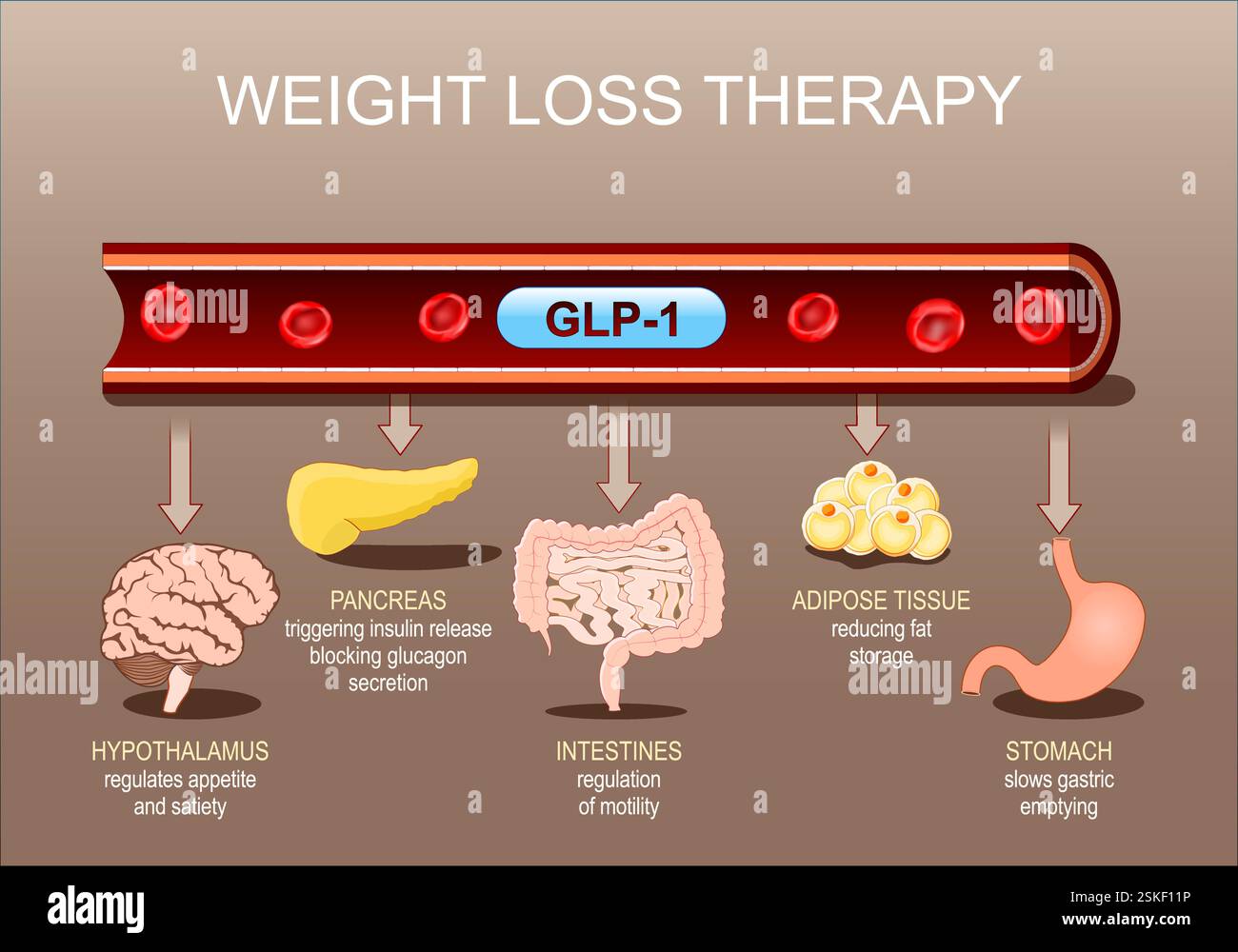
As research on GLP-1 continues to advance, we're witnessing a shift towards developing next-generation treatments for diabetes and metabolic disorders. Industry-driven initiatives are uncovering new applications and mechanisms of action, propelling the field forward.
A New Layer: GLP-1 and Appetite Control
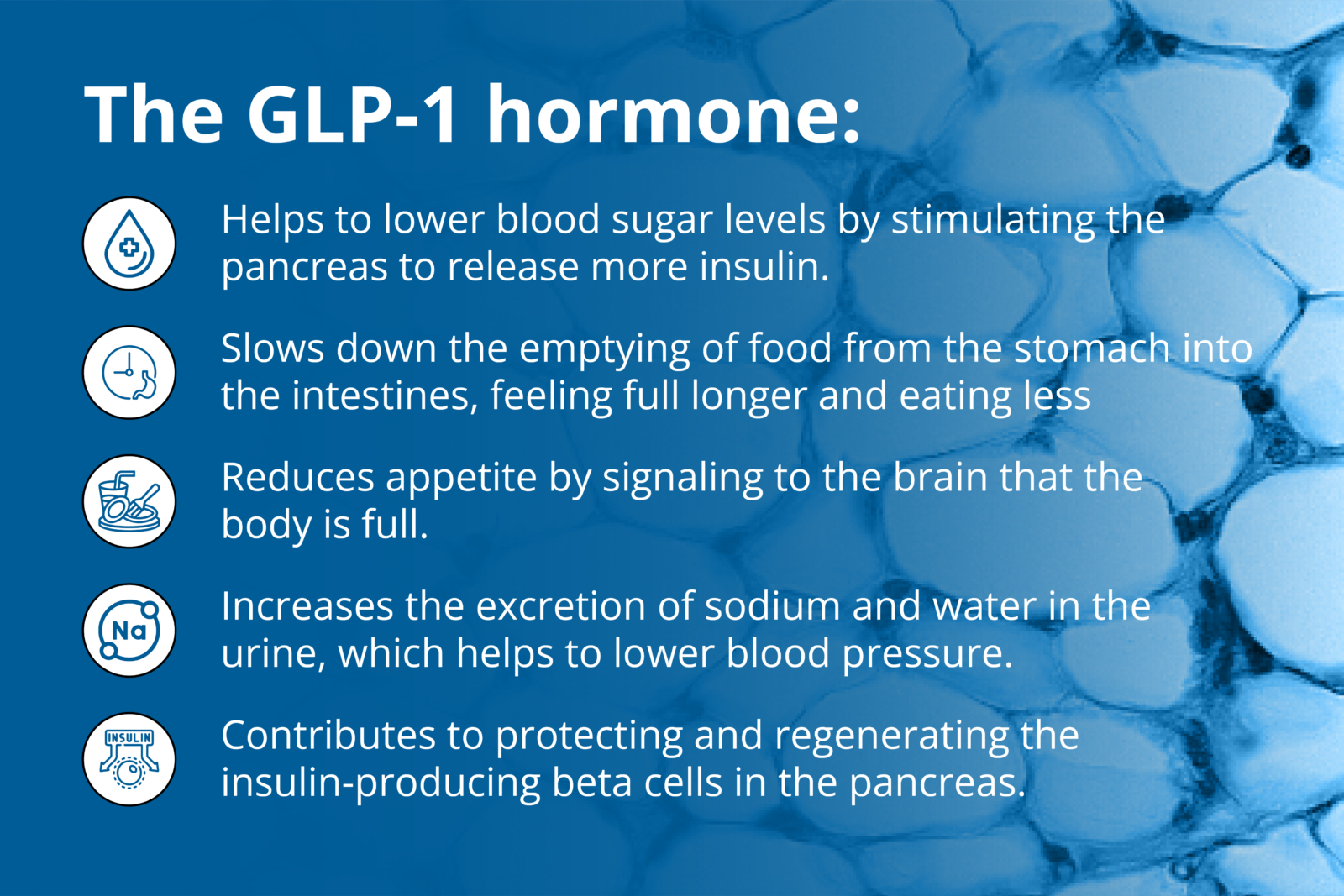
GLP-1 receptor agonists now act on the same appetite centers in the brain, strengthening satiety and quieting hunger. Estrogen also appears to enhance the effectiveness of GLP-1 signaling, offering a new perspective on metabolism and appetite regulation.
GLP-1: A Key Player in Weight Management and Metabolic Health
- GLP-1 medications are the most effective weight loss drugs developed, helping patients achieve better health outcomes.
- Beyond weight loss, GLP-1 therapy controls hunger and improves metabolism, making patients' health better over time.
- Further research on GLP-1 could lead to better weight management and metabolic health solutions.
GLP-1 and Metabolic Health Improvement: The Future Ahead
As research continues to uncover the mechanisms and applications of GLP-1, we can expect to see innovative treatments and approaches emerging in the field. Employers, healthcare professionals, and individuals will need to adapt to the changing landscape, incorporating GLP-1 medications and other metabolic health strategies into their disease management plans.
Conclusion
The evolution of GLP-1 receptor agonists has brought about a new era in metabolic health improvement, with far-reaching implications for disease treatment and prevention. By understanding the mechanisms and applications of GLP-1, we can unlock its full potential to improve metabolic health and transform the lives of individuals worldwide.