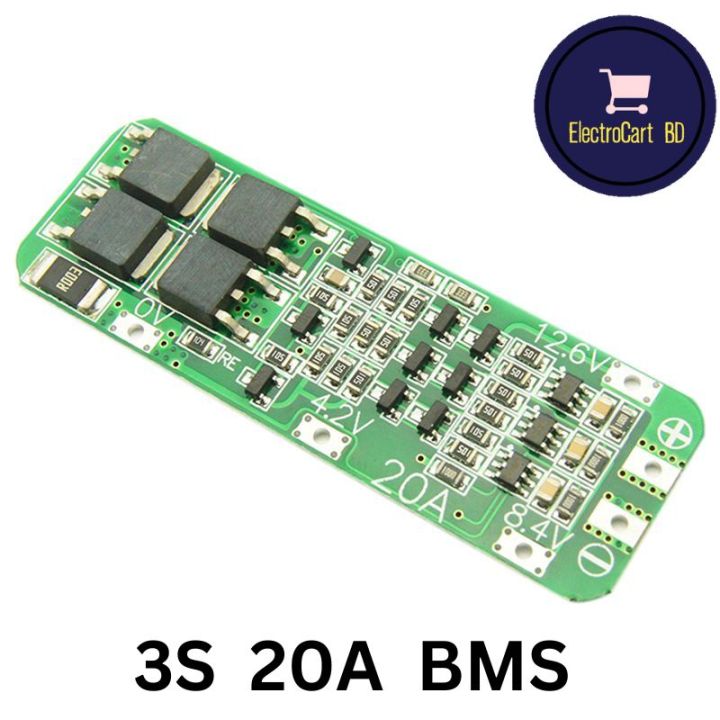
Lipo Battery Management System: A Critical Component for Safe and Efficient Battery Operation
When it comes to lithium polymer (LiPo) batteries, a lipo battery management system (BMS) is an essential component that ensures safe and efficient battery operation. A BMS is a sophisticated system that monitors and controls the battery's charging and discharging processes, preventing overcharging, over-discharging, and other safety hazards.
What is a Lipo Battery Management System?
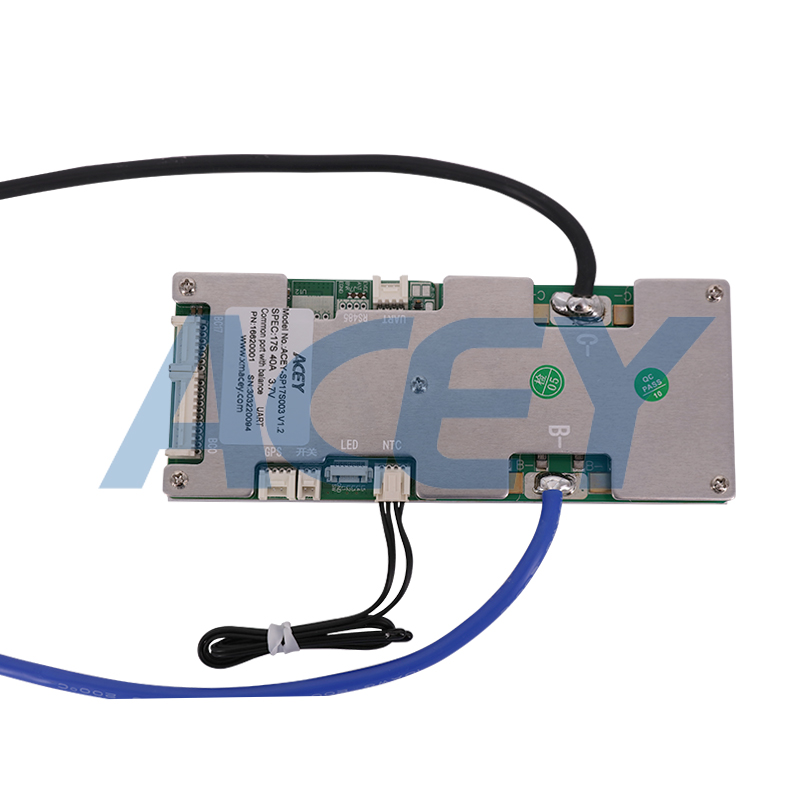
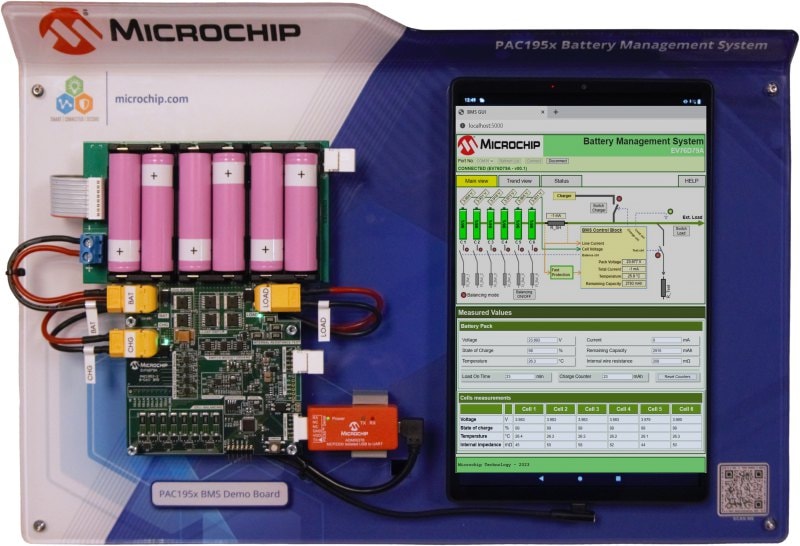
A BMS is a complex system that typically consists of multiple components, including a microcontroller, sensors, and power management ICs. The system monitors the battery's voltage, current, temperature, and other parameters to ensure safe and efficient operation. The BMS also communicates with the battery's charger and other system components to coordinate charging and discharging processes.
Importance of Lipo Battery Management System
The lipo battery management system plays a critical role in ensuring the safety and efficiency of LiPo batteries. Some of the key benefits of a BMS include:
- Prevention of overcharging and over-discharging: A BMS prevents overcharging and over-discharging of the battery, which can cause damage to the battery and reduce its lifespan.
- Protection from electrical shorts and overcurrents: A BMS detects electrical shorts and overcurrents and takes corrective action to prevent damage to the battery and other system components.
- Optimization of battery performance: A BMS optimizes battery performance by adjusting charging and discharging rates, voltage, and current to ensure efficient and safe operation.
- Monitoring of battery health: A BMS monitors the battery's health and provides critical information about its state of charge, voltage, and other parameters.
Components of a Lipo Battery Management System
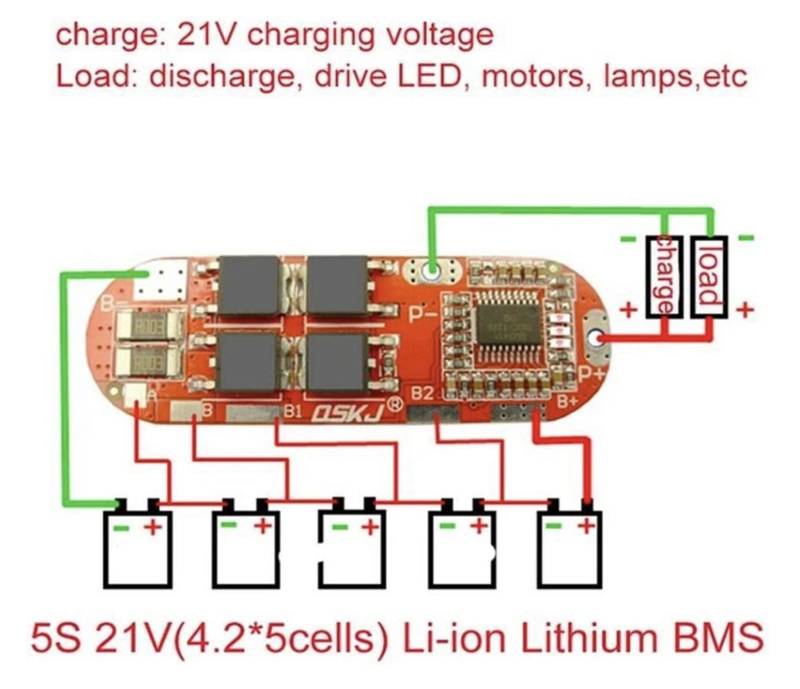
A lipo battery management system typically consists of multiple components, including:
- Microcontroller: The microcontroller is the brain of the BMS and executes software instructions to monitor and control the battery's charging and discharging processes.
- Sensors: Sensors measure the battery's voltage, current, temperature, and other parameters to provide critical information to the BMS.
- Power management ICs: Power management ICs manage the flow of power between the battery, charger, and other system components.
- Communications interfaces: Communications interfaces enable the BMS to communicate with the battery's charger and other system components.
Types of Lipo Battery Management Systems
There are several types of lipo battery management systems, including:
- Simple BMS: A simple BMS is a basic system that monitors the battery's voltage and current and provides basic protection against overcharging and over-discharging.
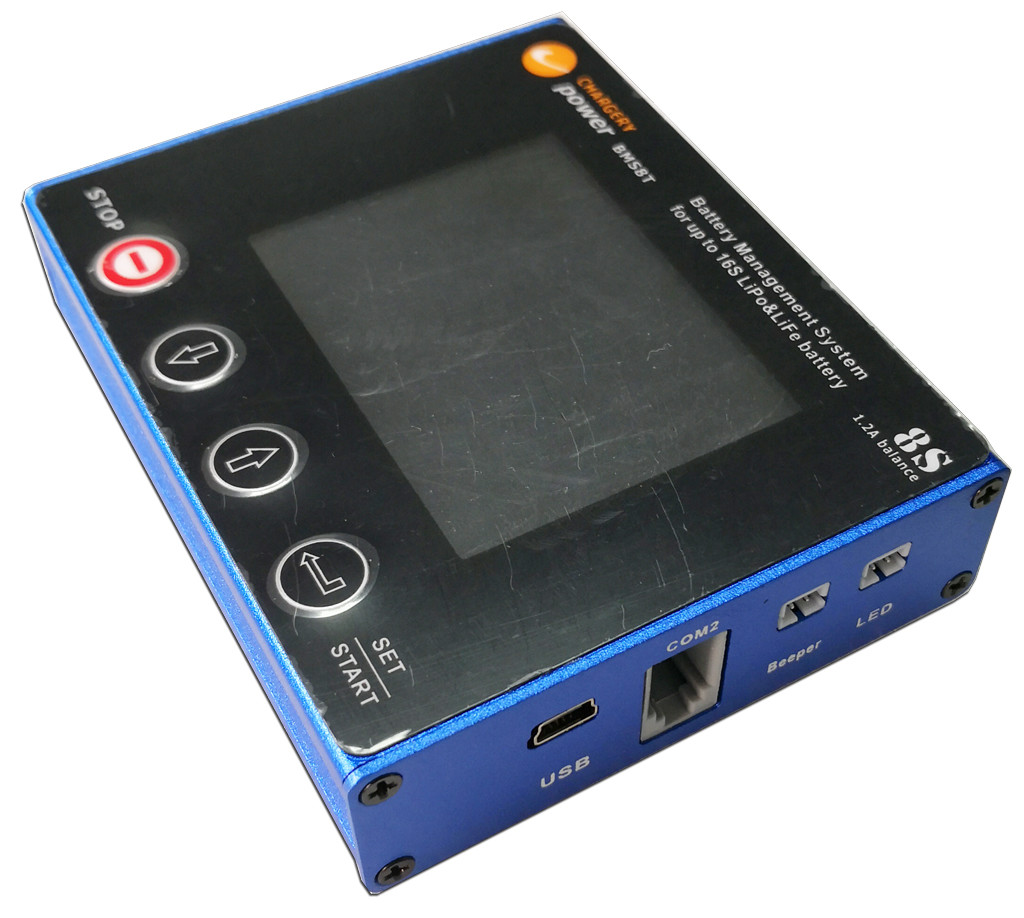
- Advanced BMS: An advanced BMS is a more complex system that monitors and controls the battery's charging and discharging processes, provides detailed information about the battery's health, and offers advanced protection features.
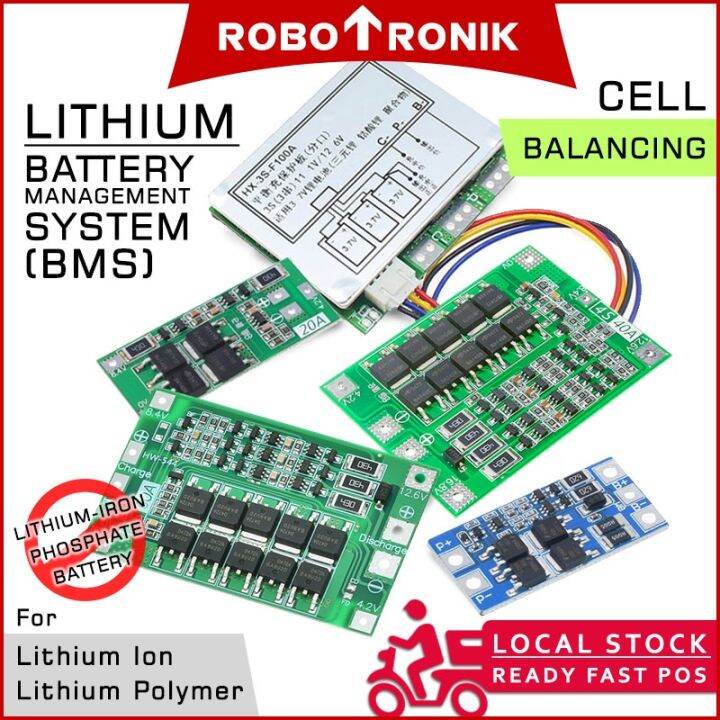
- Balancing BMS: A balancing BMS is a specialized system that balances the voltage of multiple battery cells to ensure safe and efficient operation.
Conclusion
A lipo battery management system is a critical component of a LiPo battery-based system. It ensures safe and efficient battery operation, prevents overcharging and over-discharging, and provides detailed information about the battery's health. In this article, we discussed the importance of a BMS, its components, and types. We also highlighted the benefits of using a BMS in a LiPo battery-based system.